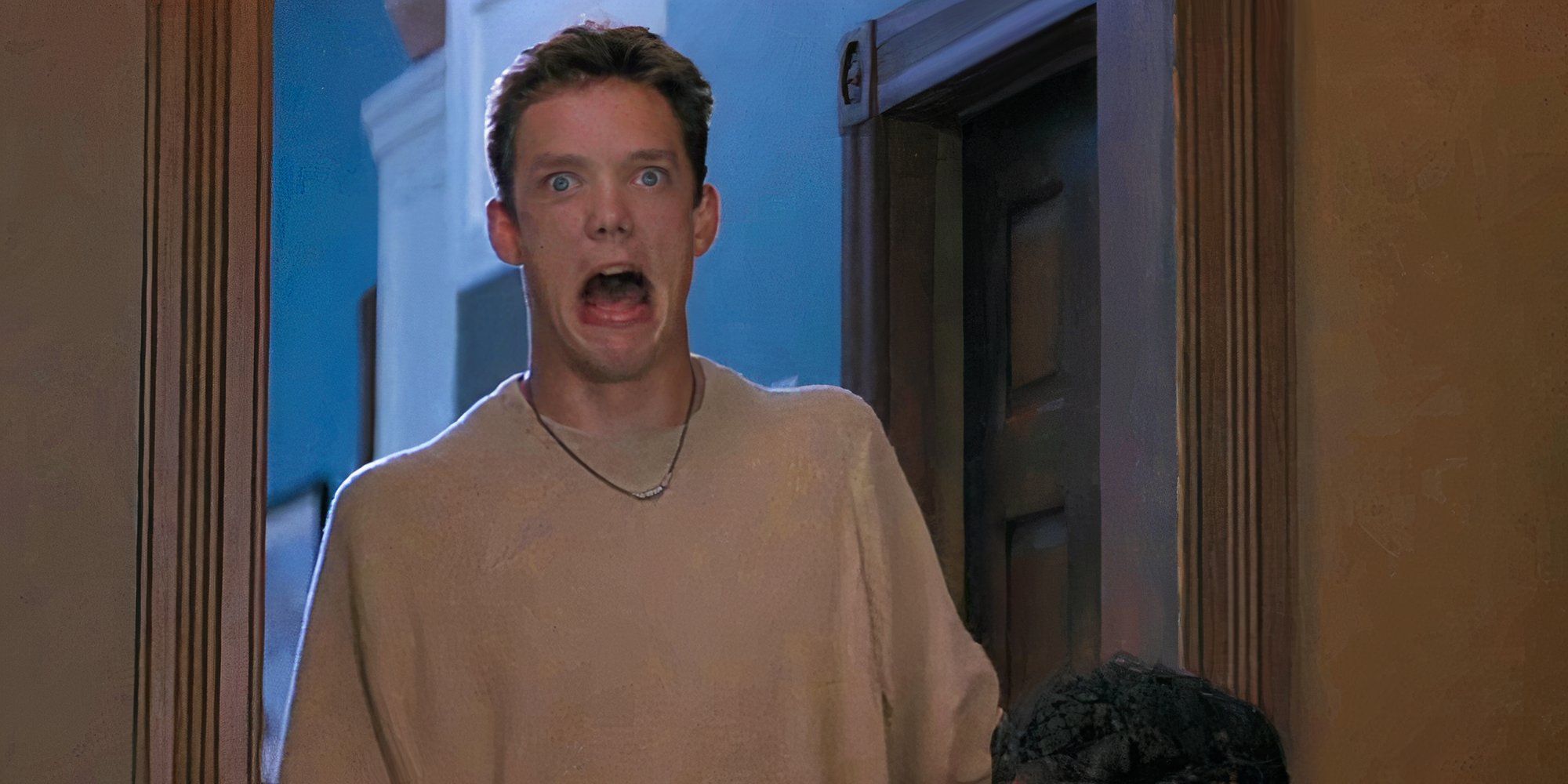
The production budget of the 1996 slasher film Scream (often styled as Scream 1) was approximately $14 million to $15 million, a moderate sum that allowed director Wes Craven and writer Kevin Williamson to assemble a strong ensemble cast and execute high-concept practical effects while maintaining strict financial discipline.
Understanding the financial architecture of a landmark motion picture requires looking beyond a single headline figure. The production budget of the original Scream film represents a fascinating case study in late-20th-century Hollywood risk management, independent financing, and strategic allocation. Released by Dimension Films in December 1996, the movie fundamentally revitalized the dormant slasher subgenre of horror cinema. Examining the economics of the production illuminates how financial constraints forced creative problem-solving, how the money was distributed across talent, crew, and special effects, and how this modest investment yielded one of the most profitable horror franchises in cinematic history.
The Financial Landscape of Mid-1990s Horror Cinema
To understand the $14 million to $15 million budget of Scream, one must contextualize the financial state of the horror genre during the mid-1990s. Following the boom of the late 1970s and 1980s—which spawned massive franchises like Halloween, Friday the 13th, and A Nightmare on Elm Street—the genre had largely suffered from creative exhaustion, diminishing box-office returns, and a migration toward direct-to-video releases. Studios viewed traditional slasher films as low-art, high-risk ventures with limited demographic appeal outside of teenage boys.
Dimension Films, a genre-focused division of Miramax operated by Bob and Harvey Weinstein, specialized in producing mid-budget exploitation and horror films with mainstream crossover potential. For Dimension, a $15 million budget was neither a micro-budget indie expenditure nor a blockbuster studio gamble; it was a calculated middle ground. This figure allowed the studio to hire recognized television and film actors, secure experienced union crew members, and hire an established auteur like Wes Craven, who had already defined modern horror with A Nightmare on Elm Street (1984).
| Financial Metric | Estimated Figure (USD) | Significance |
|---|---|---|
| Production Budget | $14,000,000 – $15,000,000 | Baseline cost to shoot, edit, and score the film. |
| Marketing & Distribution | ~$10,000,000 (Estimated) | P&A (Prints and Advertising) allocation for theatrical rollout. |
| Opening Weekend Box Office | $6,354,586 | Domestic debut in 1,413 theaters (December 20, 1996). |
| Worldwide Gross | ~$173,000,000 | Final global theatrical return, yielding massive ROI. |
Breakdown of Budget Allocation
While exact ledger lines for Scream remain proprietary to Miramax and Dimension Films, industry reporting and retrospective interviews with producers like Marianne Maddalena and assistant producers provide a clear picture of how the funds were distributed.
Talent and Cast Compensation
A significant portion of the initial budget was dedicated to assembling a recognizable ensemble cast that could bridge the gap between teenage demographics and older moviegoers.
- Drew Barrymore: Initially attached as the primary star, Barrymore’s brief but pivotal role as Casey Becker consumed a notable portion of the early talent budget. Her involvement was crucial for marketing, as her face dominated early promotional materials, creating a narrative subversion when her character was killed in the opening sequence.
- Neve Campbell, Courteney Cox, and David Arquette: At the time, Campbell was known primarily for the television drama Party of Five, Cox was rising to global fame via Friends, and Arquette was a recognizable young character actor. Their salary demands in 1996 were modest compared to their post-franchise status, allowing the production to secure bankable leads without bloating the budget.
Below-the-Line Costs: Crew, Locations, and Practical Effects
The physical production took place primarily in Sonoma County, California—specifically Santa Rosa, Healdsburg, and Tomales—over a roughly eight-week shooting schedule in the summer of 1996.
- Locations: Renting local schools, suburban homes, and municipal spaces required precise logistical planning. The Santa Rosa high school served as the exterior and interior for Woodsboro High, requiring strict coordination with local school boards during summer recess.
- Practical Effects and Makeup: Dimension Films operated with a lean financial model, meaning gore and violence had to be executed via practical special effects rather than costly post-production digital manipulation. The makeup effects team, led by veteran artists, utilized corn syrup, red food coloring, and custom latex appliances to create the iconic knife wounds and slash marks, keeping material costs exceptionally low.
Production Challenges and Financial Adjustments
Every film budget faces unforeseen pressures, and Scream was no exception. During production, several creative and technical hurdles required careful financial maneuvering by the production team.
The Opening Sequence and Rain Delays
The iconic 12-minute opening scene featuring Drew Barrymore was scripted to take place over the course of a single stormy night. Filming outdoors in Northern California during summer presented logistical problems, including the need for massive water towers, rain rigs, and overnight shooting schedules. These night shoots incurred heavy overtime costs for union crew members, placing a temporary strain on the daily burn rate of the production budget.
The Mask Controversy and Copyright Management
An early, unapproved mask was initially used during test footage, but legal hurdles regarding copyright similarity to existing novelty items forced the production to pivot. The design team finalized the now-iconic "Ghostface" mask, manufactured by Fun World. Securing the licensing rights and manufacturing enough masks for stunt doubles, background actors, and primary killer sequences required a late reallocation of funds, though the resulting merchandising partnership ultimately became a massive secondary revenue stream.
Return on Investment and Box Office Performance
The true significance of the Scream budget is best understood through its financial return. Released on December 20, 1996, the film opened to a modest $6.3 million domestically. However, unlike traditional horror films that experience a steep drop-off after their opening weekend, Scream benefited from exceptional word-of-mouth marketing, cultural resonance, and critical praise.
The film legged out domestically to over $103 million, with an international theatrical gross bringing its total worldwide box office earnings to approximately $173 million. Against a production budget of roughly $14 million to $15 million, the film achieved a return on investment (ROI) that redefined the horror landscape of the late 1990s. This unprecedented profitability immediately greenlit a sequel (Scream 2, released just one year later in December 1997 with an expanded budget of $24 million), cementing the property as a reliable, high-yield studio asset.
Frequently Asked Questions
What was the exact production budget of the original Scream?
Industry records and historical tracking place the production budget of the 1996 film Scream between $14 million and $15 million. This modest figure reflects typical mid-tier genre filmmaking by Dimension Films during that era.
How did the budget impact the casting choices?
Because the budget could not accommodate A-list movie stars for every role, the producers balanced the ledger by casting rising television stars—such as Courteney Cox from Friends and Neve Campbell from Party of Five—alongside established film star Drew Barrymore for the crucial opening sequence.
Why was the budget considered a risk for Dimension Films?
In 1996, the slasher genre was viewed as financially unviable following a decade of diminishing box-office returns. Investing $15 million into a self-aware horror-comedy satire was seen as a gamble, as industry executives were uncertain whether mainstream audiences would embrace a film that openly mocked horror tropes.
Did the film go over budget during production?
While minor weather delays and night-shoot overtime expenses strained daily allocations during the Northern California shoot, the production stayed largely within its initial financial parameters, avoiding the runaway costs typical of larger studio blockbusters.
How does the budget of Scream 1 compare to later sequels?
The massive financial success of the original film led to scaled-up budgets for subsequent installments. Scream 2 received an estimated $24 million budget, while later sequels in the franchise saw progressively higher production values to match rising actor salaries and modern action-sequence demands.
Conclusion and Strategic Takeaway
The $14 million to $15 million budget of the 1996 film Scream stands as a masterclass in efficient resource allocation. By balancing calculated investments in recognizable television talent with practical filmmaking techniques and a sharp, self-referential script, Dimension Films created a cultural phenomenon that punched far above its financial weight class. For aspiring filmmakers and industry analysts alike, Scream demonstrates that strict financial constraints, when paired with clear creative vision, can yield both artistic integrity and historic commercial success.