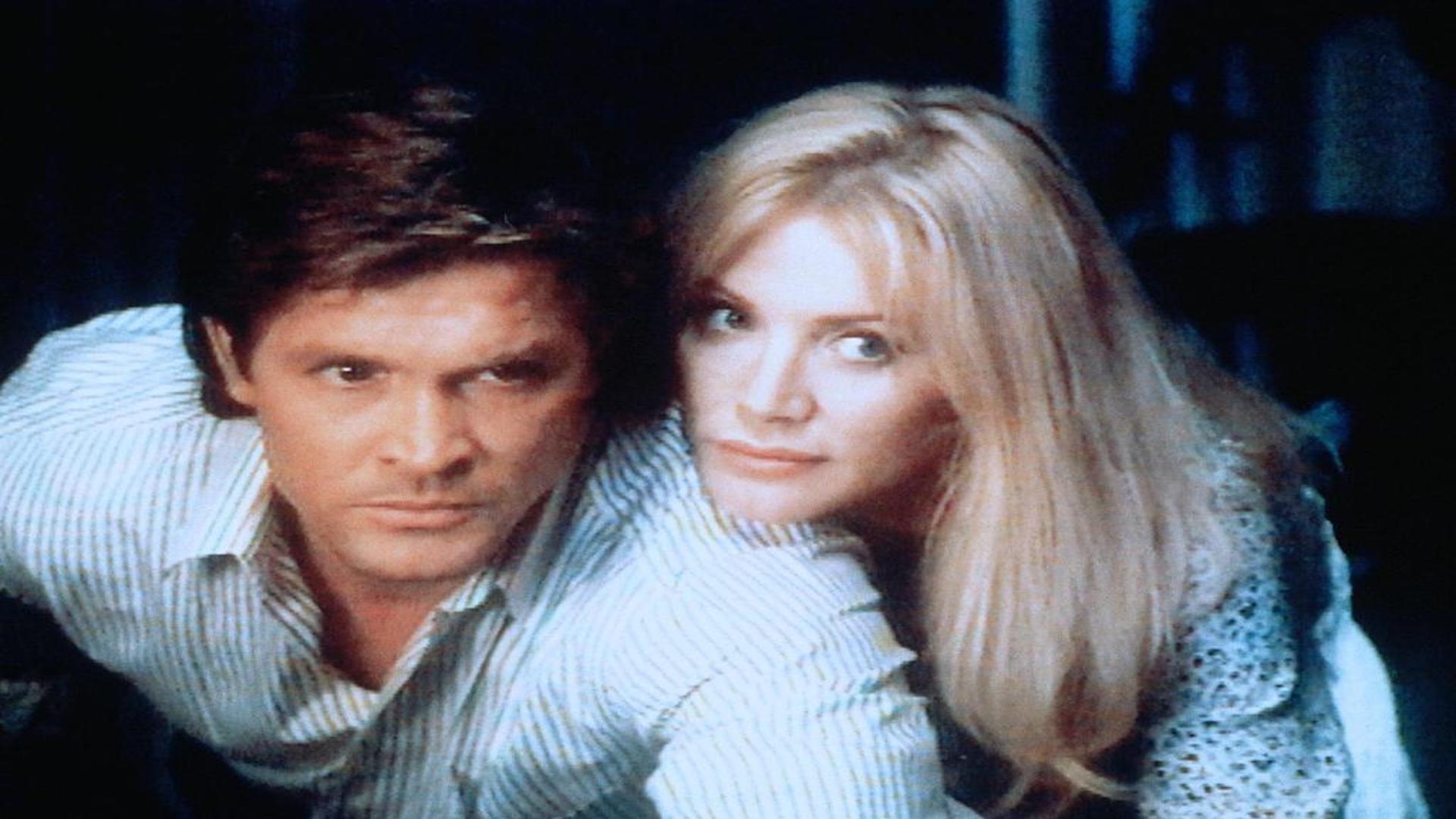
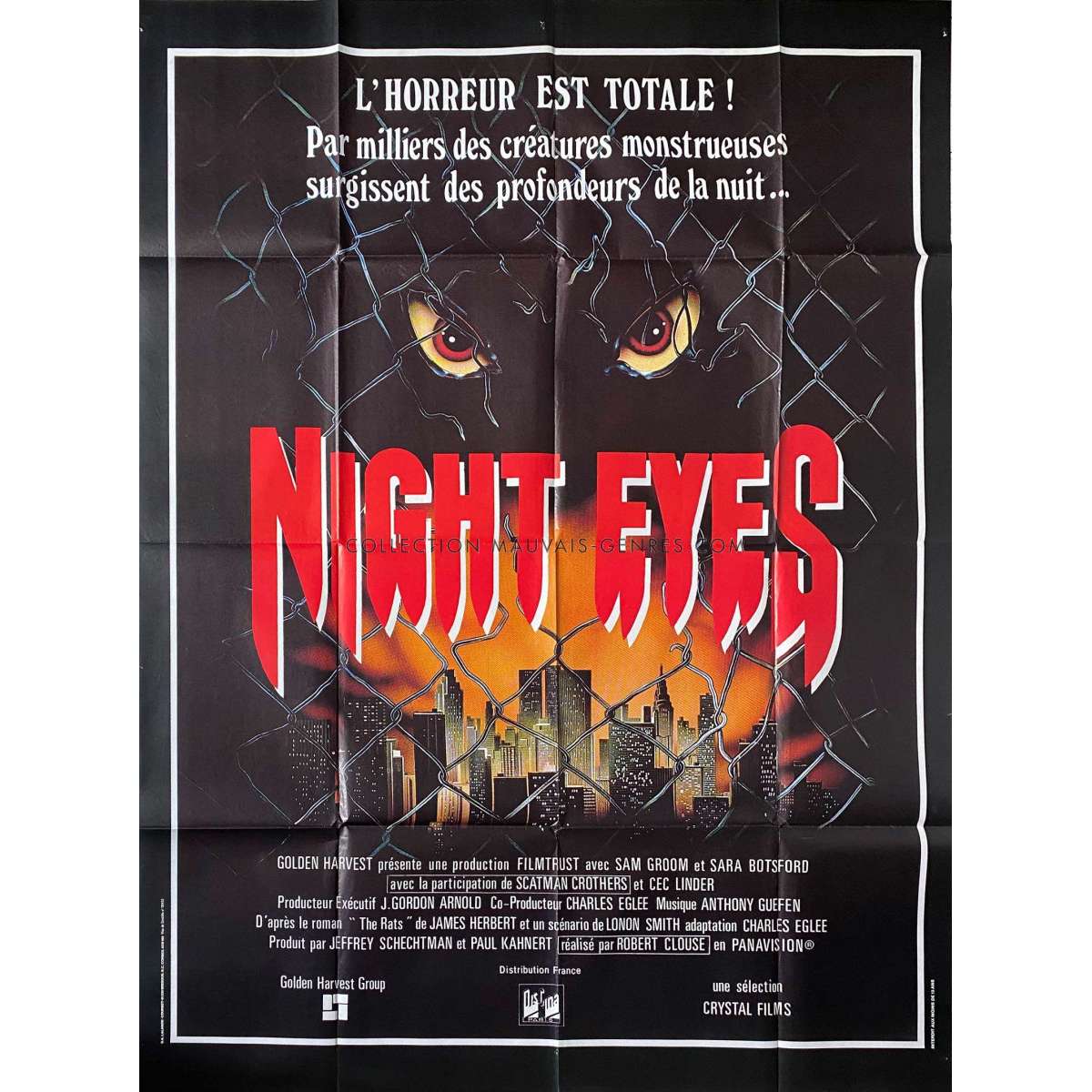
Night Eyes 2 (1991) is a quintessential erotic thriller that solidifies the genre’s tropes by pairing Andrew Stevens with the iconic Shannon Tweed. While it adheres to a predictable narrative structure, its superior production values and the undeniable chemistry between its leads make it a definitive benchmark for early 1990s direct-to-video cinema.
The early 1990s represented a golden age for the "soft-core" erotic thriller, a sub-genre that found its home on late-night cable television and the burgeoning home video market. At the forefront of this movement was the Night Eyes franchise. This review examines the second installment, looking back from the perspective of 2026, to determine how the film stands as both a historical artifact of its time and a piece of genre entertainment.
The Narrative Architecture of Night Eyes 2
At its core, Night Eyes 2 (alternatively titled Night Eyes II: Guarding Desire) follows a blueprint that would be replicated dozens of times throughout the decade. Andrew Stevens returns as Will Griffith, a security expert whose specialty lies in high-tech surveillance and personal protection. The plot is set in motion when Griffith is hired to protect Marilyn Mejenes (Shannon Tweed), the wife of a high-profile South American diplomat, Hector Mejenes (Richard Unger).
The conflict arises from two fronts: an external threat in the form of political assassins or burglars, and an internal, emotional conflict as Griffith watches Marilyn through his bank of monitors. The film leans heavily into the theme of voyeurism—a staple of the franchise. As Griffith observes Marilyn’s private life, the professional boundaries begin to blur, leading to an inevitable romantic entanglement that complicates the security mission.
Unlike many of its contemporaries, the script for Night Eyes 2 attempts to weave a layer of political intrigue into the romance. While the "diplomatic immunity" and "foreign operative" subplots are somewhat thin, they provide enough scaffolding to keep the pacing brisk and the stakes higher than a standard domestic thriller.
The Stevens-Tweed Dynamic: Genre Royalty
The primary reason Night Eyes 2 remains a point of discussion for cinephiles is the pairing of Andrew Stevens and Shannon Tweed. By 1991, Stevens was not only a recognizable leading man but was also moving into producing and directing, eventually becoming a mogul of independent B-movies. His portrayal of Will Griffith is understated; he plays the role with a world-weary professionalism that makes his eventual lapse in judgment feel grounded in character rather than just plot necessity.
Shannon Tweed, often cited as the "Queen of the Erotic Thriller," delivers one of her most balanced performances here. In many of her later films, the roles became caricatures, but in Night Eyes 2, she brings a genuine sense of isolation to the character of Marilyn. Her chemistry with Stevens is palpable, which is essential for a film where a significant portion of the tension is built through silent observation and shared glances.
The supporting cast includes notable character actors, most notably Tim Russ as Jesse Younger. Russ, who would later achieve worldwide fame as Tuvok on Star Trek: Voyager, provides a solid performance as Griffith’s partner, offering a necessary tether to the "real world" of security work while the leads are lost in their romantic drama.
Technical Execution and Aesthetic
Director Rodman Flender, who would go on to direct cult favorites like Idle Hands and Leprechaun 2, brings a surprisingly steady hand to the production. The film avoids the flat, "soap opera" lighting that plagued many direct-to-video releases of the era. Instead, Night Eyes 2 utilizes a neo-noir aesthetic, with heavy use of shadows, Venetian blind patterns, and a cool blue color palette that emphasizes the nocturnal nature of the story.
The surveillance aspect of the film serves as its primary visual motif. In 2026, the technology shown—bulky CRT monitors, VHS recording decks, and wired pinhole cameras—looks charmingly analog. However, within the context of 1991, this was "high-tech." The film uses the surveillance screens as a frame-within-a-frame, constantly reminding the audience that they are voyeurs watching a voyeur.
The musical score also deserves mention. It features the synthesized, saxophone-heavy arrangements typical of the genre, which effectively heightens the "late-night" atmosphere. It doesn't break new ground, but it perfectly complements the film's visual identity.
Comparative Analysis: Night Eyes vs. Night Eyes 2
To understand the value of the sequel, it is helpful to compare it to the original 1990 film and the subsequent entries in the series.
| Feature | Night Eyes (1990) | Night Eyes 2 (1991) | Night Eyes 3 (1993) |
|---|---|---|---|
| Lead Actor | Andrew Stevens | Andrew Stevens | Andrew Stevens |
| Lead Actress | Tanya Roberts | Shannon Tweed | Tracy Tweed |
| Primary Theme | Accidental Witness | Forbidden Romance | Celebrity Stalking |
| Directorial Style | Traditional Noir | Neo-Noir/Technological | Standard Thriller |
| Pacing | Slow-burn | Moderate | Fast/Action-oriented |
| Critical Standing | Cult Classic | Genre Standard | Diminishing Returns |
While the first film benefited from the novelty of the premise and the presence of Tanya Roberts, Night Eyes 2 is often considered the superior "movie" in terms of dialogue and the central relationship. It tightened the pacing and leaned more into the "security expert" persona of Will Griffith, which became the backbone of the franchise.
Cultural Impact and 2026 Availability
In the current landscape of 2026, Night Eyes 2 is largely accessed through boutique Blu-ray labels and specialty streaming services that curate cult cinema. Its legacy is tied to the "After Dark" era of cable television (specifically networks like Cinemax). For modern viewers, the film offers a nostalgic look at a type of mid-budget adult storytelling that has largely vanished from the theatrical landscape, having been replaced by high-budget prestige TV or low-budget "content" on social platforms.
The film's exploration of surveillance also feels prescient. While the technology is dated, the ethical questions regarding the "male gaze" and the invasion of privacy for "protection" remain relevant. In 1991, Griffith's behavior was often framed as romantic; by modern standards, it is analyzed through a much more critical lens regarding consent and power dynamics.
Limitations and Criticisms
Despite its status as a genre leader, Night Eyes 2 is not without its flaws. The "political" subplot involving the diplomat husband is largely a MacGuffin used to justify the security presence. The villains are somewhat one-dimensional, and their ultimate motivations are never fully explored beyond being "the bad guys."
Furthermore, the film relies heavily on coincidences. The ease with which Griffith and Marilyn are able to conduct their affair in a house theoretically crawling with security requires a significant suspension of disbelief. Additionally, the final confrontation feels somewhat rushed, a common issue in films where the primary focus is the build-up of tension rather than the resolution of the plot.
Assessing the "Uncut" vs. "TV" Versions
One complicating factor in reviewing Night Eyes 2 is the existence of multiple cuts. The "Uncut" or "Producer's Cut" contains several minutes of additional footage that emphasizes the erotic elements of the film. Most modern digital versions and Blu-ray releases (such as those from Kino Lorber or similar archivists) utilize the uncut master.
The TV edits, which many viewers originally saw in the mid-90s, often excise the very scenes that define the film's genre. To truly appreciate Flender’s intended pacing and the chemistry between Stevens and Tweed, the uncut version is the essential text. The edited versions often leave plot holes where the character development—which occurred during the intimate scenes—has been removed.
Why Night Eyes 2 Still Matters
In a world where digital privacy is a constant concern, Night Eyes 2 serves as a fascinating time capsule. It represents the transition from the physical surveillance of the 80s to the technological surveillance of the 90s. Beyond the social commentary, it remains a well-crafted thriller that understands its audience.
It does not pretend to be high art, yet it treats its production with more respect than many of its imitators. The sets are well-dressed, the cinematography is intentional, and the leads are fully committed to their roles. For fans of 90s nostalgia or those interested in the history of independent film distribution, it is an essential watch.
Frequently Asked Questions
Is Night Eyes 2 a direct sequel to the first movie?
Yes and no. While Andrew Stevens reprises his role as Will Griffith, the story is largely standalone. You do not need to have seen the first Night Eyes to understand or enjoy the second. The character's background as a security expert is the only real thread connecting the two.
Where can I watch Night Eyes 2 in 2026?
The film is currently available on several platforms. It frequently rotates on "cult" streaming services like Shudder or Tubi. For those seeking the highest quality, a remastered Blu-ray is available through specialty distributors that focus on 80s and 90s genre films.
Does the film contain significant graphic content?
Night Eyes 2 is rated R (or Unrated depending on the version). It contains violence, language, and significant erotic content. It was designed for an adult audience and is a staple of the "erotic thriller" genre.
Who directed Night Eyes 2?
The film was directed by Rodman Flender. He is well-regarded in the industry for his ability to bring a professional, polished look to lower-budget projects. His involvement is one of the reasons the film looks better than many of its direct-to-video competitors.
Are there more movies in the series?
Yes, the Night Eyes series consists of four main films. Andrew Stevens appears in all of them, though his role shifts in the later entries. There was also a 1996 film titled Night Eyes 4: Fatal Passion.
Final Recommendation: Should You Watch It?
If you are a fan of 90s noir, the works of Shannon Tweed, or are interested in the evolution of the thriller genre, Night Eyes 2 is a must-watch. It represents the peak of its specific sub-genre. However, if you are looking for a fast-paced action movie or a modern psychological thriller with complex social themes, the film’s 1991 sensibilities and slower, voyeuristic pace might feel dated.
For the best experience, seek out the remastered uncut version. The visual clarity of the newer transfers allows you to appreciate the cinematography that defines the film's atmosphere. It remains a definitive example of how to make a compelling, atmospheric thriller on a modest budget, driven by the charisma of its central performers.