The fashion featured in A Simple Favor 2 represents a high-concept evolution of the aesthetic established in the 2018 original, focusing on sharp silhouettes, bold color palettes, and paradoxical luxury. The wardrobe serves as a critical narrative tool, mirroring the central characters' manipulation, power dynamics, and shifting allegiances through meticulously curated designer pieces and structural tailoring.
The Evolution of the "Stephanie-Emily" Aesthetic
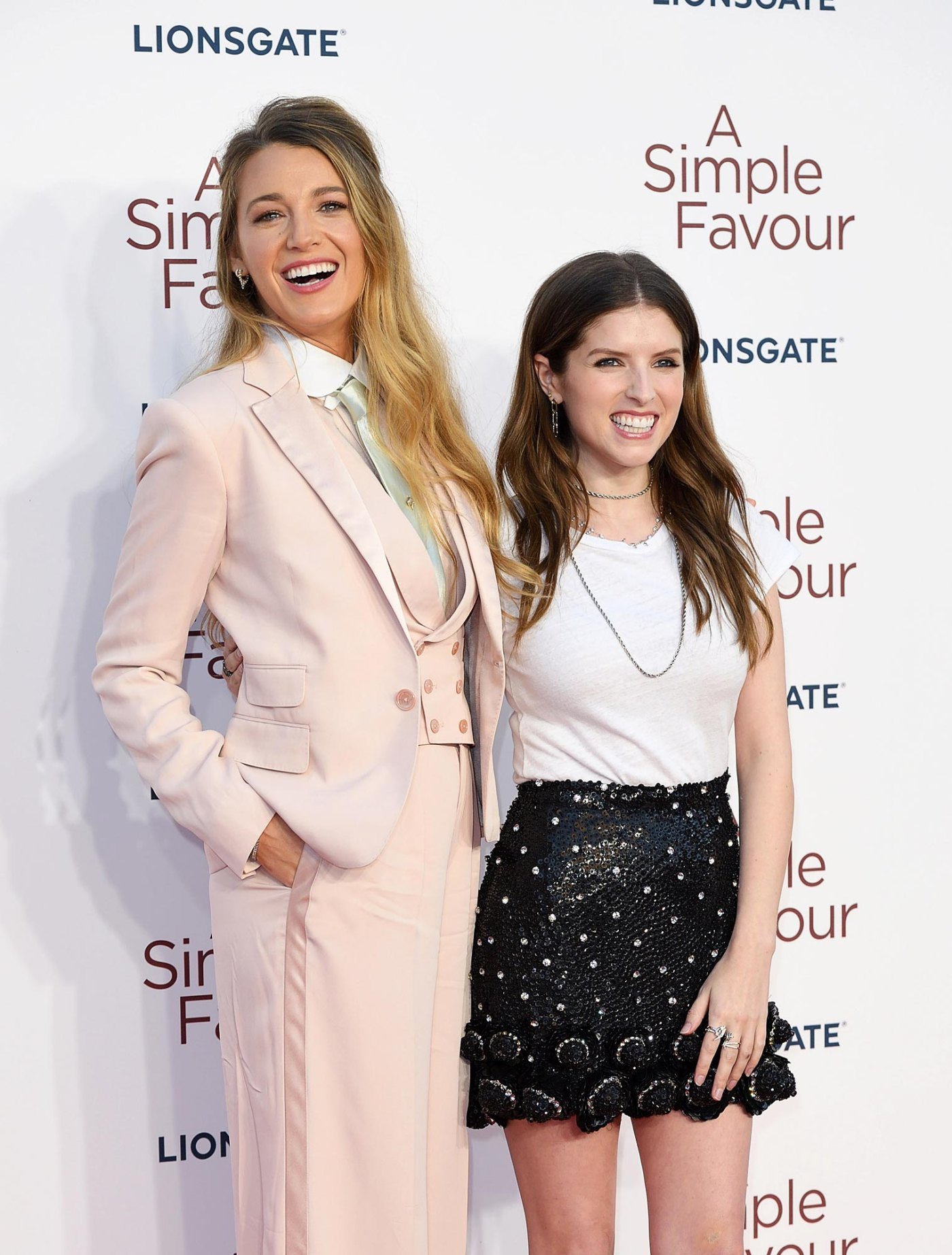
To understand the costume design of the 2026 sequel, one must first recognize the foundation laid by the 2018 film. In the original, the sartorial divide between Stephanie Smothers (Anna Kendrick) and Emily Nelson (Blake Lively) was stark. Stephanie favored approachable, patterned, and slightly "twee" Americana—a suburban uniform of light cardigans and practical skirts. Emily, conversely, occupied the world of high-fashion androgyny: pinstriped suits, silk ties, and wide-leg trousers that commanded authority.
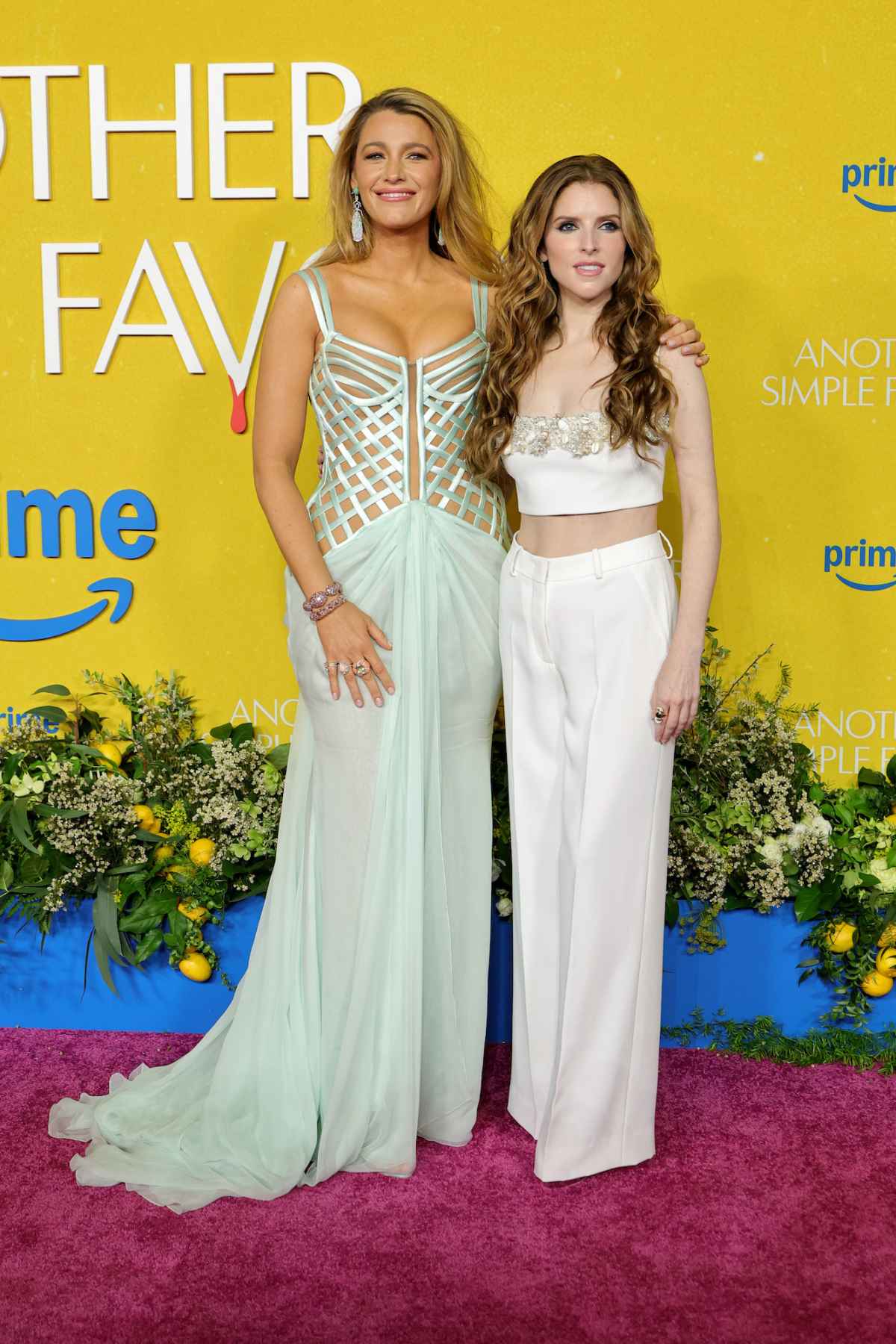
In A Simple Favor 2, the sartorial stakes are raised. As the plot shifts into a new international setting, the "outfits" have transitioned from mere character identifiers to weapons of deception. Stephanie has shed much of her original, softer aesthetic, adopting a more refined, perhaps slightly hardened version of her suburban roots, now mixed with the high-stakes tailoring she previously feared. Emily remains the master of the "power suit," though the textures and color stories have shifted to reflect the chaotic, glamorous, and often dangerous environment of the film’s central mystery.
Key Costume Elements and Designer Influence
The wardrobe of A Simple Favor 2 does not exist in a vacuum; it is heavily influenced by mid-century chic, contemporary European high-fashion, and the specific demands of the film’s primary location. The costumes are not just clothes; they are structural architectural pieces.
- The Power Suit: The centerpiece of the film remains the suit. Throughout the sequel, viewers will notice a departure from traditional charcoal or navy. Instead, the film utilizes structural jackets with exaggerated shoulders and waist-cinching belts, reinforcing the idea that the wearer is constantly guarding their silhouette.
- Monochromatic Schemes: Both protagonists are frequently styled in monochromatic blocks. This choice is deliberate. It flattens the form on screen, creating a sleek, almost cinematic "graphic" appearance that suggests the characters are always "on" or performing for an audience.
- The Accessory as a Plot Point: In both films, accessories are never incidental. Jewelry in A Simple Favor 2 is heavy, vintage-inspired, and often serves as a focal point for the eye during dialogue-heavy scenes. From cufflinks to statement brooches, these items act as subtle indicators of status and wealth, which remain central themes of the franchise.
Comparison Table: Style Evolution
| Feature | Original (2018) | Sequel (2026) |
|---|---|---|
| Primary Palette | Pastels and Stark Neutrals | Jewel Tones and High Contrast |
| Silhouettes | Structured Androgyny vs. Twee | Avant-Garde Tailoring |
| Fabrics | Wool, Cotton, Silk | Velvet, Brocade, Technical Textiles |
| Visual Intent | Character Definition | Deception and Camouflage |
| Key Accessory | The Necktie | The Statement Brooch/Heirloom |
Texture and Lighting: The Technical Side of On-Screen Fashion
From a technical film production perspective, the wardrobe for A Simple Favor 2 had to be optimized for specific lighting environments. Much of the film’s visual language relies on high-contrast scenes. Costume designers prioritized fabrics that hold color under both natural sunlight and the artificial, moody lighting of the film's many interior evening sequences.
The use of "technical luxury"—a term often applied to high-end clothing that balances aesthetic appeal with the practical needs of filming (such as movement, breathability, and wrinkle resistance)—is evident. The tailoring in the sequel is tighter and more precise than in the first film, suggesting a level of control that the characters are attempting to maintain despite the escalating chaos of the plot.
Why the Outfits Matter to the Narrative
The clothing in this franchise is intentionally hyper-real. It serves to alienate the audience just enough to remind them that they are watching a stylized thriller, not a documentary. When a character in A Simple Favor 2 dons a particular outfit, the audience is meant to analyze it for clues. Are they dressing for a funeral? A wedding? A trap?
This "detective fashion" approach forces the audience to treat the outfits as bits of evidence. Because the characters themselves are unreliable, their wardrobe becomes the only consistent truth. If the color of a scarf changes or a lapel width shifts, it is rarely accidental; it is a signal of a shift in the power dynamic between Stephanie and Emily.
Prerequisites for Achieving the "Simple Favor" Look
For fans looking to replicate the aesthetic, it is important to distinguish between "inspired by" and "exact replicas." The garments worn by the leads are often bespoke or straight from European runway collections. However, the logic of the outfit can be achieved through a few key principles:
- Tailoring is Paramount: You cannot achieve the sleek look of these outfits without a tailor. Even a budget-friendly blazer can look like a designer piece if the shoulders and cuffs are perfectly fitted to your frame.
- Color Blocking: Avoid excessive patterns. The characters in the film rely on bold, single colors. If you are wearing a navy suit, commit to the navy from head to toe, perhaps playing with different textures (like silk under wool) to add depth.
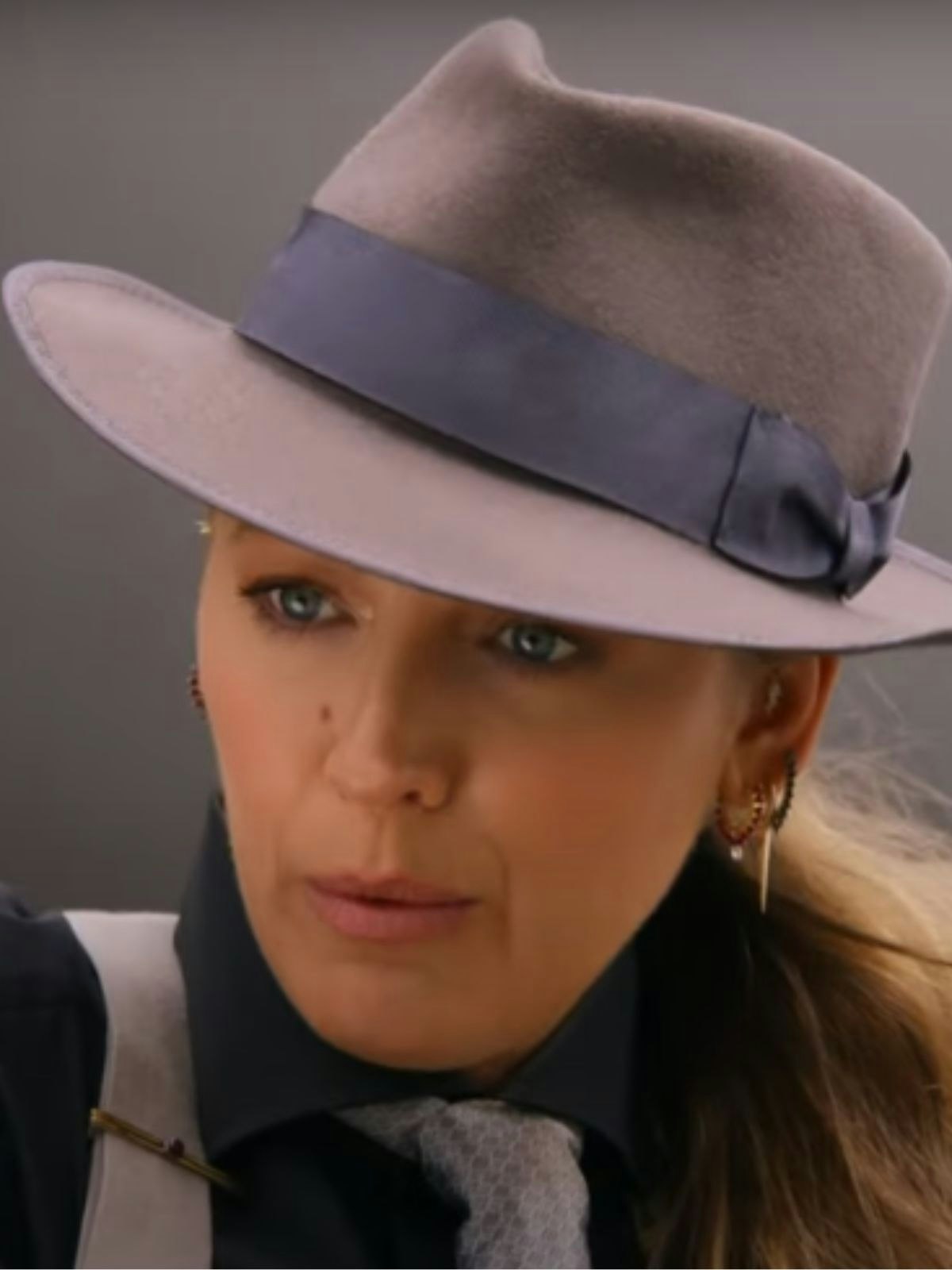
- The "Third Piece" Rule: Every outfit in the film feels complete, usually because of a third piece—a silk scarf, a structured hat, or a pair of leather gloves. The secret is to add an accessory that feels purposeful, not decorative.
Common Misconceptions About the Wardrobe
A common error made by viewers is assuming that the characters’ clothes are meant to reflect their internal moral compass. In reality, the wardrobe is a mask. In A Simple Favor 2, the most "put-together" and impeccably dressed character is often the one currently orchestrating the most dangerous move.
Furthermore, do not assume that expensive-looking clothing implies the character is wealthy. In the context of the film, clothes are often borrowed, stolen, or bought as part of a larger, elaborate persona. The outfits are fundamentally transactional. They are bought to project a specific image, and when the image stops working, the outfit is discarded.
Frequently Asked Questions
1. Where can I find the specific brands used in A Simple Favor 2? While many items are custom-designed for the production, the costume designers often pull from contemporary luxury houses like Ralph Lauren, Max Mara, and archival vintage collections. For accurate identification of specific pieces, fans usually rely on dedicated fashion-tracking databases that categorize film costumes by scene.
2. Is the fashion in the sequel significantly different from the first movie? Yes. While the DNA of the original—the power suit and the classic sharp lines—remains, the sequel incorporates more daring textures and a broader color palette to reflect the film's new setting and the characters' evolution into more complex, darker roles.
3. Does the wardrobe change based on the character's level of duplicity? It does. As characters become more deceitful or cornered, their outfits tend to become more rigid or, conversely, uncharacteristically messy. Watch for small details like loosened ties or mismatched accessories, which often signal when a character’s carefully constructed image is beginning to crumble.
4. Can I reasonably build a wardrobe inspired by the film on a budget? Absolutely. The focus on silhouettes and monochromatic palettes is actually very accessible. You do not need the original designer labels to achieve the "Simple Favor" look; prioritize high-quality, sharp-shouldered blazers and well-tailored trousers from mid-range retailers and invest in local tailoring to ensure the fit mimics the bespoke look of the film.
5. Why are the characters constantly wearing layers in a thriller setting? Layers in film provide depth and visual interest during long dialogue scenes. By using layers—blazers over sweaters, shirts under vests—costume designers keep the audience’s eye moving, which prevents scenes from becoming visually stagnant.
Final Recommendation for Enthusiasts
If you are looking to adopt the A Simple Favor aesthetic, your first step should not be to purchase new clothes, but to curate what you have through the lens of structure and intent. Analyze your own wardrobe to find pieces that offer the strongest, cleanest lines. Take your best-fitting blazer to a professional tailor and instruct them to prioritize the shoulder fit, as this is the "secret" to the sharp look favored by both characters in the film. Once you have a base of tailored neutrals, introduce one "power" accessory—like a high-quality silk tie or a bold, structured brooch—to anchor the look. By shifting your focus from purchasing trends to mastering fit and silhouette, you can capture the essence of the film’s sophisticated, high-tension style.