In the United States, auto insurance is a mandatory requirement for operating a motor vehicle on public roads, though the specific levels of coverage are dictated by individual state laws. While financial responsibility laws vary by jurisdiction, every state except New Hampshire and Virginia mandates that drivers carry at least a minimum amount of liability insurance to protect other motorists and property in the event of an accident.
The Legal Framework of Auto Insurance
The primary reason auto insurance is a legal requirement stems from the concept of financial responsibility. When you operate a motor vehicle, you inherently assume a significant level of risk. If you cause a collision, you are legally and financially liable for the bodily injury and property damage sustained by others. Because the potential costs of these damages can reach into the hundreds of thousands of dollars, states mandate insurance to ensure that victims of accidents are not left without recourse due to a driver’s inability to pay.
In almost every jurisdiction, the state Department of Motor Vehicles (DMV) or equivalent transportation agency monitors compliance. Failure to maintain proof of insurance can lead to severe penalties, including the suspension of your driver’s license, vehicle registration revocation, and significant monetary fines. In some states, the police use electronic verification databases to cross-reference your license plate with current insurance records in real-time, making it nearly impossible to operate a vehicle without active coverage undetected.
Mandatory Minimums Versus Optional Protections
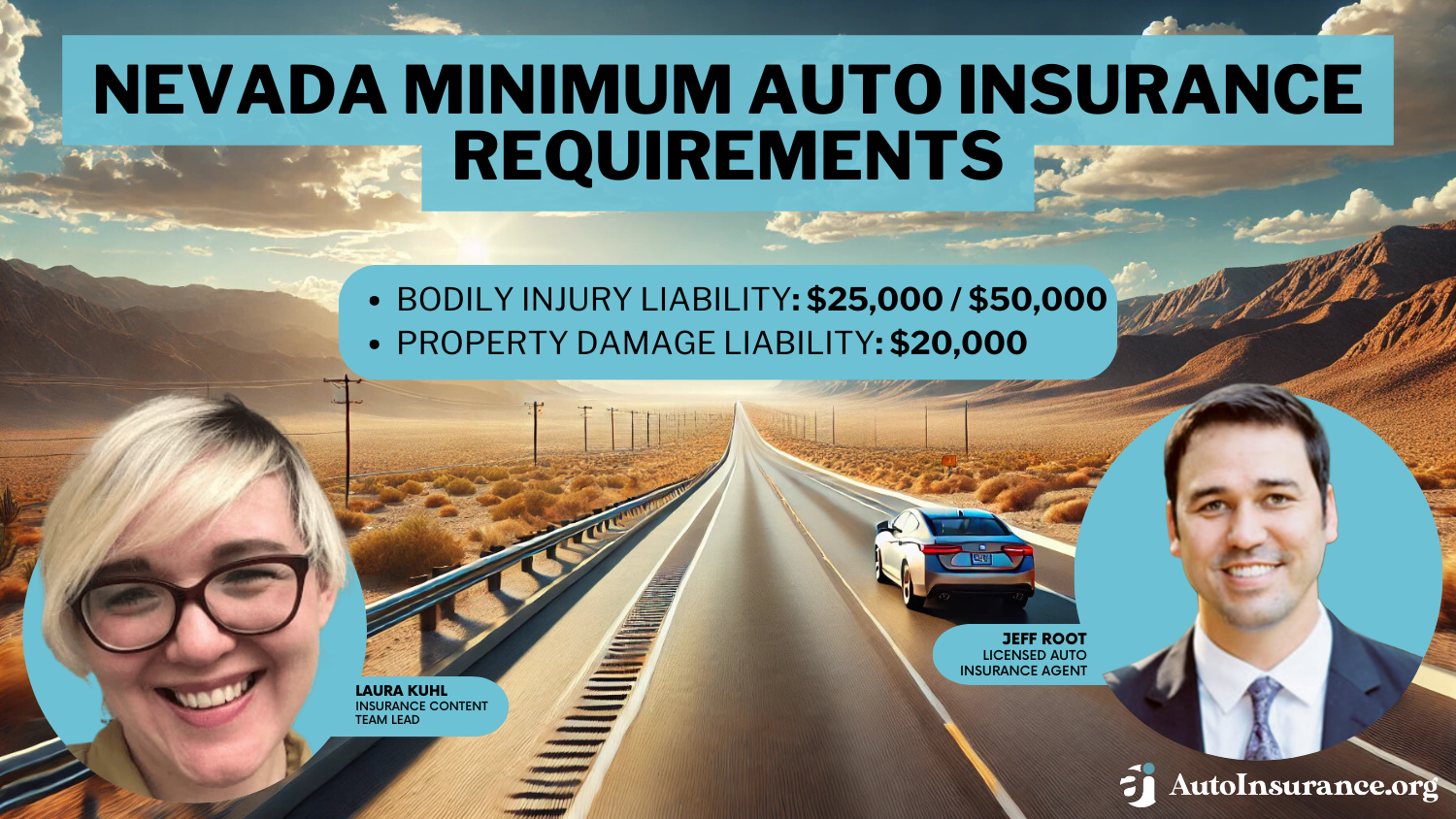
It is a common misconception that having "auto insurance" means having full coverage. In reality, state-mandated minimums are rarely sufficient for the total cost of a serious accident. These state-required policies usually only cover "Liability."
Liability insurance is split into two distinct categories:
- Bodily Injury Liability: This pays for the medical expenses, rehabilitation, and potential loss of income for the other party if you are found at fault in an accident.
- Property Damage Liability: This pays for the repair or replacement costs of the other party’s vehicle, as well as damage to infrastructure like guardrails, light poles, or buildings.
Beyond these two pillars, states may require "Uninsured/Underinsured Motorist Protection" (UM/UIM) or "Personal Injury Protection" (PIP), often referred to as "No-Fault" insurance. These coverages protect you and your passengers regardless of who caused the collision.
The Distinction Between Ownership and Operation
A frequently asked question is whether you are required to have insurance on a car that you own but do not drive. The answer depends heavily on your state’s specific statutes and the status of the vehicle’s registration.
If a vehicle is registered with the state and maintains valid license plates, you are generally required to keep active insurance on it. Even if the car is parked in your garage, the law often views a registered vehicle as a potential hazard. To avoid the insurance requirement, you must typically surrender your license plates to the DMV and officially cancel the vehicle’s registration.
Once a vehicle is officially marked as "non-operational" or "in storage" with the state, you may be permitted to drop liability coverage. However, if you are still making payments on the vehicle, your lender will almost certainly mandate full coverage—including comprehensive and collision—regardless of whether the car is being driven.
Insurance Requirements by Coverage Type
Understanding the difference between state-mandated coverage and lender-mandated coverage is essential for every vehicle owner.
| Coverage Type | Purpose | Mandatory? |
|---|---|---|
| Bodily Injury Liability | Pays for injuries caused to others. | Yes (in almost all states). |
| Property Damage Liability | Pays for damage to others' property. | Yes (in almost all states). |
| Collision Coverage | Repairs your car after an accident. | No (required by lenders). |
| Comprehensive Coverage | Covers theft, fire, or weather damage. | No (required by lenders). |
| Personal Injury Protection (PIP) | Covers your medical bills. | Yes (in No-Fault states). |
The Impact of Loan Agreements
If you have financed or leased your vehicle, the bank or dealership holds a financial interest in the car. Because the vehicle serves as collateral for the loan, the lender has a vested interest in ensuring the asset remains protected. Consequently, loan contracts almost universally require that you maintain "Full Coverage" insurance.
This includes:
- Collision Insurance: Covers damages to your vehicle resulting from an accident, regardless of who is at fault.
- Comprehensive Insurance: Covers "non-collision" events, such as theft, vandalism, fire, natural disasters, and hitting an animal.
If you let your policy lapse on a financed vehicle, the lender will likely purchase "force-placed" insurance on your behalf. This is significantly more expensive than a standard policy you would procure yourself and provides much less protection.
Common Misconceptions About Insurance
Many drivers believe that their auto insurance follows them as a person, regardless of the vehicle they drive. While your liability insurance might provide limited coverage if you occasionally borrow a friend's car, it does not mean you are exempt from the insurance requirement on a car you own.
Another common error is failing to update your insurance when you move to a new state. Insurance laws are tied to the state where the vehicle is primarily garaged. If you move, you must re-register your vehicle and secure a policy that complies with the minimum requirements of your new jurisdiction. Ignoring this can lead to a gap in coverage, which often results in higher premiums when you finally do secure a policy, as insurers view coverage gaps as high-risk behavior.
Handling Lapses and Verification
A lapse in coverage occurs when your policy is canceled for non-payment or non-renewal, and you do not immediately secure a replacement policy. In the era of digital DMV records, even a single day without coverage can trigger an automatic flag in the state system.
If you receive a notice of a lapse in insurance, do not ignore it. The typical process involves:
- Verification: The state asks for proof that the vehicle was either covered or was not being operated.
- Penalty: If you cannot prove coverage, you may be subject to fines, a requirement to pay for "SR-22" or "FR-44" high-risk insurance filings, or a complete suspension of your driving privileges.
- Resolution: You must provide the DMV with a certificate of insurance (Form HO-4 or similar) from your insurer to prove your account is current and compliant.
What to Do if You Are Uncertain
If you are unsure whether your current policy meets the requirements for your state, start by visiting the official website of your state’s Department of Motor Vehicles or the state’s Insurance Commissioner office. These entities provide a detailed list of the "Financial Responsibility" minimums specific to your area.
For those currently shopping for insurance, it is advisable to get quotes that exceed the legal minimums. While state minimums satisfy the law, they are often woefully inadequate in the event of a catastrophic accident, where your personal assets—such as your home or savings—could be seized to pay for damages exceeding your policy limits.
Frequently Asked Questions
Does auto insurance follow the driver or the car? Auto insurance is generally tied to the vehicle. While your liability coverage may extend to other vehicles in some instances, the primary requirement is that every registered vehicle must have its own policy or be listed on an existing policy to comply with state law.
Can I drive without insurance if I have a high-value car? No. Financial status does not grant an exemption from insurance laws. Regardless of your net worth or the value of your vehicle, you must maintain at least the state-mandated liability coverage to drive on public roads.
What happens if I stop driving my car? If you stop driving your car permanently, you should remove the license plates and return them to the DMV to cancel the registration. Once the registration is canceled, you can legally remove the insurance. If you keep the registration active, you must maintain insurance.
Are there any states where insurance is optional? In New Hampshire and Virginia, drivers can technically avoid standard insurance by meeting specific financial requirements. In New Hampshire, you must prove you have sufficient funds to cover potential damages, while Virginia allows for the payment of an "Uninsured Motorist Fee" to the state. However, these exceptions do not absolve you of financial liability if you cause an accident.
What is the penalty for driving without insurance? Penalties vary by state but typically include steep fines, license suspension, registration revocation, and, in some cases, the impounding of your vehicle. Repeat offenders may face jail time or be required to file an SR-22 form for several years, which significantly increases insurance premiums.
Final Recommendation
The most practical step to ensure compliance is to maintain active, continuous insurance coverage on any vehicle that remains registered in your name. If you are experiencing financial difficulty or are considering storing a vehicle, contact your insurance provider to discuss "storage policies" or "suspension of coverage" options that allow you to pause premium payments without triggering a legal lapse in your records. Always verify your state’s specific requirements through your official DMV portal, as individual jurisdictional rules change periodically.