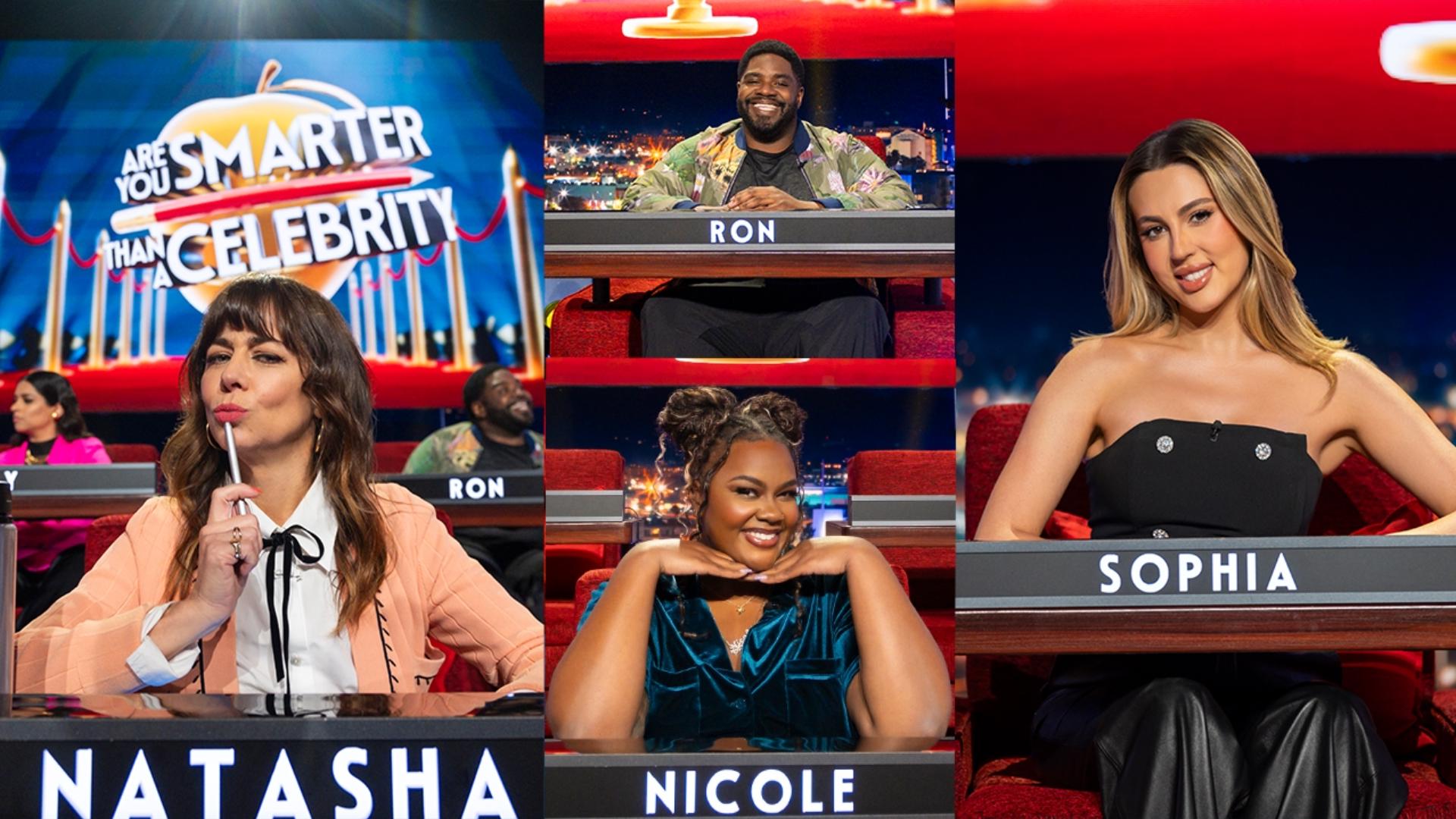
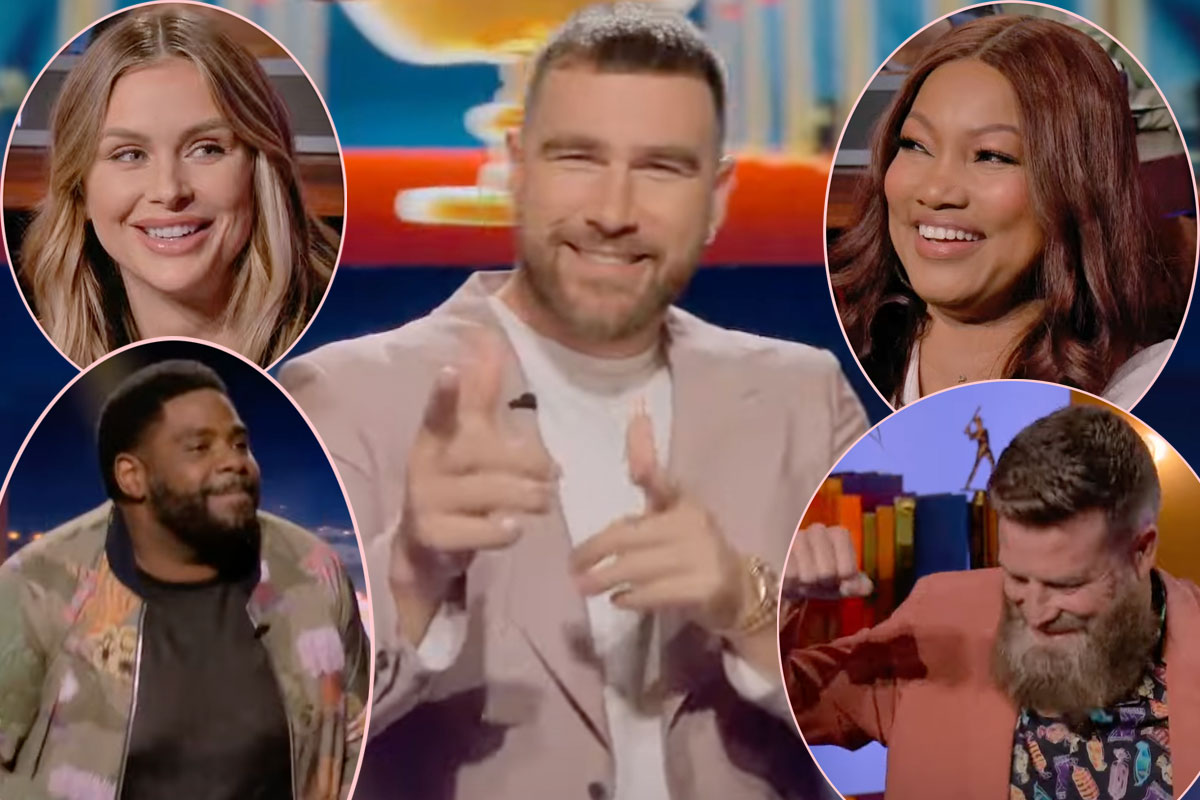
Are You Smarter Than a Celebrity is a televised game show spin-off of the long-running Are You Smarter Than a 5th Grader? franchise, produced for the Prime Video streaming platform. Hosted by Travis Kelce, the series differentiates itself from its predecessor by replacing the class of elementary school children with a rotating panel of celebrities, tasking contestants with answering grade-school-level questions to win a grand prize.
The Evolution of the Franchise
The concept of "Are You Smarter Than a..." game show was established in 2007 with the debut of Are You Smarter Than a 5th Grader? The format relied on the premise that adults—despite their professional and life experience—often struggle to recall basic facts taught in primary education, ranging from geography and history to elementary mathematics and science.
In 2026, the brand remains a significant part of the game show landscape through Are You Smarter Than a Celebrity. While the core mechanics—answering questions from a primary school curriculum—remain consistent, the shift to a celebrity panel alters the social dynamic of the game. Instead of relying on the "cheat" options provided by students, contestants interact with celebrities who may offer both helpful insights and comedic interference, creating a hybrid of traditional trivia and celebrity-focused entertainment.
How the Game Works: Mechanics and Progression
The structure of Are You Smarter Than a Celebrity follows a standardized progression common in high-stakes game shows. A contestant attempts to answer a series of questions, each increasing in difficulty and financial value.
- Selection: A contestant begins by choosing from categories that align with subjects traditionally taught between the first and fifth grades.
- The Celebrity Panel: Unlike the original format where students were permanent fixtures, the panel consists of varying celebrities, including comedians, actors, and athletes.
- The Assistance Phase: The contestant has access to help from the celebrity panel. This is the primary point of differentiation. The player must decide whether to trust the advice provided by a celebrity or rely on their own knowledge.
- The Final Question: To claim the grand prize, contestants typically face a "final" question. If they reach this point, they must commit to an answer without the possibility of "dropping out" to keep their previous winnings, mirroring the "all or nothing" tension of the original series.
Participation and Eligibility
As of 2026, participation in professional game shows like Are You Smarter Than a Celebrity requires meeting specific legal and production criteria. While application windows and casting calls change based on production cycles, the standard requirements include:
- Legal Age: Applicants must generally be at least 18 years old or the age of majority in their jurisdiction.
- Residency: Production companies often restrict casting to residents of the country where the show is produced to comply with tax laws and broadcast regulations.
- Employment Restrictions: Contestants are generally barred from participation if they are current employees, immediate family members, or agents of the production company, the network, or major sponsors.
- Background Checks: To maintain the integrity of the game, producers conduct thorough background investigations to ensure candidates do not have conflicts of interest or undisclosed professional relationships with the show’s personnel.
The Role of Celebrity Influence
The inclusion of celebrities is not merely for promotional value; it serves as a central mechanical pivot for the gameplay. The "help" offered by celebrities is designed to be unpredictable.
In many segments, the celebrity panel is encouraged to engage in debate. Because the celebrities themselves are often removed from the academic environment of elementary school by several decades, their answers can be as prone to error as those of the contestant. This creates a "blind leading the blind" narrative arc that serves as the primary entertainment driver. When a celebrity is confident in a wrong answer, the resulting tension provides the conflict necessary to sustain the viewer's interest through the duration of a standard episode.
Comparison of Game Show Formats
| Feature | Are You Smarter Than a 5th Grader? | Are You Smarter Than a Celebrity |
|---|---|---|
| Primary Panel | Elementary students | Celebrities/Public figures |
| Platform | Broadcast Television (FOX/Syndicated) | Streaming (Prime Video) |
| Host Style | Comedic/Game Show Professional | Athlete/Personality-led |
| Goal | Educational/Nostalgic | Entertainment/Celebrity Interaction |
| Difficulty Level | Primary school (grades 1–5) | Primary school (grades 1–5) |
Strategies for Success
While Are You Smarter Than a Celebrity relies on the unpredictability of trivia and the personality of the guests, contestants who successfully navigate the board often adhere to a few common strategies:
- Recognizing the Academic Baseline: The questions are strictly based on the primary school curriculum. Candidates who perform well are those who review basic facts—such as state capitals, parts of speech, and the order of operations—rather than trying to study advanced trivia.
- Managing Celebrity Input: The most successful contestants treat celebrity advice as an additional data point rather than an absolute truth. Knowing when to trust a specific celebrity—or when to ignore their consensus—is the most critical skill for reaching the final question.
- Risk Assessment: The game often offers "walk-away" points. Smart players evaluate their confidence level against the potential prize money at each stage, identifying the exact moment where the risk of losing exceeds the utility of continuing.
Common Misconceptions
A frequent assumption about the show is that the questions are "easy" because they cover elementary material. However, cognitive psychology suggests that many adults struggle with these questions due to "the forgetting curve." Facts learned in childhood are often overwritten by complex, adult-level professional knowledge. Consequently, simple questions about geography or grammar can become surprisingly difficult under the pressure of studio lights, a live audience, and the financial stakes of the game.
Another common misconception is that the celebrities are coached to be correct. In reality, the show relies on the authenticity of their performance. If a celebrity is unaware of the answer, their genuine struggle is an intentional feature of the show’s design, meant to highlight the difficulty of retrieving long-dormant academic knowledge.
Frequently Asked Questions
Is the show actually testing intelligence? No. The show is primarily an entertainment vehicle that uses the pretense of testing intelligence to create social tension. It is designed to highlight the gap between common, everyday knowledge and academic curriculum, rather than measuring cognitive capacity or IQ.
Can anyone apply to be a contestant? Generally, yes, provided you meet the residency and legal age requirements set by the production team. You must monitor the official casting portals for the network for specific application deadlines and regional requirements.
Are the celebrities playing for their own money? Typically, contestants on the show play for their own winnings. Celebrities are there to act as assistants or sounding boards. Their participation is governed by their specific talent contracts, which are distinct from the prize pool offered to the contestant.
What happens if a contestant disagrees with a celebrity? The game is structured so that the final decision rests solely with the contestant. They are allowed to ignore the celebrity panel’s consensus entirely. The drama of the show often stems from moments where the contestant chooses to go against the advice of the celebrity panel and is proven correct—or incorrect.
Does the show follow a specific curriculum? The show draws its questions from the standard elementary school curriculum. This ensures that the questions have a objective, verifiable factual basis, which is necessary for the game's legitimacy and the prevention of disputes over correct answers.
Next Actions for Fans and Aspiring Contestants
If you are interested in the show, start by identifying the current streaming season availability on Prime Video. For those looking to participate, visit the official casting pages for the production company responsible for the series. Ensure you have your documentation in order, including proof of age and residency, as production timelines for streaming content can be rapid.
If you find yourself shouting answers at the screen while watching, you may want to test your own knowledge using public-domain primary school curriculum workbooks. This is the most accurate way to simulate the environment of the show and determine if your foundational knowledge remains sharp enough for the pressure of the main stage.