A workers compensation cheat sheet serves as a streamlined reference guide for employers and employees to understand the fundamental obligations, rights, and administrative procedures governing workplace injury claims. It outlines the essential steps for reporting incidents, identifying coverage requirements, and managing the documentation necessary to maintain compliance with state-specific regulations as of 2026.
Understanding the Purpose of Workers Compensation
Workers compensation is a state-mandated insurance program designed to provide wage replacement and medical benefits to employees injured in the course of employment. In exchange for these guaranteed benefits, employees generally surrender their right to sue their employer for negligence, a legal concept often referred to as the "exclusive remedy" rule.
For the system to function effectively, both parties must adhere to strict procedural requirements. This cheat sheet simplifies these requirements into actionable steps. Whether you are an employer ensuring your business is shielded from liability or an employee recovering from a job-related injury, understanding the core components of the system is the first step toward a successful resolution.
Essential Components of a Workers Compensation Claim
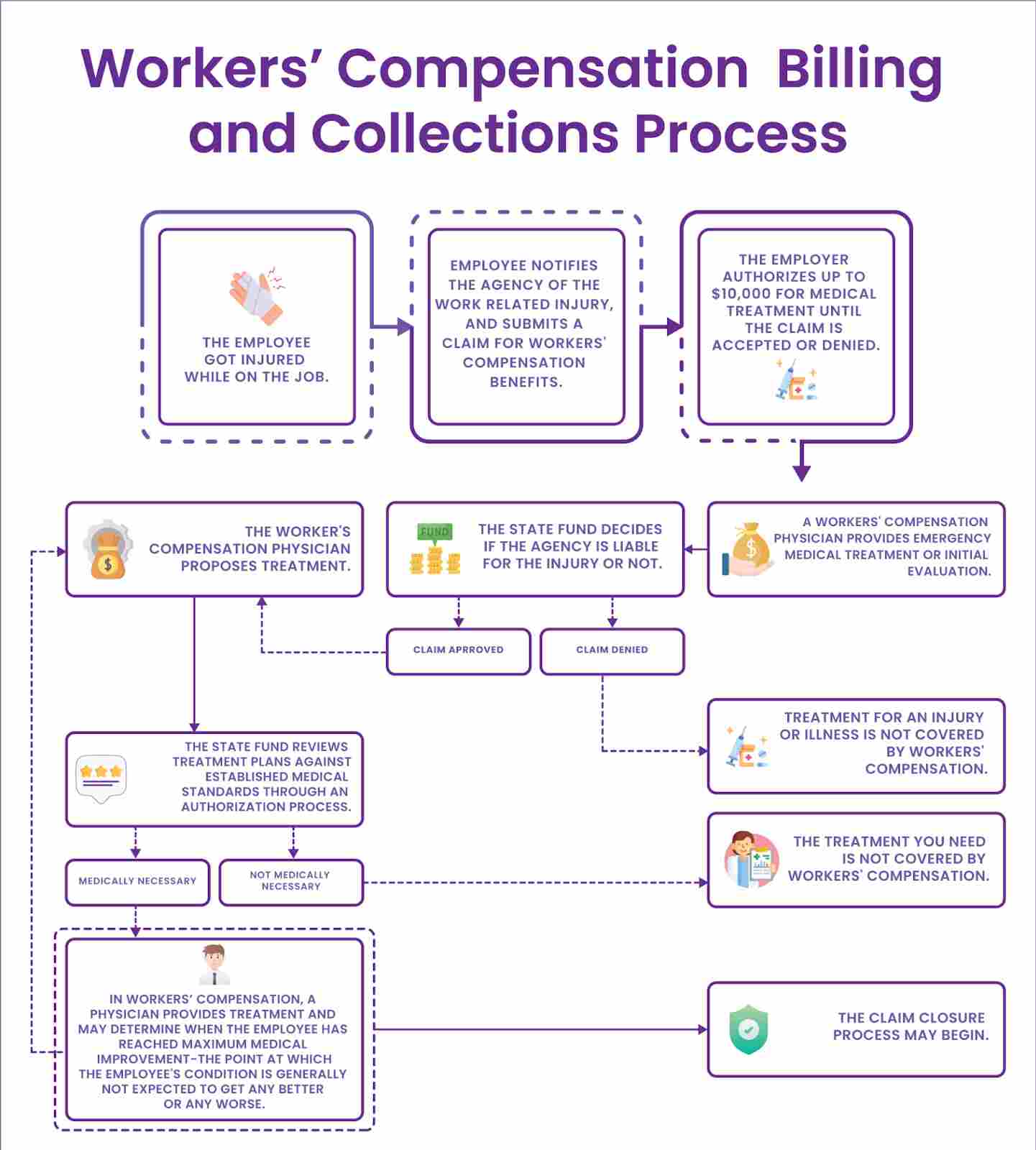
Every workers compensation claim involves a tripartite relationship: the employer, the employee, and the insurance carrier. Regardless of the jurisdiction, the process generally follows a standardized lifecycle that requires precise documentation.
The Employer’s Responsibility
Employers are legally obligated to carry workers compensation insurance or, in some states, provide evidence of self-insurance. Key responsibilities include:
- Maintaining Coverage: Keeping valid, active policies that meet or exceed state-mandated minimums.
- Immediate Reporting: Filing an Employer’s First Report of Injury (FROI) with the insurance carrier and the state regulatory board within the statutory timeframe (often 24 to 48 hours).
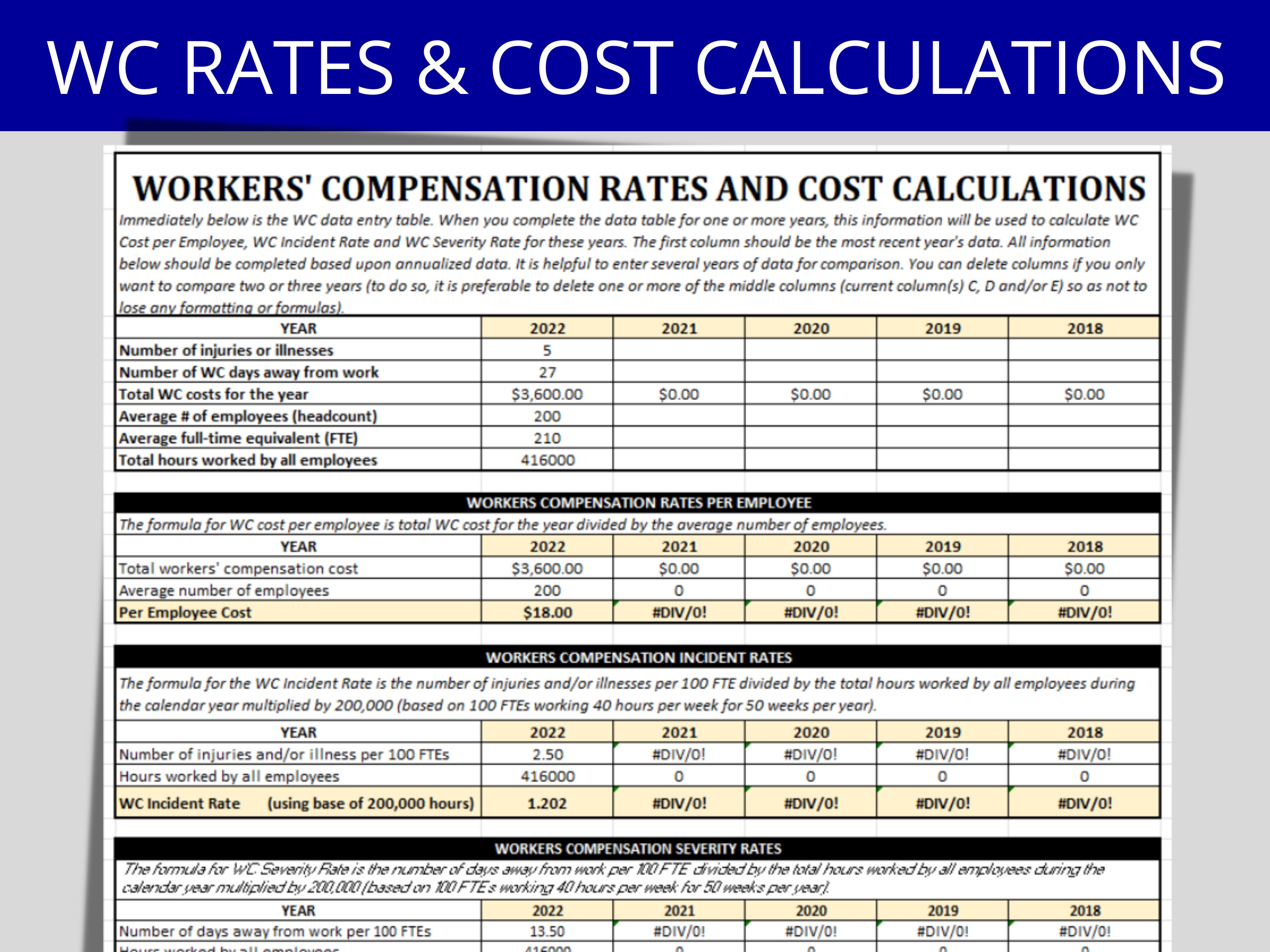
- Documentation: Keeping accurate records of safety training, hours worked, and payroll data, which are used to audit premiums annually.
- Cooperation: Assisting the insurance adjuster in investigating the claim while maintaining the employee’s confidentiality under the Health Insurance Portability and Accountability Act (HIPAA) where applicable.
The Employee’s Responsibility
To maintain eligibility for benefits, the employee must perform specific actions immediately following an injury:
- Timely Notification: Reporting the injury to a supervisor in writing as soon as it occurs. Delays in reporting can jeopardize the claim's validity.
- Seeking Medical Attention: Obtaining authorized medical care. Employers often maintain a list of preferred providers; failing to see an approved physician can lead to denied reimbursement.
- Following Medical Orders: Adhering to the treatment plan, including physical therapy and work restrictions.
- Record Keeping: Maintaining a log of all interactions with medical providers, insurance adjusters, and supervisors.
Procedural Workflow: A Quick Reference Table
The following table summarizes the common stages of a claim to ensure stakeholders understand their requirements at every phase.
| Phase | Employer Action | Employee Action | Expected Outcome |
|---|---|---|---|
| Incident | Secure site, offer aid | Notify supervisor immediately | Documented injury event |
| Medical | Provide preferred provider list | Receive diagnosis & follow plan | Authorized treatment record |
| Reporting | Submit FROI to carrier/state | Verify incident report accuracy | Claim number assignment |
| Recovery | Provide light-duty options | Communicate work limitations | Controlled return to work |
| Resolution | Audit for closure | Finalize permanent disability if any | Claim closure or settlement |
Navigating Statutory Deadlines and Regulatory Compliance
One of the most critical elements of workers compensation is the statute of limitations. Every state has specific, non-negotiable deadlines for filing a claim. If an employee waits too long to report an injury or file a formal claim, they may permanently waive their right to benefits.
As of 2026, most jurisdictions require notice of injury to be provided within 30 days, though some states offer longer periods for cumulative trauma injuries, such as carpal tunnel syndrome or back pain that develops over years. Employers must ensure that their workplace notices—often posted in breakrooms or employee portals—are up to date and clearly visible, as failing to display required labor posters can toll (extend) the statute of limitations in some jurisdictions.
Managing the Claims Lifecycle and Disputes
Not all claims proceed smoothly. Disputes typically arise regarding the extent of the disability, the work-relatedness of the injury, or the adequacy of the medical treatment.
Common Areas of Friction
- Work-Relatedness Disputes: If an injury occurs off-premises or during a commute, the carrier may investigate whether the activity was within the "scope of employment."
- Independent Medical Examinations (IME): Insurance carriers may require an employee to undergo an IME to verify the physician’s diagnosis. Employees must be aware that an IME physician is hired by the insurance company and may not have the same objective stance as a treating physician.
- Return to Work: Employers should attempt to provide "modified duty" or "transitional duty" whenever possible. This helps maintain the employee's connection to the workforce and often reduces the duration of temporary disability payments.
Troubleshooting Claim Denials
If a claim is denied, the claimant has the right to appeal. This process usually involves a hearing before a state workers compensation board or an administrative law judge. It is essential to compile all medical records, correspondence with the supervisor, and witness statements at this stage. Seeking legal counsel specializing in local workers compensation law is highly advisable if a dispute escalates to a formal hearing.
Preventing Fraud and Maintaining Integrity
Both employers and employees have an interest in preventing fraud. For employers, this means ensuring that premium audits are accurate and that reported payroll is legitimate. For employees, this involves transparency regarding pre-existing conditions.
Misrepresenting facts, such as failing to disclose a prior injury to the back or neck, can result in the denial of a claim and, in extreme cases, criminal charges for insurance fraud. Documentation serves as the primary defense against allegations of misconduct. If a workplace injury occurs, the contemporaneous notes taken by both parties provide the most reliable evidence during an investigation.
Practical Guidance for Employers: Managing Costs
Workers compensation premiums are calculated based on the employer's "experience modification rate" (EMR). This factor, which is determined by a rating bureau (such as the NCCI in many states), compares an employer’s loss history against the average for their industry.
- Safety Culture: Investing in ergonomic equipment and robust safety training yields lower long-term premiums.
- Return-to-Work Programs: Employers that actively place injured workers in temporary, light-duty roles see significantly lower claims costs because they minimize temporary disability indemnity payments.
- Documentation Rigor: Ensuring that every accident is investigated—regardless of how minor it appears—helps prevent "late-reported" claims that can unexpectedly impact the EMR years later.
Frequently Asked Questions
1. Does workers compensation cover injuries sustained while working from home?
Yes, if the injury occurs while performing job-related duties. However, the burden of proof is higher for remote employees. Documentation proving that the injury happened during business hours while actively engaged in tasks for the employer is essential to substantiate the claim.
2. Can I be fired for filing a workers compensation claim?
Most states have strict "anti-retaliation" laws that make it illegal to terminate an employee specifically for filing a legitimate workers compensation claim. However, an employer may still terminate an employee for other valid, non-discriminatory reasons, such as a company-wide layoff or unrelated performance issues.
3. What is the difference between temporary and permanent disability?
Temporary disability benefits provide income replacement while an employee is recovering from an injury and unable to perform their job duties. Permanent disability is awarded if the injury results in a lasting impairment that prevents the employee from performing their job tasks at the same capacity as before the injury, even after reaching "Maximum Medical Improvement" (MMI).
4. What should I do if my employer refuses to report my injury?
If an employer refuses to acknowledge an injury, the employee should contact their state’s workers compensation board directly. Most states have a dedicated division that allows employees to file a claim independent of their employer’s cooperation.
5. Who pays for the medical treatment in a workers compensation case?
The employer’s workers compensation insurance carrier is responsible for all "reasonable and necessary" medical expenses related to the work injury. The employee should never be billed directly for authorized care; if they receive a bill, it should be forwarded immediately to the insurance adjuster.
Final Recommendations for Stakeholders
For employers, the most effective strategy is proactive risk mitigation. Establish a clear written safety policy, mandate immediate reporting for all incidents, and foster a culture where employees feel supported in returning to the workplace.
For employees, the best approach is to be diligent and organized. Keep a comprehensive file of all medical reports, dates, and communication with your employer. If you encounter difficulty or feel your rights are being compromised, consult the official website of your state’s department of labor or workers compensation commission, as they offer impartial resources and forms necessary to protect your interests.
Disclaimer: This information is for educational purposes only and does not constitute legal or financial advice. Workers compensation laws vary significantly by jurisdiction and individual circumstances. Consult with a qualified legal professional or your state's official labor board for guidance specific to your situation.