A metastatic breast cancer network is a specialized ecosystem of healthcare providers, advocacy organizations, and peer support groups dedicated to patients living with Stage IV breast cancer. These networks facilitate access to advanced clinical trials, provide evidence-based education on emerging therapies, offer financial and legal guidance, and foster community connections to improve the quality of life for those managing a terminal yet increasingly treatable diagnosis.
The Essential Role of a Metastatic Breast Cancer Network
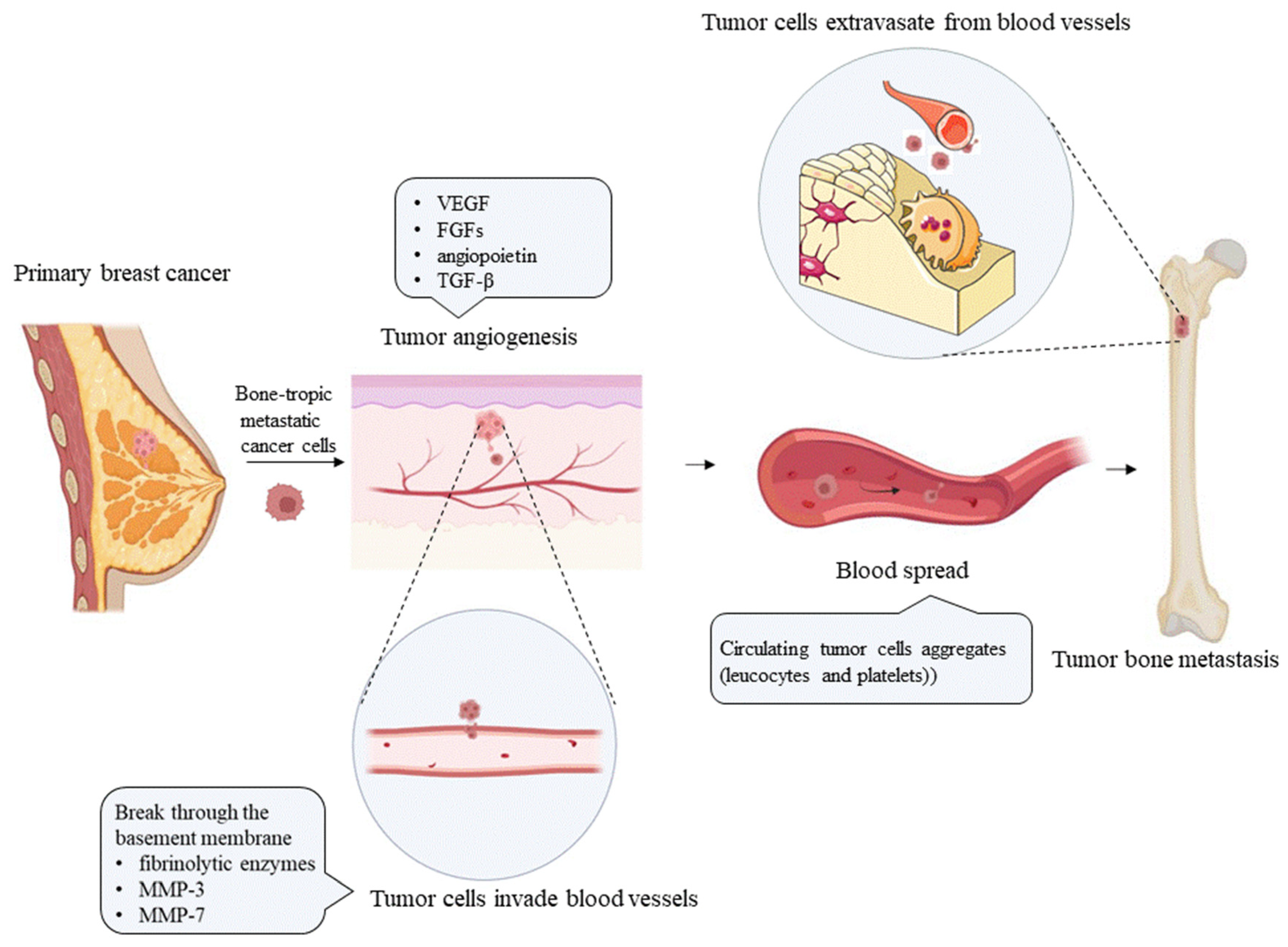
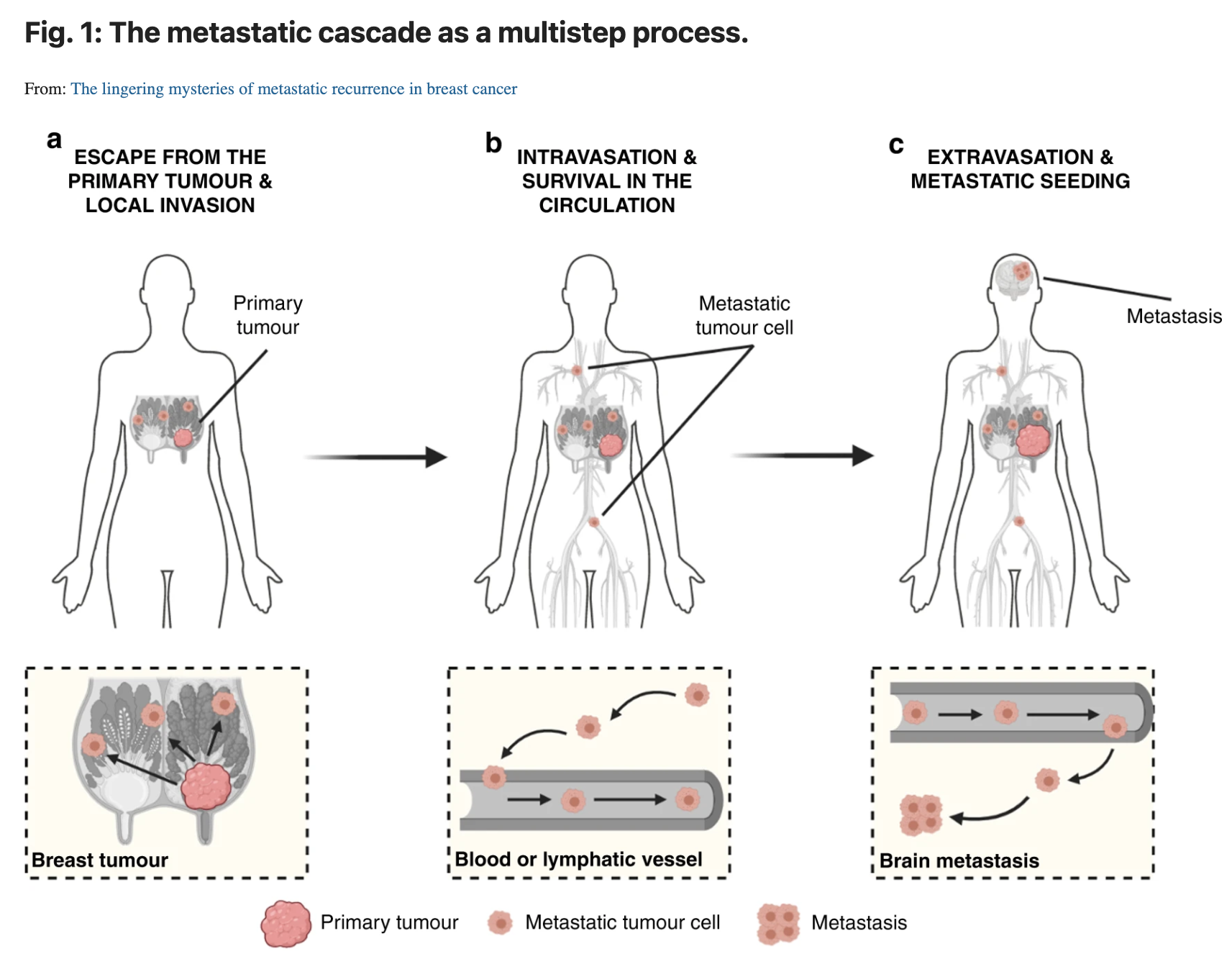
Metastatic breast cancer (MBC), also known as Stage IV or advanced breast cancer, occurs when cancer cells spread from the breast to other parts of the body, such as the bones, liver, lungs, or brain. Unlike early-stage breast cancer, which focuses on curative intent, MBC is managed as a chronic condition with the goals of prolonging life and maintaining the highest possible quality of life.
A metastatic breast cancer network serves as the vital infrastructure for this population. In 2026, the landscape of MBC care has shifted dramatically toward precision medicine, necessitating networks that can connect patients with highly specific genomic testing and targeted therapies. These networks are not monolithic; they are composed of non-profit organizations, academic research institutions, and patient-led advocacy groups that work in tandem to address the "pink ribbon gap." For years, much of breast cancer advocacy focused on early detection and "cures," often leaving those with metastatic disease feeling marginalized. Modern networks have corrected this by prioritizing research specifically for advanced disease and creating spaces where the unique challenges of MBC—such as the psychological weight of lifelong treatment—are the primary focus.
The Evolution of MBC Advocacy and Support Systems
The concept of a dedicated metastatic breast cancer network gained significant traction with the founding of organizations like the Metastatic Breast Cancer Network (MBCN) and the Metastatic Breast Cancer Alliance. Historically, MBCN was a patient-led advocacy group that focused on the unique needs of those already diagnosed with Stage IV disease. Their influence paved the way for the current 2026 model, where networks are characterized by several core pillars:
Advocacy and Policy Influence
Networks act as a collective voice to influence federal and private research funding. By 2026, the emphasis has moved toward ensuring that a higher percentage of the billions of dollars raised for breast cancer is allocated specifically to metastatic research rather than just prevention and early detection. This includes advocating for policy changes that expedite the FDA approval process for "breakthrough" therapies and ensuring insurance mandates cover comprehensive biomarker testing at the time of recurrence.
Information and Education
In a rapidly evolving medical field, patients must have access to translated science. Networks provide vetted information regarding the latest Antibody-Drug Conjugates (ADCs), PARP inhibitors, and immunotherapy combinations. They often employ oncology nurses or patient navigators to help individuals understand their pathology reports and the implications of specific mutations like PIK3CA, ESR1, or HER2-low status.
Community and Peer Connection
Living with MBC can be isolating. Peer-led networks offer a "shared experience" that clinical teams cannot provide. In 2026, these connections are facilitated through a blend of local in-person support chapters and sophisticated digital platforms that use AI-driven matching to connect patients with similar diagnoses, treatment lines, and demographics.
Clinical and Research Networks: Navigating Treatment in 2026
Beyond emotional support, the clinical component of a metastatic breast cancer network is what drives survival rates. These networks often center around NCI-Designated Cancer Centers and collaborative research groups like the Translational Breast Cancer Research Consortium (TBCRC).
Access to Clinical Trials
Clinical trials are often the "gold standard" of care for MBC patients who have exhausted first- or second-line standard therapies. A robust network provides a searchable database—often more user-friendly than the federal ClinicalTrials.gov—allowing patients to find trials based on their specific genetic profile and geographic location. In 2026, many networks also facilitate "decentralized trials," where some monitoring is done locally to reduce the travel burden on the patient.
Multidisciplinary Care Teams
A clinical network ensures that a patient isn’t just seeing a medical oncologist. The network model encourages a "whole-person" approach involving:
- Palliative Care Specialists: Focusing on symptom management and pain relief from the point of diagnosis.
- Radiation Oncologists: Managing "oligometastatic" disease where limited spread can be treated with targeted radiation.
- Surgical Oncologists: Addressing specific complications or conducting biopsies for genomic sequencing.
- Integrative Medicine Experts: Providing evidence-based complementary therapies like acupuncture or nutrition counseling.
Comparing Types of Metastatic Breast Cancer Networks
When seeking a network, it is important to understand the primary function of each entity. The following table compares the different types of networks available to patients in 2026.
| Network Type | Primary Focus | Key Services | Best For |
|---|---|---|---|
| Advocacy/Information | Patient education and policy | Webinars, fact sheets, legislative lobbying | Newly diagnosed patients seeking to understand the landscape. |
| Clinical/Research | Treatment and clinical trials | Genomic testing, trial matching, second opinions | Patients looking for the newest therapeutic options. |
| Peer Support | Emotional and social connection | Support groups, 1-on-1 mentoring, retreats | Those feeling isolated or needing practical "day-to-day" advice. |
| Financial/Legal | Resource navigation | Co-pay assistance, disability insurance, legal aid | Families facing the high costs of long-term cancer care. |
Financial and Legal Navigation within the Network
The "financial toxicity" of cancer is a major concern in 2026, even with advancements in insurance coverage. Metastatic breast cancer networks provide critical resources to help patients navigate the economic impact of a permanent diagnosis.
Insurance and Social Security Disability
Most patients with a metastatic diagnosis are eligible for expedited Social Security Disability Insurance (SSDI) through the Compassionate Allowances program. A well-integrated network provides social workers and legal experts who specialize in these filings, ensuring that patients receive their benefits without the standard multi-month waiting periods.
Co-pay Assistance and Drug Access
With some modern therapies costing upwards of $20,000 per month, networks maintain updated registries of pharmaceutical company patient assistance programs (PAPs) and non-profit foundations that offer co-pay relief. They help patients apply for "charity care" or navigate the complexities of Medicare Part D in the 2026 regulatory environment.
Workplace Rights and Legal Aid
Networks often partner with organizations like the Triage Cancer or Cancer and Careers to provide legal seminars on the Americans with Disabilities Act (ADA). These resources help patients understand their rights regarding reasonable accommodations, medical leave, and protection against workplace discrimination.
Technological Advancements in 2026 MBC Networks
Technology has transformed how metastatic breast cancer networks operate. In 2026, we see several key innovations:
- AI-Enhanced Navigation: AI tools analyze a patient's medical records (with permission) to suggest specific networks or clinical trials that have the highest statistical probability of success for their specific subtype (e.g., Triple Negative, ER+, HER2+).
- Remote Monitoring Networks: Wearable technology integrated into the care network allows clinical teams to monitor vital signs and side effects in real-time. If a patient’s oxygen levels drop or heart rate spikes—common side effects of certain targeted therapies—the network alerts the medical team immediately.
- Virtual Reality (VR) Support Groups: For those too ill to travel, VR environments provide a sense of physical presence in support groups, helping to combat the deep isolation sometimes associated with the disease.
- Liquid Biopsy Tracking: Networks facilitate access to regular liquid biopsies (blood tests that detect circulating tumor DNA), allowing for "real-time" monitoring of whether a treatment is working or if the cancer has developed new mutations requiring a change in the drug regimen.
How to Verify and Join a Reliable MBC Network
With the proliferation of online information, patients must be discerning about the networks they join. To verify the credibility of a metastatic breast cancer network, consider the following steps:
- Check the Medical Advisory Board: A reputable network should have a board consisting of board-certified oncologists and researchers from recognized institutions.
- Evaluate Transparency: For non-profits, review their annual reports or "Form 990" on sites like Charity Navigator to ensure funds are being used for patient services and research.
- Look for Specificity: Ensure the network has dedicated sections for metastatic disease. A general "breast cancer" site that spends 90% of its content on mammograms and early detection may not have the depth of resources required for Stage IV needs.
- Assess Privacy Standards: In 2026, data privacy is paramount. Ensure the network follows HIPAA-compliant protocols for any personal health information shared on their platforms.
To join, most networks require a simple registration. Some peer-to-peer mentoring programs may require a brief medical history to ensure they match you with a "peer-match" who has a similar diagnosis.
FAQs About Metastatic Breast Cancer Networks
What is the difference between a general breast cancer network and an MBC network?
A general breast cancer network often focuses on the entire spectrum of the disease, with a heavy emphasis on screening, early detection, and the "survivorship" model of finishing treatment. An MBC network focuses exclusively on Stage IV, where treatment is permanent and the focus is on management and research for advanced disease.
Are there costs associated with joining these networks?
Most non-profit advocacy and peer support networks are free to patients and caregivers. Clinical networks, which involve medical consultations or second opinions, are typically billed through insurance, though many offer financial assistance programs.
Can I belong to more than one network?
Yes. Many patients use a national clinical network for trial matching (like the MBC Alliance), a local network for in-person support, and a specialized financial network for co-pay assistance.
How do I find a network for my specific subtype (e.g., Triple Negative)?
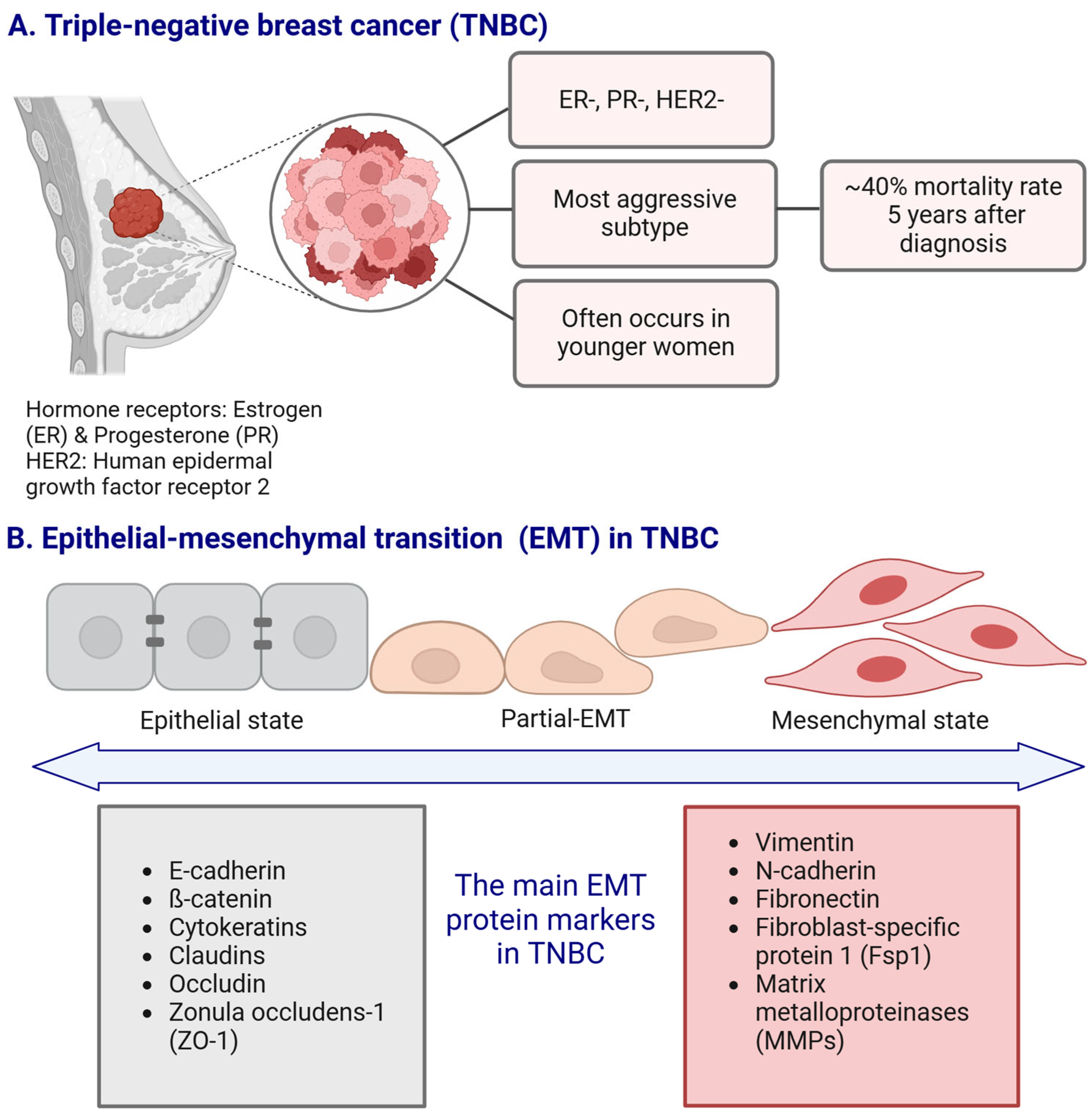
Many large metastatic networks have subgroups or "communities of practice" specifically for Triple Negative Breast Cancer (TNBC), HER2+, or Inflammatory Breast Cancer (IBC). When searching, use these specific terms to find the most relevant peer group.
Do these networks support caregivers and family members?
Most comprehensive networks offer specific "caregiver tracks," including psychological support, bereavement counseling, and practical training on how to manage at-home medical needs and treatment side effects.
How can a network help me if my current treatment stops working?
Networks provide access to "tumor boards" or second-opinion services where experts review your latest genomic sequencing to identify the next line of treatment or a relevant clinical trial that your local oncologist might not be aware of.
Next Steps for Patients and Families
If you or a loved one has recently been diagnosed with metastatic breast cancer, your first step should be to connect with a reputable advocacy organization to ground yourself in current, evidence-based information. Organizations such as Living Beyond Breast Cancer (LBBC), SHARE Cancer Support, and the Metastatic Breast Cancer Alliance offer comprehensive "newly diagnosed" kits.
Following this, consult with your medical team about your eligibility for a clinical network that offers genomic profiling. In 2026, knowing your tumor's "molecular signature" is the most important factor in determining which targeted therapies will be most effective. Finally, do not underestimate the power of a peer network; connecting with others who are successfully "thriving with MBC" can provide the emotional resilience necessary for the journey ahead.
Medical Disclaimer: This article is for informational purposes only and does not constitute medical advice. Always seek the advice of your physician or other qualified health provider with any questions regarding a medical condition or treatment options.