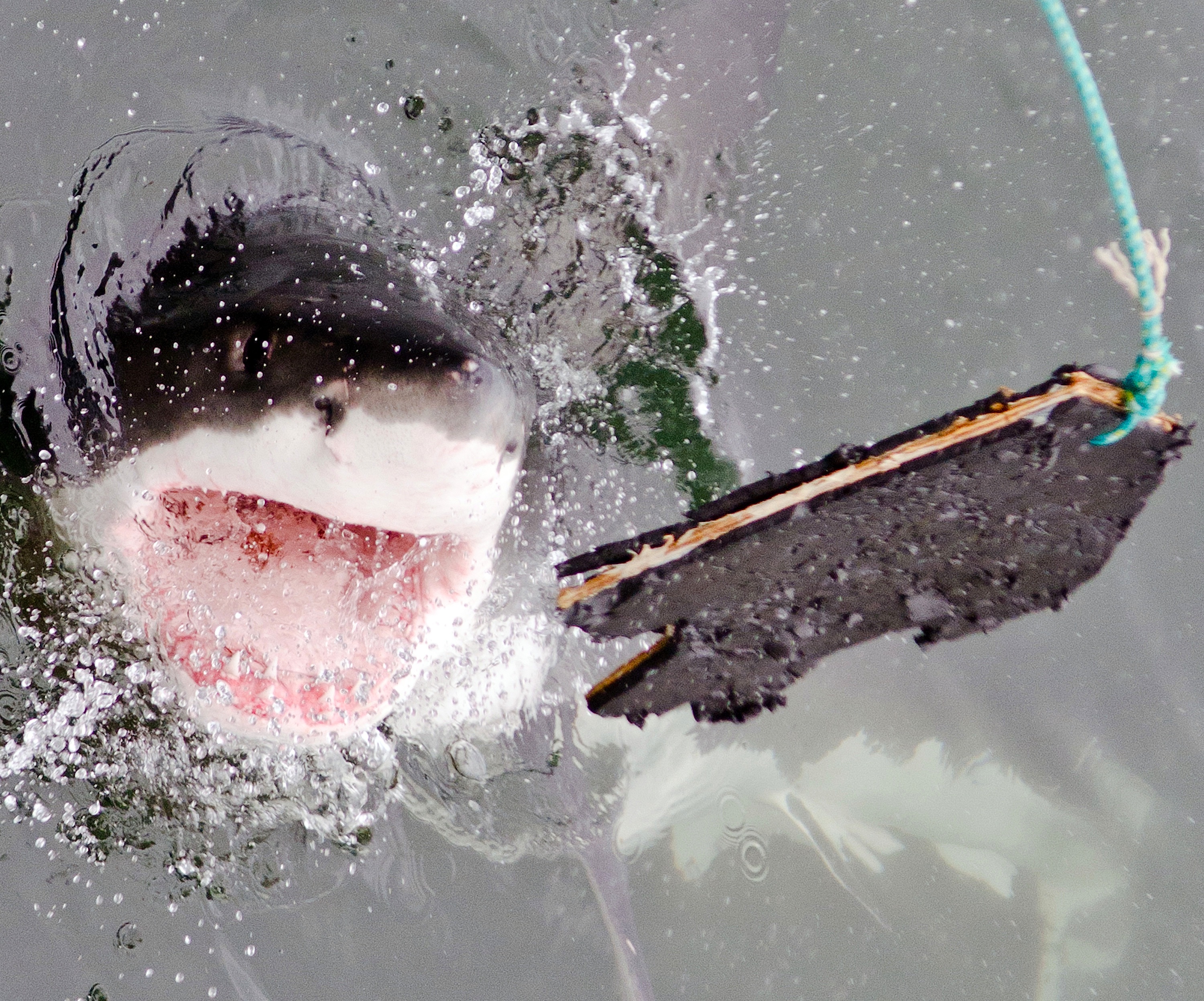
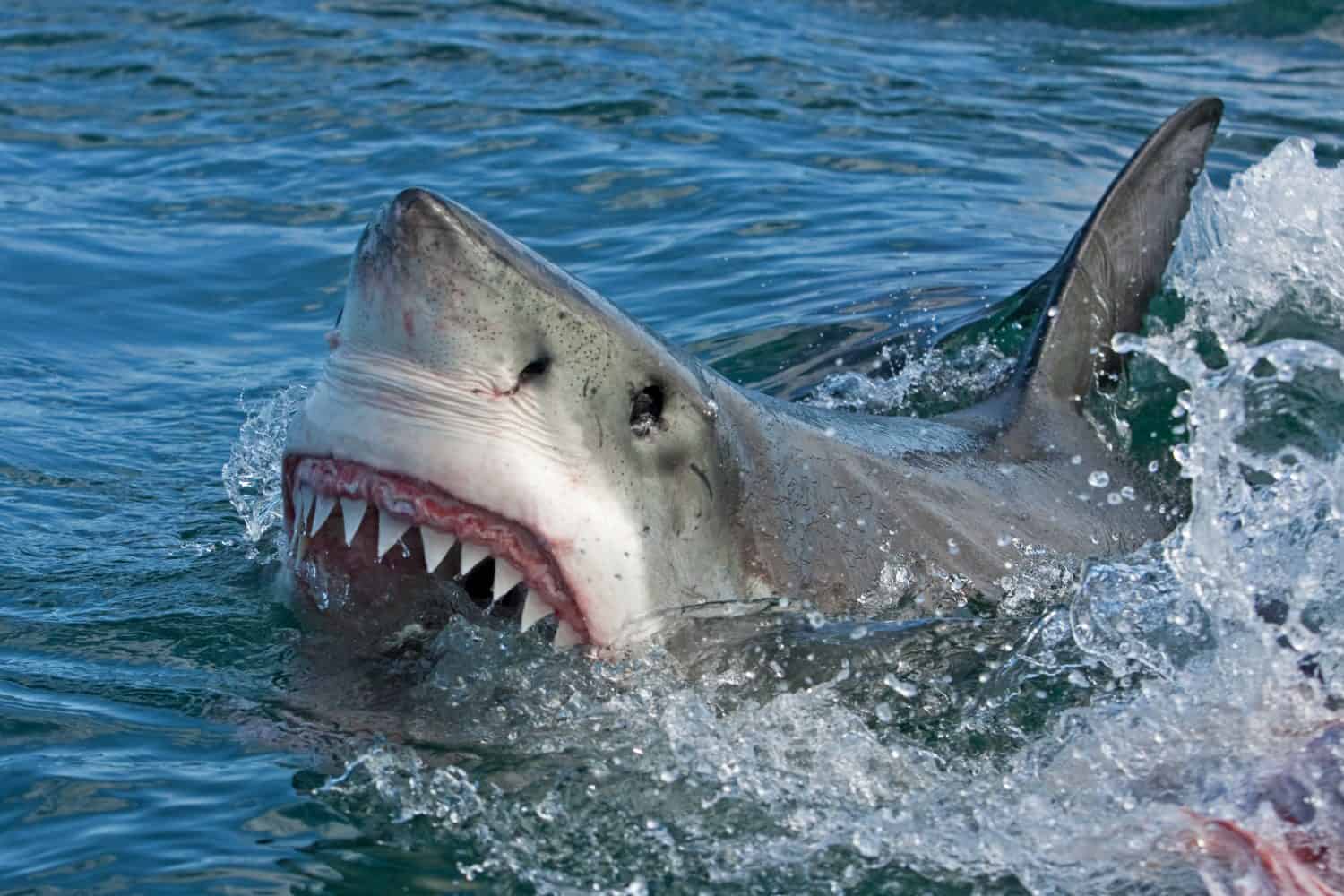
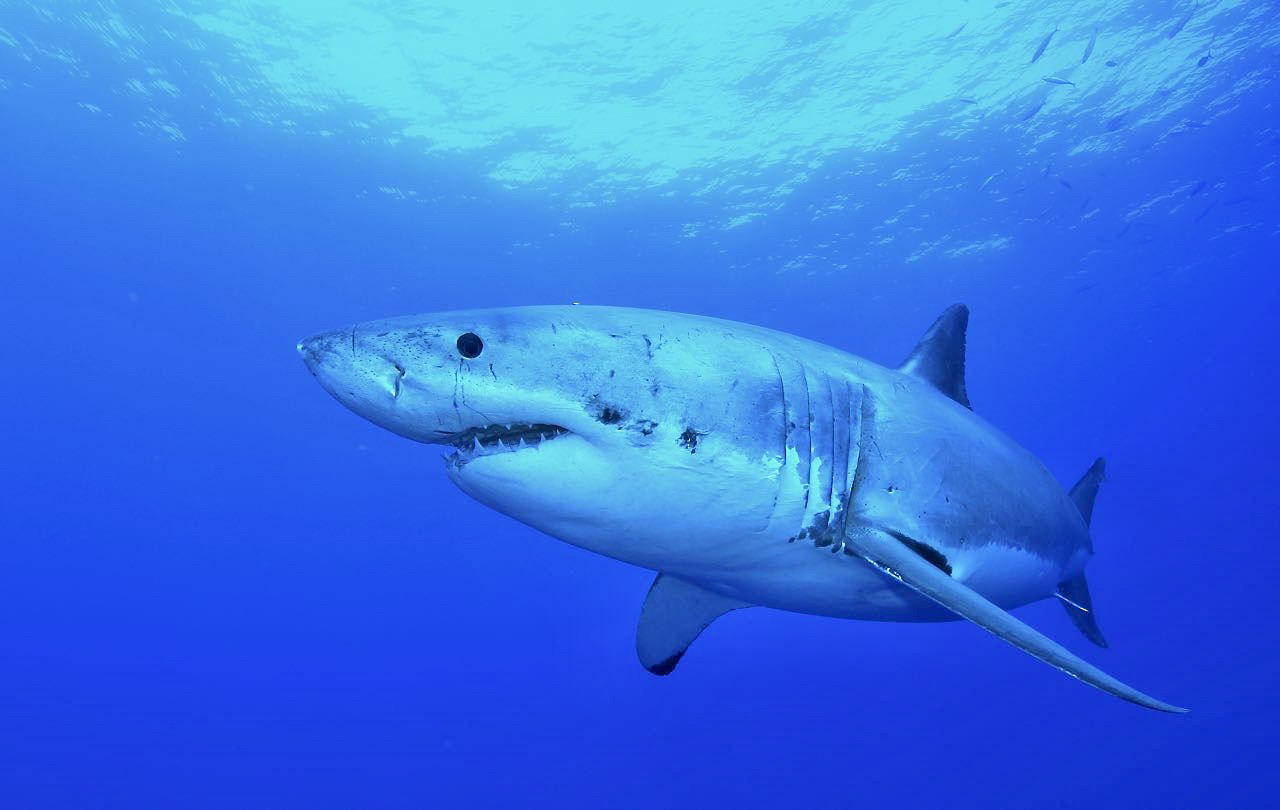
The Great White Shark (Carcharodon carcharias) is currently classified as Vulnerable globally by the International Union for Conservation of Nature (IUCN). While not yet listed as "Endangered" on a global scale, several regional populations, such as those in the Mediterranean, are considered Critically Endangered and face an immediate risk of extinction.
Understanding the Current Status of Great White Sharks
As of 2026, the question of whether Great White Sharks are endangered requires a nuanced look at both global assessments and regional realities. In the vocabulary of conservation biology, the term "endangered" has a specific definition: it refers to a species that is at a very high risk of extinction in the wild. The Great White Shark is currently positioned in the Vulnerable category, which is one step above Endangered. This means that while they are not yet facing an imminent total collapse across the entire planet, they face high risks of extinction in the medium-term future if current threats are not mitigated.
The global population of Great White Sharks is difficult to estimate with absolute precision due to their migratory nature and the vastness of their pelagic habitat. However, marine biologists generally agree that their numbers have seen a significant decline over the last century. In some regions, the decline has exceeded 70% to 80% over three generations. The 2026 data suggests a "tale of two oceans," where some populations are showing signs of stabilization or slow recovery due to stringent protections, while others continue to spiral toward regional disappearance.
Global vs. Regional Designations
The global "Vulnerable" status often masks the dire situation in specific corridors. Conservationists use regional assessments to target local policy more effectively.
- The Mediterranean Population: This is perhaps the most at-risk group of Great White Sharks. They are classified as Critically Endangered regionally. Sightings are now incredibly rare, and the population suffers from heavy historic overfishing and contemporary bycatch in the tuna and swordfish industries.
- The Northwest Atlantic: This population has shown encouraging signs of recovery. Following the implementation of the Atlantic Tunas Convention Act and other US federal protections, the return of seals—their primary prey—to the New England coast has supported a resurgence in shark numbers.
- The Northeast Pacific: Stretching from California down to Guadalupe Island, this population is considered relatively stable but small. It remains under close watch due to the high levels of human-shark interaction in coastal nurseries.
Biological Constraints on Population Recovery
To understand why Great White Sharks remain so close to the "Endangered" threshold, one must examine their unique biology. Unlike many smaller fish species that can produce thousands of offspring annually, Great Whites are K-strategists. This means they grow slowly, mature late, and have very few offspring.
Late Maturity and Long Gestation
One of the greatest hurdles to Great White Shark conservation is the age at which they become capable of reproducing. Recent research confirmed that males may not reach sexual maturity until they are approximately 26 years old, while females may not be ready to reproduce until they are 33. Given that their lifespan is estimated to be around 70 years, they spend nearly half of their lives unable to contribute to the population count.
Once a female reaches maturity, the reproductive cycle is equally slow. The gestation period for a Great White is estimated to be between 12 and 18 months. They practice oophagy, where the strongest embryos eat unfertilized eggs in the womb. When the mother finally gives birth, she produces a small litter, often between 2 and 14 pups. Following birth, females may take a "rest year" or longer before breeding again, meaning a single female might only contribute a handful of successful offspring to the ocean over the course of a decade.
Primary Threats Facing Great Whites in 2026
Despite increased awareness and international protections, several anthropogenic (human-caused) factors continue to suppress Great White Shark populations.
Commercial Bycatch and "Ghost" Fishing
The single largest threat to Great Whites is not intentional hunting, but bycatch. Bycatch occurs when sharks are accidentally caught in commercial fishing gear intended for other species, such as tuna or swordfish. Longlines, which can stretch for miles with thousands of baited hooks, and gillnets are particularly lethal. Even if a shark is released after being caught, the physiological stress of the struggle (capture stress) can lead to post-release mortality.
"Ghost fishing" refers to abandoned or lost fishing gear that continues to drift through the ocean, entangling and killing marine life indefinitely. Because Great Whites must swim constantly to move oxygenated water over their gills (obligate ram ventilation), entanglement in a net results in a relatively quick death by suffocation.
The Illegal Wildlife Trade and Finning
While the Great White Shark is protected under CITES Appendix II—which strictly regulates international trade—illegal poaching still occurs. Their fins are highly valued in certain markets for shark fin soup, and their teeth and jaws are sold as high-priced curios on the black market. While many countries have banned shark finning (the act of removing fins and discarding the carcass at sea), enforcement on the high seas remains a significant challenge for international maritime authorities.
Habitat Degradation and Pollution
Coastal development and pollution impact the "nursery" grounds where juvenile Great Whites spend their first years. These areas are typically shallow, productive waters where pups can find easy prey and avoid larger predators. Runoff from agriculture, industrial chemicals, and heavy metals like mercury accumulate in the tissues of these apex predators through a process called biomagnification. High levels of toxins can interfere with the shark's reproductive success and immune system, making them more susceptible to disease.
Regional Status Comparison Table
The following table summarizes the conservation status and primary pressures on Great White Shark populations across different global regions as of 2026.
| Region | IUCN Regional Status | Population Trend | Primary Threat |
|---|---|---|---|
| Mediterranean Sea | Critically Endangered | Decreasing | Bycatch / Habitat Loss |
| Northwest Atlantic | Vulnerable (Recovering) | Increasing | Historical Depletion / Bycatch |
| Northeast Pacific | Vulnerable | Stable | Human Interaction / Entanglement |
| South Africa | Vulnerable | Fluctuating | Shark Nets / Orca Predation |
| Australia/NZ | Vulnerable | Stable/Decreasing | Culling Programs / Bycatch |
The Role of Apex Predators in Marine Ecosystems
The urgency of preventing the Great White Shark from moving from "Vulnerable" to "Endangered" lies in their role as an apex predator. In marine biology, they are often described as the "engineers" of the ecosystem. By preying on pinnipeds (seals and sea lions) and mid-sized fish, they keep these populations in check.
Without Great Whites, a phenomenon known as a trophic cascade can occur. For example, if the shark population collapses, seal populations may explode. These seals then overconsume the smaller fish that humans rely on for food, eventually leading to a collapse of the entire local fishery. Furthermore, by weeding out the sick and weak members of prey populations, sharks ensure that only the healthiest individuals reproduce, maintaining the genetic vigor of the ocean's inhabitants.
Conservation Success Stories and Modern Efforts
While the status of the Great White remains precarious, 2026 has seen remarkable advancements in how we protect these animals.
Advanced Satellite Tagging and eDNA
Modern conservation relies heavily on data. Satellite tagging has allowed scientists to map "shark highways"—specific migratory routes that Great Whites use to travel across entire ocean basins. By identifying these corridors, international bodies can create Marine Protected Areas (MPAs) that move or shift based on shark presence.
Additionally, the use of environmental DNA (eDNA) has revolutionized population monitoring. By simply sampling a liter of seawater, scientists can detect the genetic footprint of a Great White Shark that passed through the area recently. This allows for the tracking of elusive populations in the Mediterranean or the deep open ocean without ever having to physically capture or stress the animal.
Legislative Victories
South Africa was the first country to grant the Great White Shark full protection in 1991, and many nations have since followed suit. In 2026, we see the benefits of the US Shark Conservation Act, which has set a global gold standard for "fins-naturally-attached" policies. International cooperation through the Convention on Migratory Species (CMS) has also improved, ensuring that a shark protected in the waters of one country isn't legally caught the moment it crosses an invisible border into another.
Frequently Asked Questions
Are Great White Sharks officially endangered?
No, they are officially classified as Vulnerable on the global IUCN Red List. However, this is just one step away from "Endangered." Certain specific populations, like those in the Mediterranean, are already considered Critically Endangered and are on the brink of extinction.
Why is it so hard to count Great White Sharks?
Great Whites are highly migratory, often traveling thousands of miles between coastal feeding grounds and the deep "Blue Desert" of the open ocean. They do not travel in pods or schools, making traditional counting methods difficult. Scientists must rely on photo identification of dorsal fins and satellite tagging to estimate population sizes.
Do Great White Sharks have any natural predators?
Yes. Aside from humans, the only known natural predator of the Great White Shark is the Orca (Killer Whale). In recent years, specifically off the coast of South Africa, orcas have been documented hunting Great Whites to consume their nutrient-rich livers. This has caused temporary shifts in shark distributions as they flee areas where orcas are present.
How can I help Great White Shark conservation?
The most effective way for individuals to help is by supporting sustainable seafood choices. By using guides like the Monterey Bay Aquarium’s Seafood Watch, you can avoid supporting fisheries that have high shark bycatch rates. Additionally, supporting NGOs that focus on shark research and advocating for the elimination of shark culling programs helps ensure their long-term survival.
Is the "Jaws" effect still hurting shark conservation?
While the stigma from the 1970s has faded significantly, "Galeophobia" (fear of sharks) still influences policy. This fear can lead to public support for lethal drum lines and shark nets, which kill many Great Whites annually. Education focusing on the reality of shark behavior—that they do not actively hunt humans—is a key part of 2026 conservation strategies.
Practical Recommendations for Supporting Shark Health
To contribute to the continued recovery of the Great White Shark, focus on systemic change and personal habits. Support legislation that aims to ban gillnets and longlines in known shark nurseries. These are the most destructive forms of fishing for large pelagic species.
Furthermore, if you are a recreational fisher or boat owner, familiarize yourself with local shark presence. Using "circle hooks" instead of "J-hooks" can reduce internal injury to sharks that are accidentally hooked, and maintaining a clean ocean by reducing plastic waste helps protect the entire food chain that the Great White depends on. The survival of this ancient species depends on a shift from viewing them as monsters to recognizing them as vital components of a healthy, breathing ocean.