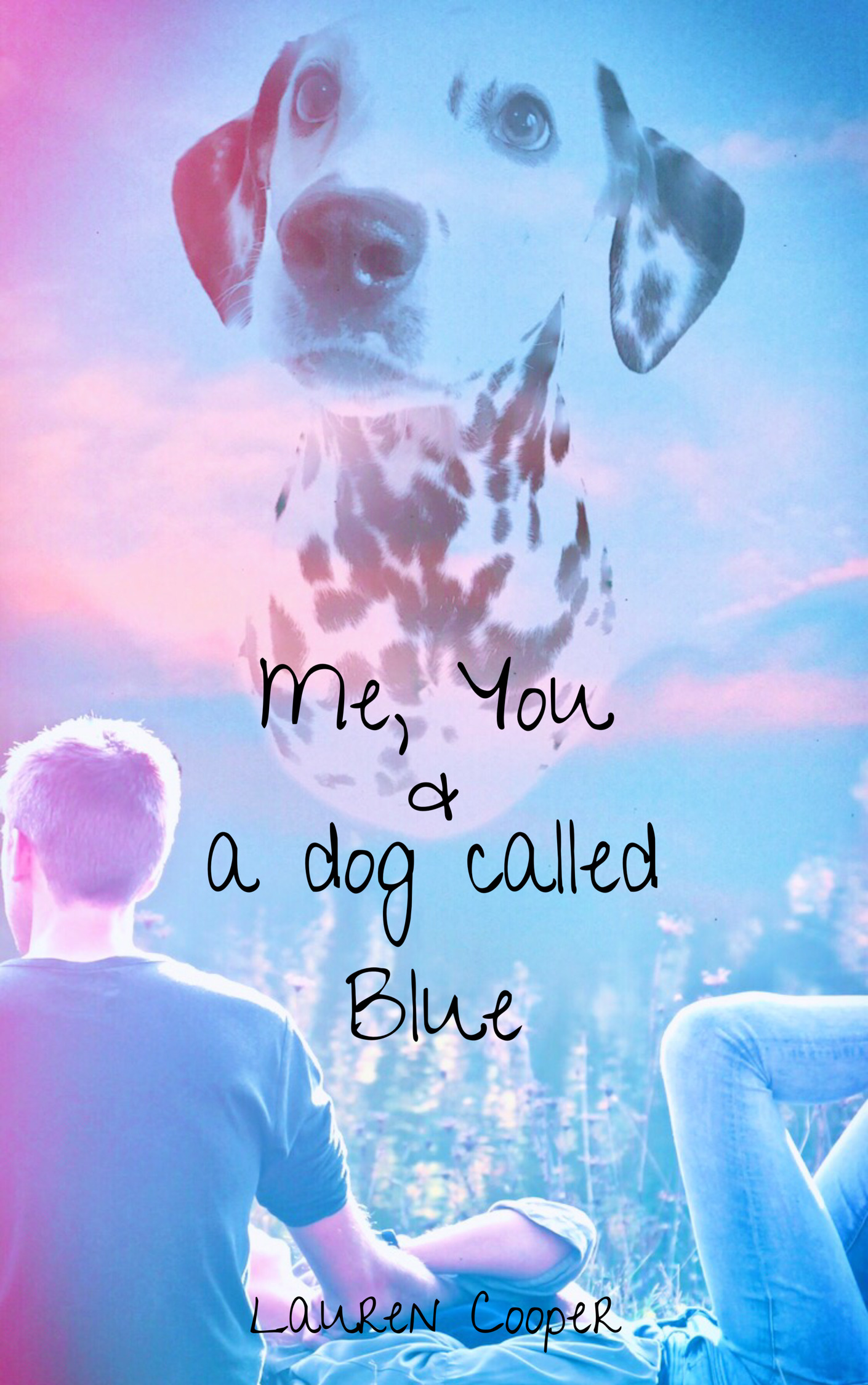
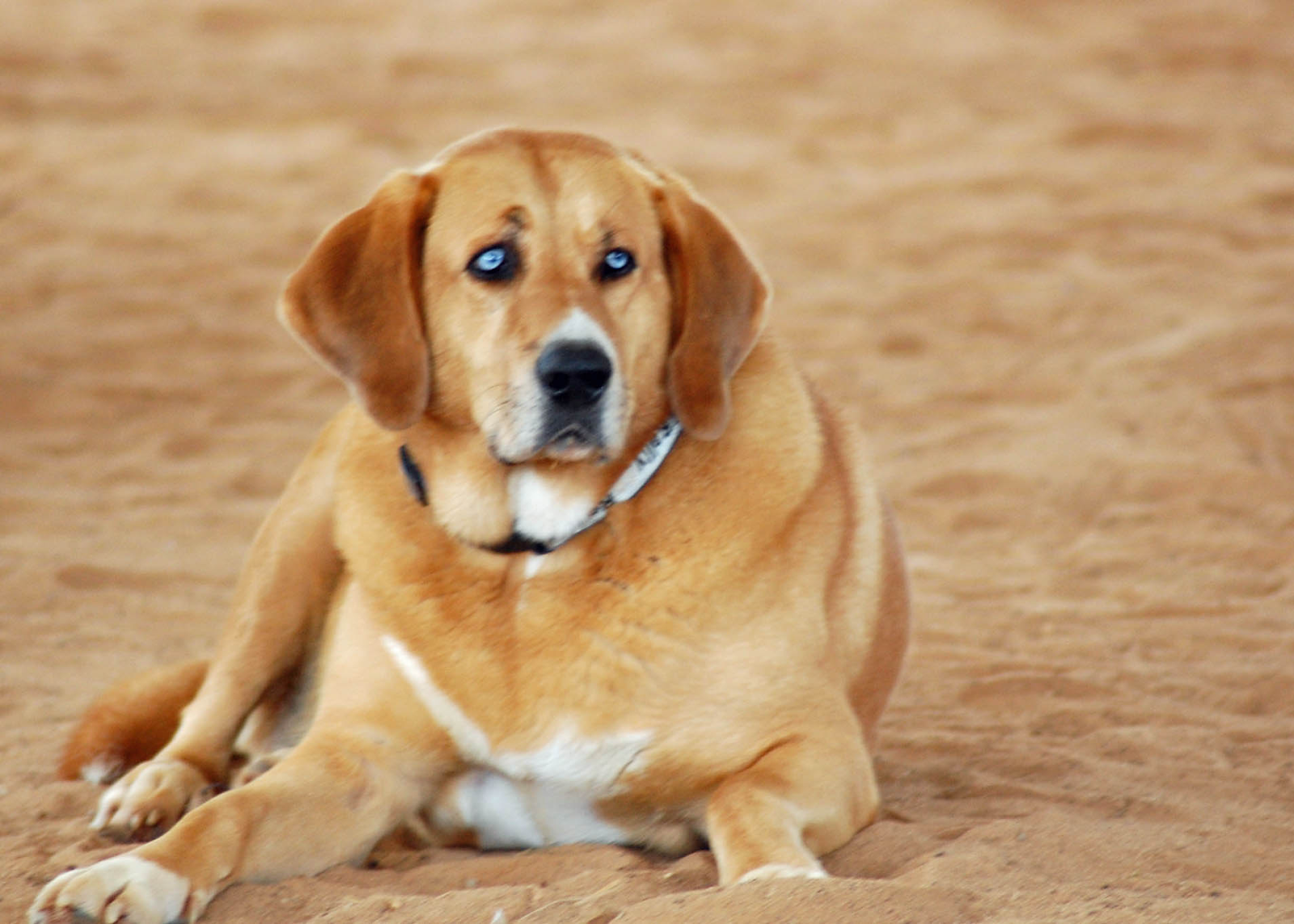
The phrase "a dog named Blue" refers most prominently to the animated protagonist of the long-running educational series Blue’s Clues, the traditional American folk hero dog of the song "Old Blue," and the common shorthand for the Australian Cattle Dog breed, also known as the Blue Heeler.
Blue is a name that resonates across entertainment, history, and canine biology. Whether you are researching the educational impact of a television icon, looking into the specific care requirements of a "blue" coated working breed, or exploring the lyrical history of one of America's oldest folk songs, understanding the context behind this name is essential. As of 2026, the legacy of "Blue" remains a cornerstone of both popular culture and domestic pet ownership.
The Icon of Educational Television: Blue from Blue’s Clues
The most recognizable "dog named Blue" is the female puppy who first appeared on Nickelodeon in 1996. Blue is a bright blue, spotted puppy who communicates through barks and leave paw prints on "clues" to help her human companions—and the audience—solve puzzles.
The Educational Philosophy of Blue’s Clues
Unlike many children's programs of the late 20th century, Blue’s Clues was built on a foundation of cognitive psychology and educational theory. The creators, including Angela Santomero and Traci Paige Johnson, utilized a concept known as scaffolding. This method involves presenting information in a way that builds on what a child already knows, allowing them to gain confidence as they solve increasingly complex problems.
The "Pause Procedure" was a revolutionary technical choice for the show. By having the host (Steve, Joe, or Josh) look directly into the camera and wait for several seconds after asking a question, the show empowered young viewers to participate. By 2026, this technique has been studied extensively and remains a gold standard for interactive children's media.
Production and Evolution
Blue’s appearance was a result of practical necessity meeting creative spark. The show’s pilot was originally going to feature a cat named Mr. Orange, but the team pivoted to a dog named Blue because a dog offered more opportunities for expressive, physical movement within the show's cut-out animation style.
As the franchise progressed into the 2020s and through 2026, the animation evolved from traditional 2D cut-outs to sophisticated 3D CGI in the revival Blue’s Clues & You!. Despite the technical shift, Blue’s character design has remained remarkably consistent, preserving her status as a "comfort character" for multiple generations.
The Biological "Blue": The Australian Cattle Dog
Outside of television, "a dog named Blue" is almost certainly a reference to the Australian Cattle Dog (ACD), specifically the "Blue Heeler" variety. This breed is a sturdy, high-energy working dog developed in Australia for driving cattle over long distances across rough terrain.
Historical Origins of the Blue Heeler
The breed was developed in the 19th century by George Hall, who crossed Northumberland Blue Merle Drovers' Dogs with tamed Dingoes. The resulting "Hall’s Heelers" were further refined by crossing them with Dalmatians and Black and Tan Kelpies. The "Blue" in their name comes from the unique speckled or mottled blue coat that characterizes one half of the breed (the other being the Red Heeler).
Key Characteristics of the Breed
In 2026, the Australian Cattle Dog remains one of the most popular choices for active owners, but they are not suitable for everyone. Their technical "blue" color is actually a dense explosion of white and black hairs, which creates the illusion of a blue-gray or slate-like appearance.
- Intelligence: Ranked among the most intelligent dog breeds, they require significant mental stimulation to prevent destructive behaviors.
- Physicality: They are "heelers," meaning they naturally nip at the heels of livestock (or sometimes children and bicycles) to direct movement.
- Health: ACDs are generally hardy but are genetically predisposed to Progressive Retinal Atrophy (PRA) and deafness. Responsible breeders in 2026 utilize mandatory DNA testing to screen for these traits.
Working Drive and Exercise Requirements
A "Blue" is a working dog first and a pet second. These dogs require at least two hours of vigorous exercise daily. Without a "job" to do—whether that is competitive agility, frisbee, or actual farm work—they can become neurotic. Their loyalty is legendary, often earning them the nickname "shadow dogs" because of how closely they follow their owners.
The Musical Heritage: "Old Blue" and the Folk Tradition
The cultural weight of the name "Blue" is deeply tied to the American folk song "Old Blue." This traditional song, dating back to the 19th century, tells the story of a faithful hunting dog. It has been recorded by legendary artists such as Joan Baez, The Byrds, and Bob Dylan.
Lyrical Significance
The lyrics typically begin with, "I had a dog and his name was Blue, I betcha five dollars he’s a good dog too." The song serves as a narrative of a dog's life, from his prowess as a hunter to his eventual death and burial. It is a foundational piece of Americana that cemented the name Blue as the quintessential name for a loyal, hardworking canine.
The song reflects the historical reality of the American South and Appalachia, where dogs were essential tools for survival and deeply valued companions. The recurring refrain, "Bye-bye, Blue," remains one of the most poignant moments in folk music history, emphasizing the bond between humans and their animals.
The Science of the "Blue" Coat: Color Dilution and Genetics
When people speak of a dog named Blue, they are often describing a specific coat color found in various breeds beyond just the Australian Cattle Dog. This color is technically a dilute black.
The Dilution Gene (D-Locus)
The "blue" color is caused by the recessive "d" allele. When a dog inherits two copies of this gene (dd), the black pigment (eumelanin) is clumped differently within the hair shaft, reflecting light in a way that appears bluish-gray.
| Breed | Common "Blue" Terminology | Genetic Basis | Primary Use |
|---|---|---|---|
| Australian Cattle Dog | Blue Heeler | Mottled black/white | Herding |
| Weimaraner | "Silver" (Gray/Blue) | Dilute Liver (bbdd) | Hunting |
| Pit Bull Terrier | Blue Nose | Dilute Black (dd) | Companion/Working |
| Italian Greyhound | Blue | Dilute Black (dd) | Companion/Sighthound |
| Great Dane | Steel Blue | Dilute Black (dd) | Guardian |
Health Concerns: Color Dilution Alopecia (CDA)
Owners of dogs with blue coats should be aware of Color Dilution Alopecia. This is a genetic condition that can cause hair thinning and skin irritation in dilute-colored dogs. In 2026, veterinary dermatologists recommend specific topical treatments and high-quality fatty acid supplements to maintain the skin barrier of blue-coated breeds. It is a cosmetic condition but can lead to secondary skin infections if not managed.
The Psychology of Naming: Why "Blue" is a Top Choice
Naming a dog Blue remains a top trend in 2026 for several psychological and linguistic reasons. Names with a single syllable are easier for dogs to recognize and respond to during training. The hard "B" sound and the long "u" (ooo) sound are distinct from common household words, reducing confusion for the animal.
Visual Perception in Dogs
Interestingly, research into canine vision shows that dogs primarily see the world in shades of blue and yellow. While they cannot see red or green, their ability to distinguish various shades of blue is quite high. While a dog doesn't know its name "means" a color, the human association with the color blue—often representing calm, loyalty, and the sky or sea—makes it an attractive choice for owners.
Comparative Overview: Which "Blue" Are You Looking For?
Because "a dog named Blue" is an ambiguous term, it is helpful to categorize the most common contexts in which a searcher might use this phrase.
| Context | Entity Type | Primary Audience | Key Takeaway |
|---|---|---|---|
| Television | Animated Puppy | Toddlers & Parents | Educational tool focused on problem-solving. |
| Agriculture | Blue Heeler Breed | Farmers & Active Owners | High-intensity working dog requiring a "job." |
| History/Music | Folk Song Hero | Musicians & Historians | A symbol of canine loyalty in American folklore. |
| Literature | Children's Books | Early Readers | Often used as a metaphor for friendship and growth. |
Practical Guidance for Owners of a "Blue" Dog
If you are the owner of a dog named Blue—whether it's a Blue Heeler or simply a dog with a blue coat—there are specific steps you should take in 2026 to ensure their well-being.
Training and Socialization
For "Blue" breeds (like the Australian Cattle Dog or Blue-Nose Pit Bulls), early socialization is non-negotiable. Their inherent protective instincts can turn into aggression without proper exposure to different environments, people, and other animals.
- Enrolling in Classes: Seek out "positive reinforcement" trainers. Blue-coated working breeds are sensitive and do not respond well to harsh corrections.
- Mental Puzzles: Use "snuffle mats" or interactive treat dispensers. This mimics the "clue-seeking" nature of the TV character and satisfies the high IQ of the Blue Heeler.
- Regular Vet Checks: Ensure you are checking for the specific genetic markers associated with blue coats, particularly CDA or hearing issues in speckled breeds.
Grooming Requirements
Blue coats, particularly those that are dilute (like the Weimaraner or Great Dane), have a unique texture. They often have shorter, stiffer guard hairs. Use a soft bristle brush rather than a metal rake to avoid scratching the sensitive skin often associated with the dilution gene.
Frequently Asked Questions
Is Blue from Blue’s Clues a boy or a girl?
Blue is a girl. This is a common point of confusion because the character is blue, a color traditionally associated with males in some cultures. However, the show's creators have consistently confirmed that Blue is female. Her counterpart, Magenta, is also a female puppy.
What kind of dog is Blue from Blue’s Clues?
While she is an animated character and not a specific breed, Blue is most often described as a "spotted puppy." Her design is stylized, but her behavioral traits—loyalty, curiosity, and playfulness—are modeled after general retriever and hound puppy characteristics.
Are Blue Heelers good family dogs?
Blue Heelers can be excellent family dogs for active households that understand their working heritage. They are extremely loyal but may "herd" small children by nipping at their heels. They require an owner who can provide consistent leadership and significant daily exercise.
Why do some dogs have "blue" noses?
A "blue" nose occurs when a dog has the dilution gene (dd). It is simply a black nose that has been lightened to a charcoal or slate gray color. It is most commonly seen in breeds like the Staffordshire Bull Terrier and the Weimaraner.
What is the meaning behind the song "Old Blue"?
The song is a tribute to a faithful companion. It celebrates the dog's utility in life (hunting) and the deep sorrow felt at its passing. It is one of the most enduring examples of the "Man's Best Friend" theme in music history.
Final Recommendation
When identifying "a dog named Blue," context is the determining factor. If you are seeking educational content for a child, Blue’s Clues remains the premier resource. If you are looking for a loyal, high-energy companion for farm or outdoor work, the Blue Heeler (Australian Cattle Dog) is the biological equivalent of that name. For those interested in the cultural history of the American frontier, the folk song "Old Blue" provides the most accurate historical context. Regardless of the version, the name "Blue" continues to represent the highest ideals of the canine-human bond: intelligence, loyalty, and a bit of mystery.