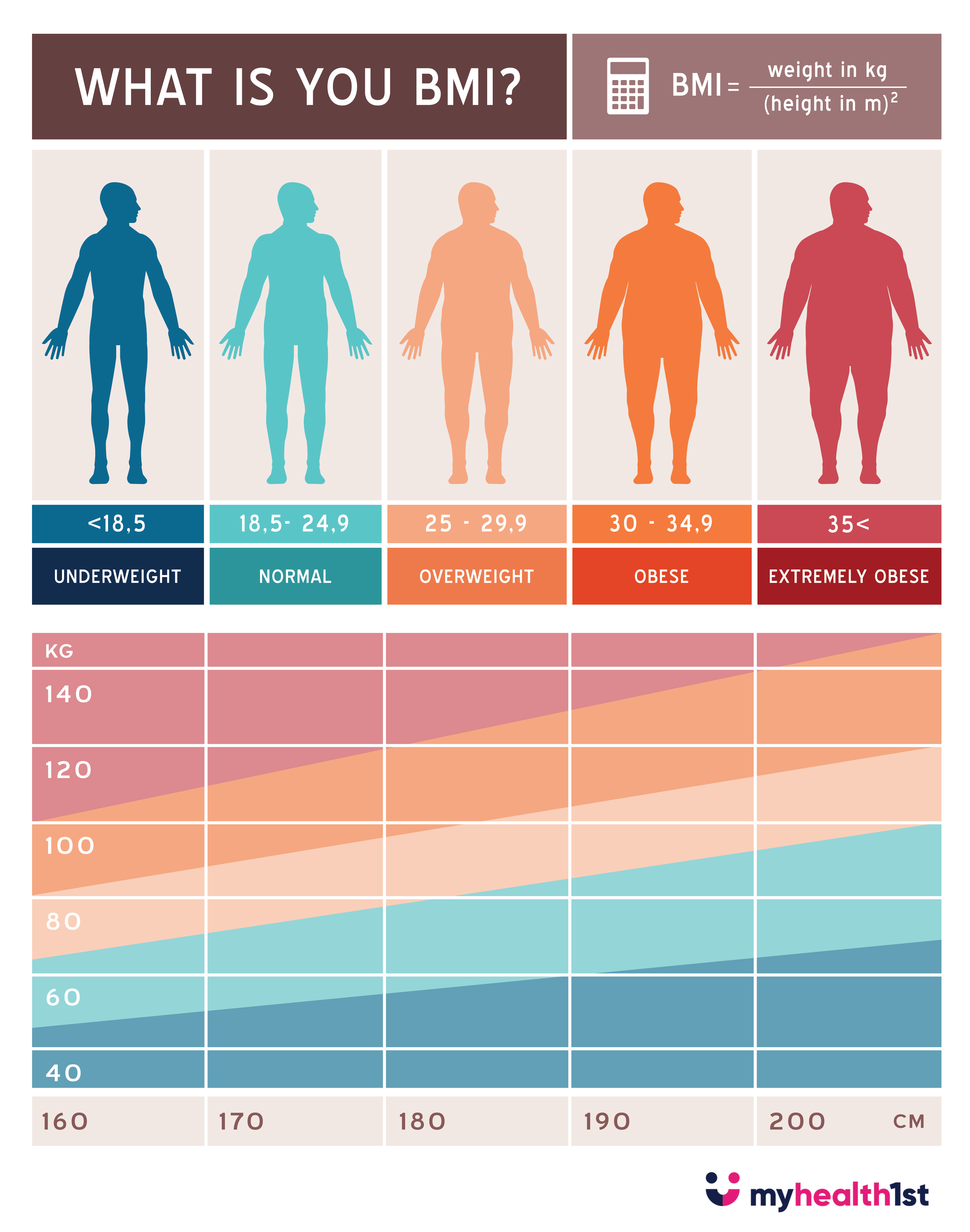
A Body Mass Index (BMI) of 17 falls into the "underweight" category, specifically classified by the World Health Organization as moderate thinness. This measurement indicates that an individual’s body weight is significantly low relative to their height, often signaling underlying malnutrition, increased risk for cardiovascular complications, bone density loss, and a weakened immune system.
Body Mass Index (BMI) has long been used as a primary screening tool to categorize individuals into weight-related health groups. While it is not a direct measure of body fat percentage or overall health, a BMI of 17 is a critical clinical marker. In the medical landscape of 2026, healthcare providers view this number as a significant red flag that necessitates immediate diagnostic investigation. When the body lacks the mass required to support vital functions, it enters a state of physiological stress that can lead to irreversible damage to the heart, skeleton, and endocrine system.
Defining BMI 17: The Clinical Classification
The World Health Organization (WHO) and the Centers for Disease Control and Prevention (CDC) utilize standardized BMI ranges to assess health risks. For adults, a "normal" or "healthy" BMI typically ranges from 18.5 to 24.9. A BMI of 17 is nearly 10% below the lower threshold of the healthy range.
Clinically, the underweight category is further subdivided to identify the severity of the risk:
- Mild Thinness: BMI 17.00 to 18.49
- Moderate Thinness: BMI 16.00 to 16.99
- Severe Thinness: BMI less than 16.00
While 17.0 sits at the boundary of mild and moderate thinness, it is universally regarded as a state of clinical concern. In many cases, a BMI of 17 is not merely a reflection of a "naturally thin" constitution but is instead an indicator of energy deficiency—a state where the body is consuming more energy than it is receiving, leading to the depletion of essential tissues.
Cardiovascular and Circulatory Risks
The heart is a muscle, and like any other muscle in the body, it is subject to atrophy (wasting) when a person is significantly underweight. For an individual with a BMI of 17, the cardiovascular system faces several acute and chronic threats.
Bradycardia and Hypotension
When the body is in a state of starvation or chronic under-nutrition, it attempts to conserve energy by slowing down metabolic processes. This often results in bradycardia, or a resting heart rate below 60 beats per minute. Combined with hypotension (low blood pressure), the heart may struggle to pump oxygenated blood effectively to the brain and extremities. This leads to frequent dizziness, fainting (syncope), and a persistent feeling of being cold, as the body prioritizes internal organ warmth over the skin and limbs.
Electrolyte Imbalances and Arrhythmia
Nutritional deficiencies common at a BMI of 17 often involve imbalances in essential minerals like potassium, magnesium, and calcium. These electrolytes are responsible for the electrical signaling that keeps the heart beating in a regular rhythm. An imbalance can lead to dangerous cardiac arrhythmias (irregular heartbeats), which, in severe cases, can cause sudden cardiac arrest. This risk is particularly high if the low BMI is the result of disordered eating behaviors such as purging or excessive exercise.
Bone Health and Osteoporosis at Low BMI
One of the most "silent" yet devastating risks of maintaining a BMI of 17 is the rapid deterioration of bone mineral density. Bone is a living tissue that requires constant remodeling, a process fueled by adequate caloric intake and specific hormones.
Estrogen Deficiency and Bone Loss
In women, a BMI of 17 often leads to the cessation of the menstrual cycle, a condition known as amenorrhea. This occurs because the body shuts down reproductive functions to save energy. The resulting drop in estrogen levels is catastrophic for bone health. Estrogen is vital for the activity of osteoblasts (cells that build bone). Without it, bone resorption outpaces bone formation, leading to osteopenia or full-blown osteoporosis, even in very young individuals.
Stress Fractures and Frailty
With diminished bone density, the skeletal system becomes brittle. Individuals with a BMI of 17 are at a significantly higher risk for stress fractures, particularly in the hips, spine, and feet. These injuries can occur during routine activities that would not normally harm a person with a healthy BMI. Because the body lacks the protein and mineral reserves to repair these tissues, recovery times are prolonged, and the risk of permanent mobility issues increases.
Immune System Vulnerability and Healing
A BMI of 17 typically reflects a state of protein-energy malnutrition. The immune system requires significant energy and specific amino acids to produce white blood cells and antibodies. When these resources are diverted to basic survival, the body’s defenses crumble.
- Increased Infection Risk: Individuals at this weight are more susceptible to common viral and bacterial infections, such as the flu or pneumonia. What might be a minor illness for someone else can become life-threatening for an underweight individual.
- Impaired Wound Healing: The body requires protein and zinc to repair skin and muscle tissue. At a BMI of 17, even small cuts or bruises may take weeks to heal, increasing the risk of secondary infections and scarring.
- Chronic Fatigue: The lack of glycogen stores (stored carbohydrates) and muscle mass means the body has no "buffer" for physical exertion. This results in a state of persistent, profound exhaustion that is not relieved by sleep.
Hormonal and Reproductive Consequences
The endocrine system is highly sensitive to energy availability. When BMI drops to 17, the hypothalamus (the brain's signaling center) often suppresses the production of several key hormones.
In addition to the aforementioned amenorrhea in women, men with a BMI of 17 may experience a significant drop in testosterone levels. This leads to a loss of libido, erectile dysfunction, and further muscle wasting. For both genders, long-term infertility is a major risk. Even if weight is later restored, the reproductive system may take a significant amount of time to "restart," and in some cases, the damage to fertility can be permanent.
Furthermore, the thyroid gland may slow down its production of hormones to lower the basal metabolic rate. This results in symptoms of hypothyroidism, including thinning hair, dry skin, and mental sluggishness.
Psychological and Cognitive Effects
The brain is an energy-intensive organ, consuming approximately 20% of the body’s daily calories. When the body is at a BMI of 17, the brain literally begins to function differently.
"Starvation Brain" and Cognitive Impairment
Historical studies, such as the Minnesota Starvation Experiment, have shown that individuals in a state of semi-starvation experience profound psychological shifts. Common symptoms include:
- Obsessive Thoughts: A fixation on food, calories, or weight.
- Irritability and Anxiety: The nervous system remains in a "fight or flight" state due to the perceived famine.
- Brain Fog: Difficulty concentrating, poor memory retention, and a decrease in problem-solving abilities.
The Link to Mental Health Disorders
While a BMI of 17 can be caused by physical illnesses, it is frequently associated with eating disorders like Anorexia Nervosa. In these cases, the low BMI is both a symptom and a driver of the illness. Malnutrition exacerbates the underlying anxiety and depression, creating a feedback loop that makes recovery increasingly difficult without professional intervention.
Comparison of Health Risks: Healthy vs. BMI 17
| System/Function | Healthy BMI (18.5 - 24.9) | Underweight BMI (17.0) | Clinical Implications at 17 |
|---|---|---|---|
| Heart Health | Normal rhythm and muscle mass | Bradycardia; potential atrophy | High risk of arrhythmia and failure |
| Bone Density | Optimal for age/genetics | Significant loss (Osteopenia) | High risk of fractures and height loss |
| Hormone Levels | Balanced; regular cycles | Suppressed; Amenorrhea common | Infertility; metabolic slowdown |
| Immune System | Robust response to pathogens | Weakened; slow healing | High susceptibility to infections |
| Cognitive Function | Stable; normal focus | Impaired; "Brain fog" | Irritability; food obsession; depression |
When BMI 17 is a Symptom: Common Underlying Causes
It is important to recognize that a BMI of 17 is a measurement, not a diagnosis. To address the risks, medical professionals must identify the root cause of the weight loss or inability to maintain weight.
- Restrictive Eating Disorders: Anorexia Nervosa or Avoidant/Restrictive Food Intake Disorder (ARFID) are primary causes where psychological factors lead to severe calorie restriction.
- Malabsorption Syndromes: Conditions like Celiac Disease, Crohn’s Disease, or Ulcerative Colitis can prevent the body from absorbing nutrients, regardless of how much food is consumed.
- Hyperthyroidism: An overactive thyroid can accelerate the metabolism to a point where maintaining a healthy weight becomes nearly impossible without treatment.
- Chronic Infections or Illnesses: Diseases such as tuberculosis, HIV/AIDS, or certain cancers can cause "wasting syndrome," where the body’s inflammatory response consumes muscle and fat stores.
- Mental Health and Medication: Severe depression can lead to a loss of appetite, while certain medications for ADHD or neurological conditions may suppress hunger cues.
Diagnostic Steps and Seeking Medical Help
If you or someone you know has a BMI of 17, a comprehensive medical evaluation is necessary. In 2026, clinical guidelines suggest a multi-faceted approach to diagnosis and stabilization.
Initial Screening
A physician will typically start with a full physical exam, checking for signs of malnutrition such as brittle hair, "lanugo" (fine hair growth on the body to keep it warm), and edema (swelling in the ankles caused by protein deficiency).
Laboratory Testing
Blood work is essential to assess the internal damage. This includes:
- Comprehensive Metabolic Panel (CMP): To check electrolyte levels and kidney/liver function.
- Complete Blood Count (CBC): To look for anemia or low white blood cell counts.
- Thyroid Panel: To rule out hyperthyroidism.
- Vitamin/Mineral Levels: Specifically Vitamin D, B12, and Iron.
Specialized Assessments
Depending on the initial findings, a doctor may order a DEXA scan to measure bone density or an Electrocardiogram (EKG) to monitor heart rhythm. If an eating disorder is suspected, a referral to a specialized dietitian and a mental health professional is the standard of care.
FAQs
Can someone be naturally thin and healthy with a BMI of 17?
While some individuals have a naturally small frame, a BMI of 17 is rarely considered "healthy" in a clinical sense. Even if no immediate symptoms are present, the body lacks the "reserve" necessary to handle illness or injury. Over time, the lack of weight almost inevitably leads to bone density loss or hormonal imbalances. A medical professional should always be consulted to rule out underlying issues.
Is a BMI of 17 an emergency?
It can be. If a BMI of 17 is accompanied by a very low heart rate (below 45 bpm), fainting, chest pain, or severe electrolyte imbalances (visible in blood tests), it may require hospitalization for stabilization. Rapid weight loss that leads to a BMI of 17 is generally more dangerous than a stable, long-term low weight.
How do you safely gain weight from a BMI of 17?
Weight restoration must be handled carefully to avoid Refeeding Syndrome, a potentially fatal condition where rapid shifts in electrolytes occur as the body restarts its metabolic processes. This process should be supervised by a doctor or a registered dietitian, focusing on nutrient-dense foods and, in some cases, reducing physical activity to allow the body to heal.
Does a BMI of 17 affect life expectancy?
Statistically, yes. Epidemiological studies consistently show a "U-shaped" curve for mortality, where both very high and very low BMIs are associated with a shorter lifespan. The risks associated with a BMI of 17, particularly respiratory infections and cardiovascular issues, contribute to higher mortality rates compared to those in the "normal" weight range.
Can men have a BMI of 17?
Yes, men can also reach a BMI of 17. While much of the public discourse around low BMI focuses on women, men are equally susceptible to the health risks, including bone loss and heart issues. Men often experience a significant loss of muscle mass (sarcopenia) and a drop in testosterone, which can have long-term health consequences.
Next Actions for Health Restoration
If a BMI of 17 is identified, the first and most critical action is to schedule an appointment with a primary care physician. Do not attempt to "self-treat" with high-calorie junk food or supplements without a medical baseline.
A structured recovery plan usually involves three pillars:
- Medical Monitoring: Regular check-ups to ensure the heart and organs are responding well to increased intake.
- Nutritional Rehabilitation: Working with a dietitian to create a meal plan that increases energy intake gradually and provides the specific micronutrients needed for bone and blood health.
- Therapeutic Support: Addressing the psychological aspects of weight, whether it is an eating disorder, the stress of a chronic illness, or the anxiety associated with body changes.
Restoring weight to a healthy range (BMI 18.5+) is the primary way to reverse many of these risks and ensure long-term physical and mental vitality.