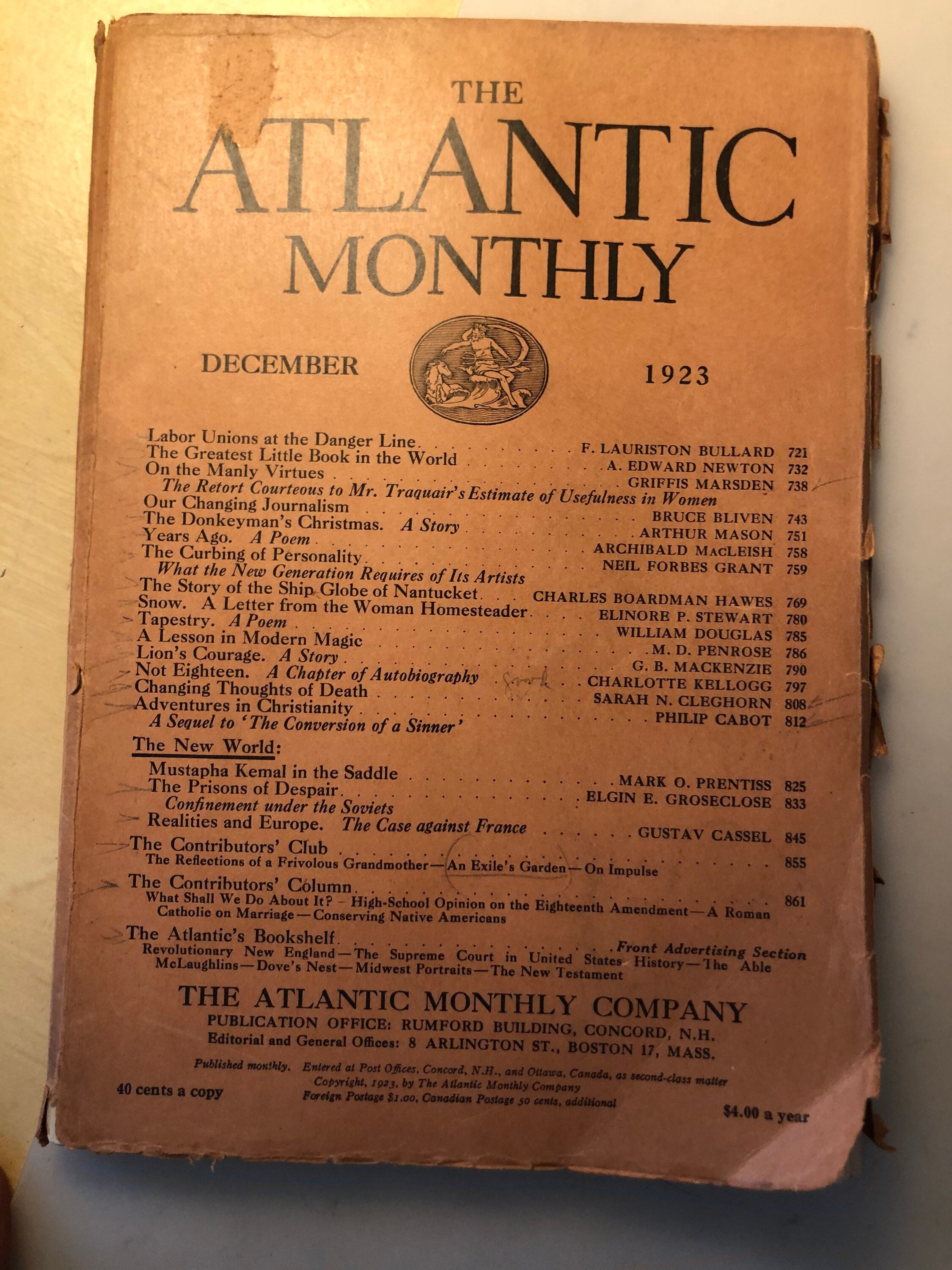
To submit to The Atlantic in 2026, writers must tailor their approach to specific departments: non-fiction pitches should be sent to relevant section editors (Culture, Politics, Ideas) via email, while poetry is typically managed through the Submittable platform. Unsolicited fiction is generally not accepted, and all submissions must prioritize intellectual depth and original reporting.
Successfully placing a piece in The Atlantic remains one of the highest achievements for journalists, essayists, and poets. Since its founding in 1857, the publication has maintained a reputation for rigorous intellectual inquiry and literary excellence. However, the process for getting your work noticed has evolved alongside the digital landscape. This guide provides an exhaustive breakdown of the current submission requirements, editorial preferences, and technical procedures for The Atlantic in 2026.
Understanding The Atlantic’s Editorial Identity
Before drafting a pitch or a manuscript, it is crucial to understand the "Atlantic Voice." The magazine does not merely report on events; it seeks to contextualize them within the broader scope of history, sociology, and philosophy. Whether you are writing for the print edition or the digital platform (TheAtlantic.com), your work must offer a unique argument or a "big idea" that challenges conventional wisdom.
The editorial team prioritizes writing that is both authoritative and accessible. They look for contributors who can synthesize complex information into a narrative that resonates with a highly educated, globally-minded audience. If your topic is purely local or lacks a larger "so what?" factor, it is likely not a fit for this publication. In 2026, the magazine continues to focus heavily on the intersection of technology and humanity, the future of democracy, and the evolving cultural zeitgeist.
Non-Fiction Submissions: The Pitching Process
Non-fiction is the backbone of The Atlantic. This category includes everything from short-form digital articles to massive, multi-part print features. Because the volume of submissions is so high, the magazine rarely accepts completed manuscripts for non-fiction. Instead, they prefer a well-crafted pitch.
How to Structure a Non-Fiction Pitch
A successful pitch to The Atlantic in 2026 should be concise—typically between 300 and 500 words. It must answer three fundamental questions:
- What is the story? (The core narrative or argument).
- Why now? (The timeliness or urgency of the topic).
- Why you? (Your specific expertise or unique access to the subject).
The pitch should be written in the same tone as the proposed article. This allows editors to evaluate your prose style and your ability to handle the subject matter. Avoid "topic pitches" (e.g., "I want to write about the housing crisis"). Instead, provide an "angle pitch" (e.g., "How modular 3D-printed communities in the Midwest are redefining urban sprawl").
Section-Specific Email Contacts
While The Atlantic occasionally updates its staff directory, pitches are generally directed to specific "desk" aliases. In 2026, these remain the primary points of contact:
- Ideas: Focuses on philosophy, social science, and intellectual trends.
- Culture: Covers film, television, music, and societal shifts.
- Politics: Analyzes domestic and international policy and power structures.
- Science & Tech: Explores breakthroughs, climate change, and the ethics of AI.
- Education: Investigates learning systems and pedagogical challenges.
When emailing, use a clear subject line: PITCH: [Proposed Title]. This helps editors filter through hundreds of emails daily.
Poetry Submission Guidelines
The poetry department at The Atlantic is highly selective, publishing only a few poems each month. Unlike non-fiction, poetry is submitted as a completed work rather than a pitch.
Using Submittable
As of 2026, The Atlantic utilizes Submittable as its primary portal for poetry submissions. This platform allows writers to track the status of their work and ensures that the editorial team can manage the high volume of entries efficiently. The magazine typically has specific reading windows—often from September to May—during which they accept new work. It is essential to check the official Submittable page for The Atlantic to confirm the portal is currently open.
Format and Quantity
- File Type: .doc, .docx, or .pdf.
- Quantity: You may typically submit up to three poems in a single document.
- Length: There is no strict line limit, but most published poems fit on a single page of the print magazine.
- Cover Letter: Include a brief bio and a list of previous publications, though the quality of the poem is the primary deciding factor.
Fiction and Creative Prose
The status of unsolicited fiction at The Atlantic has remained consistent for several years: the magazine does not typically accept unsolicited fiction manuscripts. Most fiction published in the magazine is commissioned from established authors or acquired through literary agents.
However, writers of short stories should keep an eye on special "Fiction Issues" or collaborative projects. If you are an unrepresented fiction writer, your best path into The Atlantic is often through their non-fiction essays or by first establishing a portfolio in smaller, high-tier literary journals such as The Paris Review or Granta.
Technical Requirements and Style Standards
When your pitch is accepted, you will receive specific formatting instructions from your editor. Adhering to these is vital for a smooth editorial process.
Word Count Standards
Word counts vary significantly based on the platform and the depth of the piece:
- Digital Op-Eds/Essays: 800 – 1,500 words.
- Digital Long-form: 2,000 – 3,500 words.
- Print Features: 4,000 – 8,000+ words.
Style and Accuracy
- Fact-Checking: The Atlantic employs a rigorous fact-checking department. You will be expected to provide a "source notes" version of your article where every claim is backed by a link or a primary source document.
- Style Guide: The magazine follows a modified version of the The Chicago Manual of Style, specifically regarding the use of the Oxford comma and the treatment of titles.
- Exclusivity: The Atlantic only publishes original, previously unpublished work. This includes content that has appeared on personal blogs or social media platforms like Substack.
Comparison of Submission Channels
| Category | Primary Format | Submission Method | Typical Word Count | Open to Unsolicited? |
|---|---|---|---|---|
| Non-Fiction Pitch | Email Pitch | Section-specific Aliases | 300-500 (Pitch) | Yes |
| Poetry | Completed Manuscript | Submittable Portal | Variable | Yes (During windows) |
| Fiction | Completed Manuscript | Agent Only | 3,000-6,000 | No |
| Letters to Editor | Email / Web Form | letters@theatlantic.com | < 200 | Yes |
| Photo Essays | Portfolio / Pitch | Visuals Editor | N/A | Yes |
The "After" Process: What Happens After You Submit?
The waiting period can be the most difficult part of the process. For digital pitches, if you do not hear back within five to seven business days, it is standard professional practice to send a polite follow-up. For print features, the timeline is much longer—editors may take several weeks to deliberate on a high-stakes pitch.
Rights and Compensation
The Atlantic pays competitive rates for both print and digital work. In 2026, rates are negotiated based on the complexity of the piece, the writer’s experience, and the depth of reporting required. When you sign a contract with The Atlantic, you are typically selling First North American Serial Rights (FNASR) and certain digital distribution rights. This means they have the right to be the first to publish the story in North America, but rights often revert to the author after a specific period (usually 90 days).
Editorial Collaboration
Expect a heavy edit. The Atlantic is known for its hands-on editorial process. A piece may go through three or four rounds of revisions before it is finalized. This is not a reflection of poor writing; rather, it is a collaborative effort to ensure the piece meets the magazine’s high standards for clarity and impact.
Common Mistakes to Avoid
- Pitching "The Atlantic" Generally: Never send a pitch to a general "info" or "contact" address. Research the masthead to find the specific editor who covers your beat (e.g., the Science Editor or the Books Editor).
- Neglecting the Archive: Do not pitch a story that The Atlantic has covered extensively in the last 24 months unless you have a radically different perspective or new information.
- The "Expert" Trap: Many writers make the mistake of writing like an academic. While The Atlantic values expertise, the writing must be engaging and free of dense jargon.
- Ignoring the "Leat": The first paragraph of your pitch must hook the editor immediately. If you can't explain why your story is fascinating in the first two sentences, it probably isn't right for this publication.
Frequently Asked Questions
Does The Atlantic accept simultaneous submissions?
For poetry, The Atlantic generally allows simultaneous submissions, provided you notify them immediately if the work is accepted elsewhere. For non-fiction pitches, it is preferred that you pitch exclusively to The Atlantic first, given the specific nature of their editorial requirements. If you do pitch elsewhere simultaneously, transparency is key.
Can I submit a piece that was previously published on my Substack?
No. The Atlantic requires original, unpublished material. They consider anything available to the public online—even behind a paywall like Substack or a personal blog—as "previously published."
How much does The Atlantic pay for freelance articles?
While specific rates are confidential and vary by contract, digital articles in 2026 generally range from $250 to $1,000, while print features can command several thousand dollars depending on length and the amount of travel or research involved.
Do I need a literary agent to get published in The Atlantic?
For non-fiction and poetry, no. You can successfully pitch or submit through the standard channels. For fiction, however, an agent is almost always necessary to get through the door.
What is the "Ideas" section vs. the "Culture" section?
The Ideas section is typically for argumentative essays based on philosophy, data, or historical analysis (e.g., "The Case for Reparations"). The Culture section focuses on the arts, entertainment, and social behavior (e.g., "The Death of the Movie Star"). If your pitch sits on the line, choose the one that aligns more closely with your primary argument.
Practical Recommendation for Aspiring Contributors
The most effective way to get published in The Atlantic is to become a dedicated reader of the magazine first. Spend time analyzing the structure of their "Daily" digital pieces versus their "Magazine" cover stories. Pay attention to how they transition from a specific anecdote to a broad societal observation.
Once you have a solid idea, find the specific editor on The Atlantic’s Masthead who covers that topic. Use social media platforms or professional databases to verify their current interests. A personalized pitch that references an editor's recent work or a specific theme the magazine is currently exploring is significantly more likely to receive a response than a cold, generic query.