A direct flight from Atlanta (ATL) to Johannesburg (JNB) typically takes between 15 hours and 16 hours and 30 minutes for the outbound journey. The return leg from Johannesburg to Atlanta is longer, usually spanning 16 hours and 45 minutes to 17 hours and 30 minutes due to prevailing headwinds and jet stream patterns across the Atlantic Ocean.
The route between Hartsfield-Jackson Atlanta International Airport (ATL) and O.R. Tambo International Airport (JNB) represents one of the longest commercial flight paths in the world. Spanning approximately 8,439 miles (13,582 kilometers), this "ultra-long-haul" journey connects the primary hub of the Southeastern United States with the industrial and financial heart of South Africa. For travelers in 2026, understanding the nuances of this flight—from technical aircraft performance to the physiological impact of crossing seven time zones—is essential for a successful trip.
The Geography of an Ultra-Long-Haul Flight
To comprehend the flight time between Atlanta and Johannesburg, one must first look at the "Great Circle" route. On a flat map, a straight line between Georgia and Gauteng might look like a simple diagonal across the Atlantic. However, because the Earth is an oblate spheroid, aircraft follow a curved path that maximizes efficiency.
The flight path generally takes the aircraft southeast from Atlanta, crossing over the Florida peninsula or the Atlantic coast, then traversing the vast expanse of the South Atlantic Ocean. Depending on weather patterns and air traffic control (ATC) requirements, the plane may pass near the Cape Verde islands before making landfall on the African continent, often over Namibia or Angola, before descending into Johannesburg.
Distance and Displacement
At over 8,400 miles, this route pushes the operational limits of many modern commercial aircraft. To put this in perspective, a standard cross-country flight from New York to Los Angeles is roughly 2,450 miles. The ATL-JNB route is essentially like flying across the United States three and a half times without stopping.
Primary Direct Flight Options in 2026
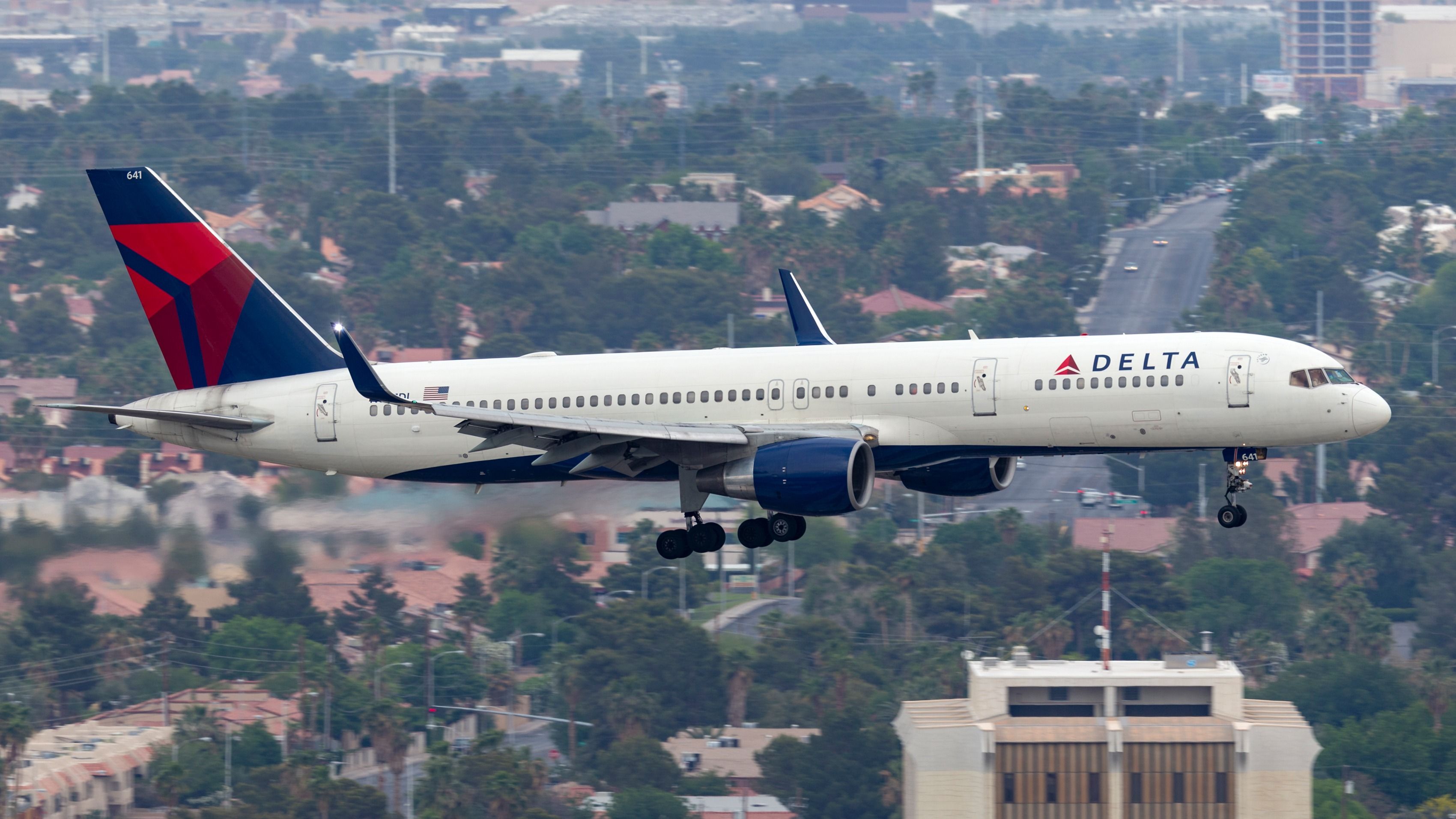
As of 2026, Delta Air Lines remains the primary carrier offering non-stop service between Atlanta and Johannesburg. This route is a cornerstone of Delta’s international network, serving as a vital link for corporate travelers, the diplomatic community, and the tourism sector.
Southbound: Atlanta to Johannesburg (ATL-JNB)
The southbound journey is generally faster than the return. This is primarily because the aircraft is often assisted by tailwinds or can more easily navigate around the most restrictive jet streams.
- Average Duration: 15 hours, 15 minutes.
- Departure Timing: Typically, flights depart ATL in the late evening, allowing passengers to sleep through a significant portion of the flight and arrive in Johannesburg in the late afternoon or early evening of the following day.
Northbound: Johannesburg to Atlanta (JNB-ATL)
The return journey is consistently longer. The aircraft must fight against the prevailing "Westerlies"—strong winds that blow from west to east across the Atlantic.
- Average Duration: 17 hours, 10 minutes.
- Technical Challenges: In previous decades, the high altitude of Johannesburg (approximately 5,500 feet above sea level) combined with high temperatures meant that aircraft could not take off with a full load of fuel and passengers for such a long journey. However, with the 2026 fleet of Airbus A350-900 and A350-1000 aircraft, these "hot and high" performance limitations have been largely mitigated, allowing for reliable non-stop return service.
Factors Influencing Flight Duration
While "15 to 17 hours" is the standard window, several variables can cause the actual "block time" (the time from gate departure to gate arrival) to fluctuate.
1. The Jet Stream and Atmospheric Pressure
Jet streams are high-altitude air currents that can reach speeds of over 200 mph. When flying from Atlanta to Johannesburg, pilots look for tailwinds to decrease fuel consumption and time. Conversely, on the return leg, the goal is to minimize the impact of headwinds. In 2026, advanced AI-driven flight planning software allows dispatchers to adjust routes in real-time to catch the most favorable winds, sometimes adding distance to the flight path to actually save time.
2. Aircraft Type and Cruising Speed
The specific aircraft assigned to the route plays a massive role. In 2026, the Airbus A350-900 is the workhorse for this route. It is designed for ultra-long-haul efficiency, with a cruising speed of Mach 0.85 (approx. 560-600 mph). A slight increase in speed can shave 20 minutes off the flight but significantly increase fuel burn, so airlines typically stick to a "cost index" speed that balances time and expense.
3. Payload and Fuel Weight
An aircraft taking off for a 17-hour flight is incredibly heavy. Nearly half of its takeoff weight can be fuel. If a flight is carrying a maximum load of cargo and passengers, it may need to fly at a lower initial altitude where the air is denser, resulting in more drag and a slightly slower flight time until enough fuel is burned to "step climb" to higher, thinner air.
4. Ground Congestion and Taxi Times
Hartsfield-Jackson (ATL) is the busiest airport in the world. It is not uncommon for an aircraft to spend 20 to 40 minutes on the taxiway during peak departure banks. These minutes are included in the total "flight time" presented on your ticket, which is why the actual time spent in the air (wheels up to wheels down) is often shorter than the scheduled gate-to-gate time.
Comparison of Direct vs. Connecting Flights
While direct flights are the fastest way to travel between Atlanta and Johannesburg, many travelers opt for connecting routes due to price or loyalty programs. These connections typically occur in Europe or the Middle East.
| Routing Type | Typical Duration (Total) | Common Connection Cities | Pros | Cons |
|---|---|---|---|---|
| Direct (Non-stop) | 15h 15m – 17h 15m | N/A | Fastest route; no luggage transfers. | Usually most expensive; very taxing on the body. |
| European Connection | 20h – 26h | London (LHR), Paris (CDG), Amsterdam (AMS), Frankfurt (FRA) | Break up the journey; better premium cabin variety. | Increases total travel time by 5+ hours. |
| Middle Eastern Connection | 24h – 30h | Doha (DOH), Dubai (DXB) | World-class service; modern airports. | Significant detour; significantly longer travel time. |
| African Connection | 22h – 25h | Addis Ababa (ADD) | Competitive pricing. | Limited frequency; variable connection quality. |
Technical Specifications: The Airbus A350 on the ATL-JNB Route
In 2026, the Airbus A350-900 is the premier choice for this route. Its technical capabilities are what make a 17-hour flight feasible and (relatively) comfortable for passengers.
- Cabin Pressure and Humidity: Traditional aluminum aircraft are pressurized to an equivalent altitude of 8,000 feet, which leads to dehydration and fatigue. The carbon-fiber-reinforced plastic (CFRP) fuselage of the A350 allows for a lower cabin altitude (approx. 6,000 feet) and higher humidity levels. This significantly reduces the effects of jet lag and the "dried out" feeling often associated with long flights.
- Engine Efficiency: The Rolls-Royce Trent XWB engines are optimized for these long distances, providing the necessary thrust to depart JNB’s high altitude while maintaining extreme fuel efficiency.
- Fuel Capacity: The A350-900 can carry over 37,000 gallons of fuel, enough to power the aircraft for nearly 18 hours of continuous flight with required safety reserves.
Operational Logistics: Crew and Safety
A flight of this duration requires more than just a pilot and a co-pilot. Because of FAA (Federal Aviation Administration) and international safety regulations regarding fatigue, the ATL-JNB route utilizes "augmented crews."
- Crew Complement: There are usually four pilots on board—two Captains and two First Officers. They operate in shifts, with two pilots in the cockpit while the other two rest in dedicated "pilot rest compartments" (small bunks located above the passenger cabin).
- Cabin Crew: Similarly, the flight attendants work in shifts. On a 16-hour flight, the crew is large enough to ensure that everyone receives several hours of horizontal rest in the crew rest area (CRC).
- ETOPS Certification: This route is flown under ETOPS (Extended-range Twin-engine Operational Performance Standards) regulations. This ensures that even if one engine were to fail in the middle of the South Atlantic, the aircraft is certified to fly for several hours on the remaining engine to reach an emergency diversion airport, such as those in the Cape Verde islands or Ascension Island.
Preparing for the 16+ Hour Journey
Surviving the flight time from Atlanta to Johannesburg requires more than just a good book. Travelers should approach this flight as a physical event.
Circadian Rhythm Management
With a 7-hour time difference (depending on Daylight Savings), your body will be significantly out of sync upon arrival.
- Adjust Early: Three days before your flight, start moving your bedtime closer to South African time.
- Strategic Sleeping: On the ATL-JNB leg, try to sleep during the first half of the flight to align with the morning arrival in South Africa.
- Light Exposure: Use the aircraft's LED mood lighting (which simulates sunrise/sunset) to help reset your internal clock.
Health and Wellness
- Hydration: The 15,000-kilometer journey will dehydrate you quickly. Aim to drink 8 ounces of water for every hour in the air.
- Movement: Deep Vein Thrombosis (DVT) is a risk on ultra-long flights. Stand up and walk the aisles at least once every two hours. In 2026, many airlines provide "in-seat yoga" or stretching guides via the inflight entertainment system.
- Nutrition: Avoid heavy, salty meals before and during the flight. Salt causes water retention, which can lead to swollen feet and discomfort in the pressurized cabin.
Navigating the Airports: ATL and JNB
Hartsfield-Jackson Atlanta (ATL)
International flights depart from Maynard H. Jackson Jr. International Terminal (Terminal F).
- Check-in: Arrive at least 3 hours before your flight. The international terminal has its own security checkpoint and parking, separate from the domestic side.
- Lounge Access: For those in Delta One or with high-tier SkyMiles status, the Sky Club in Concourse F offers outdoor "Sky Decks" where you can get fresh air before the 16-hour confinement.
O.R. Tambo International (JNB)
Located in Kempton Park, Johannesburg, JNB is the gateway to Southern Africa.
- Arrival: After the long flight, you will proceed to immigration. Ensure you have at least two blank visa pages in your passport, as South African authorities are strict about this.
- Transit: If you are connecting to Cape Town, Durban, or a safari destination (like Hoedspruit), you will need to clear immigration, collect your bags, and re-check them at the domestic terminal, which is a 5-10 minute walk within the same complex.
Frequently Asked Questions
Is there a time difference between Atlanta and Johannesburg?
Yes. Johannesburg follows South Africa Standard Time (SAST), which is UTC+2. Atlanta follows Eastern Time (ET). Depending on whether the U.S. is observing Daylight Saving Time, Johannesburg is either 6 or 7 hours ahead of Atlanta.
Why is the return flight from Johannesburg to Atlanta longer?
The return flight is longer because the aircraft must fly against the jet stream (the Westerlies). These winds blow from west to east. When flying to Johannesburg, the plane often has a "push" from behind; when returning to Atlanta, it must push against this moving wall of air, which adds roughly 90 to 120 minutes to the total duration.
Can a Boeing 787 fly from Atlanta to Johannesburg?
While the Boeing 787 Dreamliner has the range for many long-haul routes, the specific performance requirements of the JNB-ATL leg (due to the high altitude of Johannesburg) make the Airbus A350 or the Boeing 777-200LR/777-9 more common choices for this specific non-stop route in 2026.
Are there any stops on the direct flight for refueling?
No. In 2026, the direct flight operated by Delta is truly non-stop. Advancements in engine efficiency and composite aircraft materials have eliminated the need for the "technical stops" (often in Cape Verde or Senegal) that were common on this route in the late 20th century.
What is the best seat for such a long flight?
If flying in Economy, an aisle seat in the center section is often preferred for easy access to the lavatories and the ability to stand up without disturbing others. If your budget allows, "Premium Select" (Premium Economy) or "Delta One" (Business Class) is highly recommended for a flight of this length to allow for better sleep.
Final Recommendations for Travelers
Traveling from Atlanta to Johannesburg is a massive undertaking that requires careful planning. To maximize your comfort and minimize the impact of the flight time, prioritize the following:
- Book the Direct Flight: If your budget allows, the direct Delta flight saves you a minimum of 5 to 8 hours of total travel time compared to connecting through Europe.
- Select Your Aircraft Wisely: Confirm that your flight is operated by an Airbus A350-900. The improved cabin pressure and humidity levels are game-changers for 17-hour journeys.
- Prepare Your Documentation: Beyond your passport, check for updated health or visa requirements for South Africa in 2026 to avoid delays at the ATL boarding gate.
- Download Entertainment: While modern IFE (In-Flight Entertainment) systems have thousands of hours of content, having your own noise-canceling headphones and offline content on a tablet provides a necessary backup for such a long duration.