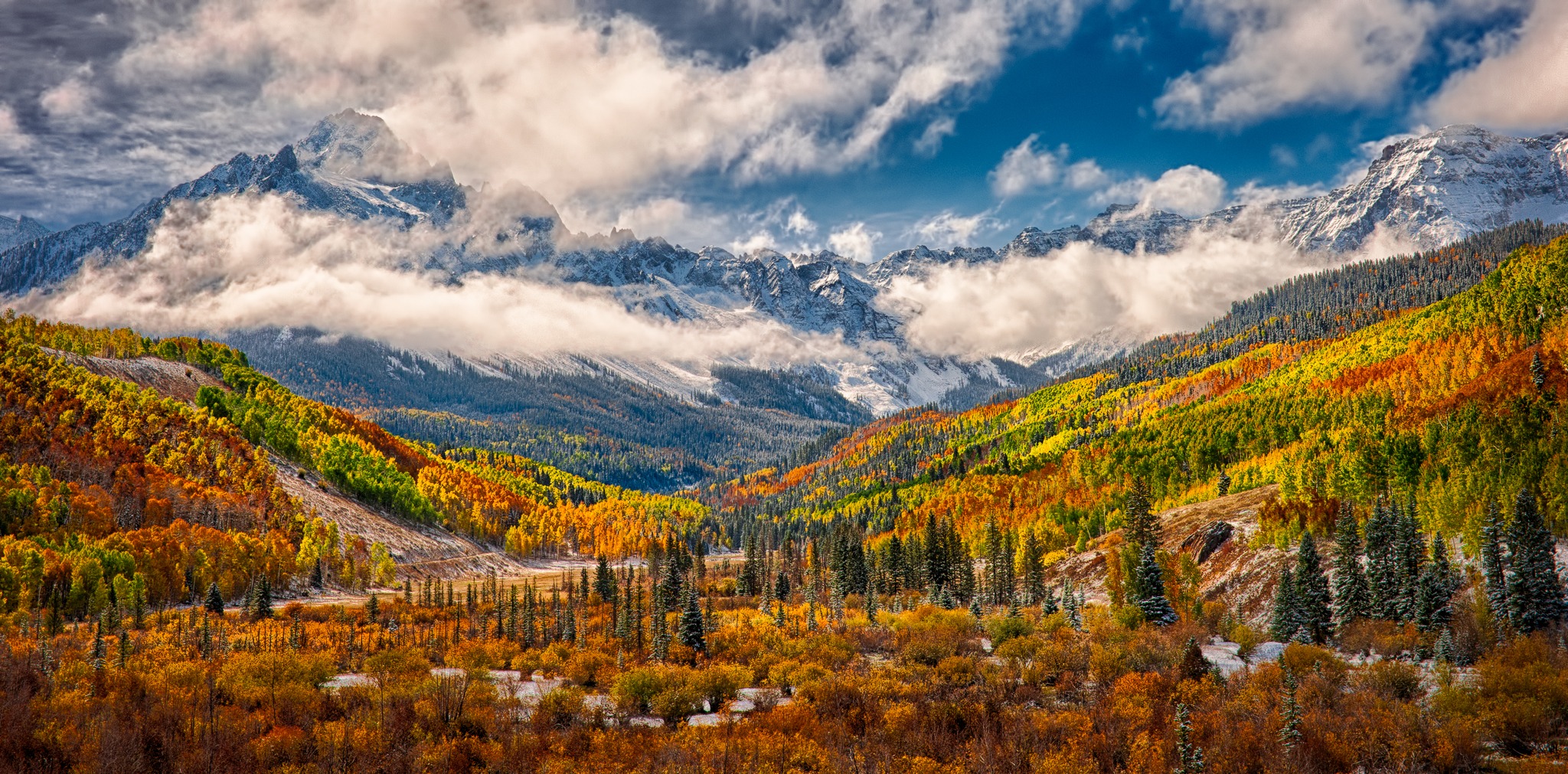
The peak window for viewing aspen colors in Colorado typically falls between mid-September and mid-October. High-elevation northern ranges peak first in mid-to-late September, while the central mountains follow shortly after. Southern Colorado and lower-elevation foothills generally reach their vibrant gold and orange maximum during the first two weeks of October.
Experiencing the "Gold Rush" of Colorado’s autumn is a bucket-list event for photographers, hikers, and nature enthusiasts. As we move through the 2026 season, understanding the intersection of geography, biology, and timing is essential for a successful trip. The quaking aspen (Populus tremuloides) provides a spectacle unlike any other deciduous forest because of its unique clonal nature and the sheer scale of its presence across the Rocky Mountains. This guide details exactly where to go, when to arrive, and how to navigate the logistical challenges of Colorado’s most popular seasonal event.
The Science and Biology of the Aspen Color Shift
To appreciate the aspen colors in Colorado, one must first understand what makes these trees unique. Unlike an eastern maple forest, where individual trees change at different rates based on their specific genetics, aspen groves are often a single biological organism. They grow in "clones" connected by a massive underground root system. This means that an entire hillside of trees may turn the exact same shade of gold at the exact same moment because they share the same DNA.
The transition from green to gold is triggered primarily by photoperiodism—the shortening of daylight hours—rather than temperature alone. As days shorten, the tree stops producing chlorophyll, the pigment responsible for the green color used in photosynthesis. As the green fades, the underlying carotenoids (yellows and oranges) become visible.
In specific conditions—typically when 2026 experiences warm, sunny days followed by crisp, but not freezing, nights—aspens may produce anthocyanins. These pigments create rare streaks of red and deep orange. While Colorado is famous for its "seas of gold," finding a red-tinted grove is considered the ultimate prize for fall foliage seekers. Because these trees are sensitive to moisture levels, the vibrancy of the 2026 season depends heavily on the preceding summer's rainfall. A drought-stricken summer can lead to leaves "burning" or falling early, whereas a balanced moisture year results in deep, saturated hues.
Timing the Peak: Elevation and Latitude
Timing is the most critical variable when planning a trip to see aspen colors in Colorado. The "peak" is not a single date for the whole state; rather, it is a wave that moves from north to south and from high elevation to low elevation.
The 10,000-Foot Rule
In the Colorado Rockies, elevation is the primary driver of color change. For every 1,000 feet of gain, the temperature drops and the season advances. Groves sitting at 10,000 feet or higher will often reach peak color 7 to 10 days before those at 8,000 feet. If you arrive in an area and the leaves are still green, your best strategy is to drive higher. If the leaves have already fallen (the "sticks" phase), head to a lower valley.
Regional Timeframes for 2026
- Northern Mountains (Steamboat Springs, Rocky Mountain National Park): Mid-September to September 25.
- Central Mountains (Aspen, Vail, Crested Butte): September 20 to October 5.
- Southern Mountains (Telluride, Ouray, Silverton): September 28 to October 15.
- Front Range Foothills (Golden, Boulder, Colorado Springs): October 5 to October 20.
Top Destinations for Aspen Viewing in Northern Colorado
Northern Colorado offers the earliest opportunities for leaf-peeping. The terrain here is characterized by dramatic alpine tundra and dense pockets of aspen nestled against dark evergreen forests.
Rocky Mountain National Park (RMNP)
RMNP is a premier destination, but it requires careful planning due to its timed-entry permit system, which remains in effect through the 2026 season. The Trail Ridge Road, which reaches over 12,000 feet, provides a bird's-eye view of the changing valleys below. However, the best aspen concentrations are found at lower elevations like Hidden Valley and along the Bear Lake Road corridor. The contrast of the golden leaves against the rugged granite peaks of the Continental Divide creates world-class photography opportunities.
Buffalo Pass (Steamboat Springs)
Located just outside Steamboat Springs, Buffalo Pass is famous for having some of the densest aspen groves in the state. The road is unpaved but generally accessible to most vehicles in dry conditions. As you ascend, you are surrounded by a literal tunnel of gold. The "Flash of Gold" trail is a highly recommended mountain biking and hiking route that offers miles of uninterrupted aspen canopy.
Central Colorado: The Heart of the Gold Rush
The central Rockies host the most iconic aspen landscapes, including the most photographed peaks in North America.
Maroon Bells (Aspen)
The Maroon Bells are the quintessential Colorado fall image. Because of their extreme popularity, the Maroon Bells Scenic Area requires advanced reservations for both the shuttle bus and personal vehicle parking. By 2026, these reservations often sell out months in advance for peak September dates. For the best experience, aim for the "blue hour" just before sunrise when the water of Maroon Lake is still, reflecting the golden trees and the purple-hued bells.
Kebler Pass (Crested Butte)
If you want to see the largest concentrated aspen grove in Colorado (and one of the largest in the world), head to Kebler Pass. This pass connects Crested Butte to Highway 133 near Paonia. Unlike the jagged peaks of Aspen, Kebler offers rolling hills covered in a continuous carpet of gold. The scale here is difficult to comprehend until you see it in person. The road is gravel but wide and well-maintained, making it suitable for most passenger cars.
Kenosha Pass
For those staying in Denver, Kenosha Pass is the most accessible high-altitude grove. Located on Highway 285, the pass offers sweeping views of the South Park basin. The Colorado Trail crosses the highway here, allowing hikers to wander through massive stands of trees. Be warned: weekend traffic on Kenosha Pass in late September is significant, often resulting in "leaf-peeper" gridlock. Visiting on a Tuesday or Wednesday is highly recommended.
Southern Colorado: The Dramatic San Juans
The San Juan Mountains offer a different aesthetic. The peaks are sharper, the geology is more colorful, and the aspen groves are interspersed with ancient volcanic formations.
The Million Dollar Highway (Ouray to Silverton)
Part of the San Juan Skyway, this stretch of Highway 550 is often cited as the most beautiful drive in America. In early October, the steep canyon walls are draped in gold. Red Mountain Pass provides a stunning contrast between the rust-red soil and the bright yellow aspens. This route is for confident drivers, as it features steep drop-offs and narrow shoulders without guardrails.
Dallas Divide and Lizard Head Pass
Located west of Ridgway, the Dallas Divide is a photographer's dream. The vantage point overlooks a massive valley of aspens with the jagged Mt. Sneffels range in the background. Continuing toward Telluride, Lizard Head Pass offers high-altitude views where the colors tend to linger longer into October due to the local microclimate.
Comparative Guide to Colorado Aspen Regions
| Region | Peak Window (Approx.) | Primary Key Location | Elevation Range | Access Difficulty |
|---|---|---|---|---|
| Northern | Sept 15 – Sept 25 | Trail Ridge Road | 8,500' - 11,500' | Moderate (Permits required) |
| Central | Sept 22 – Oct 5 | Kebler Pass | 8,000' - 10,000' | Easy (Paved & Gravel) |
| Southwest | Sept 28 – Oct 12 | Dallas Divide | 7,500' - 10,500' | Moderate (Steep grades) |
| Front Range | Oct 5 – Oct 20 | Peak to Peak Hwy | 7,000' - 9,000' | Easy (Fully Paved) |
Photography Tips for Capturing Aspen Colors
Capturing the vibrance of aspen colors in Colorado requires more than just pointing and clicking. The light in the Rockies is intense, and the yellow of the leaves can easily "blow out" in digital sensors.
- Use a Circular Polarizer: This is the most important tool for fall photography. A polarizer cuts through the glare on the waxy surface of the leaves, allowing the true saturated color to come through. It also darkens the sky, making the yellow leaves "pop" against a deep blue background.
- Backlighting is Key: Don't just shoot with the sun at your back. Walk into a grove and look up toward the sun. When the thin aspen leaves are backlit, they glow like stained glass.
- The "White Balance" Trick: To emphasize the warmth of the gold, manually set your white balance to "Cloudy" or "Shade" even if it is sunny. This adds a subtle amber tint to the image that complements the foliage.
- Macro Details: Don't forget the small scale. A single golden leaf caught in a dark pine branch or floating in a stream provides a compelling narrative of the season.
Essential Logistics and Safety for 2026 Travelers
Planning a trip to see aspen colors in Colorado involves more than just picking a spot on a map. The high-altitude environment presents specific challenges.
Weather Variability
September and October are transition months in the Rockies. It is not uncommon to have a 70°F afternoon followed by a snowstorm the next morning. Snow on golden leaves (often called "Gold on White") is a stunning sight, but it can make mountain passes dangerous. Always check the Colorado Department of Transportation (CDOT) for real-time road closures or traction law requirements.
Altitude Awareness
Most prime aspen viewing occurs above 8,000 feet. Visitors from sea level should spend at least one night in Denver or a lower-elevation town before heading into the high peaks to prevent altitude sickness. Hydration is vital; the air is extremely dry, and your body requires more water to process oxygen at height.
Environmental Stewardship
Aspen bark is incredibly delicate. Carving names into trees—a practice known as "arroglyphs"—is not only illegal in many areas but also opens the tree to fungus and disease that can kill the entire clonal colony. Stick to established trails to avoid trampling the sensitive root systems that these groves rely on for survival.
Frequently Asked Questions
Why do some aspens turn red instead of yellow?
Red aspen leaves are caused by high concentrations of sugar trapped in the leaves during a specific weather pattern: warm, sunny days and cool (but not freezing) nights. This promotes the production of anthocyanin pigments. While yellow is the standard, red is a localized phenomenon often found in specific genetic clones or stressed trees.
How do I know if the leaves have already fallen?
The best way to track live conditions is through local "leaf trackers" or social media tags for specific locations like #KenoshaPass or #MaroonBells. Many local mountain town chambers of commerce also post weekly foliage reports starting in early September.
Are there any specific permits I need for 2026?
Yes. Major sites like Rocky Mountain National Park and the Maroon Bells Scenic Area require advanced reservations. Many popular trailheads in the "I-70 Corridor" may also require parking reservations during peak weekends to manage the heavy influx of visitors.
Is 2026 a good year for fall colors?
The quality of the 2026 season depends on summer moisture and autumn temperatures. Generally, a wet spring and a dry, cool autumn produce the best colors. Heavy early-season frosts can kill the leaves before they reach peak color, turning them brown instead of gold.
Can I see aspen colors without driving into the deep mountains?
Yes. The Peak to Peak Scenic Byway, which runs from Black Hawk to Estes Park, is easily accessible from the Denver metro area. Additionally, the foothills near Golden Gate Canyon State Park offer excellent viewing opportunities usually a week or two after the high peaks have peaked.
Practical Recommendation for Your Trip
To maximize your experience with aspen colors in Colorado, plan a mid-week visit. The crowds at places like Kenosha Pass and the Maroon Bells on September Saturdays can be overwhelming, with limited parking and heavy traffic. If you have the flexibility, target the last week of September in the Central Rockies (Crested Butte/Aspen) for the highest probability of seeing deep, saturated golds across vast landscapes. Always carry a physical map, as GPS can be unreliable in deep canyons and over high mountain passes.