ARK: Genesis Part 1 is a major narrative-driven expansion pack for ARK: Survival Evolved that introduces a simulation-based world divided into five distinct, non-contiguous biomes. Unlike traditional ARK maps, Genesis Part 1 focuses on a mission-based progression system, a specialized currency called Hexagons, and the guidance of an artificial intelligence companion known as HLN-A.
Released originally in early 2020, ARK: Genesis Part 1 remains a pivotal chapter in the ARK saga. As of 2026, it serves as a bridge between the terrestrial survival mechanics of the early game and the high-concept sci-fi elements found in Genesis Part 2 and the subsequent sequels. This expansion deviates from the "open sandbox" feel of maps like The Island or Ragnarok, instead presenting players with a structured "Genesis Simulation" designed to test the ultimate survivor. Whether you are playing the original version or the remastered editions, understanding the specific mechanics of this simulation is essential for progression and taming some of the most powerful creatures in the franchise.
The Structure of the Genesis Simulation
The most immediate difference between Genesis Part 1 and previous expansions is the physical layout of the world. Rather than one continuous landmass, the map is divided into five isolated "mini-maps" or biomes. Players cannot walk or fly between these biomes naturally. Instead, they must rely on HLN-A (the Human Learning Neural Aid) to teleport them between regions.
The Role of HLN-A and Hexagons
HLN-A is not just a lore device; she is the central hub for gameplay in Genesis. She provides the teleportation menu, tracks missions, and hosts the Hexagon Exchange. As you perform tasks, find "glitches" (lore-filled collectibles that fix the simulation), and complete missions, you earn Hexagons.
Hexagons act as a universal currency within the simulation. In 2026, the Hexagon economy remains the most efficient way to acquire high-end resources without heavy grinding. Through HLN-A’s store, survivors can purchase everything from basic thatch and wood to rare materials like Obsidian, Polymer, and even loot crates containing randomized high-tier gear and blueprints. This system allows players to specialize in specific missions they enjoy while still obtaining the resources necessary for crafting across all biomes.
Exploring the Five Unique Biomes
Each biome in Genesis Part 1 is designed with a specific environmental theme and a corresponding difficulty level. These areas are self-contained and feature "X-Creatures," which are biome-specific variants boasting 250% higher wild damage and a 60% damage reduction when untamed, making them significantly more dangerous than their standard counterparts.
The Bog (Difficulty: Easy/Medium)
Despite being labeled as the starting area, the Bog is notorious for its lethality. It is a dense, swampy labyrinth filled with giant trees, thick fog, and aggressive fauna. The primary threats here are the Insect Swarms, which can track players relentlessly and drain stamina.
The Bog is the home of the Bloodstalker, a spider-like creature that allows for high-speed swinging and mobility. Survival here requires constant vigilance against Sarcosuchus, Kaprosuchus, and the deceptive terrain. However, it is the best place to gather Rare Mushrooms and Silk early in the game.
The Arctic (Difficulty: Medium)
The Arctic biome is a frozen wasteland characterized by massive glaciers and vertical cliff faces. Environmental hazards include freezing temperatures that require high-quality Fur armor or Otters for insulation. Frequent avalanches can knock players off ledges, often leading to a fatal fall.
The Arctic is the habitat of the Ferox, a creature that transforms from a small, adorable pet into a massive, element-fueled killing machine. This biome provides an abundance of Oil and Crystal, but survivors must contend with X-Yutyrannus and X-Rexes, which patrol the snowy plains in high numbers.
The Ocean (Difficulty: Medium/Hard)
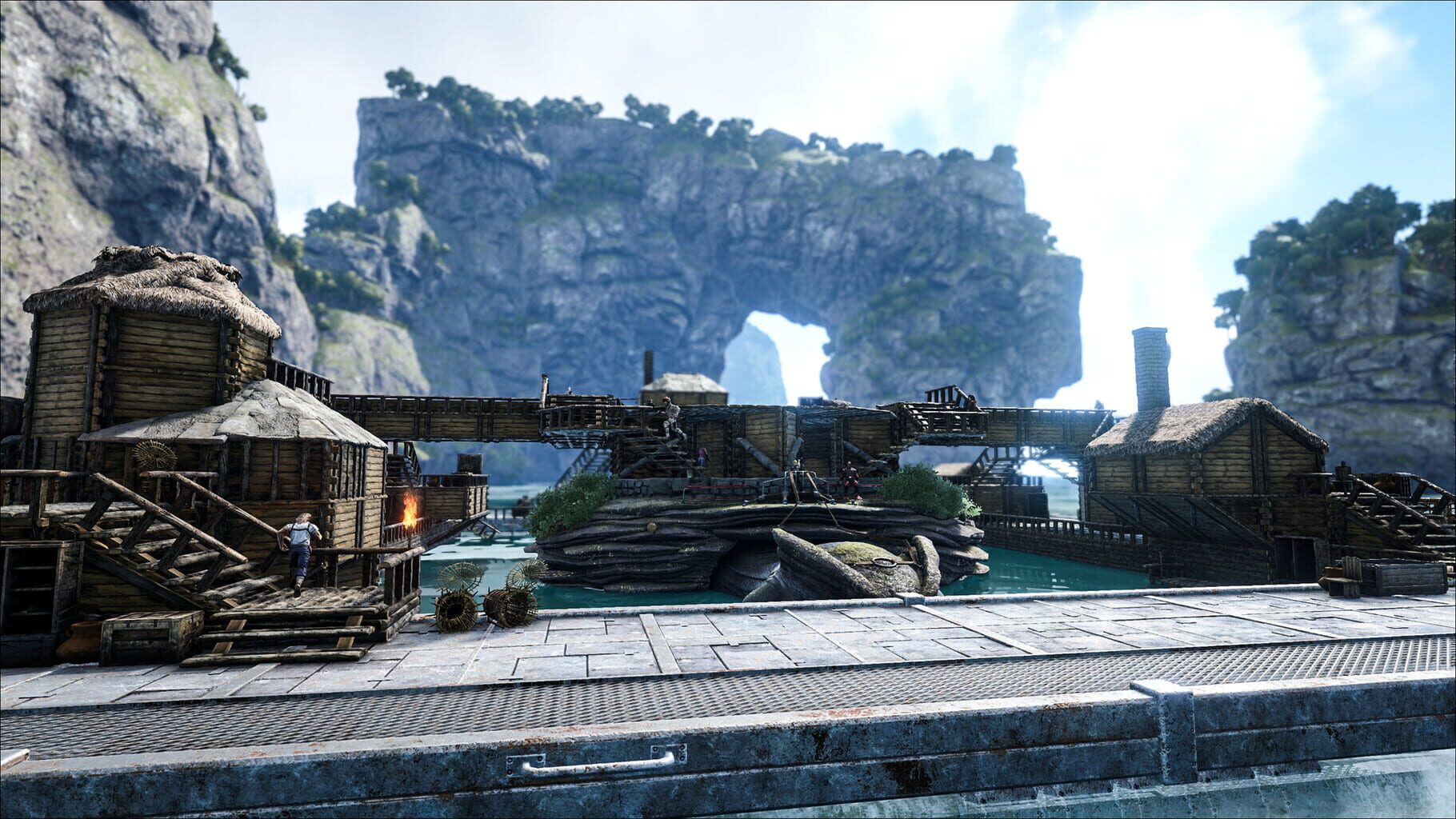
The Ocean biome consists of several small tropical islands atop a massive, deep-sea abyss. Most of the gameplay occurs underwater or within "vacuum compartments" found in the deep. This biome introduces the Megachelon, a giant six-legged turtle that acts as a mobile base and can grow rare mushrooms on its back.
The water is clear but deep, making oxygen management or a SCUBA tank a prerequisite for exploration. The Ocean is also home to Moeder, the only wild boss encounter on the map, located in the lightless depths of the trench.
The Volcanic Biome (Difficulty: Hard)
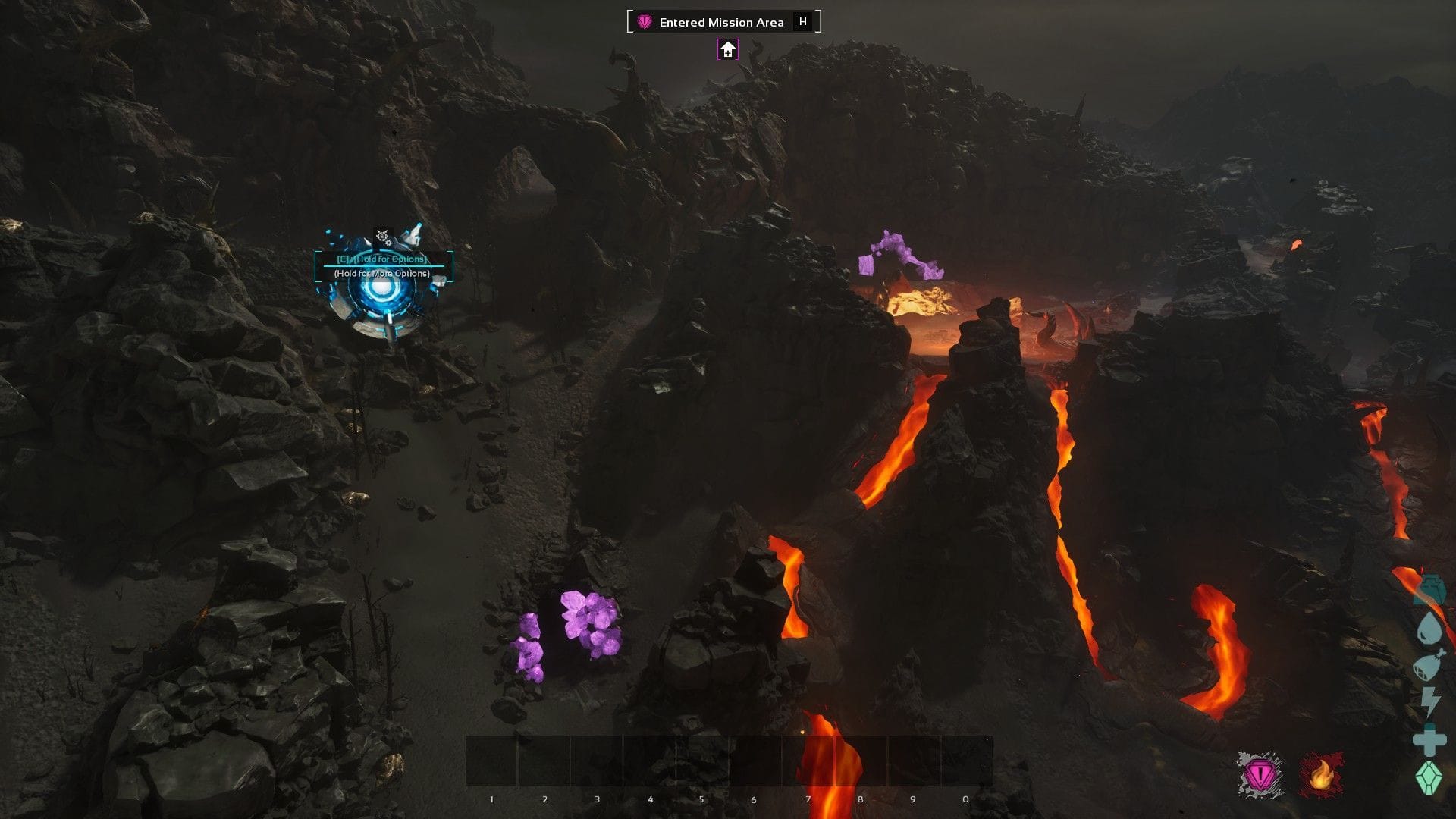
This biome is a scorched landscape of lava rivers and active volcanoes. It is the most resource-rich area for Metal and Obsidian but also the most dangerous. Periodic volcanic eruptions rain fire from the sky, forcing players to find cover or face instant death.
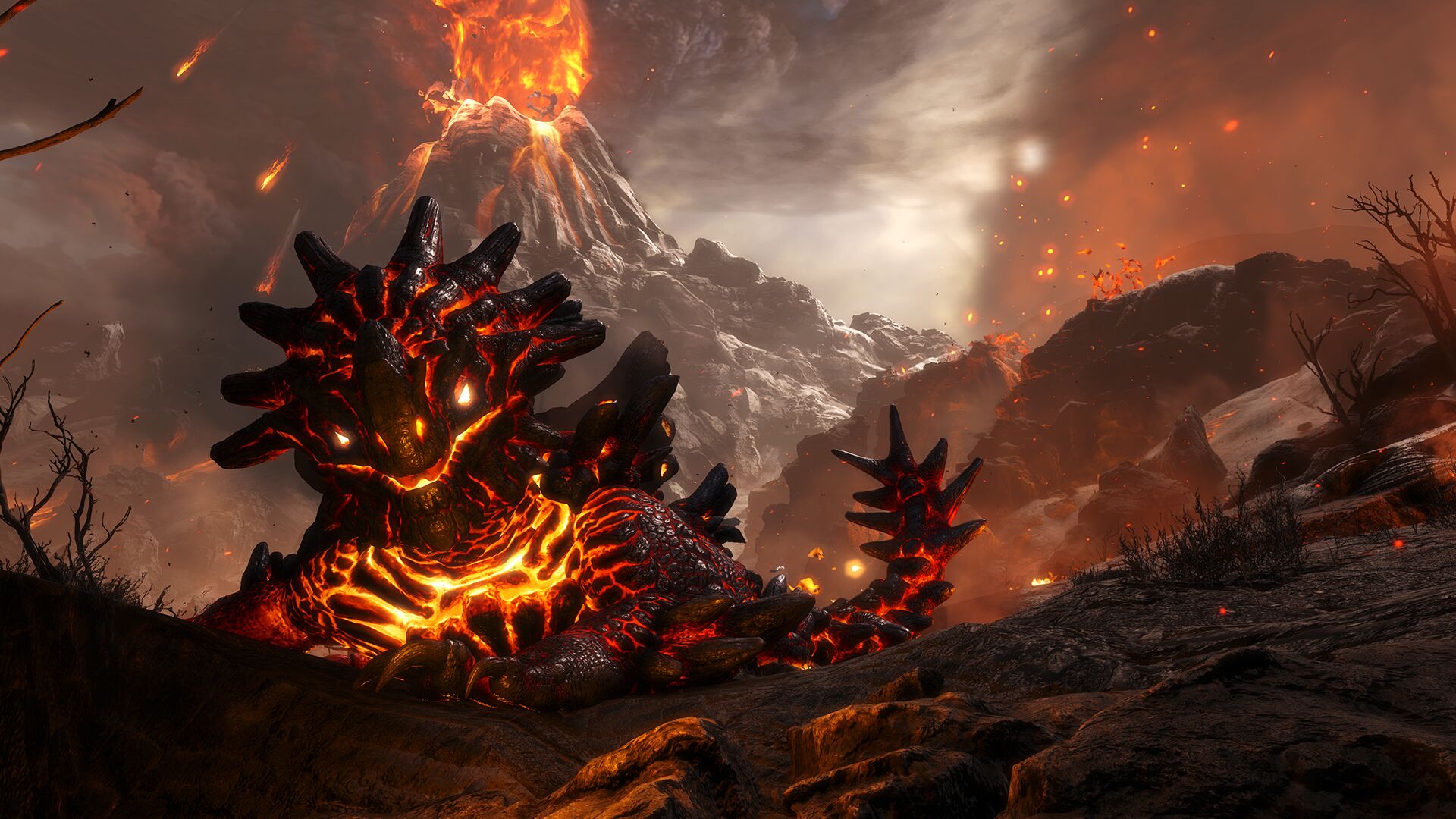
The primary inhabitant here is the Magmasaur, a creature capable of consuming ore and smelting it internally. Taming a Magmasaur is an endgame goal for many survivors, as its ability to act as a mobile forge and high-damage tank is unmatched in hazardous environments.
The Lunar Biome (Difficulty: Very Hard)
The Lunar biome is the most alien environment in ARK. It features low gravity, no atmosphere (requiring specialized gear or Hazard Suits), and lethal radiation in sunlit areas. Players must leap between floating asteroids to navigate.
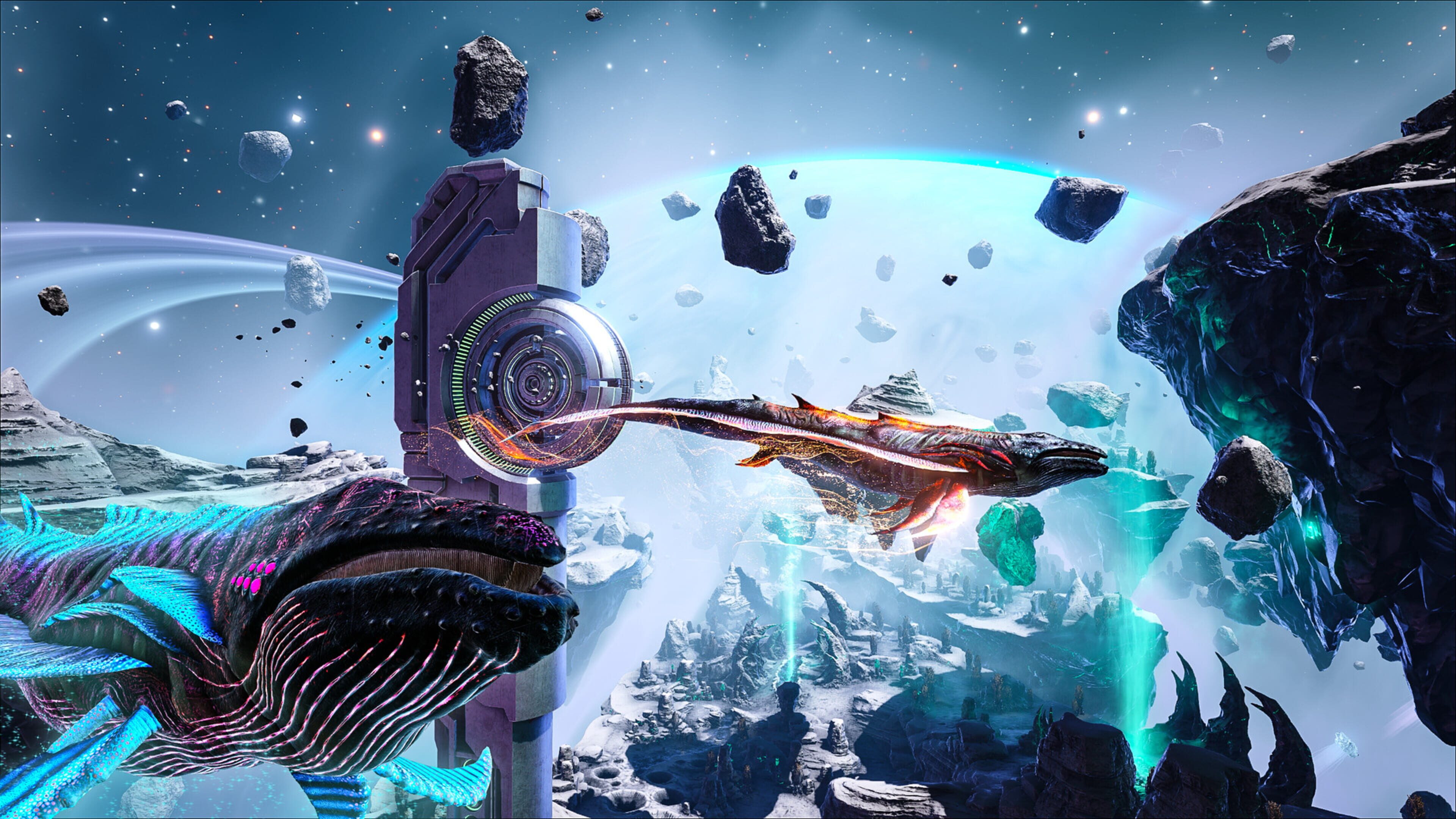
The Lunar biome is the only place to find Astrocetus, the massive "Space Whale" that can warp through space and be equipped with a Tek saddle. The rewards here are the highest in the game, including massive amounts of Element and high-level Tek blueprints, but the presence of Tek Rexes and the constant threat of suffocating or floating away into the void makes it a zone for prepared veterans only.
| Biome | Primary Hazard | Key Creature | Best Resource | Difficulty |
|---|---|---|---|---|
| Bog | Insect Swarms | Bloodstalker | Silk / Mushrooms | Medium |
| Arctic | Freezing / Avalanches | Ferox | Oil / Pelt | Medium |
| Ocean | Drowning / Megalodons | Megachelon | Angler Gel / Pearls | Medium |
| Volcanic | Eruptions / Heat | Magmasaur | Metal / Obsidian | Hard |
| Lunar | Radiation / Low Gravity | Astrocetus | Element / Polymer | Very Hard |
The Mission System and Progression
Genesis Part 1 replaced the traditional "explore and survive" progression with an objective-based system. Missions are accessed through terminals scattered across the biomes or via the HLN-A interface. These missions are categorized into several types:
- Hunt Missions: Track and defeat a powerful "Brute" version of a specific creature. These are tiered (Gamma, Beta, Alpha) and provide the bulk of high-end loot.
- Race Missions: Navigate a course using a specific creature (like a Proctoptodon or Bloodstalker) or on foot within a time limit.
- Extraction/Escort Missions: Protect a specific entity or gather data while fending off waves of enemies.
- Gauntlet Missions: Arena-based combat where players are given specific loadouts to defeat waves of bosses.
Why Missions Matter
In Genesis Part 1, you cannot access the final boss fight, the Corrupted Master Controller, simply by gathering artifacts. Instead, you must complete a specific number of missions. For Gamma difficulty, you need 58 missions; for Beta, 116; and for Alpha, a staggering 168 missions.
This requirement forces players to engage with all aspects of the simulation. The mission system also provides a consistent way to obtain "capped" loot (items with the highest possible stats), which was previously much more randomized on other maps.
New Creatures and Their Tactical Utility
The expansion introduced several "niche" creatures that changed the meta of ARK gameplay. Unlike earlier tames that were general-purpose, Genesis creatures are highly specialized.
- Bloodstalker: This creature revolutionized mobility. By using its silk webs, a player can swing through trees and across chasms much like a grappling hook but with significantly more control. It can also "sense" nearby enemies, making it an elite PvP scout.
- Ferox: The Ferox is a dual-state creature. In its small form, it is a shoulder pet that provides insulation. When fed Element, it transforms into a giant beast capable of throwing boulders and leaping massive distances. It is a premier choice for boss fights and heavy combat.
- Magmasaur: Acting as a mobile forge, the Magmasaur is essential for large-scale building projects. It can harvest metal nodes with extreme efficiency and defend itself with a searing heat aura.
- Megachelon: This giant turtle allows for the construction of bases on its shell. It also produces a "bubble" of oxygen, allowing players to breathe nearby without SCUBA gear. Its most unique trait is its ability to produce Rare Flowers and Mushrooms over time.
- Astrocetus: The endgame reward of the Lunar biome. It functions as a heavy bomber in tribe warfare, utilizing its Tek saddle to fire lasers and drop bombs, while its "Hyperdrive" ability allows it to teleport across the map.
Strategic Tips for Survivors in 2026
To succeed in Genesis Part 1, players must adapt to the "No Flyer" rule. On official servers and standard settings, traditional flying tames (like Pteranodons or Argentavis) cannot be ridden. This makes ground-based mobility and specialized tames like the Bloodstalker or Enforcer incredibly valuable.
Managing the Hexagon Economy
Don't hoard your Hexagons early on. Use them to buy basic supplies if you are struggling in a specific biome. Specifically, purchasing Crates from HLN-A is a viable strategy for solo players to get high-tier tools (like Ascendant Pickaxes) without needing to find rare blueprints and farm thousands of materials.
Fixing Glitches
As you explore, you will see shimmering distortions in the air. These are glitches. Interacting with them provides a significant amount of Hexagons and triggers lore entries from HLN-A. Fixing all glitches in a biome is a core part of the "completionist" path and provides a massive boost to your currency reserves.
Taming X-Variants
When taming X-Creatures, remember their damage resistance. You will need significantly more tranquilizer arrows or darts than you would for a standard version. However, once tamed, they lose this resistance but retain a slightly higher damage cap, making them objectively better for late-game combat than their Island counterparts.
Frequently Asked Questions
Can I use flyers in ARK: Genesis Part 1?
By default, flyers are disabled for riding in the Genesis simulation to preserve the intended challenge of the terrain. However, some server administrators enable them via the "ForceAllowCaveFlyers" or specific Genesis-related settings. In the standard gameplay experience, you must rely on Bloodstalkers, Feroxes, or Tek Suits for vertical mobility.
How do I leave a biome?
You cannot walk to another biome. You must interact with HLN-A, select the "Teleport" option, choose your destination biome, and then select a direction (North, South, East, West). Be aware that teleporting brings all nearby tames with you, but there is a short cooldown and a brief period of vulnerability while the teleport charges.
What is the best biome to start in?
While the Bog is labeled "Easy," many experienced players recommend the Ocean biome for a safer start. By staying on the surface islands, you avoid the aggressive swarms of the Bog and the extreme temperatures of the Arctic. You can easily gather dodo meat and wood on the islands before venturing into the more dangerous deeps.
What happens if I die during a mission?
If you die during a mission, the mission fails immediately. On most servers, your body and equipment remain at the location of death, but the mission progress is reset. Some "Gauntlet" missions provide you with temporary gear; in those cases, you do not lose your personal items upon failure, as they are stored safely until the mission ends.
Is the Master Controller boss fight soloable?
The Corrupted Master Controller is widely considered one of the most difficult boss fights in ARK. While it is technically possible to solo on Gamma difficulty with high-level Tek Rexes and a strategic use of the mission mechanics, Beta and Alpha difficulties almost always require a coordinated group or highly mutated "super-dinos" due to the strict time limits and multiple combat phases.
Final Recommendation: Is Genesis Part 1 for You?
ARK: Genesis Part 1 is recommended for players who enjoy objective-based gameplay and high-difficulty environments. It is less of a "building" map and more of a "challenge" map. If you prefer the traditional experience of exploring a single massive continent, you may find the teleportation-based biomes restrictive. However, for those looking to experience the peak of ARK's sci-fi narrative and unlock the most specialized creatures in the game, Genesis Part 1 is an essential expansion. To progress effectively, focus on mastering the Bloodstalker's mobility early and use the Hexagon store to bypass the more tedious aspects of resource gathering.