In Arkansas, drivers who possess a vehicle without a valid title must obtain a bonded title—often referred to as auto title insurance—to legally register their vehicle and secure mandatory liability insurance. This process involves purchasing a surety bond that protects the state and previous owners, allowing the current driver to establish ownership and meet Arkansas's strict road-legal requirements.
The relationship between vehicle titles, surety bonds, and auto insurance is a critical intersection of law that every Arkansas driver must navigate if their ownership documentation is incomplete. Whether you purchased a vehicle via a bill of sale without a title, lost the original document before transferring it, or received a vehicle as a gift without the proper paperwork, the state of Arkansas provides a specific legal pathway to ensure you can operate your vehicle legally. As of 2026, the Arkansas Department of Finance and Administration (DFA) continues to enforce these regulations to prevent title fraud and ensure that all vehicles on the road are properly insured and accounted for.
Understanding the Arkansas Bonded Title System
In many states, "title insurance" refers to a policy that protects a property buyer from financial loss due to defects in a title. However, in the context of Arkansas automotive law, drivers typically use this term to describe the Arkansas Title Bond. This is a three-party agreement between the driver (the principal), the Arkansas DFA (the obligee), and a surety company.
The purpose of this bond is to provide a financial guarantee. If a legitimate owner emerges within the next three years and proves the vehicle was wrongfully titled to you, the bond provides a fund from which they can be compensated. For the driver, the bond serves as a "surrogate title," allowing the DFA to issue a certificate of title marked "Bonded." This document is the key to unlocking all other driver privileges, including vehicle registration and the acquisition of standard Arkansas auto insurance.
Without this bond, a driver in Arkansas cannot prove ownership to the Office of Motor Vehicle (OMV). Consequently, the vehicle cannot be registered, license plates cannot be issued, and most reputable insurance providers will refuse to issue a standard comprehensive or collision policy because the "insurable interest" (ownership) is not legally established.
Why Arkansas Drivers Need Title Bonds for Insurance Eligibility
The primary reason an Arkansas driver pursues a bonded title is to bridge the gap between possession and legal registration. Arkansas law requires all drivers to carry minimum liability insurance: $25,000 for bodily injury per person, $50,000 for bodily injury per accident, and $25,000 for property damage.
Insurance companies are often hesitant to provide full coverage for a vehicle that does not have a clear title in the driver's name. From an actuarial perspective, a car with a "clouded title" represents a higher risk. If the car is totaled in an accident, the insurance company needs to know exactly who to pay. If the title is missing, they cannot verify the legal owner.
By obtaining a bonded title, you provide the insurance company with the necessary proof of ownership. Once the DFA issues the bonded title, the vehicle is entered into the state's database, allowing insurance agents to verify the VIN (Vehicle Identification Number) and link it to your driver's profile. This allows you to:
- Meet the legal requirements for Arkansas liability insurance.
- Protect your financial investment through comprehensive and collision coverage.
- Avoid "uninsured motorist" penalties and registration suspensions.
Eligibility Requirements for a Bonded Title in Arkansas
Not every driver or vehicle is eligible for this process. The Arkansas DFA has established strict prerequisites to prevent the "laundering" of stolen vehicles. To qualify for a bonded title in 2026, the following conditions must be met:
- Arkansas Residency: The applicant must be a legal resident of Arkansas.
- Physical Possession: You must have the vehicle in your physical possession. You cannot apply for a bonded title for a vehicle that is currently impounded or held by another party.
- No Existing Liens: The vehicle must be free of any active liens. If a bank or lending institution holds a lien on the vehicle, you must obtain a lien release before the DFA will authorize a bond.
- Verification of Non-Stolen Status: The vehicle must not be reported as stolen. The DFA and the Arkansas State Police coordinate to verify the VIN history.
- Evidence of Acquisition: While you may not have a title, you must have some form of proof of how you got the vehicle, such as a bill of sale, a canceled check, or a notarized statement of facts.
Step-by-Step Guide: How to Secure an Arkansas Auto Title Bond
Navigating the Arkansas OMV can be complex, but following these steps in order will minimize delays.
Step 1: Request a Title Search and Inspection
Before buying a bond, visit a local DFA Revenue Office. You must request a title search to ensure there is no record of a current, valid title that would conflict with your claim. In some cases, especially for custom-built or older vehicles, an inspection by the Arkansas State Police or a DFA agent may be required to verify the VIN plate's authenticity.
Step 2: Establish the Vehicle’s Value
The cost of your bond is directly tied to the value of the vehicle. Arkansas requires the bond amount to be one and a half times (1.5x) the value of the vehicle as determined by the DFA. The DFA typically uses the NADA clean trade-in value or a similar standard to establish this figure.
Step 3: Purchase the Surety Bond
Once the DFA provides you with the required bond amount, you must contact a surety bond agency licensed to operate in Arkansas. You do not pay the full bond amount; instead, you pay a "premium," which is usually a small percentage of the bond's total value (often between $100 and $250 for standard vehicles).
Step 4: Submit the Bonded Title Application
Take the following documents to the DFA:
- The original surety bond document.
- A completed "Statement of Fact for Bonded Title."
- The Bill of Sale (if available).
- Any applicable sales tax payments.
- The registration fee.
Step 5: Receive the Bonded Title
If approved, the DFA will issue a title with the word "BONDED" printed on the front. This title is valid for all purposes in Arkansas, including selling the vehicle. However, the "bonded" brand will remain on the title for three years.
Cost Analysis: Bond Premiums and Registration Fees
The financial burden of being a driver without a title involves several layers. Below is a breakdown of the estimated costs you will encounter in 2026.
| Fee Type | Estimated Cost (2026) | Frequency |
|---|---|---|
| Surety Bond Premium | $100 – $250 (for vehicles under $6,000 value) | Once (Valid for 3 years) |
| Title Application Fee | $10.00 | One-time |
| Registration/License Plate | $17.00 – $30.00 (based on weight) | Annual |
| Sales Tax | 6.5% of purchase price (plus local taxes) | One-time at registration |
| VIN Inspection (if required) | $0 – $25.00 | One-time |
Note: If the vehicle value exceeds $10,000, the bond premium will scale upward based on the surety company's risk assessment.
The Intersection of Vehicle Ownership and Arkansas Auto Insurance Laws
A common mistake Arkansas drivers make is assuming that auto insurance alone satisfies the state's legal requirements. In reality, insurance and title registration are two halves of the same coin. Under the Arkansas Mandatory Liability Insurance Act, the state monitors insurance compliance through an online verification system.
If you are a "driver" of a vehicle but not the "titled owner," you face significant hurdles. For example, if you are driving a car that belongs to a deceased relative and the title was never transferred, your personal auto insurance policy might not cover an accident involving that vehicle. Most insurance contracts require the policyholder to have an ownership stake in the insured property.
The "Driver" vs. "Owner" Distinction:
- The Titled Owner: Must be the one to purchase the title bond.
- The Driver: If the driver is different from the owner (e.g., a family member), the insurance policy must explicitly list both the vehicle and the driver. However, the registration (which requires the bond) must still be in the name of the legal owner.
If you are a driver operating a vehicle with a "bonded title," you must inform your insurance agent. While a bonded title is a legal document, some specialized insurers might have specific riders or requirements for vehicles with branded titles.
Common Challenges and Troubleshooting for Drivers
The path to getting a bonded title and insurance in Arkansas is not always smooth. Here are the most common issues drivers face in 2026:
The "Stolen" Flag
If your VIN search returns a "stolen" status, the DFA will immediately halt the process and involve law enforcement. Even if you bought the car in good faith, you cannot get a bonded title for a stolen vehicle. In this scenario, you are a victim of fraud and should seek legal counsel to attempt to recover your funds from the seller.
The Previous Lienholder
If a search reveals a lien from a bank that no longer exists (a common issue with older cars), you must show a good-faith effort to contact the successor institution. If the lien is not cleared, the surety company will refuse to issue the bond because their financial risk is too high.
Value Discrepancies
If you believe the DFA's valuation of your car is too high (thereby making your bond too expensive), you may submit an appraisal from a licensed Arkansas auto dealer to contest the valuation. This is particularly relevant for "project cars" or vehicles with significant body damage that the NADA guide does not account for.
Frequently Asked Questions
Can I get auto insurance in Arkansas before I have the bonded title?
Generally, no. Most insurance companies require a valid registration or proof of ownership to issue a standard policy. However, you can sometimes obtain "non-owner insurance" or a temporary binder if you can prove to the agent that the bonded title process is currently underway. Check with the Arkansas Insurance Department for current consumer protections regarding these scenarios.
How long does the "Bonded" status stay on my Arkansas title?
The bond remains active for three years. If no one claims ownership of the vehicle during that period, the bond expires, and you can apply for a "clean" title that no longer carries the "Bonded" brand.
What happens if someone claims the vehicle after I've bonded it?
The surety company will investigate the claim. If the claim is valid, the surety will pay the claimant up to the bond's limit. However, as the "principal" of the bond, you are legally obligated to reimburse the surety company for every dollar they pay out, including legal fees.
Is a bonded title the same as a salvage title?
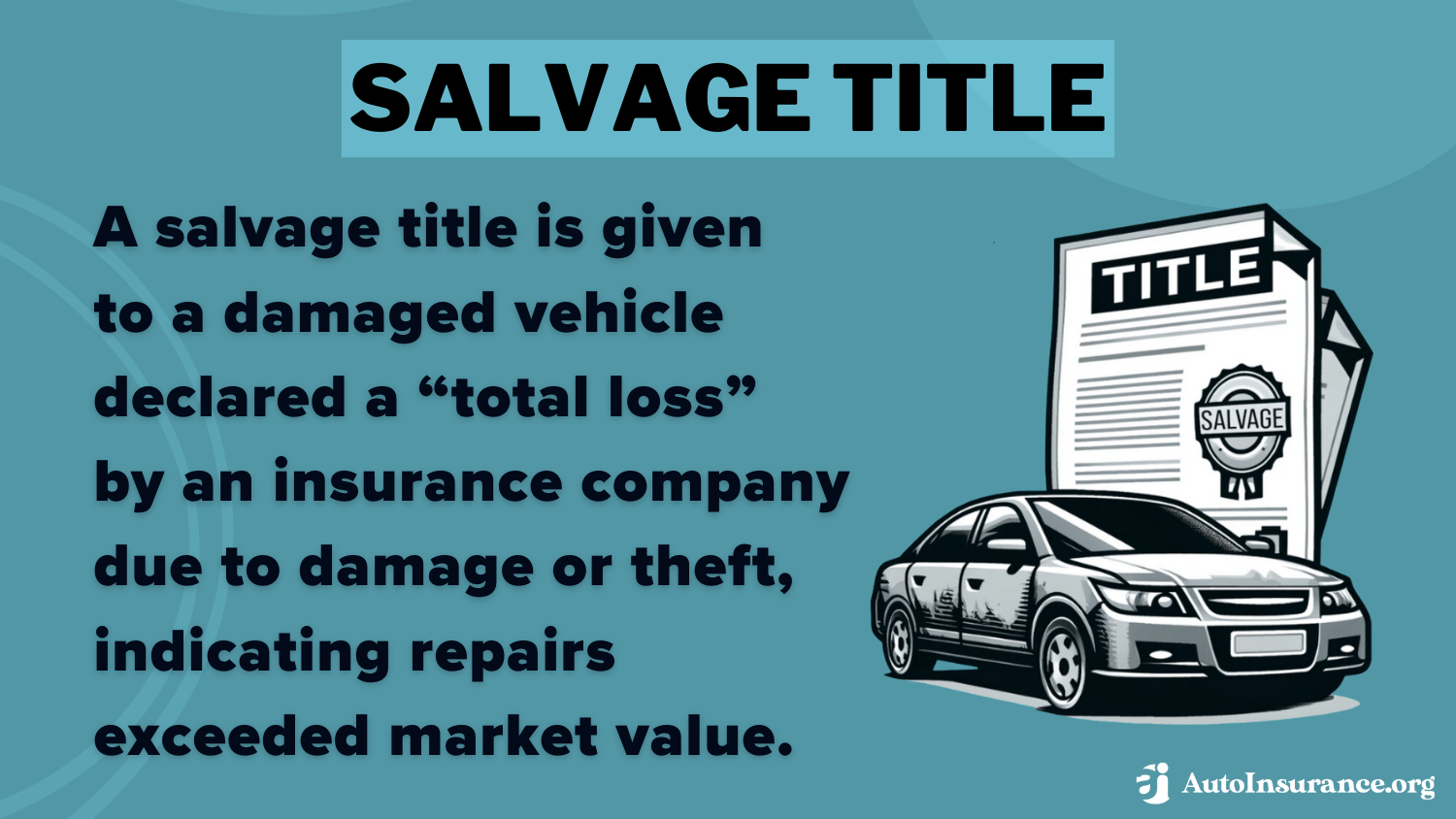
No. A salvage title indicates the vehicle was declared a total loss by an insurance company. A bonded title refers only to the status of the ownership documentation. A vehicle can theoretically have both a salvage brand and a bonded brand simultaneously.
Can I sell my car if it has an Arkansas bonded title?
Yes. You can sell a vehicle with a bonded title. However, the "Bonded" brand and the three-year window stay with the vehicle, meaning the new buyer must be informed of the status. The buyer will essentially take over your position in the three-year waiting period.
Practical Recommendation for Arkansas Drivers
If you find yourself with a vehicle and no title in 2026, your first action should be to visit the Arkansas DFA Office of Motor Vehicle website to download the "Bonded Title Waiver" forms. Do not attempt to drive the vehicle on public roads until you have at least secured the bond and a temporary registration tag.
Operating a vehicle without a title usually means you are also operating without valid insurance, which in Arkansas can lead to hefty fines, the impoundment of the vehicle, and the suspension of your driver's license. Secure your surety bond from a reputable agency, present your documentation to the DFA, and immediately contact your insurance provider to add the newly registered vehicle to your policy. This ensures you are protected both legally and financially under Arkansas law.