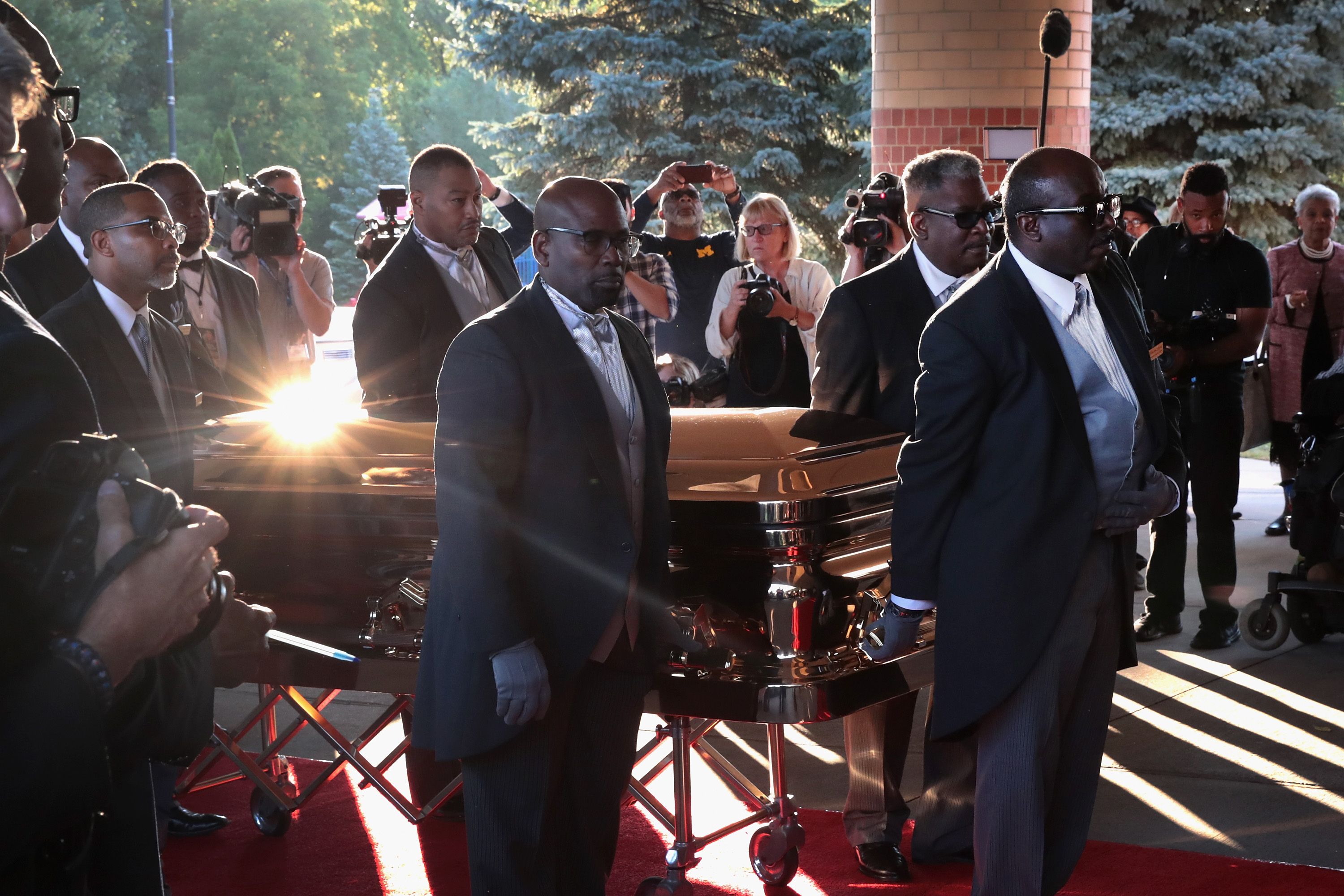
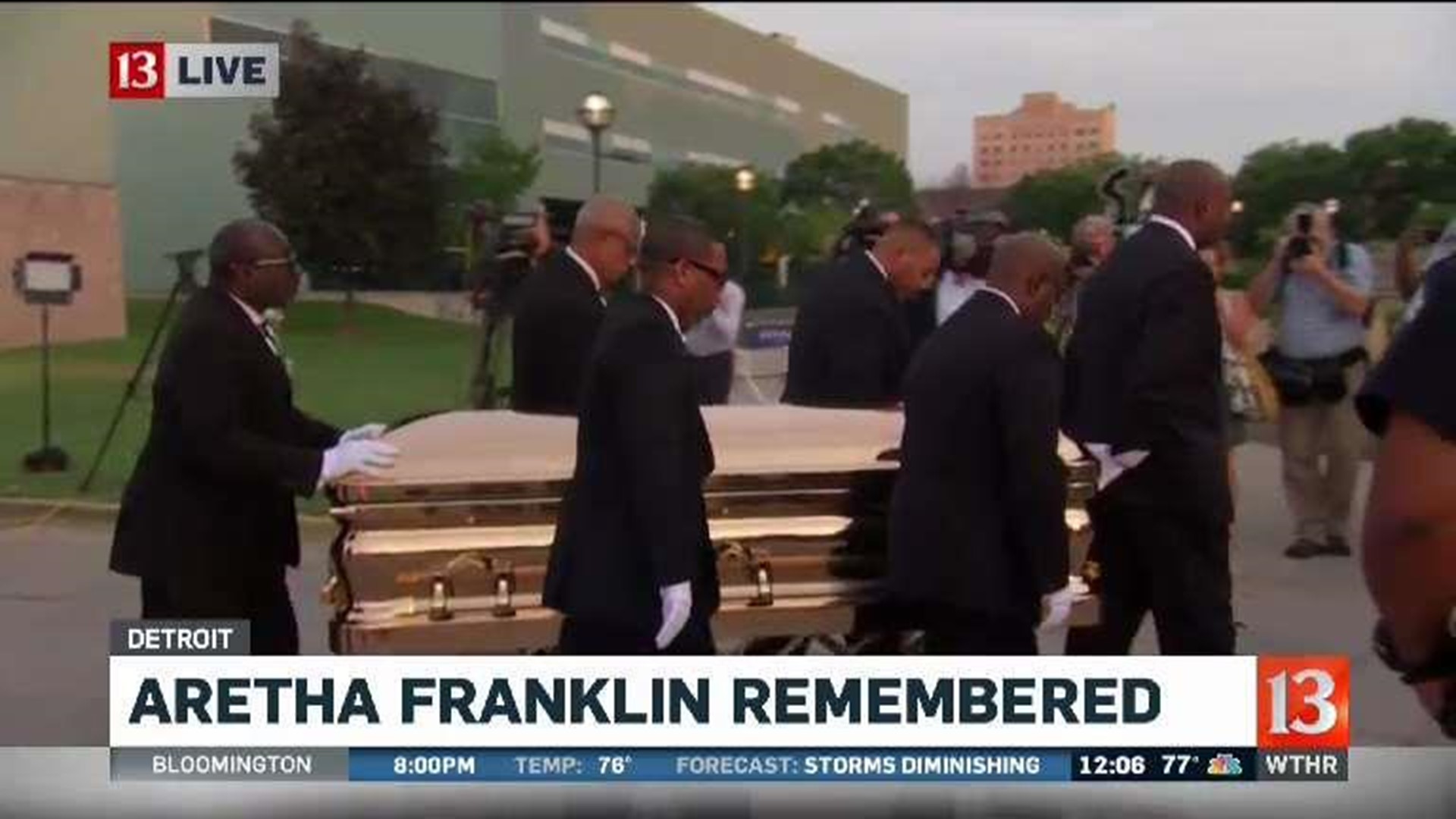
The imagery associated with Aretha Franklin in her casket became a significant cultural touchstone during her 2018 funeral services. Following her passing on August 16, 2018, the "Queen of Soul" was honored with a series of public viewings and a private funeral service held in Detroit, Michigan, which captured global attention due to the intentional preservation of her legacy through elaborate funerary traditions.
The Cultural Context of the Final Services
When considering the public interest in Aretha Franklin’s final arrangements, it is essential to distinguish between the nature of a private grieving process and the public nature of a state-level musical icon’s passing. Aretha Franklin was not merely a singer; she was a pillar of American civil rights, gospel music, and cultural history. Her family and the organizers of her homegoing service understood that the public required a mechanism to process the loss of such a monumental figure.
The decision to hold an open-casket viewing at the Charles H. Wright Museum of African American History in Detroit was rooted in a tradition of "homegoing" services common in African American culture. This practice allows the community to pay respects, celebrate the life of the deceased, and acknowledge the physical transition that has occurred. The visual presentation of the icon in her casket served as the final chapter of a multi-day public farewell that underscored her status as the "Queen of Soul."
Technical Details of the Funerary Arrangements
The casket chosen for Aretha Franklin was a solid bronze Promethean casket, a choice that reflected both the grandeur of her career and the permanence of her legacy. The Promethean model is widely recognized in the funeral industry for its high-end construction, often utilized for high-profile public figures. The casket was hand-polished and lined with champagne-colored velvet, providing a stark, elegant contrast that appeared frequently in photographs and news broadcasts during the 2018 services.
The choice of a metallic, gold-toned casket was historically significant. In many African American funeral traditions, the aesthetics of the "homegoing" are crafted to mirror the dignity and grace with which the individual lived. The detail-oriented nature of the service, including the specific wardrobe choices for the deceased—who appeared in different outfits across multiple days of public viewing—demonstrated an intentional approach to maintaining her public image even in death.
The Evolution of Public Viewings for Cultural Icons
The public viewing of Aretha Franklin’s casket invites a comparison to other historical figures who have been laid in state or held public viewings. Unlike a state funeral, where the government manages the protocol, a private family-led funeral for a celebrity of Franklin's stature must balance public access with family privacy.
The following table outlines the logistical aspects of the public viewing and the intentionality behind the presentation:
| Aspect | Description | Purpose |
|---|---|---|
| Casket Type | Solid Bronze Promethean | Durability, aesthetic elegance, and premium status |
| Viewing Location | Charles H. Wright Museum | Connection to African American history and Detroit roots |
| Public Access | Two-day public viewing | Allowing fans to process grief collectively |
| Attire | Multiple outfit changes | Honoring the icon's legacy of style and performance |
Understanding the "Homegoing" Tradition
For those unfamiliar with the cultural nuances of an African American "homegoing," the term refers to more than a standard funeral; it is a celebratory, faith-based event centered on the belief that the deceased has returned home to God. The sight of Aretha Franklin in her casket was not intended to be a morbid spectacle, but rather a final opportunity for the public to feel a sense of closure.
The precision of the service—the music, the eulogies, and the aesthetic presentation—was managed by professional funeral directors who specialize in high-profile arrangements. In 2026, looking back at the 2018 events, the public documentation of these services serves as a masterclass in how to manage the transition of a public persona into history while respecting the boundaries of the family.
Precautions and Ethical Considerations in Funeral Photography
The widespread circulation of images showing Aretha Franklin in her casket raises important questions about the ethics of photography and the digital afterlife of celebrities. In the modern era, the line between public event documentation and invasive journalism has blurred.
- Consent and Family Wishes: The primary consideration in any public viewing is the family's desire for how their loved one is presented. In the case of Franklin, the family provided controlled access to media outlets, ensuring that the imagery remained dignified.
- Digital Permanence: Images captured during the 2018 services now exist in digital archives indefinitely. This permanence means that the visual memory of the casket is tied permanently to the historical record of the funeral.
- Respectful Documentation: When documenting such events, news organizations typically adhere to guidelines that prioritize the dignity of the deceased. This includes avoiding zoomed-in or exploitative angles, focusing instead on the broader scene of the attendees and the environment.
Frequently Asked Questions
Why was there so much focus on Aretha Franklin’s casket? The focus was primarily due to her iconic status as a global musical treasure. Because the viewing was public, the visual details became part of the historical record, marking the final stage of her life and career for millions of fans.
What is a Promethean casket? The Promethean is a premium, high-quality bronze casket often favored for its durability and aesthetic appeal. It is frequently associated with high-profile services because it represents the highest standard of craftsmanship in the funeral industry.
Are public viewings common for musicians? Public viewings are relatively rare and usually reserved for cultural icons whose impact extends beyond their professional work into the social and political fabric of a nation. It allows the community to engage in communal mourning.
How long was the public viewing held? The viewing was held over two days at the Charles H. Wright Museum of African American History in Detroit. This duration allowed thousands of mourners to pass by and pay their respects in an organized, respectful manner.
Was the casket always the same throughout the viewing? While the casket remained the same, the presentation—including the attire and the surrounding floral arrangements—was periodically adjusted to honor different facets of her life and career, reflecting her multifaceted legacy as a performer and a person of faith.
Conclusion and Next Actions
The events surrounding Aretha Franklin's passing and funeral serve as a comprehensive example of how to honor a legacy of immense magnitude. For those studying the intersection of culture, death, and public figurehood, these events highlight the importance of careful planning, cultural sensitivity, and the balancing of public desire with family dignity.
If you are researching funeral planning or the historical documentation of celebrity transitions, it is recommended to consult the archives of the Charles H. Wright Museum or the official statements issued by the Franklin family representatives. These sources provide the most accurate and respectful context for understanding the events of 2018, which continue to influence how we approach the mourning of significant cultural figures in 2026 and beyond.