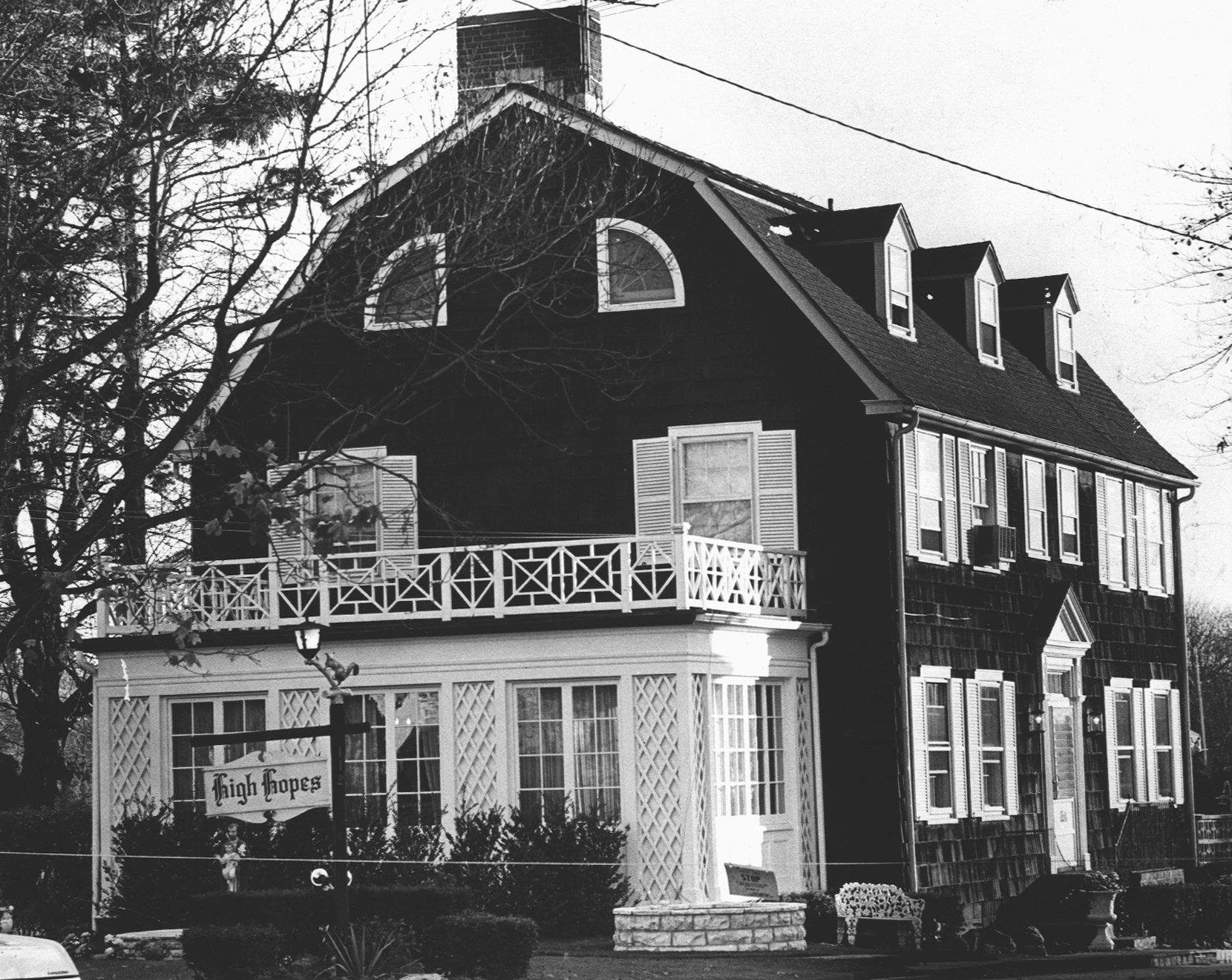
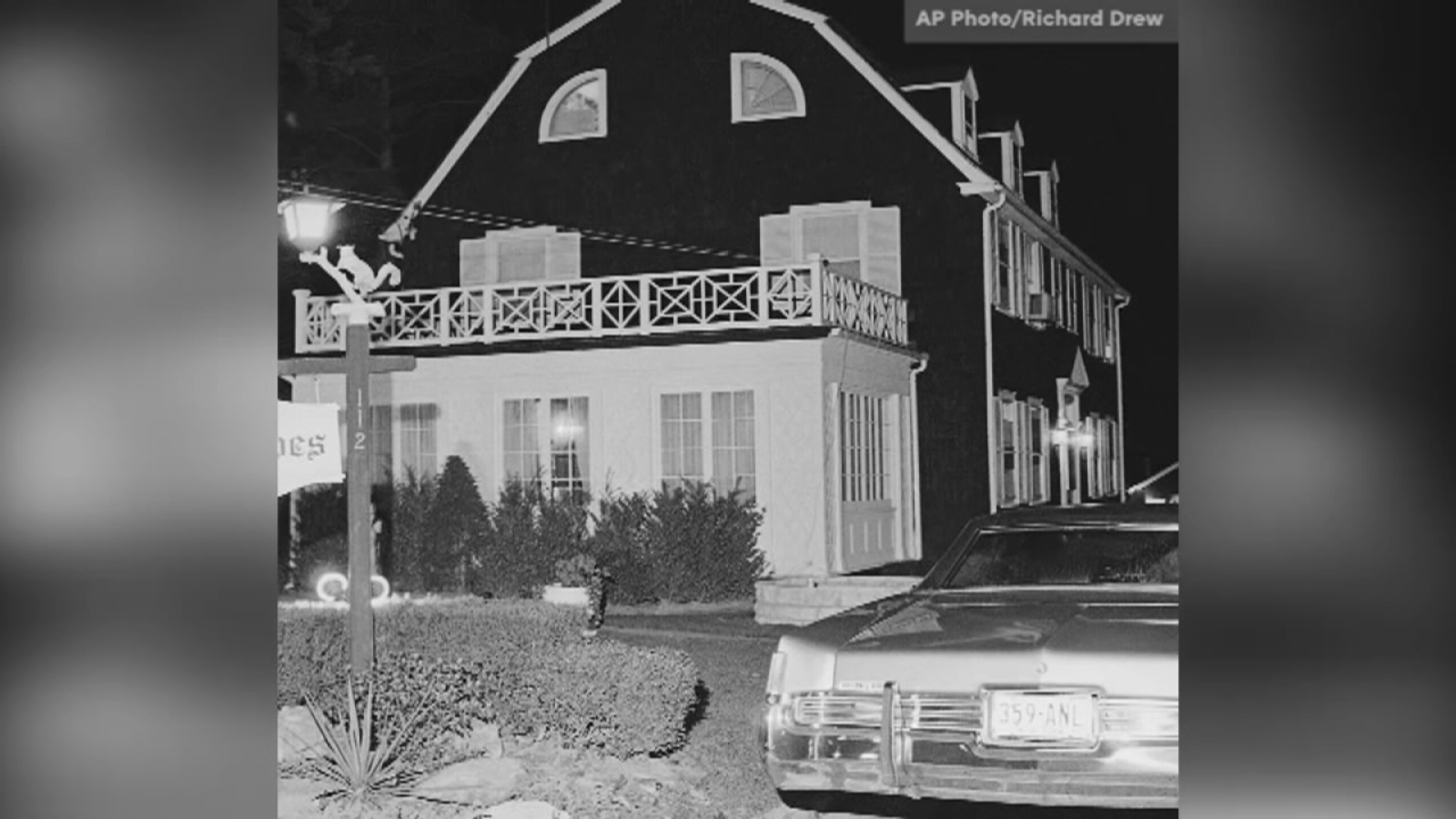
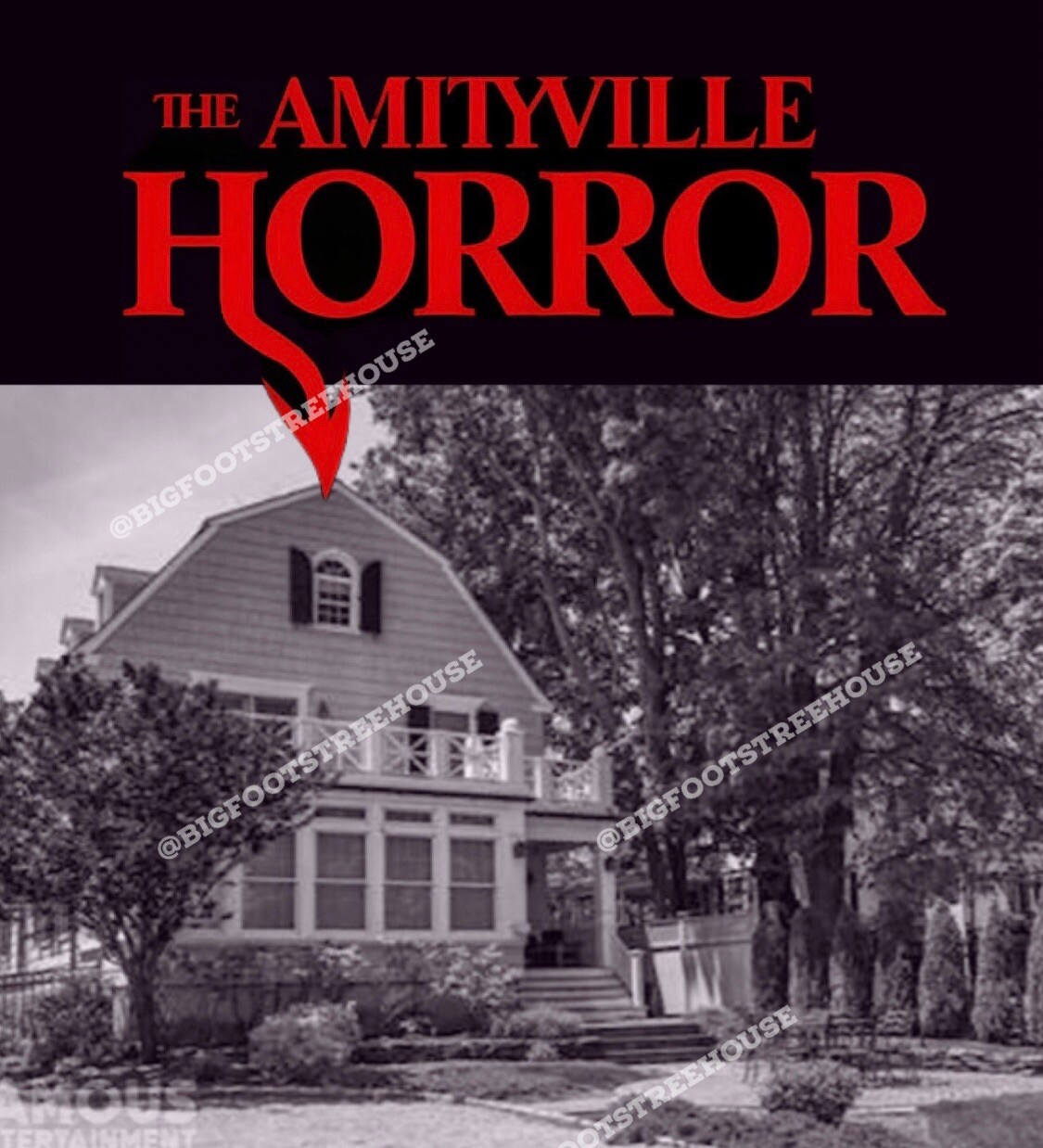
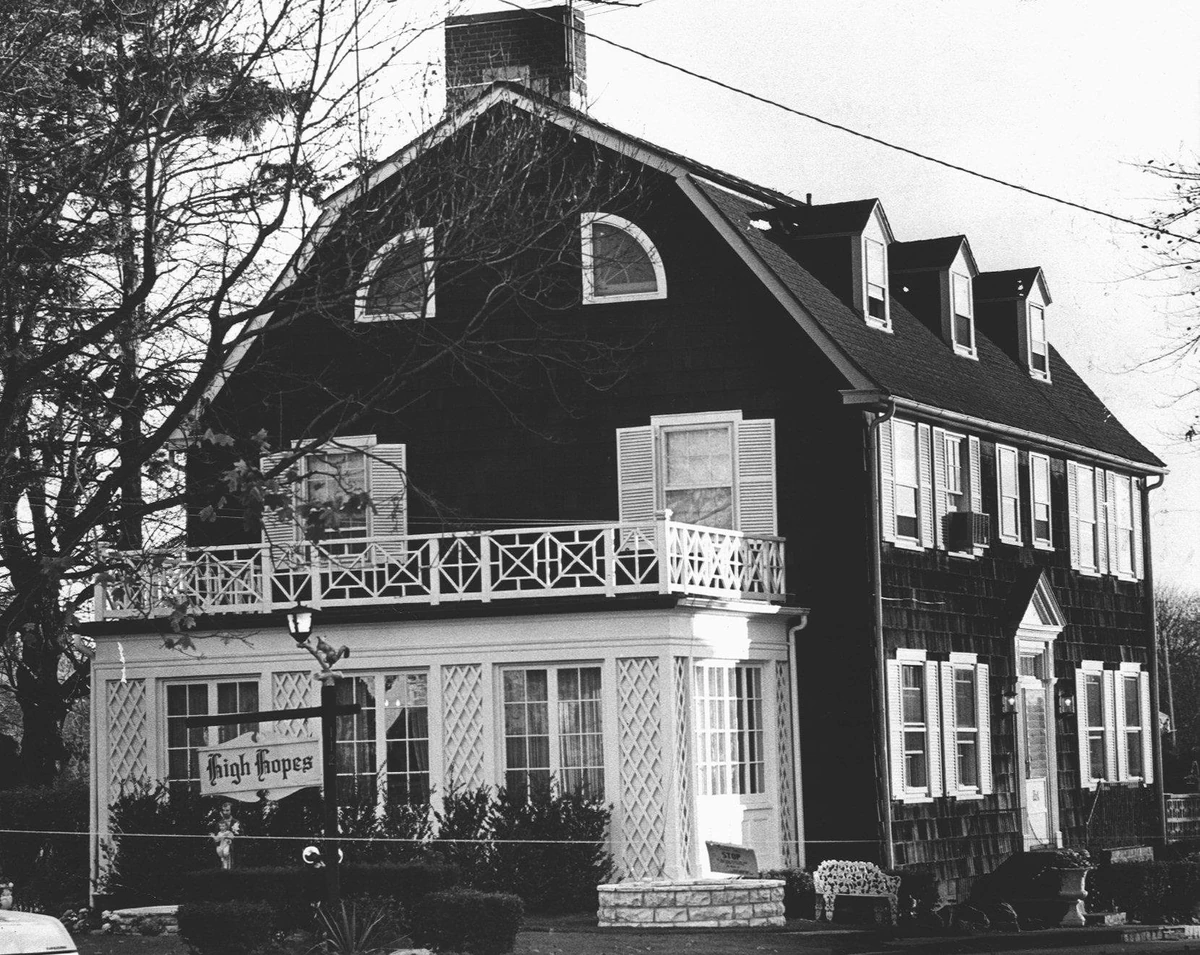
The Amityville house, located at 108 Ocean Avenue in Amityville, Long Island, is arguably the most famous "haunted" residence in the United States. Its notoriety stems from the tragic 1974 DeFeo family murders and the subsequent paranormal claims made by the Lutz family in 1975. While the murders are a documented historical fact, the supernatural events reported afterward remain a subject of intense debate, skepticism, and commercial exploitation.
The Foundation of the Legend: The 1974 DeFeo Murders
Before it was a "haunted house," the large Dutch Colonial at 112 Ocean Avenue (the address was later changed) was the site of a horrific mass murder. On November 13, 1974, 23-year-old Ronald DeFeo Jr. used a .35-caliber Marlin lever-action rifle to systematically execute his entire family while they slept.
The victims included his parents, Ronald DeFeo Sr. (43) and Louise DeFeo (43), and his four siblings: Dawn (18), Allison (13), Marc (12), and John Matthew (9). All six victims were found face-down in their beds. This specific detail—the fact that no neighbors heard gunshots and the victims showed no signs of struggle or sedative use—later fueled supernatural theories, though forensic experts suggested the house's acoustics and the victims' sleeping positions played a role.
Ronald DeFeo Jr., often called "Butch," initially claimed a mob hitman was responsible but eventually confessed to the crimes. During his trial, his defense attorney, William Weber, attempted an insanity plea, claiming DeFeo heard voices from the house commanding him to kill. This was the first seed of the "haunted house" narrative. DeFeo was convicted on six counts of second-degree murder and sentenced to 25 years to life. He died in custody in March 2021.
The Lutz Era: 28 Days of Reported Terror
In December 1975, George and Kathy Lutz purchased the house for $80,000, a significantly reduced price due to the property's dark history. They moved in with their three children, aware of the murders but believing the beautiful waterfront property was a dream home. They fled just 28 days later, claiming they were driven out by malevolent spirits.
The Lutzes' accounts, which formed the basis of Jay Anson’s 1977 book The Amityville Horror, included several high-profile paranormal claims:
- Physical Manifestations: Reports of green slime oozing from the walls and keyholes.
- The "Red Room": A small, hidden space behind the basement walls that the family dog supposedly refused to enter, which George Lutz claimed was a portal to hell.
- The Entity "Jodie": A demonic, pig-like creature with glowing red eyes seen by their daughter, Missy.
- Behavioral Changes: George Lutz claimed to wake up every morning at 3:15 AM—the estimated time of the DeFeo murders—and became obsessed with the fireplace.
- Levitation and Injuries: Kathy Lutz claimed to have levitated off the bed and developed physical welts and redness on her skin.
While these stories captured the public imagination, they were met with immediate skepticism from investigators and subsequent owners of the property.
Dissecting the Hoax: The "Bottles of Wine" Confession
The primary criticism of the Amityville haunting is the claim that it was a financial fabrication. William Weber, Ronald DeFeo Jr.'s defense attorney, famously admitted in a 1979 interview with People magazine that he, George, and Kathy Lutz "created this horror story over many bottles of wine."
Weber’s motive was to find a way to get a new trial for DeFeo based on the "demonic possession" or "insanity" angle. The Lutzes, who were struggling financially at the time, were looking for a way to recoup their investment after fleeing the house. This collaboration between a lawyer looking for a legal loophole and a family in financial distress cast a permanent shadow over the validity of the haunting.
Independent researchers, such as Rick Moran and Stephen Kaplan, noted numerous inconsistencies in the Lutzes' story. For instance, the Lutzes reported heavy snow on days when meteorological records showed no precipitation in Amityville. Additionally, damage to doors and locks described in the book was not found by subsequent investigators or the original police reports from the DeFeo case.
Paranormal Investigations: The Warrens vs. The Skeptics
The case became a cornerstone of the careers of Ed and Lorraine Warren, self-proclaimed demonologists. They visited the house in 1976 and declared it genuinely possessed by an "inhuman spirit." During their investigation, a famous photograph was taken of what appeared to be a "ghost boy" peeking out from a doorway.
Skeptics, however, have largely debunked this evidence. The "ghost boy" is widely believed to be Paul Bartz, an investigator who was working with the Warrens at the time. Furthermore, the Warrens were often accused of sensationalism to promote their own books and lectures.
Other professional paranormal groups that have analyzed the property have found no evidence of unusual magnetic fields, EVP (Electronic Voice Phenomena), or photographic anomalies that cannot be explained by natural causes or technical glitches.
The Commercial Legacy: Books and Films
Regardless of the truth, the Amityville story became a massive commercial success. Jay Anson's book became a bestseller, and the 1979 film starring James Brolin and Margot Kidder is considered a classic of the horror genre.
The franchise has since grown to include over 20 films, ranging from major studio releases to low-budget independent features. This media saturation has made "Amityville" a brand name for horror, often overshadowing the actual history of the village of Amityville itself. The iconic "eye" windows of the house—actually quarter-moon windows designed to provide light to the attic—became a visual shorthand for evil, leading many subsequent owners to replace or square them off to reduce the house's recognizable silhouette.
Real Estate History and the Search for Privacy
The house at 108 Ocean Avenue remains a private residence. Since the Lutzes fled in 1976, several families have owned and lived in the home, none of whom have reported any paranormal activity.
| Year | Event | Notable Details |
|---|---|---|
| 1974 | DeFeo Murders | Ronald DeFeo Jr. kills six family members. |
| 1975 | Lutz Purchase | The Lutz family moves in and stays for 28 days. |
| 1977 | Cromarty Purchase | James and Barbara Cromarty buy the house; they sue the Lutzes and Anson for fraud. |
| 1987 | O'Neill Sale | Peter and Jeanne O'Neill purchase the home; they renovate extensively. |
| 1997 | Wilson Purchase | Brian Wilson buys the property for $310,000. |
| 2010 | Fragoso Purchase | David and Odalys Fragoso buy the home for $950,000. |
| 2017 | Recent Sale | Sold for $605,000; the address had been changed to deter tourists. |
| 2026 | Current Status | Private residence; renovated and meticulously maintained. |
The most significant challenge for the owners has not been ghosts, but "dark tourism." For decades, the house has been a magnet for curiosity seekers, some of whom trespass on the property or block the narrow street. To combat this, the village of Amityville and the various owners have taken several steps:
- Address Change: The house number was changed from 112 to 108 Ocean Avenue to make it harder to find in older records.
- Exterior Remodeling: The iconic quarter-moon attic windows were replaced with standard rectangular windows to change the "face" of the house.
- Strict Privacy Enforcement: The property is now shielded by fences and security systems. The local police department frequently patrols the area to discourage loitering.
The House in 2026: Modern Context
As of 2026, the Amityville house continues to be a high-value piece of real estate in a desirable Long Island neighborhood. The town of Amityville itself has worked hard to move past the "Horror" moniker, emphasizing its beautiful South Shore location, historic architecture, and vibrant community life.
The house is currently a 5,000-square-foot Dutch Colonial featuring five bedrooms, three and a half bathrooms, and a large boathouse. It sits on a prime canal-front lot. For the current residents and their neighbors, the "Amityville Horror" is less of a supernatural threat and more of a nuisance regarding traffic and privacy.
For the general public, the house serves as a case study in how true crime, folklore, and media can intertwine to create a legend that transcends physical reality. While the paranormal claims have been largely discredited by serious researchers, the tragic loss of the DeFeo family remains the true "horror" of Ocean Avenue.
Frequently Asked Questions
Can I tour the Amityville haunted house?
No. The house at 108 Ocean Avenue is a private residence. It is not a museum, and it is not open to the public. Trespassing is strictly prohibited, and the Amityville police actively monitor the area to protect the residents' privacy.
Did the Lutzes ever admit it was a hoax?
George and Kathy Lutz maintained until their deaths (in 2006 and 2004, respectively) that the core of their story was true, although they admitted that some elements in Jay Anson’s book were "embellished" for dramatic effect. However, the testimony from William Weber regarding the "bottles of wine" planning session remains the most widely accepted explanation for the supernatural claims.
Why was the address changed from 112 Ocean Avenue?
The address was changed to 108 Ocean Avenue in the late 1970s by the Cromarty family, who purchased the house after the Lutzes. They did this in an attempt to stop tourists and sightseers from locating the home using the address publicized in the book and movie.
Is the house still "haunted" today?
None of the owners who have lived in the house since the Lutzes departed in 1976 have reported any paranormal activity. Owners such as the Cromartys, the O'Neills, and more recent residents have consistently stated that the only "disturbances" they experienced were curious fans of the movie franchise.
What happened to the original "eye" windows?
The famous quarter-moon attic windows were replaced by the Cromarty family during their ownership. They opted for standard rectangular windows to make the house less recognizable to fans of the 1979 film. This modification significantly changed the exterior aesthetic of the home.
Practical Advice for Visitors and Researchers
If you are interested in the history of the Amityville house, the best course of action is to respect the current residents and the local community.
- Do not attempt to visit the house. Viewing the property from the street or water is discouraged, as the neighborhood is quiet and residential.
- Visit local museums. If you are interested in the history of Amityville, the Amityville Historical Society provides context on the village’s true history, which predates and extends far beyond the events of 1974.
- Consult court records. For those interested in the factual basis of the case, the trial of Ronald DeFeo Jr. is well-documented in the New York State Unified Court System archives. These records provide a sober, evidence-based account of the crimes that took place.
- Support local business. If you visit the village, patronize the local shops and restaurants in the downtown area to support the community that has had to live with this legend for half a century.