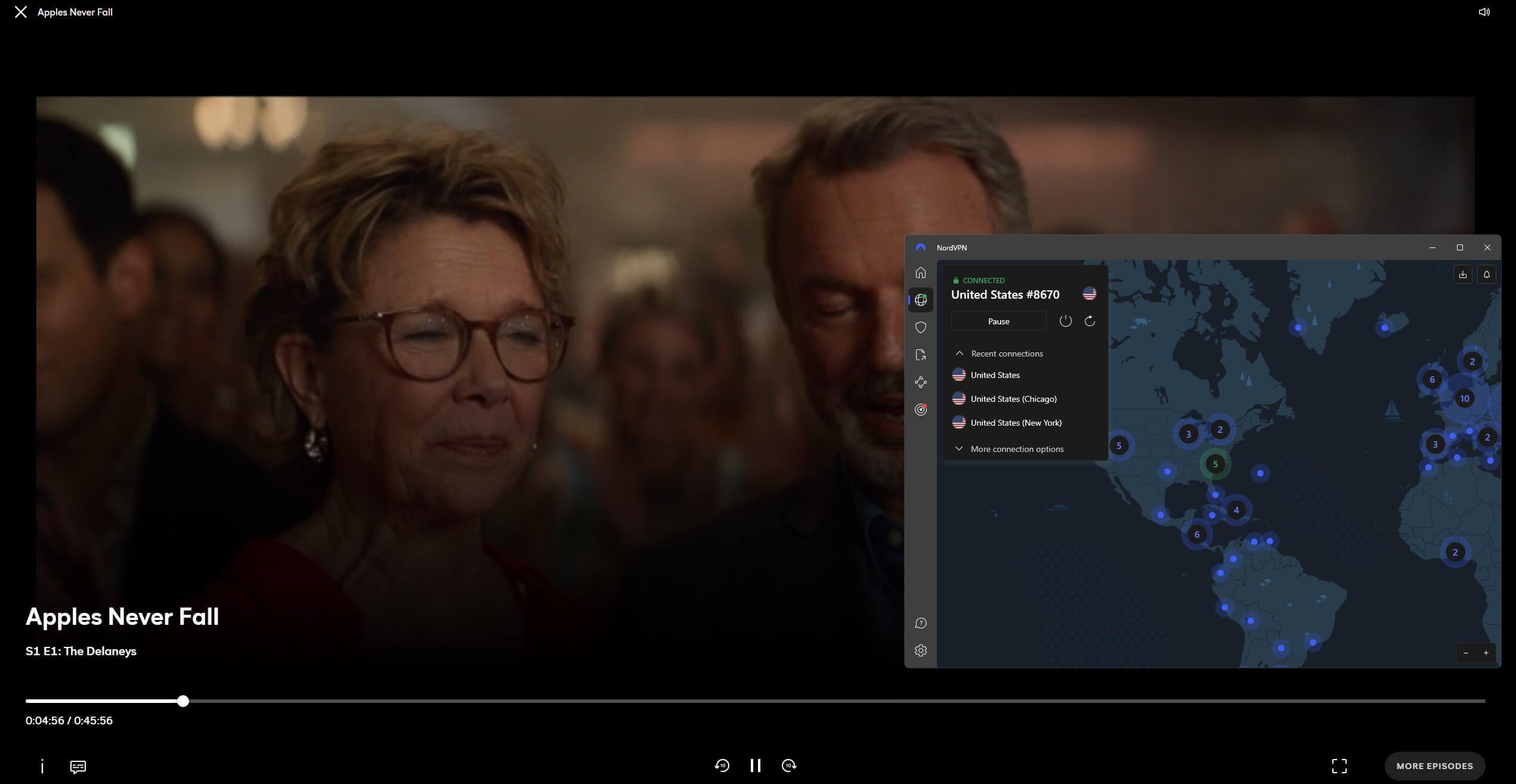
Navigating the American TV landscape in 2026 requires understanding the integration of traditional over-the-air (OTA) signals, digital "NextGen TV" standards, and internet-based streaming platforms. To access major networks like ABC, CBS, NBC, and FOX, viewers can utilize a digital antenna for free local reception or subscribe to virtual providers like YouTube TV and Hulu + Live TV for a comprehensive, cable-like experience.
The Evolution of the American Broadcast Landscape
The American television industry has undergone a radical transformation over the last decade, transitioning from a rigid cable-dominated model to a hybrid environment where broadcast, cable, and streaming coexist. As of 2026, the distinction between "watching TV" and "streaming" has largely blurred, yet the foundational structure of the broadcast landscape remains rooted in the historical "Big Four" networks.
These networks—ABC, CBS, NBC, and FOX—along with The CW and PBS, form the backbone of American linear television. They operate through a system of local affiliates: independently owned or network-operated stations that broadcast to specific geographic regions. This localized structure is why a viewer in Chicago sees different news and advertisements than a viewer in Miami, even when they are watching the same primetime NBC program.
Understanding this landscape is essential for consumers who want to balance cost with content access. With the rising prices of standalone streaming services, many households are returning to broadcast roots to secure local news, weather, and live sports without monthly fees.
Over-the-Air (OTA) Broadcasting and ATSC 3.0
The most significant technical development in the 2026 broadcast landscape is the widespread adoption of ATSC 3.0, commercially known as NextGen TV. This is the first major upgrade to broadcast standards since the transition from analog to digital in 2009. Unlike the previous standard (ATSC 1.0), NextGen TV is built on an Internet Protocol (IP) backbone.
The Benefits of NextGen TV
NextGen TV offers several advantages that make traditional antennas more relevant than ever:
- 4K UHD Resolution: While traditional broadcast was limited to 1080i or 720p, ATSC 3.0 supports 4K Ultra High Definition with High Dynamic Range (HDR).
- Superior Signal Penetration: The New standard is much more resilient against physical interference from buildings and terrain, providing a stable picture even in challenging environments.
- Interactive Features: Because it is IP-based, NextGen TV allows for interactive content, such as on-demand local weather updates or personalized advertisements, provided the television is connected to the internet.
- Advanced Emergency Alerts: The system can wake up a "sleeping" TV to provide hyper-localized emergency information, including maps and evacuation routes, which is a significant safety upgrade over the old scrolling text alerts.
To access these features, viewers must have a television with a built-in ATSC 3.0 tuner or a compatible external converter box. While many mid-to-high-end TVs sold since 2023 include these tuners, older models still require a standard digital antenna to receive legacy ATSC 1.0 signals, which most broadcasters continue to transmit alongside the new format.
The Virtual Multi-Channel Era: vMVPDs
For those who want the full "cable" experience without the long-term contracts or proprietary hardware, Virtual Multichannel Video Programming Distributors (vMVPDs) have become the primary solution. These services deliver live TV channels over the internet.
As of 2026, the leading vMVPDs include:
- YouTube TV: Known for its unlimited DVR and user-friendly interface, it carries almost all local broadcast affiliates in most American markets.
- Hulu + Live TV: This service bundles the standard Hulu streaming library and Disney+ with a full slate of live broadcast and cable channels.
- Fubo: Historically focused on sports, Fubo provides the most comprehensive coverage of regional sports networks (RSNs) and international soccer, alongside standard broadcast channels.
- Sling TV: A more budget-conscious option that splits channels into "Orange" and "Blue" packages, though it often lacks local broadcast stations in many markets, requiring users to supplement with an antenna.
The cost for these services in 2026 typically ranges from $75 to $95 per month. While this is comparable to traditional cable pricing, the lack of hidden "broadcast TV fees" and "regional sports fees"—which were notorious in the cable industry—makes them more transparent and easier to cancel.
Understanding the "Big Five" Networks and Their Reach
The American broadcast landscape is dominated by five major networks. Each has a distinct identity and a specific method for digital access beyond the traditional antenna.
ABC (American Broadcasting Company)
Owned by Disney, ABC is home to major events like the Academy Awards and NBA Finals. Its content is largely available the day after broadcast on Hulu and Disney+. For live viewing without an antenna, ABC is included in almost every vMVPD package.
CBS (Columbia Broadcasting System)
Owned by Paramount Global, CBS maintains a massive audience through its procedural dramas and NFL coverage. Its dedicated streaming home is Paramount+, where subscribers to the "With Showtime" tier can stream their local CBS affiliate live 24/7.
NBC (National Broadcasting Company)
A subsidiary of Comcast's NBCUniversal, NBC is the home of Sunday Night Football and the Olympic Games. Much of its live content and the entirety of its "Next Day" library are housed on Peacock. NBC has been a leader in integrating ATSC 3.0 features into its local broadcasts.
FOX
Unlike its competitors, Fox Corporation does not have a dedicated general-entertainment streaming service like Paramount+ or Peacock. Instead, FOX focuses heavily on live sports (NFL, MLB) and news. Accessing FOX without an antenna usually requires a vMVPD or the Fox Sports app (with provider authentication).
The CW
Owned primarily by Nexstar Media Group, The CW has shifted its focus from teen dramas to a mix of live sports (such as LIV Golf and ACC football) and unscripted programming. It remains one of the most accessible networks via the free CW app, which offers next-day streaming without a login.
Specialized and Public Interest Channels
Beyond the commercial giants, the American TV guide includes essential public and specialized services.
- PBS (Public Broadcasting Service): Unlike commercial networks, PBS is member-supported. It provides high-quality educational programming, documentaries, and news (PBS NewsHour). Most PBS stations can be streamed for free via the PBS app, though a "Passport" membership is required for full archival access.
- C-SPAN: This is a private, non-profit corporation funded by the cable and satellite television industry. It provides gavel-to-gavel coverage of the U.S. Congress. While C-SPAN is not a "broadcast" network in the sense that it uses public airwaves, it is a staple of the American television landscape, available primarily through paid providers.
- Ion Television: Often found as a subchannel on local broadcast stations, Ion specializes in marathons of popular procedural dramas and is a major player in the "free" TV space.
Comparison of Major Delivery Methods (2026)
The following table compares the primary ways to navigate and access American TV channels.
| Feature | Digital Antenna (OTA) | vMVPD (YouTube TV/Hulu) | Traditional Cable/Satellite |
|---|---|---|---|
| Monthly Cost | $0 (Free) | $75 – $95 | $80 – $150+ |
| Hardware Needed | Antenna + Tuner | Smart TV / Streaming Stick | Cable Box / Dish |
| 4K Availability | Yes (via ATSC 3.0) | Limited / Extra Fee | Limited |
| Local Channels | Yes (Free) | Yes (Included) | Yes (With Fee) |
| Internet Required | No | Yes (High Speed) | No |
| Contract | None | Month-to-Month | Often 1–2 Years |
Technical Requirements and Setup
To successfully navigate the broadcast landscape, you must ensure your hardware matches your viewing goals.
Selecting an Antenna
If you choose the OTA route, the "leaf" style indoor antennas are popular but may not be sufficient in rural areas. For the best results in 2026, a multi-directional amplified antenna is recommended. You should use tools like the FCC's DTV Reception Maps to identify where the local broadcast towers are located relative to your home.
The Role of the Smart TV OS
In 2026, the operating system of your television (Roku, Google TV, webOS, or Fire TV) acts as the modern "tuner." Most of these interfaces now include a "Live" tab that aggregates free ad-supported streaming TV (FAST) channels—like Pluto TV or Tubi—directly alongside your antenna channels and vMVPD subscriptions. This creates a unified "Grid Guide" that simplifies the user experience.
Internet Bandwidth
For those relying on vMVPDs or streaming-based local channels, bandwidth is a critical factor. Streaming a live 4K broadcast requires a stable connection of at least 25-50 Mbps per device. If multiple people in a household are watching different channels, a gigabit connection is often the standard for a buffer-free experience.
Common Obstacles: Blackouts and Rights
Despite the technological advancements of 2026, viewers still face "blackouts," particularly regarding live sports. These occur when a local broadcaster or a regional sports network (RSN) holds exclusive rights to a game, preventing it from being shown on national networks or out-of-market streaming packages.
Furthermore, carriage disputes between broadcasters (like Nexstar or Tegna) and providers (like DIRECTV or Dish) can occasionally result in local channels being temporarily removed from a lineup. Having an antenna serves as a vital "backup" during these negotiations, ensuring that viewers do not lose access to local news or major events like the Super Bowl.
FAQs
Can I get American TV channels for free?
Yes, you can access local broadcast channels (ABC, CBS, NBC, FOX, PBS, and others) for free using a digital antenna. Once you purchase the hardware, there are no monthly fees for these over-the-air signals. Additionally, Free Ad-Supported Streaming TV (FAST) services like Pluto TV and Tubi offer hundreds of channels for free via the internet, though they do not typically include the major local "Big Four" affiliates.
What is the difference between a local affiliate and a network?
The network (e.g., NBC) provides the national programming, such as primetime dramas, late-night talk shows, and major sporting events. The local affiliate (e.g., a station in Des Moines, Iowa) is the entity that actually broadcasts the signal in your area. The affiliate fills the rest of the day with local news, syndicated programs (like Jeopardy!), and local advertising.
Do I need a new TV to watch ATSC 3.0 (NextGen TV)?
Not necessarily. While a TV with a built-in ATSC 3.0 tuner is the most convenient option, you can also purchase external "NextGen TV" converter boxes. These boxes plug into your antenna and then connect to your TV via an HDMI port, allowing older televisions to display 4K broadcast signals and use interactive features.
Why are some channels missing from my antenna scan?
Signal reception depends on distance from the broadcast tower, physical obstructions (like mountains or tall buildings), and even atmospheric conditions. If you are missing channels, try re-positioning your antenna—ideally near a window or higher up on a wall—and performing a "Rescan" in your TV's settings. In 2026, most TV sets offer a signal strength meter in the menu to help you find the optimal placement.
Can I record live broadcast TV without a cable box?
Yes. If you use an antenna, you can purchase a digital video recorder (DVR) designed for OTA signals, such as Tablo or HDHomeRun. If you use a vMVPD like YouTube TV or Hulu + Live TV, a "Cloud DVR" is typically included in your subscription, allowing you to save recordings to the provider's servers rather than a physical device in your home.
Practical Recommendations for 2026
To navigate the American TV landscape efficiently, start by assessing your "must-have" content. If your primary goal is local news and major network events, a high-quality digital antenna paired with a free FAST service is the most cost-effective solution. This setup provides the core of the American broadcast landscape for a one-time hardware cost.
If you require specialized cable networks (like ESPN, CNN, or HGTV), a vMVPD subscription is the most flexible choice. To avoid overpaying, look for bundles; for example, if you already pay for Disney+ and ESPN+, the Hulu + Live TV bundle often provides the best value. Regardless of your choice, ensure your home network is optimized for the IP-based future of ATSC 3.0 and streaming, as the "broadcast" world continues its inevitable shift toward digital convergence.