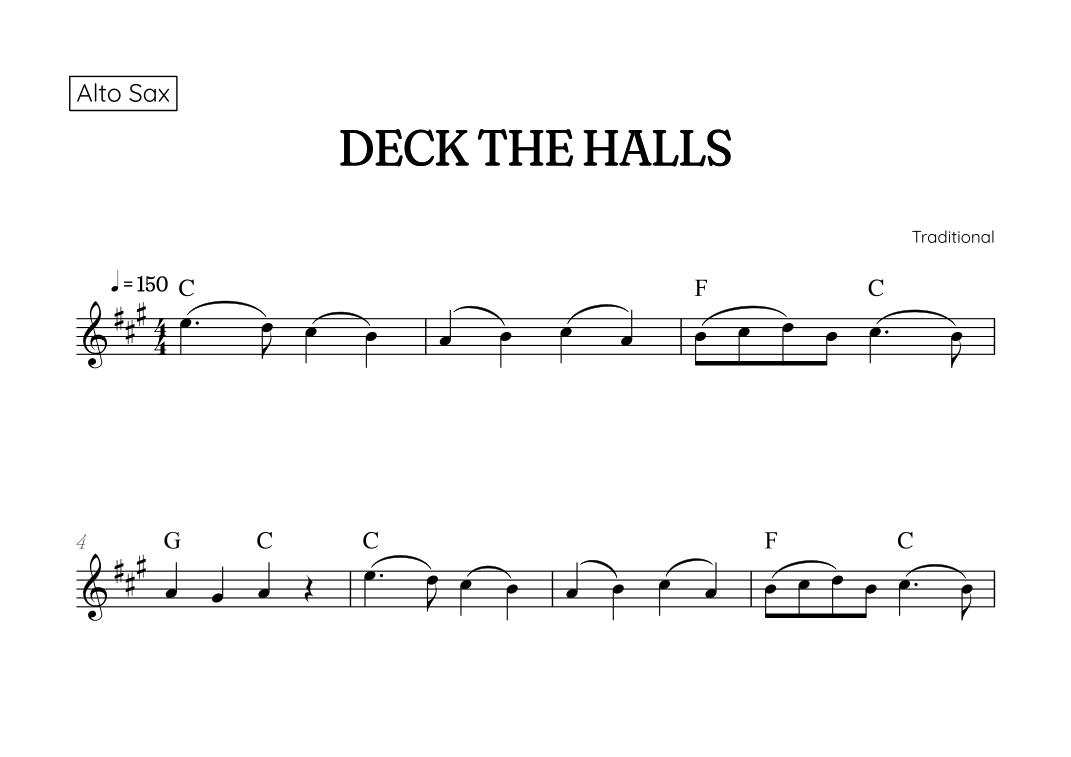
In music, "alto" primarily refers to the second-highest vocal part in a four-part (SATB) harmony, typically ranging from F3 to F5. It also designates a specific range for instruments, such as the alto saxophone or viola, and identifies the alto clef, which centers the C4 (middle C) on the third line of the staff.
The Etymology and Historical Evolution of "Alto"
The term "alto" is derived from the Italian word alto, meaning "high." To modern ears, this often seems counterintuitive, as the alto is considered a "low" female voice. However, the nomenclature is a vestige of early polyphonic music traditions from the 14th and 15th centuries.
In the early development of Western counterpoint, the primary melody was held by the "tenor" (from the Latin tenere, meaning "to hold"). The part written immediately above the tenor was called the contratenor altus, which eventually became shortened to simply "alto." Conversely, the part below the tenor was the contratenor bassus, which became "bass." Because these parts were originally performed by men and boys, the "alto" was indeed a "high" part relative to the tenor.
By the 16th century, the standard four-part arrangement—Soprano, Alto, Tenor, Bass—was solidified. As women were gradually permitted to sing in ecclesiastical and secular choirs, the alto part transitioned from being sung by falsettists (countertenors) or boys to being the domain of lower-voiced women. In the context of 2026 vocal pedagogy, understanding this history is vital for recognizing that "alto" describes a functional role in a group, while "contralto" describes a specific physiological voice type.
The Alto Voice: Range, Tessitura, and Classification
In choral settings, the alto part provides the essential inner harmony that bridges the gap between the melodic soprano and the structural tenor and bass.
Vocal Range and Tessitura
The typical range for an alto singer is approximately F3 (the F below middle C) to F5 (the second F above middle C). However, professional singers or those in specialized ensembles may be expected to reach as low as D3 or as high as G5.
It is important to distinguish between "range" and "tessitura." While range covers every note a singer can physically produce, tessitura refers to the range in which the voice is most comfortable and resonant. For an alto, the tessitura usually sits in the middle of the staff, emphasizing the "chest voice" and the lower "mix."
Alto vs. Contralto vs. Mezzo-Soprano
In the world of opera and solo performance, the term "alto" is rarely used as a voice classification. Instead, singers are categorized using the Fach system:
- Contralto: This is the rarest of female voices. A true contralto has a deep, dark timbre that rivals the tenor range. In 2026, many historical "alto" roles in Oratorio (like those in Handel’s Messiah) are specifically designated for the contralto voice.
- Mezzo-Soprano: Most women who sing the "alto" part in a choir are actually mezzo-sopranos. A mezzo-soprano has a slightly higher range than a contralto but a darker tone than a soprano. They are versatile singers who can often "sing down" into the alto section or "sing up" to soprano roles.
The Alto Clef: Navigation for the Middle Voice
Most musical instruments use the Treble or Bass clefs. However, the alto voice (specifically the viola) utilizes the Alto Clef, a member of the C-clef family.
The alto clef is characterized by a "bracket" or "K" shape centered on the third (middle) line of the staff. This center point designates Middle C (C4). By placing Middle C in the center of the staff, the alto clef allows instruments with a middle-range pitch to be written without an excessive number of ledger lines above or below the staff.
For a musician transitioning from treble or bass clef, the alto clef can be challenging. On the alto clef:
- The third line is C.
- The space above the third line is D.
- The space below the third line is B.
While choral altos usually read from the treble clef (sometimes transposed or simply written in the lower portion of the staff), the viola is the primary instrument that remains tied to the alto clef in modern 2026 orchestral practice.
Alto Instruments: Voices of the Orchestra and Band
The "alto" designation extends beyond the human voice to a variety of instruments that occupy the same frequency spectrum.
The Viola: The "Alto" of the Strings
In many European languages, the viola is simply called the alto (French) or Bratsche (German). It is slightly larger than a violin and is tuned a perfect fifth lower (C3, G3, D4, A4). The viola provides a rich, mellow, and somewhat "grainy" texture to the string quartet, filling the harmonic space between the violins and the cello.
The Alto Saxophone
The alto saxophone is one of the most recognizable instruments in the alto family. It is a transposing instrument pitched in E-flat (Eb). This means that when an alto saxophonist plays a written C, the resulting pitch (concert pitch) is an Eb. It is prized for its lyrical quality in classical music and its assertive, bright tone in jazz and pop.
The Alto Flute
The alto flute is larger and longer than the standard C flute and is pitched in G (a perfect fourth lower). It requires significantly more breath but produces a haunting, smoky, and resonant tone that has become a staple in film scoring and 2026 contemporary classical compositions.
The Alto Clarinet
Less common than the Bb soprano clarinet, the alto clarinet is pitched in Eb. It bridges the gap between the soprano clarinet and the bass clarinet. Though it fell out of favor in the late 20th century, modern woodwind ensembles in 2026 have seen a minor resurgence in its use for specific tonal colors.
Comparative Specifications of the Alto Range
The following table compares the alto designation across various musical contexts to illustrate how the "meaning" of alto shifts depending on the medium.
| Category | Typical Range (Concert Pitch) | Primary Clef | Transposition |
|---|---|---|---|
| Choral Alto | F3 – F5 | Treble Clef | Non-transposing |
| Viola | C3 – A5+ | Alto Clef | Non-transposing |
| Alto Saxophone | Db3 – Ab5 | Treble Clef | Eb (Up a Major 6th) |
| Alto Flute | G3 – G6 | Treble Clef | G (Down a Perfect 4th) |
| Alto Horn | A2 – Eb5 | Treble Clef | Eb (Down a Major 6th) |
The Harmonic Role of the Alto
In music theory, the alto is often described as the "glue" of a composition. While the soprano carries the melody and the bass provides the foundation, the alto and tenor parts provide the harmonic filler.
Without the alto part, a listener might hear the melody and the root of the chord, but they would miss the third or the seventh—the notes that define whether a chord is major, minor, or dominant. This requires alto singers and players to have an exceptional "ear," as they must often hold steady on internal notes that may be dissonant with the melody but essential to the overall texture.
In 2026, digital audio workstations (DAWs) and arrangement software frequently categorize synth patches and orchestral samples by these vocal ranges. An "alto pad" or "alto string section" refers to sounds designed to sit comfortably between 175 Hz and 700 Hz, the fundamental frequency zone of the alto range.
Common Challenges for Alto Musicians
Whether vocal or instrumental, the alto role comes with specific technical hurdles.
Vocal "Break" or Passaggio
Altos often have a "break" or passaggio right in the middle of their most used range (typically around C#5 or D5). Navigating the transition from chest voice to head voice smoothly is a primary focus of alto vocal training. If not managed, the voice can sound "chesty" or "shouted" on high notes, or conversely, thin and weak on low notes.
Intonation in the Inner Harmony
Because altos rarely have the melody, it is easy to "drift" in pitch. Choral altos must be particularly aware of their intonation in relation to the bass. If the bass is slightly sharp, the alto must adjust to maintain the integrity of the chord’s third.
Projection on the Viola
For violists, the challenge is projection. Because the viola is smaller than its acoustics ideally dictate for its low pitch, it does not naturally "cut through" the orchestra like a violin or cello. Violists must develop a sophisticated bowing technique to draw out the instrument's full, resonant "alto" character.
Frequently Asked Questions
Is an alto a girl or a boy?
In modern choral music, the alto part is typically sung by women with lower voices. However, it can also be sung by men who use a falsetto technique (known as countertenors) or by young boys with unchanged voices. In historical contexts, the "alto" part was almost exclusively sung by males.
What is the difference between alto and soprano?
The soprano is the highest female voice part, generally ranging from C4 to C6. The alto is the second-highest part, ranging from F3 to F5. Sopranos usually carry the primary melody, while altos provide supporting harmony.
Why is the viola called the "alto"?
The viola is the alto member of the string family. In French, the instrument is actually named "Le Violon Alto." It plays in the same frequency range as the alto voice and is the only orchestral instrument that primarily uses the alto clef.
Can a soprano sing alto?
Yes, many sopranos are capable of singing the alto part, especially "second sopranos" (mezzo-sopranos). However, they may find the lower notes lack the resonance and volume of a natural alto, and singing in the lower part of their range for extended periods can be fatiguing if not done with proper technique.
What are some famous alto singers?
In the pop and jazz world, famous altos (or mezzo-sopranos who sing in that range) include Adele, Amy Winehouse, Annie Lennox, and Nina Simone. In the classical world, Marian Anderson was one of the most celebrated contraltos in history.
Practical Recommendation for Developing Your Alto Range
If you are a singer looking to develop your alto range in 2026, focus on vocal blending and registration. Beginners often make the mistake of pushing their "chest voice" too high, which leads to strain. Instead, practice sliding scales (glissandos) to find the "mix" between your lower and upper registers. For instrumentalists, particularly saxophonists and violists, focus on the "core" of your tone; the alto range is defined by its richness and warmth, not just its pitch. Understanding the harmonic function of your part will make you a more valuable ensemble member, as you are the bridge that connects the high and low ends of the musical spectrum.
For more information on vocal classifications and technical standards, refer to the National Association for Music Education or the American Choral Directors Association.