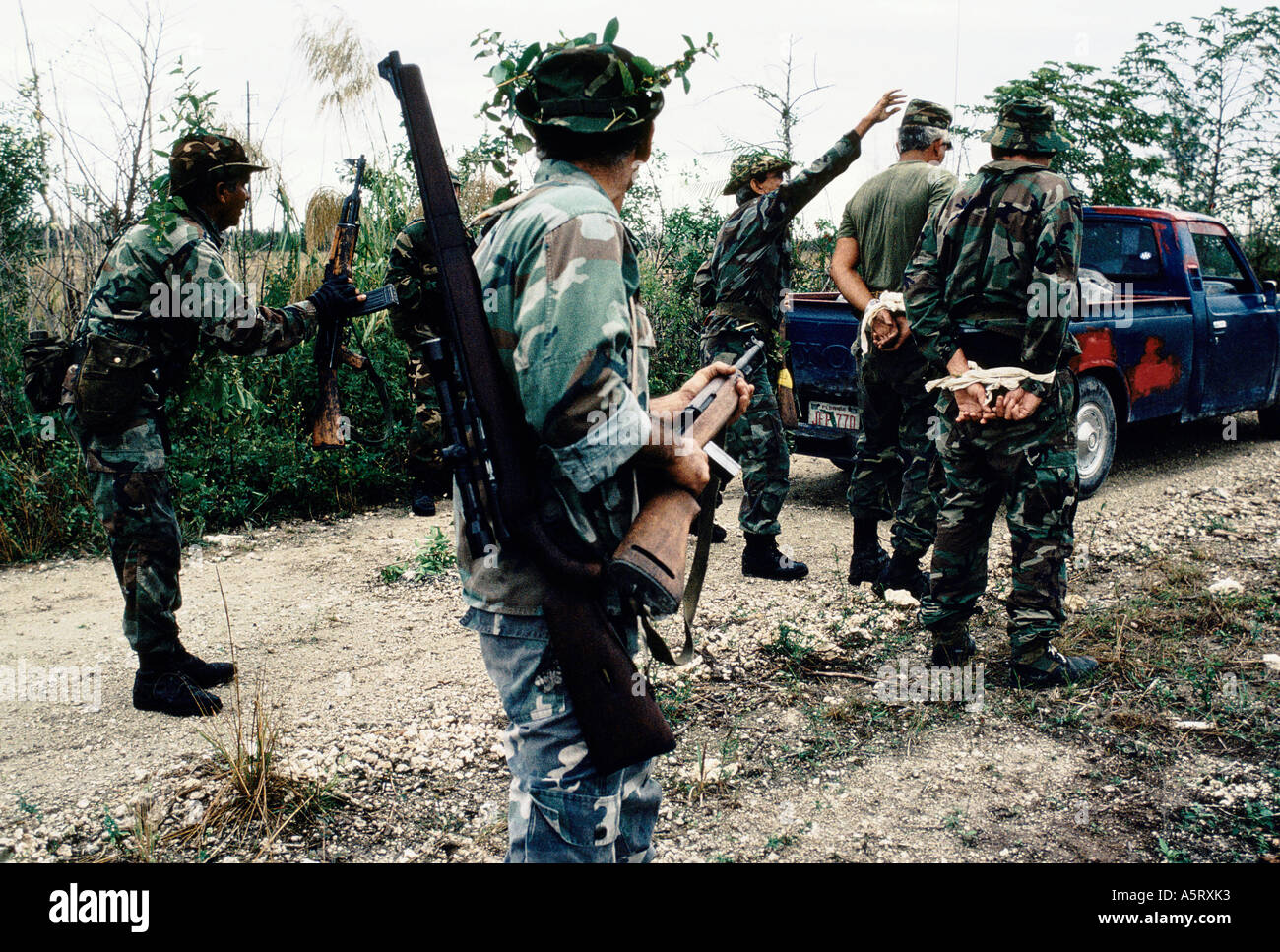
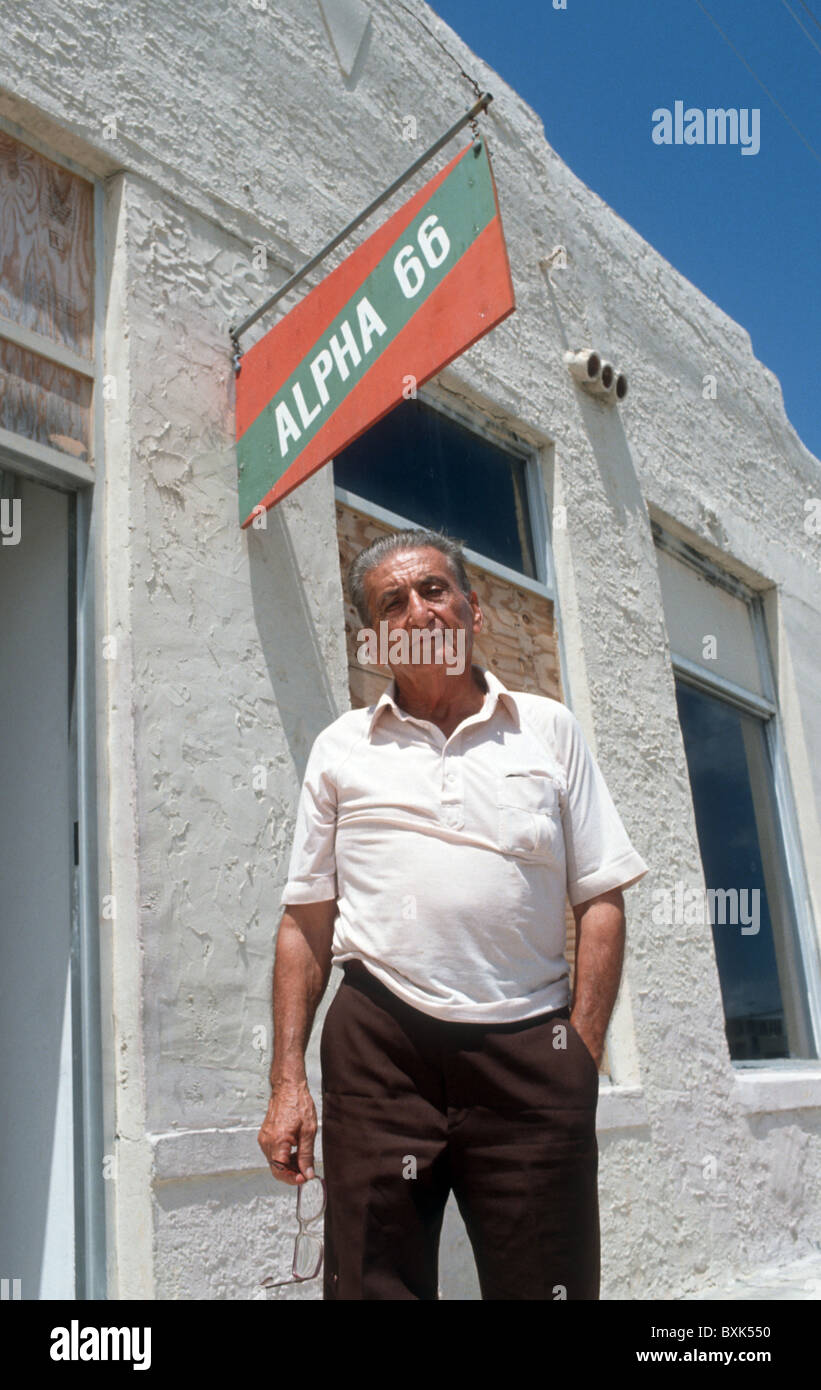
Alpha 66 was a prominent paramilitary organization of Cuban exiles founded in 1961 to overthrow Fidel Castro’s government through armed struggle. Operating primarily from Florida, the group conducted maritime raids, sabotage missions, and infiltration attempts against Cuban targets, remaining a symbol of militant resistance within the Cuban-American community for decades.
The Origins and Founding of Alpha 66
The formation of Alpha 66 was not an isolated event but a direct consequence of the radical shifts in Cuban politics following the 1959 Revolution. To understand the group’s inception, one must look at the disillusionment of early revolutionary figures who felt that Fidel Castro had betrayed the original democratic goals of the movement in favor of a Marxist-Leninist state.
The organization was officially established in late 1961 and early 1962, shortly after the failure of the Bay of Pigs invasion. The primary founder was Eloy Gutiérrez Menoyo, a former commander of the Second National Front of the Escambray (SNFE), who had fought against Fulgencio Batista alongside Castro but later broke with the new regime. Menoyo, along with other key figures like Antonio Veciana, envisioned a group that would operate independently of the U.S. government’s direct control, which they felt had led to the disaster at the Bay of Pigs.
Alpha 66 was structured to be more agile and aggressive than other exile organizations. While groups like Brigade 2506 were largely products of CIA planning, Alpha 66 sought to project an image of self-reliance. This independence was both a source of pride and a cause for significant friction with U.S. federal authorities throughout the Cold War. The group’s name—combining the first letter of the Greek alphabet with the number 66—symbolized a "new beginning" and the 66 fellow revolutionaries who initially joined Menoyo in the endeavor.
Ideology and the Strategy of "Plan L"
The core ideology of Alpha 66 was rooted in the belief that Fidel Castro could only be removed through direct, violent action. Unlike diplomatic or political advocacy groups, Alpha 66 maintained that a sustained campaign of harassment and sabotage would eventually trigger a general uprising within the Cuban population.
The Internal and External Fronts
Alpha 66 operated on a dual-front strategy. The "External Front" consisted of the exile community in Miami and other cities, providing the funding, logistics, and maritime assets necessary for operations. The "Internal Front" was intended to be a network of clandestine cells within Cuba itself, ready to provide intelligence and support to landing parties.
Execution of Plan L
The most famous tactical framework developed by the group was known as Plan L. This strategy focused on "limited warfare" or "warfare of attrition." The goal was not a full-scale invasion—which the group lacked the resources to execute—but rather a series of lightning strikes on economic and military targets.
By targeting sugar refineries, fuel depots, and coastal patrol boats, Alpha 66 hoped to bleed the Cuban economy and force the government to redirect massive resources toward coastal defense. They believed that by creating a state of perpetual insecurity, they would expose the vulnerabilities of the Castro regime and embolden internal dissenters to revolt.
Key Military Operations and Infiltration Attempts
Throughout the 1960s and 1970s, Alpha 66 claimed responsibility for dozens of raids. While some of these were psychological warfare—simply firing at the coast and retreating—others were significant military engagements that resulted in casualties and international diplomatic incidents.
The Raid on Caibarién (1962)
In October 1962, shortly before the Cuban Missile Crisis, Alpha 66 launched a high-profile attack on the port of Caibarién. Commandos on a fast boat attacked a Soviet freighter and several Cuban vessels. This operation was designed to highlight the presence of Soviet influence on the island and to provoke a response. It succeeded in garnering massive headlines in the United States, cementing Alpha 66’s reputation as the most active militant group in the exile community.
The 1964 and 1970 Infiltrations
In 1964, Eloy Gutiérrez Menoyo personally led a small group of men in a landing on the Cuban coast. The mission was a failure; Menoyo was captured by Cuban security forces and sentenced to 30 years in prison. His capture was a significant blow, but it did not dismantle the organization.
Leadership passed to Andrés Nazario Sargén, who steered the group through some of its most controversial years. In 1970, the group attempted another major infiltration, which led to a series of running battles with the Cuban Revolutionary Armed Forces (FAR). The Cuban government used these incidents to justify its heavy military presence and to portray the exile community as a puppet of "imperialist" forces, regardless of the group's claims of independence.
Legal Friction and the U.S. Neutrality Act
The relationship between Alpha 66 and the United States government was complex and frequently adversarial. While many individual members of the U.S. intelligence community and local Florida law enforcement were sympathetic to the anti-communist cause, the group’s actions often violated the Neutrality Act.
The Neutrality Act is a federal law that prohibits U.S. citizens or residents from launching military expeditions from U.S. soil against nations with which the United States is at peace. Because the U.S. was not officially at war with Cuba, the maritime raids launched from the Florida Keys were technically illegal.
FBI and CIA Oversight
The FBI frequently monitored Alpha 66’s training camps in the Everglades. On several occasions, the U.S. Coast Guard intercepted Alpha 66 vessels laden with weapons and explosives, confiscating the gear and arresting the crew. Despite these crackdowns, the group often managed to avoid long-term prosecution, partly due to the political sensitivity of the "Cuba issue" in Florida.
Documents released by the National Archives and records in the FBI Vault show that while the CIA utilized some Alpha 66 members for intelligence gathering, the agency often viewed the group as "uncontrollable" and a liability to official U.S. foreign policy, particularly during periods of attempted de-escalation with the Soviet Union.
Key Milestones of Alpha 66 (1961–2026)
The following table outlines the major phases of the organization's history, showing its transition from a paramilitary threat to a legacy political entity.
| Year | Event | Significance |
|---|---|---|
| 1961 | Foundation | Established by Eloy Gutiérrez Menoyo and Antonio Veciana after the SNFE split. |
| 1962 | Port of Caibarién Raid | High-profile attack on Soviet and Cuban shipping; increased group visibility. |
| 1965 | Capture of Menoyo | Founder captured during an infiltration; sentenced to 22 years (released 1986). |
| 1970 | Major Infiltration Attempt | Violent clashes in eastern Cuba; resulted in the death or capture of most commandos. |
| 1980 | Mariel Boatlift | Group focused on helping refugees while maintaining "training" activities. |
| 1994 | Guantanamo Tensions | Alpha 66 supported internal protests during the "Maleconazo" uprising. |
| 2004 | Death of Nazario Sargén | Passing of the long-time leader signaled a shift toward political legacy work. |
| 2026 | Current Status | Operates as a historical and political advocacy group in Miami. |
Financial Support and the Exile Community
Alpha 66’s longevity can be attributed to its deep roots in the Cuban-American community in Miami. Unlike many other militant groups that faded away once CIA funding dried up, Alpha 66 relied heavily on a "grassroots" funding model within Little Havana.
Supporters would contribute small amounts of money—often referred to as "war taxes"—at local businesses, rallies, and through radio appeals. This financial independence allowed the group to survive even when the U.S. government actively discouraged their operations. The group operated storefronts and community centers where exiles could discuss the future of a post-Castro Cuba, maintaining a constant presence in the daily lives of thousands of Cuban families.
The organization also utilized media effectively. They operated shortwave radio broadcasts, such as La Voz de Alpha 66, which aimed to reach the island and provide an alternative to state-run media. These broadcasts were essential for the group’s "Plan L," as they encouraged sabotage and civil disobedience among the Cuban population.
Evolution in the Late 20th Century and Beyond
By the 1980s and 1990s, the nature of the struggle had changed. The Cold War was ending, and the effectiveness of small-scale maritime raids was diminishing due to advanced Cuban radar and coastal surveillance technology. Alpha 66 began to place more emphasis on political advocacy and supporting internal dissidents within Cuba.
However, the group never officially renounced the use of force. Even in the 1990s, Alpha 66 members were occasionally arrested for attempting to smuggle weapons into Cuba or for planning attacks on tourist resorts, which had become a vital source of hard currency for the Castro government.
In the 21st century, the organization transitioned into a more symbolic role. The passing of long-time leaders like Andrés Nazario Sargén marked the end of the "paramilitary era." As of 2026, Alpha 66 functions primarily as a veteran and historical organization. It maintains an office in Miami that serves as a museum of the struggle against the Castro regime, preserving the stories of the men and women who participated in the raids and infiltrations of the previous century.
Historical Perspective and Controversy
The legacy of Alpha 66 remains a point of intense debate. To its supporters, the members were freedom fighters—patriots who sacrificed their lives and freedom to liberate their homeland from a totalitarian dictatorship. They are seen as the "moral conscience" of the exile community, refusing to give up the fight even when it seemed hopeless.
Conversely, the Cuban government has consistently labeled Alpha 66 a terrorist organization. They point to the group's attacks on civilian infrastructure and its use of violence as evidence of criminal activity. From the perspective of Havana, Alpha 66 was a tool of external aggression that caused unnecessary suffering and justified the island's restrictive security measures.
Internationally, historians often view Alpha 66 through the lens of Cold War proxy conflicts. The group represents the desperation and determination of a displaced population caught in the geopolitical crossfire between the United States and the Soviet Union. Their story is a critical chapter in the history of the Cuban diaspora and the long, unresolved conflict between Miami and Havana.
Frequently Asked Questions
Is Alpha 66 still active in 2026?
Alpha 66 remains an active organization in 2026, though its primary focus has shifted from paramilitary operations to historical preservation and political advocacy. It no longer conducts the maritime raids for which it was famous in the 1960s, but it continues to voice opposition to the Cuban government and maintain its presence in the Miami community.
Who was the most famous leader of Alpha 66?
Eloy Gutiérrez Menoyo is the most famous founder and leader. His history is unique because after spending 22 years in a Cuban prison, he was released in 1986 and eventually returned to Cuba in the early 2000s to attempt an internal political opposition, which was unsuccessful but added a complex final chapter to his biography.
Was Alpha 66 funded by the CIA?
While individual members may have had ties to the CIA, and the group occasionally received tacit support or intelligence during the early 1960s, Alpha 66 was famously independent. They often clashed with the CIA and FBI, and they took pride in the fact that much of their funding came directly from the Cuban exile community rather than the U.S. government.
What was the purpose of the group's "Plan L"?
"Plan L" was a strategy of limited, attritional warfare. Instead of a single large invasion, the group carried out many small raids on economic targets. The goal was to exhaust the Cuban government’s resources and provoke a domestic uprising by demonstrating that the regime was vulnerable.
How did the Neutrality Act affect Alpha 66?
The Neutrality Act was the primary legal tool used by the U.S. government to stop Alpha 66 raids. Because the law prohibits launching military attacks from U.S. soil against countries not at war with the U.S., the FBI and Coast Guard frequently intercepted Alpha 66 missions, leading to boat seizures and legal threats against the group’s leadership.
Next Actions for Researchers and Students
For those looking to understand the deeper impact of Alpha 66 on Cuban-American history, the following steps are recommended:
- Examine Declassified Records: The CIA Freedom of Information Act (FOIA) Electronic Reading Room contains numerous reports regarding the group's activities during the 1960s.
- Visit Local Archives: The Cuban Heritage Collection at the University of Miami holds primary sources, including pamphlets, radio transcripts, and personal papers from former Alpha 66 members.
- Analyze Legal Precedents: Reviewing the legal cases brought against exile groups under the Neutrality Act provides a fascinating look at how U.S. domestic law intersected with Cold War foreign policy.