Effective alopecia drug options in 2026 center on two main pathways: targeted JAK inhibitors for autoimmune-driven hair loss (Alopecia Areata) and hormonal modulators or vasodilators for pattern thinning (Androgenetic Alopecia). While JAK inhibitors like baricitinib and ritlecitinib offer up to 40-50% scalp coverage recovery for severe cases, traditional treatments like oral minoxidil and finasteride remain the primary defense against genetic thinning, boasting stabilization rates exceeding 80% in compliant patients.
The Evolving Landscape of Alopecia Treatment
The medical approach to hair loss has undergone a radical transformation over the last decade. As we navigate the clinical environment of 2026, the "one-size-fits-all" topical approach has been largely replaced by precision medicine. Alopecia is no longer treated as a singular cosmetic issue but as a complex dermatological condition with distinct pathological origins. To understand drug effectiveness, one must first distinguish between the two primary forms of hair loss: Androgenetic Alopecia (AGA) and Alopecia Areata (AA).
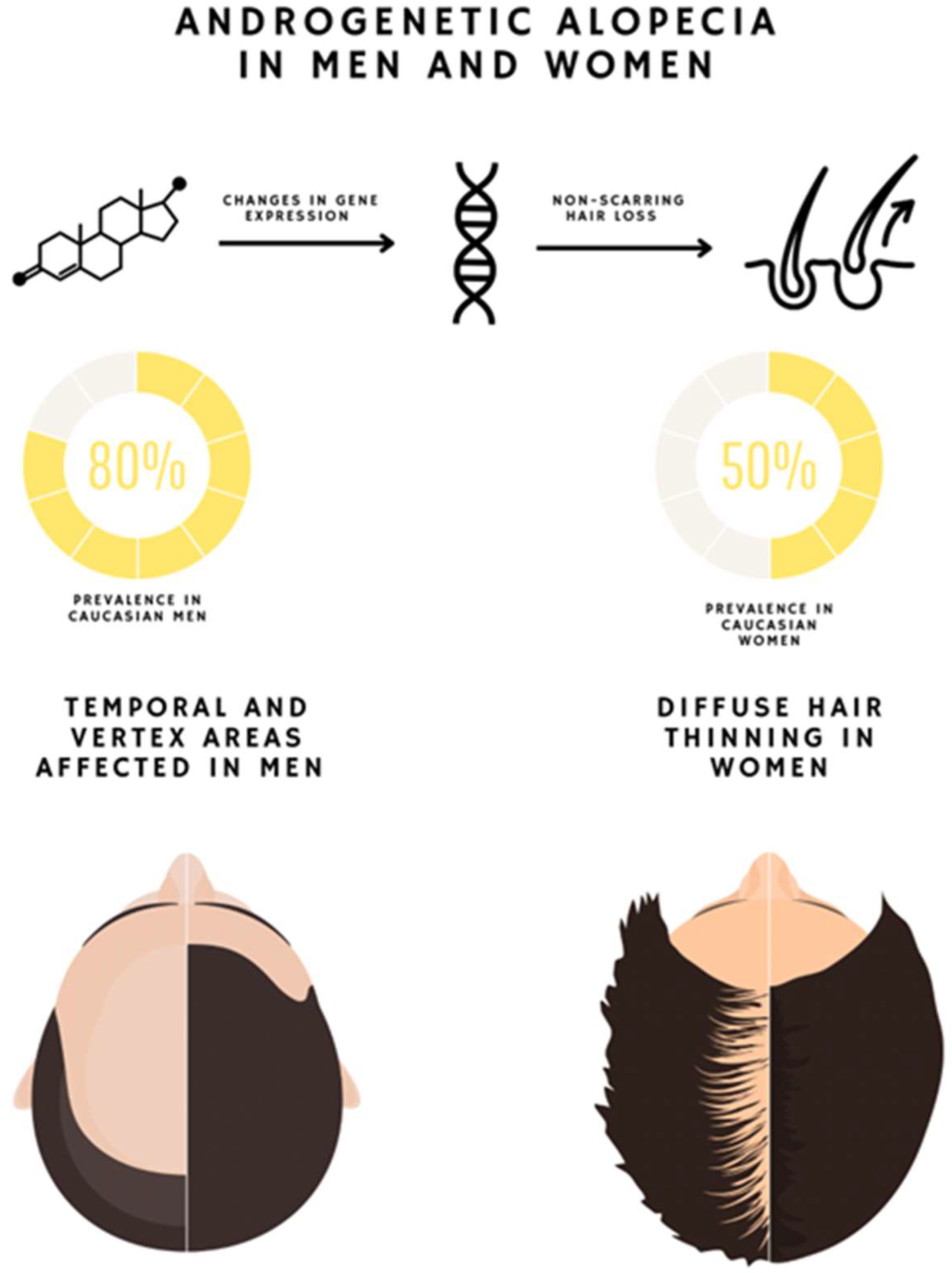
Androgenetic Alopecia, commonly known as male or female pattern baldness, is driven by genetic sensitivity to dihydrotestosterone (DHT). In contrast, Alopecia Areata is an autoimmune condition where the body’s T-cells mistakenly attack the hair follicles, leading to patchy or total hair loss (Alopecia Totalis/Universalis). The effectiveness of any drug is entirely dependent on its ability to address these specific underlying mechanisms. In 2026, the emergence of oral systemic therapies has shifted the focus from simple hair stimulation to systemic immune modulation and hormonal regulation.
JAK Inhibitors: The Gold Standard for Alopecia Areata
The most significant breakthrough in recent years remains the widespread clinical adoption of Janus Kinase (JAK) inhibitors. These drugs work by blocking specific intracellular signaling pathways that allow immune cells to attack the hair follicle. For patients who previously had no viable options for total hair loss, these medications have proven life-changing.
Baricitinib (Olumiant)
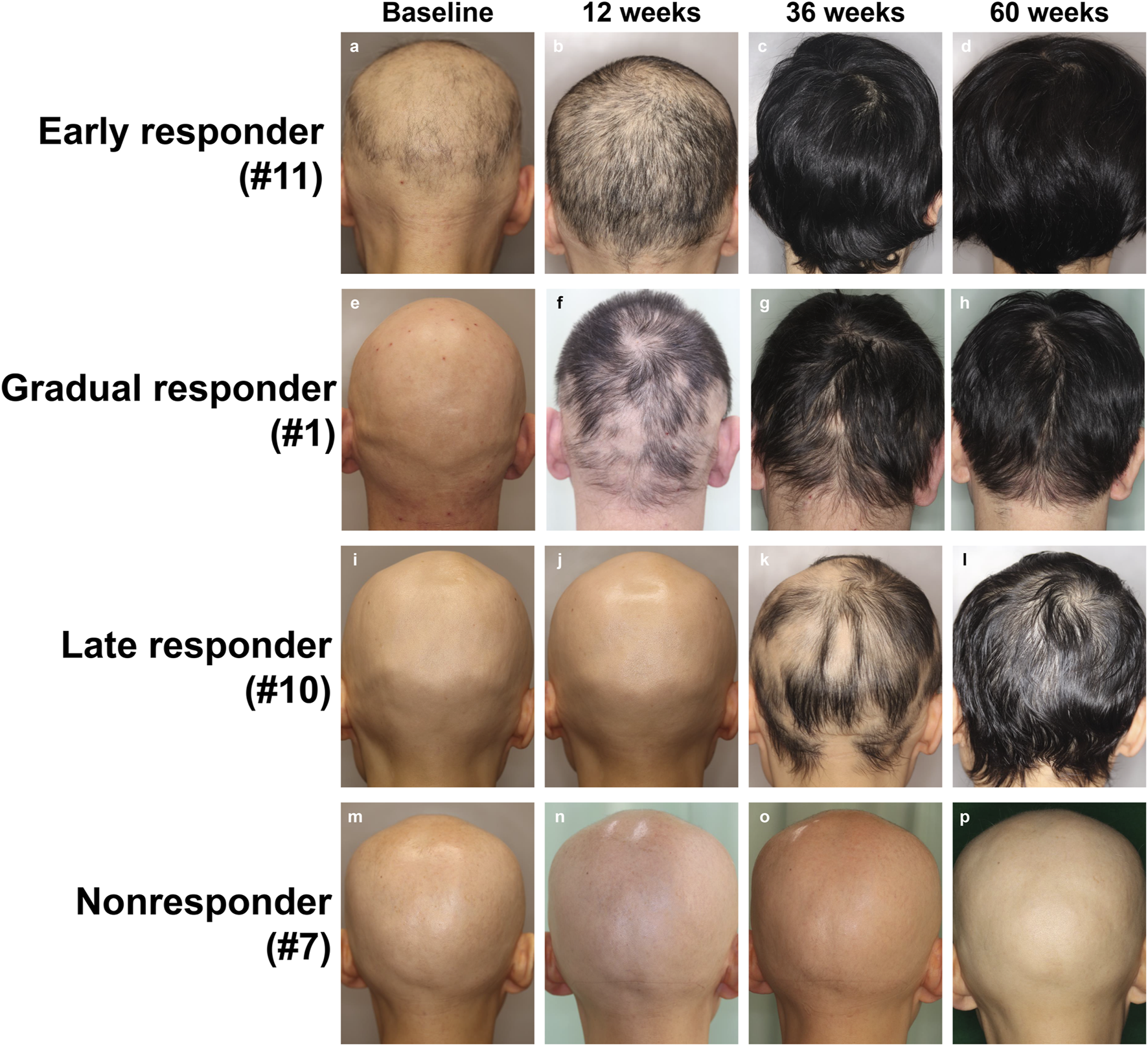
Baricitinib was the first FDA-approved systemic treatment for severe alopecia areata. In 2026, it remains a primary choice for adults. Clinical data indicates that a significant percentage of patients taking the 4mg daily dose achieve at least 80% scalp hair coverage within 36 to 52 weeks. Its effectiveness is most pronounced in patients who have lost more than 50% of their scalp hair. However, it requires consistent use; cessation of the drug often leads to a recurrence of the autoimmune attack, highlighting that these drugs are "management" tools rather than permanent "cures."
Ritlecitinib (Litfulo)
Ritlecitinib represents a more targeted approach, acting as a covalent dual inhibitor of the TEC family kinases and JAK3. Its approval for use in adolescents (aged 12 and older) as well as adults made it a cornerstone of pediatric dermatology by 2026. Its effectiveness in clinical trials showed that approximately 23% of patients achieved a Severity of Alopecia Tool (SALT) score of 20 or less (meaning 80% or more scalp coverage) within six months. This drug is particularly valued for its narrower inhibition profile, which some clinicians believe offers a more refined safety margin for younger patients.
Deuruxolitinib (Leqselvi)
A newer entrant into the 2026 market, deuruxolitinib is a deuterated form of ruxolitinib. The chemical modification (deuteration) slows the drug's metabolism, allowing for more stable blood levels and potentially higher efficacy with fewer doses. Early real-world data from 2025 and 2026 suggest that deuruxolitinib may offer slightly faster regrowth timelines for patients with long-standing alopecia totalis, though it shares the class-wide safety considerations of other JAK inhibitors.
Conventional Treatments for Androgenetic Alopecia
While JAK inhibitors dominate the conversation around autoimmune hair loss, the treatment of Androgenetic Alopecia continues to rely on hormonal and vascular management. The 2026 standard of care has moved increasingly toward oral formulations of legacy drugs due to higher patient compliance and superior scalp penetration.
Oral Minoxidil
Once primarily used as an anti-hypertensive medication, low-dose oral minoxidil (LDOM) has become the preferred growth stimulant in 2026. Unlike topical minoxidil, which requires the presence of the enzyme sulfotransferase in the hair follicle to become active, oral minoxidil is metabolized by the liver. This bypasses the "non-responder" issue common with topical foams. Effectiveness is high, with many patients seeing increased hair diameter and density within 3-4 months. Doses typically range from 0.625mg to 5mg daily, depending on the patient's sex and cardiovascular health.
Finasteride and Dutasteride
Finasteride remains the primary FDA-approved oral drug for male pattern hair loss. By inhibiting Type II 5-alpha reductase, it reduces serum DHT levels by roughly 70%. In 2026, its effectiveness is well-documented: approximately 85-90% of men experience a cessation of further hair loss, while 65% experience visible regrowth.
Dutasteride, though often used off-label for hair loss, is increasingly prescribed in 2026 for patients who do not respond sufficiently to finasteride. As a dual inhibitor of both Type I and Type II 5-alpha reductase, it can lower DHT levels by more than 90%. While more effective in increasing hair count, it carries a slightly higher profile for potential hormonal side effects, requiring careful clinical monitoring.
Comparative Effectiveness and Usage Profiles
The following table summarizes the most common drug options available in 2026, their primary indications, and observed effectiveness rates in clinical settings.
| Drug Name | Primary Indication | Delivery Method | Estimated Effectiveness Rate | Key Benefit |
|---|---|---|---|---|
| Baricitinib | Alopecia Areata | Oral (Daily) | 35-45% (80% Regrowth) | First FDA-approved systemic for AA |
| Ritlecitinib | Alopecia Areata | Oral (Daily) | 23-30% (80% Regrowth) | Approved for adolescents (12+) |
| Minoxidil (Oral) | AGA / Telogen Effluvium | Oral (Daily) | 60-80% (Stabilization/Growth) | Better compliance than topicals |
| Finasteride | Male Pattern (AGA) | Oral (Daily) | 85-90% (Stabilization) | High long-term success rate |
| Dutasteride | Advanced AGA | Oral (Daily) | 90%+ (Stabilization) | More potent DHT suppression |
| Spironolactone | Female Pattern (AGA) | Oral (Daily) | 40-60% (Density Improvement) | Addresses androgen excess in women |
Safety Considerations and Side Effects
The effectiveness of alopecia drugs must be balanced against their side-effect profiles. In 2026, patient education focuses heavily on the distinction between "nuisance" side effects and systemic risks.
For JAK inhibitors, the medical community remains vigilant regarding "Black Box" warnings. Although these drugs are targeted, they can still influence the broader immune system. Common side effects include upper respiratory tract infections, headache, and acne. More serious but rare risks include an increased potential for blood clots (thrombosis), shingles (herpes zoster) reactivation, and alterations in cholesterol levels. Regular blood monitoring for liver enzymes and lipid profiles is a standard requirement for patients on these therapies in 2026.
Hormonal treatments like finasteride and dutasteride are associated with sexual side effects in a small percentage of men (1-3%), including decreased libido or erectile dysfunction. While these symptoms usually resolve upon discontinuation, the "post-finasteride syndrome" remains a topic of clinical discussion, leading many doctors to favor lower starting doses. For women, spironolactone—a potassium-sparing diuretic with anti-androgen properties—requires monitoring of potassium levels and blood pressure, and it must never be taken during pregnancy due to the risk of birth defects.
Cost, Accessibility, and Insurance in 2026
Despite the clinical effectiveness of these drugs, accessibility remains a significant hurdle. In 2026, the cost of JAK inhibitors remains high, often exceeding $2,000 to $3,000 per month without insurance. While many major insurers have begun covering these drugs for "severe" alopecia areata (defined typically as >50% hair loss), those with patchy or moderate loss often find themselves paying out-of-pocket or relying on manufacturer assistance programs.
Conversely, treatments for Androgenetic Alopecia are largely considered "cosmetic" by insurance providers. However, because drugs like finasteride and minoxidil are available in generic forms, they are highly affordable, often costing less than $20-$30 per month. The disparity between the high-tech, high-cost autoimmune treatments and the low-cost, conventional hormonal treatments defines the financial landscape for hair loss patients today.
Practical Management and Next Actions
For those seeking to begin a pharmaceutical regimen for alopecia in 2026, a structured approach is essential. The process typically begins with a scalp biopsy or a "trichoscopy" (a non-invasive digital analysis of the hair and scalp) to confirm the diagnosis. Because many forms of hair loss can mimic one another, using the wrong drug is a common cause of perceived "treatment failure."
- Confirmation of Diagnosis: Ensure your dermatologist distinguishes between scarring and non-scarring alopecia. Drugs mentioned above generally only work for non-scarring types.
- Baseline Testing: Before starting JAK inhibitors or anti-androgens, obtain baseline blood work, including a full metabolic panel, CBC, and hormone levels (DHT, Testosterone, DHEA-S).
- The "One-Year" Rule: Hair growth cycles are slow. Most drugs require at least 6 to 12 months of consistent use before their true effectiveness can be judged. Avoid switching medications prematurely.
- Combination Therapy: In 2026, many experts recommend "multi-modal" therapy. For example, combining oral finasteride with low-dose oral minoxidil often yields better results for AGA than either drug alone, as they target different pathways (hormonal vs. vascular).
Frequently Asked Questions
Can I stop taking alopecia drugs once my hair grows back?
In almost all cases, no. Alopecia drugs manage the condition rather than curing it. For Androgenetic Alopecia, stopping finasteride or minoxidil will result in the loss of any "dependent" hair within 3-6 months as DHT levels rise again. For Alopecia Areata, stopping JAK inhibitors often leads to an immune relapse, though some patients may maintain results longer than others.
Are JAK inhibitors safe for long-term use?
By 2026, we have roughly five to seven years of solid safety data for JAK inhibitors in the context of dermatology. While they are generally well-tolerated, they do require ongoing medical supervision. They are not recommended for patients with a high risk of cardiovascular events or those with active serious infections.
Is oral minoxidil more effective than the topical version?
For many patients, yes. Oral minoxidil ensures that the active drug reaches the hair follicle via the bloodstream, bypasses the need for specific scalp enzymes, and eliminates the "greasy" residue associated with topicals. However, oral minoxidil has a higher risk of "hypertrichosis" (unwanted hair growth on the face or body).
How do I know if my insurance will cover my alopecia medication?
Coverage usually depends on the diagnosis. If you are diagnosed with Alopecia Areata (an autoimmune disease), you have a much higher chance of coverage for JAK inhibitors. If the diagnosis is Androgenetic Alopecia (pattern baldness), most insurers categorize it as a cosmetic condition and will not cover the cost of the medication.
Are there drug-free options that are just as effective?
While low-level laser therapy (LLLT) and platelet-rich plasma (PRP) injections are popular, they are generally considered "adjunct" treatments. In 2026, clinical consensus remains that pharmaceutical intervention provides the most consistent and measurable results for significant hair regrowth and stabilization.
Recommendation for Patients
If you are experiencing rapid or distressing hair loss, the most effective next step is to consult a dermatologist specializing in hair disorders for a trichoscopic evaluation. In 2026, the window for successful intervention is wider than ever, but early treatment remains the key to preserving viable hair follicles. For those with autoimmune patchy loss, ask your provider about a trial of Ritlecitinib or Baricitinib. For those with gradual thinning, a combination of low-dose oral minoxidil and finasteride (for men) or spironolactone (for women) currently offers the highest statistical probability of success.