The term "ram" refers specifically to an uncastrated adult male sheep, meaning that by definition, all rams are male. While the word is often used colloquially to describe various members of the ovine species, biological and agricultural classifications distinguish between rams, ewes, and wethers based on sex and reproductive status. Understanding these distinctions is essential for livestock management, breeding programs, and general zoological literacy.
Defining the Ovine Hierarchy: Rams, Ewes, and Lambs
To understand why all rams are male, one must first look at the standardized terminology used in animal husbandry. The classification of sheep is not merely linguistic; it is a critical component of farm management, health monitoring, and economic forecasting.
- Ram (or Tup): This term is reserved exclusively for an intact, sexually mature male sheep. In agricultural contexts, a ram is selected for its genetic potential to sire offspring, contribute to flock improvement, and pass on desirable traits such as wool quality, carcass yield, or disease resistance.
- Ewe: This is a female sheep that has reached maturity, generally after its first lambing or once it has reached the age of sexual maturity. Ewes are the reproductive backbone of a flock.
- Lamb: This is a young sheep that has not yet reached its first birthday or permanent incisor eruption. Lambs can be male or female, but they are not referred to as rams or ewes until they reach maturity.
- Wether: This is a male sheep that has been castrated. Castration is a common practice in commercial sheep farming used to prevent unwanted breeding, manage aggressive behavior associated with testosterone, and improve the quality of the meat.
Because "ram" denotes a specific reproductive status (an intact, mature male), it is biologically impossible for a female sheep to be a ram. If a female were referred to as a ram, it would create a fundamental contradiction in the biological categorization of the species Ovis aries.
Biological Sex Differentiation in Sheep
Biological sex in sheep is determined by chromosomal makeup. Like most mammals, sheep have a pair of sex chromosomes. Ewes possess two X chromosomes (XX), while rams possess one X and one Y chromosome (XY). The presence of the Y chromosome triggers the development of male reproductive organs, including the testes, which subsequently produce the testosterone necessary for the development of secondary sexual characteristics.
Secondary Sexual Characteristics
The physical differences between a ram and a ewe are often pronounced, particularly in mature animals. These characteristics are driven by hormonal differences:
- Musculature and Body Shape: Rams typically develop heavier necks, broader shoulders, and increased overall muscle mass compared to ewes of the same breed. This "masculine" physique is a direct result of hormonal influences on muscle growth and fat deposition.
- Horns: In many sheep breeds, both sexes may grow horns, or both may be polled (hornless). However, when horns are present, they are generally thicker, more coiled, and more robust in rams. These structures are often used in intraspecific competition, where rams head-butt one another to establish dominance for mating rights.
- Behavioral Patterns: The behavior of a ram is distinct due to the influence of androgens. Rams are naturally more territorial and prone to aggressive interactions with other males. In contrast, ewes are generally more docile and focused on maternal behaviors once they reach reproductive age.
The Role of the Wether: Why Not Every Male is a Ram
A common point of confusion arises when observers see male sheep that do not exhibit the typical aggressive behavior or the physical features of a ram. This is almost always due to castration. When a male lamb is castrated, it becomes a wether.
Castration is performed for several pragmatic reasons in the livestock industry:
- Population Control: In an open pasture environment, an intact ram will attempt to mate with any available ewes. Castration allows farmers to keep males and females in the same grazing area without the risk of unplanned pregnancies.
- Safety and Manageability: Mature rams can be dangerous to humans and other livestock due to their size, head-butting behavior, and potential for territorial aggression. Wethers are significantly easier to handle, making them safer for small-scale farms or petting zoos.
- Meat Quality: The presence of testosterone in a mature, uncastrated ram can negatively impact the taste and texture of the meat, often leading to a stronger flavor—frequently described as "muttony"—that is less desirable to most consumers. Wethers produce meat that is generally more consistent and palatable.
Comparison of Male Ovine Status
| Status | Sex | Reproductive Capability | Primary Purpose |
|---|---|---|---|
| Ram | Male | Intact/Fertile | Genetic improvement, breeding |
| Wether | Male | Castrated/Sterile | Meat production, wool, pets |
| Lamb (Male) | Male | Immature | Growth phase before selection |
Distinguishing Between Domestic and Wild Species
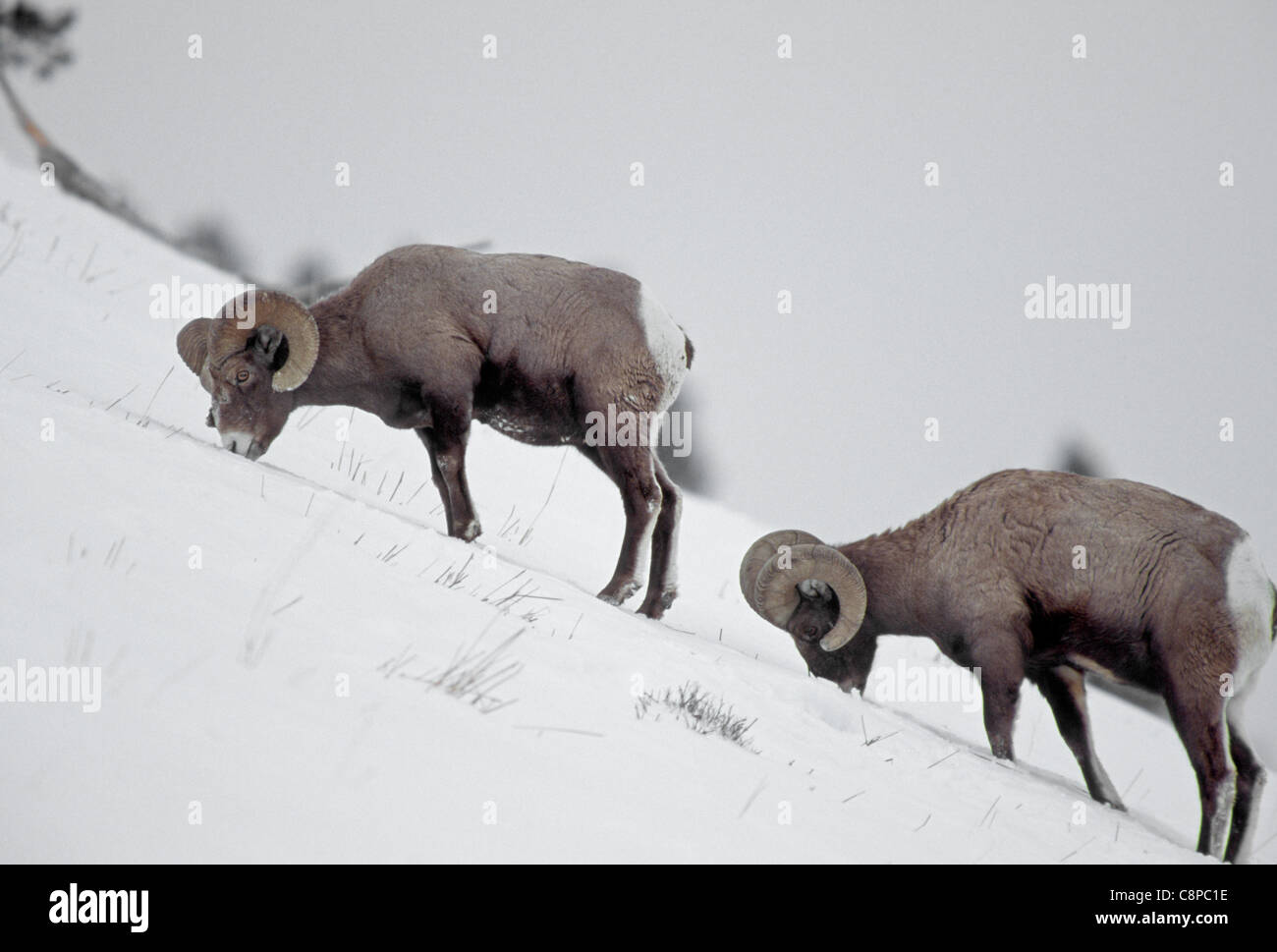
The confusion regarding whether all rams are male often stems from the use of the word "ram" to describe wild sheep, such as the Bighorn sheep (Ovis canadensis). In the wild, the term "ram" is used exactly the same way as it is in agriculture: it denotes the mature male of the species.
In wild populations, the "ram" is the individual with the massive, curling horns that serve as a hallmark of the species. While female wild sheep also have horns, they are typically shorter, thinner, and less curved. Because the term "ram" is linked to these specific, high-visibility secondary sexual characteristics in popular media (such as nature documentaries), the association between the word and the male gender becomes reinforced in the public consciousness.
Common Misconceptions and Linguistic Nuances
Language evolves, and sometimes words are used loosely. Occasionally, the term "ram" is used as a verb ("to ram" or "ramming"), describing a physical action. This action is named after the behavior of the animal—the way a male sheep lowers its head and charges—which can be a source of confusion. However, the noun "ram" remains strictly tied to the biological male of the ovine species.
Another source of error is the naming of sports teams and organizations. For example, the Los Angeles Rams, an NFL team, uses the ram as a symbol of strength and aggression. Because a logo or a mascot does not possess biological sex, the name is purely symbolic, which can lead to lighthearted semantic debates. However, in any zoological or agricultural context, the definition remains rigid.
Practical Identification for Farmers and Keepers
For individuals beginning to keep sheep, accurate identification of sex is a critical prerequisite for management. If you are purchasing sheep, you must be able to distinguish between a ram, a wether, and a ewe to ensure you are meeting your specific goals for the flock.
Verification Steps
- Visual Inspection of External Anatomy: This is the most reliable method for mature animals. Rams will have visibly developed testicles in the scrotum. If the area is flat or empty, the animal is either a ewe or a wether.
- Behavioral Observation: Watch for hierarchical behavior. If an animal is constantly posturing, sparring with others, or exhibiting intense interest in the ewes, it is likely an intact ram.
- Age Consideration: Remember that young lambs are difficult to sex by appearance alone. If you are buying young stock, rely on the seller's documentation and veterinary health records rather than visual estimation.
- Veterinary Consultation: If you are unsure of the status of an animal, particularly regarding whether it was properly castrated, a veterinarian can perform a physical examination to confirm the presence or absence of testicular tissue.
Addressing Related Questions
Is there such a thing as a female ram?
No. By definition, a ram must be a male sheep. If a female sheep exhibits unusual physical traits, it is not a "female ram," but rather an individual with potential hormonal or developmental abnormalities that should be investigated by a veterinarian.
Can a wether ever become a ram?
No. Castration is a permanent procedure. Once the testes are removed or the function is rendered void, the animal cannot regain its status as an intact male. It will never develop the full secondary sexual characteristics associated with a mature, breeding-ready ram.
Do all male sheep grow large, curling horns?
Not necessarily. While rams of many wild sheep species and some domestic breeds (like the Jacob or Navajo-Churro) possess impressive horns, many domestic sheep breeds are "polled" (bred to be naturally hornless). The presence of horns is determined primarily by genetics and breed standards, not solely by the animal's status as a ram.
How does the term "ram" compare to "buck"?
"Buck" (or billy) is the term for a male goat. Because sheep and goats are different species (Ovis aries versus Capra hircus), they have distinct terminologies. Using "ram" for a goat is technically incorrect, just as calling a male goat a "ram" is a category error in animal husbandry.
What is a "teaser" ram?
A teaser ram is a vasectomized male—a ram that has been surgically altered so that he is sterile but still produces testosterone. These animals are used in commercial farming to stimulate ewes into coming into heat (estrus) without the risk of them becoming pregnant. Despite being sterile, they are still considered "rams" because they retain the male reproductive hormones that drive their behavior and their effect on the flock.
Recommendations for Livestock Management
If your objective is to manage a healthy, productive flock, the most important action is to clearly categorize every animal in your care. Maintain a log that identifies each sheep by age, sex, and reproductive status.
- If you are breeding: Ensure you have access to a healthy, genetically sound ram. Evaluate his temperament and conformation carefully, as he will contribute 50% of the genetics for your entire lamb crop.
- If you are raising meat or wool: Prioritize the use of wethers for the bulk of your flock. This will significantly decrease the amount of physical labor required to keep the peace among your animals and will help prevent accidental breeding.
- Regular Checks: Conduct quarterly health checks on all male sheep to ensure their status remains consistent with your management goals. If you spot aggressive behavior in an animal you believed to be a wether, consult a veterinarian immediately to ensure the castration was successful and complete.
By maintaining these clear distinctions, you can avoid the common pitfalls of improper flock management and ensure the safety and productivity of your operation. Whether you are a hobbyist or a commercial producer, the terminology you use is the foundation upon which your management decisions are built.