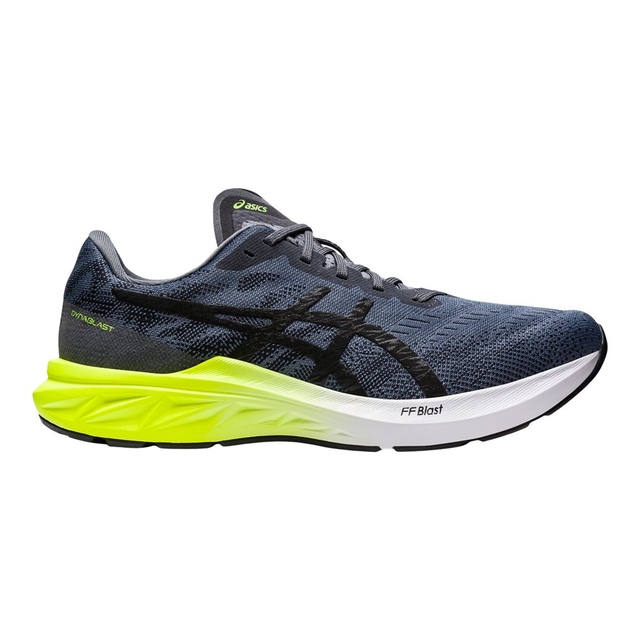
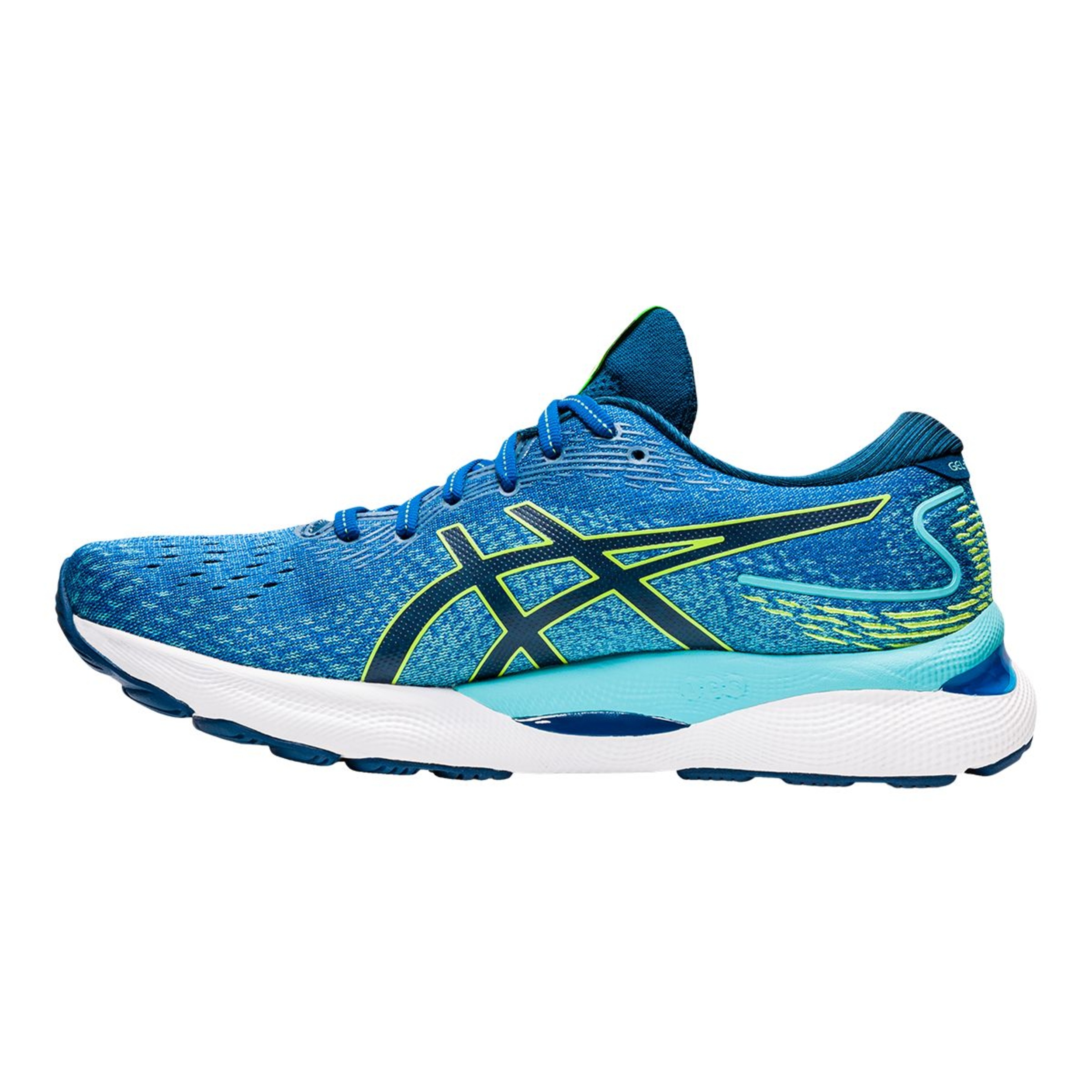
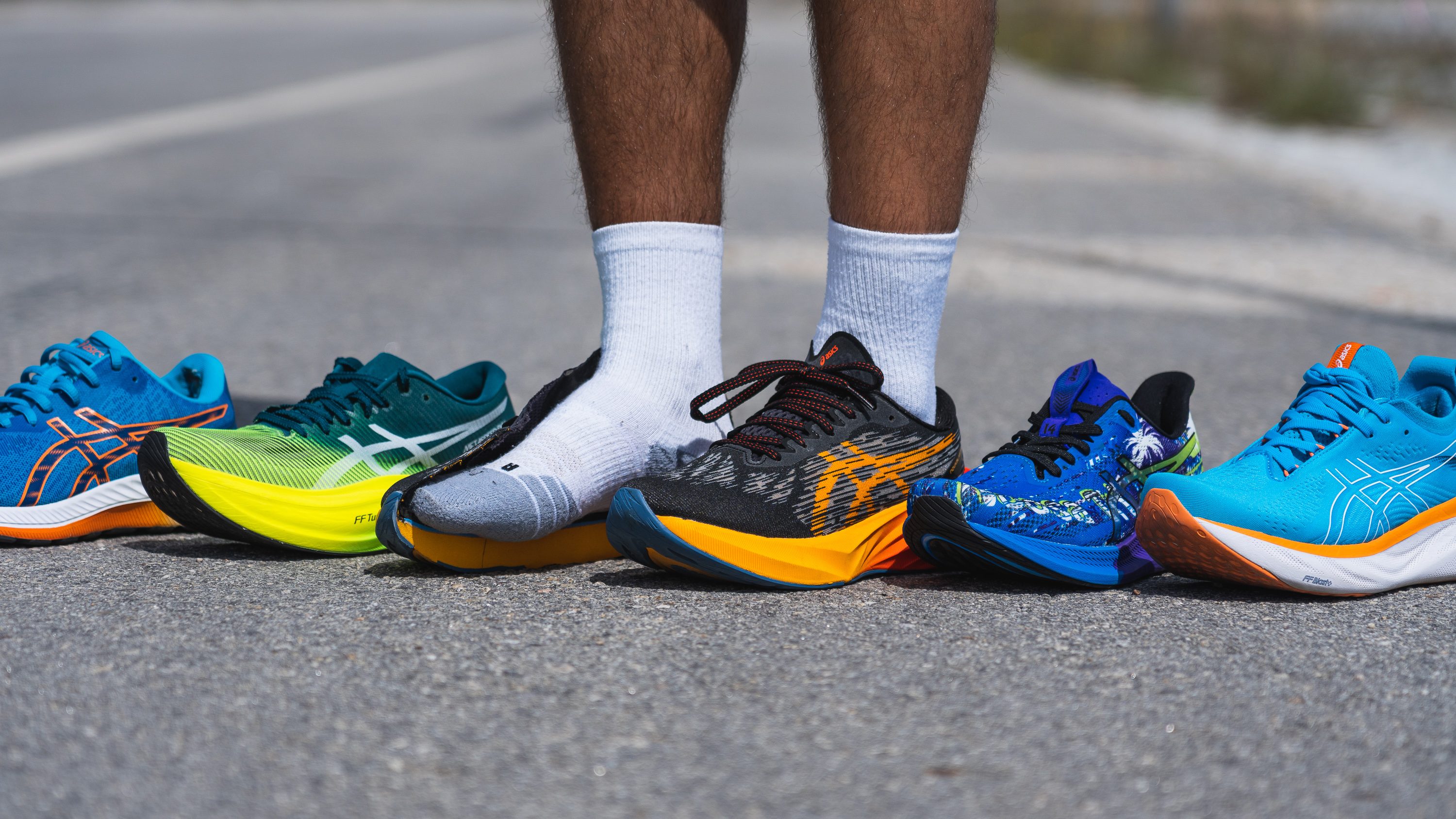
ASICS shoes are widely considered comfortable because they are engineered with specific biomechanical support systems, such as Gel cushioning technology and Trusstic stabilizing architectures, designed to reduce impact forces and maintain foot alignment. Comfort is highly subjective, however, and depends entirely on matching a specific shoe model's structural profile to an individual’s unique foot shape, gait pattern, and intended athletic activity.
The Science of Comfort in Athletic Footwear
Comfort in running and walking shoes is not merely a matter of "softness." When analyzing whether ASICS footwear meets a user's comfort needs, it is essential to distinguish between immediate step-in feel and long-term mechanical support. ASICS categorizes its footwear into three primary functional groups: Neutral, Stability, and Maximum Support.
The "Gel" technology that has defined the brand since its inception in the 1980s is a silicone-based material encapsulated in the midsole. Its primary function is shock absorption. Unlike pressurized air or foam-only midsoles, ASICS Gel is designed to dissipate vertical impact forces upon heel strike. For many users, this creates a feeling of comfort by reducing the stress transmitted through the ankles and knees. However, comfort is also influenced by the "drop"—the height difference between the heel and the forefoot—which generally ranges from 8mm to 12mm in traditional ASICS models. Understanding these metrics is the first step in determining if the brand will be comfortable for your specific physiology.
Understanding Foot Shape and Biomechanics
Before purchasing, you must identify your foot type, as even the most expensive, highly-rated shoe will feel uncomfortable if it contradicts your natural biomechanics.
- High Arches (Supination/Underpronation): If your feet do not roll inward enough during the gait cycle, you likely require a "Neutral" shoe with maximum cushioning to compensate for a lack of natural shock absorption. The ASICS Nimbus series is frequently cited in this category.
- Flat Feet or Low Arches (Overpronation): If your feet roll excessively inward, you require "Stability" or "Motion Control" shoes. The ASICS Kayano series utilizes a "4D Guidance System" or older DUOMAX technology to physically prevent the arch from collapsing, which many runners with flat feet perceive as essential comfort.
- Neutral Arches: If your gait is relatively efficient, you benefit from a balanced shoe like the ASICS Cumulus, which offers moderate cushioning without aggressive corrective geometry.
Categorizing ASICS Technology for Personal Comfort
To determine if these shoes will feel comfortable, you should match your intended use with the specific technological suite offered in each model. The following table illustrates the common comfort-oriented features found in the current ASICS lineup.
| Feature | Primary Benefit | Best For |
|---|---|---|
| PureGEL | Enhanced shock absorption | Heel strikers and joint sensitivity |
| FF BLAST PLUS | Lightweight, responsive bounce | Daily training and long-distance runs |
| 4D GUIDANCE SYSTEM | Adaptive arch stability | Overpronators and fatigue reduction |
| AHARPLUS Rubber | High durability and grip | High-mileage road runners |
| Engineered Mesh | Breathability and lockdown | Preventing friction and hot spots |
Evaluating the "Break-In" Period
A common misconception is that a shoe must feel perfect the moment it is removed from the box. While modern footwear construction has minimized the need for a traditional "break-in" period, ASICS shoes often utilize high-density foam midsoles and rigid heel counters that require approximately 20 to 30 miles of use to fully adapt to the specific pressures of your foot.
If you feel discomfort during your first run—specifically in the arch or the heel collar—it may be a sign of a size or width mismatch rather than a defect in the shoe. ASICS offers various widths (Narrow, Standard, Wide, and Extra-Wide) that significantly impact comfort. A shoe that is too narrow will cause pressure points along the midfoot, while a shoe that is too wide will cause the foot to slide, leading to blisters. Always measure both feet, as it is common for one foot to be larger than the other.
When ASICS May Not Be the Right Choice
While ASICS is a leader in performance footwear, there are instances where they may not meet your personal definition of comfort:
- Preferences for Minimalist Footwear: If you prefer "barefoot" or zero-drop shoes, the structured nature of most ASICS models may feel bulky or overly restrictive.
- Severe Orthopedic Requirements: While ASICS provides significant support, they are not custom medical devices. If you have been diagnosed with conditions such as severe plantar fasciitis or tarsal tunnel syndrome, you may require custom orthotics that replace the stock ASICS sockliner.
- Volume and Width Constraints: For users with exceptionally high-volume feet or wide midfoots, some ASICS uppers may feel tight despite being listed as a "Wide" option, as their design is often tapered toward the toe box.
Practical Steps to Verification
To guarantee comfort, follow these professional guidelines:
- Test at the End of the Day: Your feet naturally swell throughout the day. Trying on shoes in the evening mimics the foot volume you will experience during a long run or a full day of standing.
- Use Athletic Socks: Always bring the specific socks you intend to wear for your activity. The thickness of the material significantly alters the fit.
- The Thumb Test: You should have approximately a thumb's width of space between your longest toe and the front of the shoe. This prevents "black toenails" during downhill movement.
- The Walking Test: Do not just stand in the store. Jog or walk briskly to engage the midsole cushioning and ensure the heel does not slip out of the counter.
Frequently Asked Questions
How long should a pair of ASICS last before they lose their comfort? Most ASICS running shoes are designed to maintain their structural integrity and cushioning properties for 300 to 500 miles. Beyond this, the foam begins to compress permanently, and the rubber outsole may wear down to the point where impact protection is diminished, leading to a noticeable loss in comfort.
Why does the arch of my ASICS shoe feel like it is poking me? This is often a sign that you are wearing a stability-focused shoe when you require a neutral one. If your arch is high, the "medial post" or "guidance system" intended to correct overpronation may be pressing against an arch that doesn't need support, creating intense discomfort. Switching to a neutral model usually resolves this.
Are ASICS comfortable for standing all day? Yes, models with high levels of "FF BLAST" foam, such as the Nimbus or the Novablast, are frequently favored by nurses, retail workers, and individuals who stand for extended periods. These models prioritize vertical cushioning, which helps distribute body weight more evenly across the entire foot.
Should I size up when buying ASICS? Generally, you should order your standard athletic shoe size. However, if you are moving from a brand with a wider toe box (like Altra) to an ASICS model, you may find that moving up a half-size provides a more comfortable, less restrictive fit, especially for long-distance activities where foot swelling is inevitable.
Are these shoes waterproof? Standard ASICS models are designed for breathability and are not waterproof. If you require comfort in wet conditions, look for the "GTX" (Gore-Tex) versions of specific models. Note that GTX versions may feel slightly warmer and less flexible than their standard counterparts due to the waterproof membrane.
Recommendations for Next Actions
To determine if ASICS is the correct comfort solution for you, start by visiting a specialized running store to have your gait analyzed. If that is not possible, use the ASICS "Shoe Finder" tool on their official website, which uses a series of questions about your foot shape and exercise frequency to narrow down the model that matches your physical requirements. If you have recurring pain in your feet or knees, consult a podiatrist before purchasing new footwear; the most comfortable shoe is one that aligns with your clinical needs, not just your personal preference for softness.