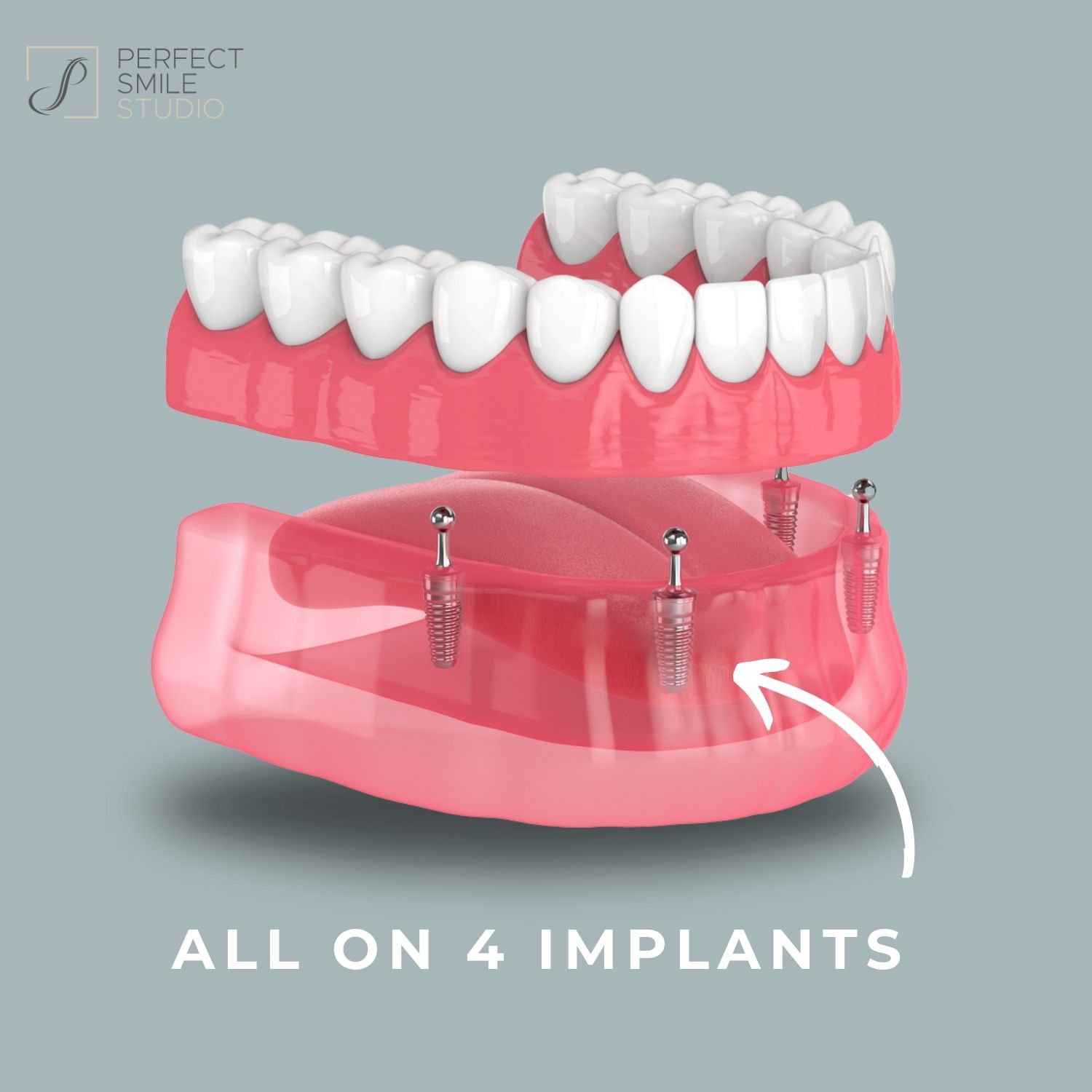
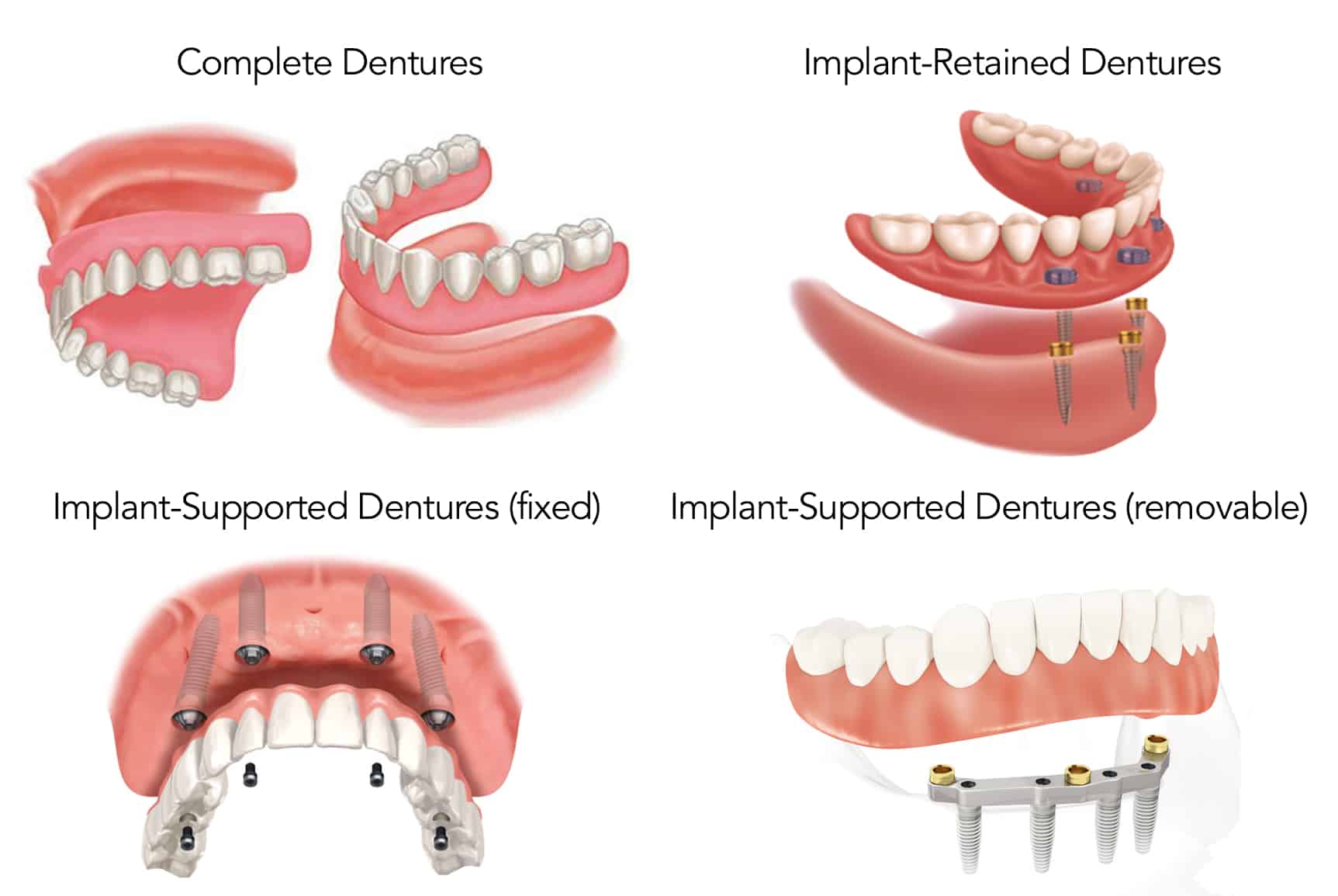
All-in-one dental implants, commonly known as All-on-4 or All-on-X, are a permanent restorative solution where an entire arch of prosthetic teeth is supported by four to six strategically placed dental implants. This system provides a fixed, non-removable alternative to traditional dentures, restoring full bite force and aesthetic appearance for patients with significant tooth loss.
The concept of "all-in-one" implants has revolutionized the field of prosthodontics by offering a streamlined approach to full-mouth reconstruction. In 2026, these systems have become the gold standard for patients who have lost most or all of their teeth due to decay, periodontal disease, or trauma. Unlike traditional implant methods that might require eight to ten implants per arch and extensive bone grafting, the all-in-one approach utilizes the available bone with high efficiency, often bypassing the need for complex preparatory surgeries.
Understanding the "All-in-One" Concept
The term "all-in-one implants" is frequently used by patients to describe a full-arch fixed prosthesis. In clinical settings, this is typically referred to as an "All-on-4" or "All-on-6" procedure. The "all-in-one" moniker refers to the fact that a single surgical procedure can replace an entire row of teeth, often including any necessary extractions and the placement of a temporary bridge on the same day.
The Mechanics of the System
The foundation of the system lies in the strategic positioning of the titanium or zirconia posts. In a standard All-on-4 configuration, two implants are placed vertically in the anterior (front) of the jaw where the bone is naturally denser. The two posterior (back) implants are placed at an angle—usually between 30 and 45 degrees.
This tilting serves two critical purposes:
- Bone Utilization: It allows the surgeon to use the existing bone structure in the back of the mouth, even if some resorption (bone loss) has occurred, without needing a sinus lift or bone graft.
- Structural Support: The angled placement provides a wider base of support for the prosthetic bridge, similar to the way a tripod offers stability on uneven ground.
Material Evolution in 2026
As of 2026, the materials used for both the implants and the prosthetic bridge have reached new levels of durability and biocompatibility. While medical-grade titanium remains the industry standard for the implant posts due to its proven osseointegration capabilities, zirconia implants are increasingly common for patients with metal sensitivities or those desiring a completely "white" solution.
The prosthetic bridge—the "teeth" part of the all-in-one system—is now predominantly crafted from monolithic zirconia or high-strength polymers like PEKK (Polyetherketoneketone). These materials are chosen for their resistance to chipping, lifelike translucency, and digital precision during the milling process.
The Procedure: From Consultation to Final Smile
Undergoing an all-in-one implant procedure is a multi-stage process that requires meticulous planning and execution. While the surgical component is often referred to as "Teeth in a Day," the biological healing process cannot be rushed.
Stage 1: Digital Diagnostics and Planning
In 2026, the planning phase is almost entirely digital. Surgeons utilize Cone Beam Computed Tomography (CBCT) scans to create a 3D map of the patient’s jawbone, nerves, and sinus cavities. This data is imported into specialized software to perform a "virtual surgery."
Before the patient ever sits in the surgical chair, the doctor has already determined the exact depth, angle, and position of each implant. Using this data, a surgical guide is 3D-printed. This guide fits over the patient’s gums or remaining teeth, acting as a template that ensures the implants are placed exactly where the digital plan dictated.
Stage 2: The Surgical Appointment
On the day of surgery, any remaining failing teeth are extracted. The surgical guide is used to place the four to six implants. If the patient has sufficient initial stability (the "torque" with which the implant sits in the bone), a provisional bridge is attached immediately.
This provisional bridge is functional and aesthetic, allowing the patient to leave the office with a full set of teeth. However, it is temporary and designed to be worn during the healing phase. Patients are strictly advised to stick to a soft-food diet during this time to avoid micro-movements that could prevent the implants from fusing with the bone.
Stage 3: Osseointegration and Healing
Osseointegration is the biological process where the living bone cells grow into the microscopic pores of the implant surface. This process typically takes three to six months. During this window, the patient visits the dentist for routine checks to ensure the gums are healing and no inflammation is present.
Stage 4: The Final Prosthesis
Once osseointegration is confirmed, the temporary bridge is removed. The dentist takes final impressions—often using a digital intraoral scanner or photogrammetry technology, which is the 2026 standard for ensuring a passive fit. The final, high-strength zirconia or porcelain bridge is then custom-fabricated and permanently screwed into the implants.
Candidacy and Prerequisites
Not every patient is an immediate candidate for all-in-one implants. While the procedure is designed to help those with bone loss, a baseline level of health and bone volume is required.
- Bone Density: Although the angled implants maximize bone use, there must still be enough "foundation" to hold the posts. In cases of extreme atrophy, zygomatic implants (which anchor into the cheekbone) may be suggested as an alternative.
- Systemic Health: Conditions like uncontrolled diabetes or autoimmune disorders can hinder the body's ability to heal and fuse with the implants. Patients must have their conditions managed before proceeding.
- Smoking Status: Smoking significantly increases the risk of implant failure by reducing blood flow to the gums and bone. Many surgeons require patients to quit smoking for a set period before and after the surgery.
- Periodontal Health: Any active infections or gum disease in the mouth must be treated. The all-in-one system requires a clean, healthy environment to succeed.
Comparing All-in-One Implants to Other Restorations
Choosing the right restoration involves weighing longevity against cost and comfort. The following table illustrates the primary differences between the dominant options available in 2026.
| Feature | All-in-One (All-on-4/6) | Traditional Implants | Removable Dentures |
|---|---|---|---|
| Number of Implants | 4 to 6 per arch | 8 to 10 per arch | Zero |
| Bone Grafting | Rarely required | Often required | Not applicable |
| Stability | High (Fixed in place) | Highest (Fixed in place) | Low (Can slip/shift) |
| Palate Coverage | No (Open palate) | No (Open palate) | Yes (Covers roof of mouth) |
| Bite Force | ~80-90% of natural teeth | ~95-100% of natural teeth | ~10-20% of natural teeth |
| Healing Time | 3-6 months | 6-12 months | Immediate |
| Cost (Estimated 2026) | $20,000 - $35,000 per arch | $40,000 - $60,000 per arch | $2,000 - $5,000 per arch |
Benefits of the All-in-One Approach
The primary advantage of all-in-one implants is the immediate improvement in quality of life. Unlike traditional dentures, which can be bulky and affect speech, the all-in-one bridge is streamlined. Because it does not cover the roof of the mouth (the palate), patients can fully taste their food and speak without a lisp.
Furthermore, dental implants are the only restoration that prevents bone resorption. When a tooth is lost, the jawbone no longer receives stimulation from the tooth root and begins to shrink. Implants act as artificial roots, signaling the body to maintain the bone density in that area. This prevents the "sunken" facial appearance often associated with long-term denture wearers.
Risks and Common Complications
While the success rate for all-in-one implants in 2026 remains high (above 95% in most clinical studies), complications can occur.
- Peri-implantitis: This is an inflammatory condition that affects the soft and hard tissues around the implant. It is similar to gum disease and is usually caused by poor oral hygiene or smoking. If left untreated, it can lead to bone loss and implant failure.
- Mechanical Failure: While rare with zirconia, the prosthetic bridge can sometimes chip or crack if the patient suffers from severe bruxism (teeth grinding). Patients who grind their teeth are typically provided with a custom nightguard.
- Failure to Osseointegrate: In a small percentage of cases, the bone simply does not fuse with the titanium post. This is often linked to underlying health issues or premature loading (eating hard foods too soon).
Maintenance and Long-Term Care
Maintenance of all-in-one implants is simpler than many expect, but it is non-negotiable. Since the bridge is fixed, you cannot remove it for cleaning.
- Daily Hygiene: Patients must brush twice daily with a non-abrasive toothpaste. Specialized "super floss" or water flossers (like a Waterpik) are essential for cleaning the space between the bridge and the gum line.
- Professional Cleanings: Even with perfect home care, professional cleanings are required every six months. In 2026, many clinics use "Airflow" technology—a mixture of warm water, air, and fine powder—to safely clean around the implant abutments without scratching the metal or zirconia.
- Annual Exams: Once a year, the dentist may remove the bridge to inspect the implants directly and verify that the screws are still tightened to the correct torque specifications.
2026 Cost Considerations and Insurance
In 2026, the cost of all-in-one implants remains a significant investment. On average, a single arch (top or bottom) costs between $20,000 and $35,000. This price typically includes the initial consultation, 3D imaging, extractions, the dental implants, the provisional bridge, and the final zirconia bridge.
Insurance and Financing
Standard dental insurance often classifies full-arch implants as a "major" or "cosmetic" procedure, frequently capping annual benefits at $1,500 to $2,500. This covers only a small fraction of the total cost. However, some medical insurance policies may provide coverage if the tooth loss is a result of a specific medical condition or trauma.
To bridge the gap, most 2026 dental practices offer third-party financing through companies like CareCredit or Proceed Finance. These allow patients to pay for the procedure via monthly installments over 24 to 84 months.
Frequently Asked Questions
Does the procedure hurt?
The surgery itself is typically performed under IV sedation or general anesthesia, meaning the patient feels nothing during the process. Post-operative discomfort is usually managed with over-the-counter anti-inflammatories like ibuprofen. Most patients report that the discomfort is less than they expected, often returning to work within three to five days.
How long do all-in-one implants last?
The titanium implant posts are designed to last a lifetime with proper care. The prosthetic bridge is also extremely durable; zirconia bridges can last 15 to 25 years or longer. However, like natural teeth, they are subject to wear and tear and may eventually require replacement or repair.
Can I eat whatever I want with these implants?
Once the implants have fully fused with the bone and the final bridge is placed, you can eat almost anything, including steak, apples, and nuts. During the initial 3-6 month healing phase, however, you must adhere to a "fork-tender" diet to avoid putting excessive stress on the healing implants.
What is the difference between All-on-4 and All-on-6?
The difference is simply the number of implants used to support the bridge. An All-on-6 approach provides additional stability and is often recommended for patients with larger jaws, higher bite forces, or lower bone density. Your surgeon will determine the optimal number based on your 3D scans.
Will the teeth look natural?
Yes. In 2026, digital design allows for "smile virtualization," where the lab creates teeth that match your facial proportions, skin tone, and age. The use of monolithic zirconia provides a translucency that mimics natural tooth enamel, ensuring that the implants do not look like "obvious" dentures.
Summary and Next Actions
All-in-one implants offer a life-changing solution for those facing total tooth loss. By combining advanced surgical techniques with high-strength materials, this system provides a fixed, functional, and aesthetically pleasing set of teeth that functions very similarly to natural ones.
If you are considering this procedure, your next step is to schedule a consultation with a board-certified oral surgeon or a prosthodontist who specializes in full-arch restorations. Ensure they utilize modern 2026 technologies, such as CBCT scanning and digital surgical guides, to ensure the highest level of precision and safety. Always ask to see "before and after" cases of their actual patients and request a full breakdown of the costs involved, including the materials used for the final bridge.
Disclaimer: This information is for educational purposes only and does not constitute medical advice. Consult with a qualified dental professional for a diagnosis and treatment plan tailored to your specific needs.