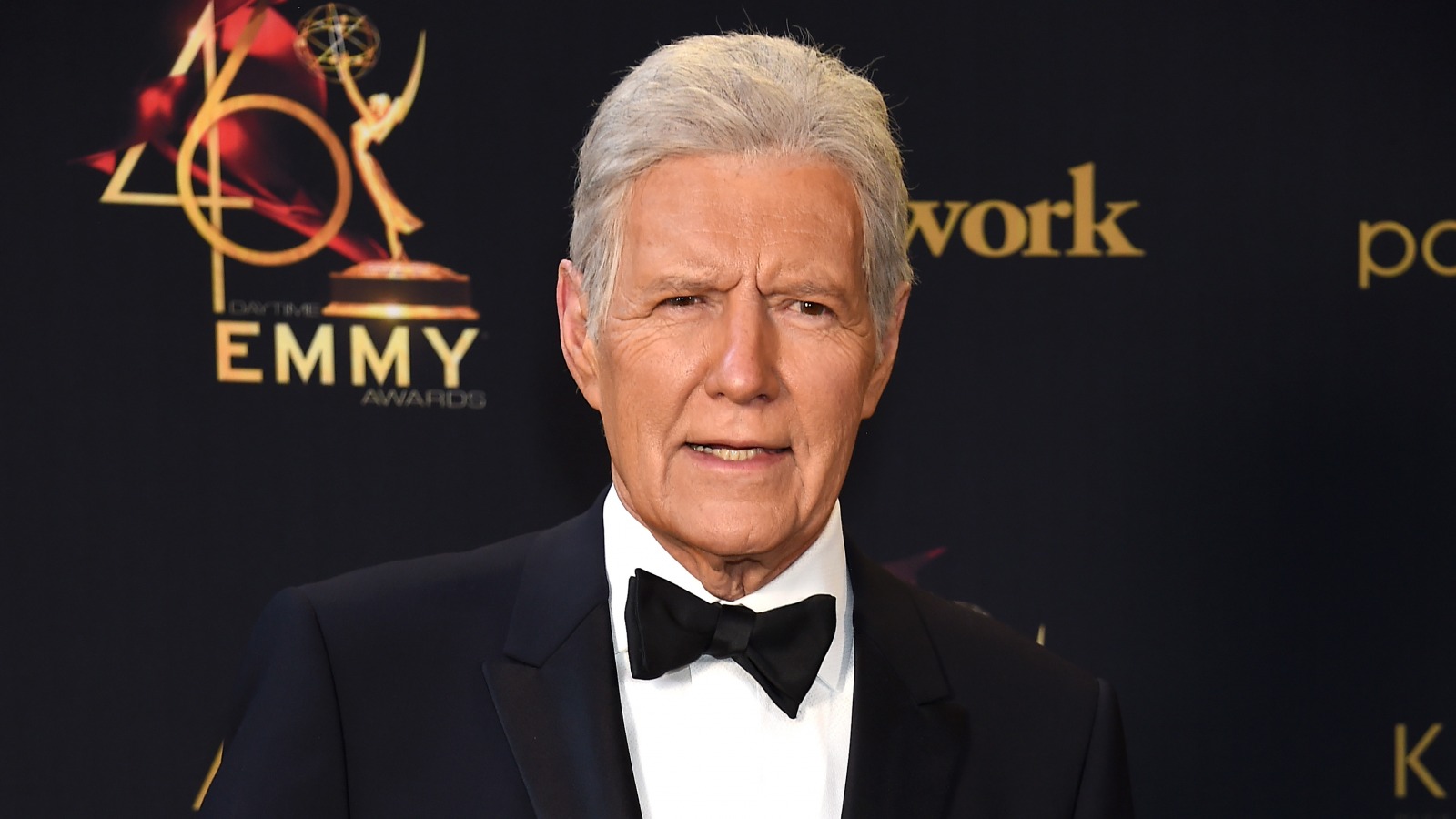
At the time of his passing in November 2020, television icon Alex Trebek possessed an estimated net worth of approximately $75 million. This substantial fortune was accumulated primarily through his 36-year tenure as the host of the syndicated game show Jeopardy!, bolstered by peak annual salaries of $18 million, strategic real estate investments, and commercial endorsements.
The Scale and Origin of Alex Trebek’s Wealth
When examining celebrity finances, public estimates often compress decades of contract negotiations, investment diversification, and estate planning into a single headline number. Alex Trebek's financial profile presents one of the clearest examples in Hollywood history of disciplined, single-franchise wealth compounding. Rather than pursuing speculative entrepreneurial ventures or frequent career shifts, Trebek built the bulk of his net worth by anchoring one of the most profitable intellectual properties in broadcast television.
His wealth accumulation can be divided into three core financial phases:
- The Canadian Broadcasting and Early American Career (1961–1983): Foundational earnings from news reporting, sports coverage, and early game shows such as The Wizard of Odds, High Q, and The $128,000 Question.
- The Jeopardy! Revival and Contract Scaling (1984–2010): Stable television hosting compensation that steadily elevated him into the upper tier of syndicated talent, moving from six-figure salaries into eight-figure multi-year agreements.
- The Peak Earning and Asset Consolidation Era (2010–2020): Peak annual salaries reaching $18 million per contract cycle, prime California real estate holdings, land speculation, and extensive philanthropic distributions.
Understanding the mechanics behind these phases clarifies how an individual television host maintained an estate valued at roughly $75 million while directing millions into charitable trusts and community development.
The Television Engine: Jeopardy! Salary and Syndication Economics
The foundation of Trebek's estate was his long-term contract with Sony Pictures Television, the producer of Jeopardy!, distributed by CBS Television Distribution (now CBS Media Ventures). Unlike scripted television actors who often rely heavily on backend residual percentages that fluctuate based on streaming library deals, game show hosts typically operate on direct service contracts negotiated around the syndication cycle.
Syndication Power and Shooting Schedules
Game shows represent one of the most cost-effective formats in entertainment. A standard season of Jeopardy! consists of 230 episodes. Because the show does not require elaborate outdoor set designs, multiple takes, or extensive post-production visual effects, production operates on an exceptionally tight schedule:
- Taping Velocity: Trebek famously taped five episodes per day.
- Working Days: A full 230-episode season required approximately 46 taping days, distributed across roughly two to three working days per week over a few months.
- Per-Episode Value: At his peak contract rate of roughly $18 million per year, Trebek earned approximately $78,000 per episode, or roughly $390,000 per tape day.
This economic reality meant Trebek generated one of the highest hourly earnings profiles in American media, allowing him to reinvest capital over decades into passive, high-yield assets without demanding the constant year-round operational oversight typical of corporate executives.
Alex Trebek Estimated Salary Progression
| Era | Role / Benchmark | Estimated Annual Earnings |
|---|---|---|
| Mid-1970s | Early US Game Shows | $50,000 - $150,000 |
| 1984 - 1989 | Early Jeopardy! Synd. | $500,000 - $1,500,000 |
| 1990s | Established Host Status | $3,000,000 - $5,000,000 |
| 2000s | Multi-Year Sony Renewals | $8,000,000 - $10,000,000 |
| 2014 - 2020 | Final Contract Extensions | $14,000,000 - $18,000,000 |
Commercial Endorsements: Colonial Penn
Beyond his base production salary, Trebek maintained long-running corporate spokesperson agreements. Most prominent was his multi-decade partnership with Colonial Penn Life Insurance Company, beginning in the late 1990s.
As the primary face of their guaranteed-acceptance whole life insurance policies aimed at seniors, Trebek's direct-response television advertisements aired thousands of times annually nationwide. Spokesperson contracts of this scale and longevity in the financial services sector typically command mid-to-high seven-figure retainers alongside production fees. This provided an independent, liquid revenue stream completely decoupled from Sony Pictures' network renewal cycles.
Real Estate Holdings, Land Purchases, and Tangible Assets
Unlike many entertainment figures who allocate capital to speculative luxury fashion labels, restaurants, or early-stage venture tech, Trebek favored hard assets—primarily residential real estate, land development, and personal restoration projects. He was an avid, self-taught home renovation enthusiast, often purchasing properties not purely for institutional appreciation, but to personally manage their remodeling.
The Studio City Estate
Trebek's primary residence was a Mediterranean-style mansion located in Studio City, California, within the San Fernando Valley.
- Acquisition: Purchased in 1991 for approximately $2.15 million following his marriage to Jean Currivan Trebek.
- Specifications: The property encompasses roughly 10,000 square feet of living space on an expansive 1.5-acre lot, featuring five bedrooms, eleven bathrooms, a guest house, and lush grounds.
- Disposition: Following Trebek's passing, the estate was placed on the market in early 2022 by his surviving spouse with an initial listing price of nearly $7 million, eventually selling later that year for approximately $6.45 million.
The Paso Robles Thoroughbred Property
In 1996, Trebek purchased Creston Farms, an expansive 724-acre property located near Paso Robles, California. The ranch was established as a premier thoroughbred breeding and training facility. Trebek invested heavily in state-of-the-art equestrian infrastructure, operating the farm for nearly a decade.
In 2005, recognizing shifts in the regional agricultural economy and the operational costs of maintaining commercial bloodstock facilities, he sold the property for an estimated $8.8 million, redeploying the proceeds into municipal land conservation and lower-maintenance capital holdings.
The Lake Nacimiento Lakefront Home
Further demonstrating his affinity for California real estate, Trebek owned a secondary retreat on Lake Nacimiento in rural central California. The property served as an outdoor recreational base for his family, featuring custom craft and workshop spaces where Trebek famously executed his own carpentry, plumbing, and mechanical repairs.
Philanthropy and Land Conservation Contributions
A critical component of the financial analysis of Alex Trebek’s celebrity net worth is the sheer volume of wealth he systematically donated during his lifetime. The $75 million valuation at his death reflects the assets remaining after tens of millions of dollars in direct gifts, endowments, and land grants.
The University of Ottawa
Trebek graduated from the University of Ottawa in 1961 with a degree in philosophy. Over the final two decades of his life, he became one of the institution's most prominent benefactors. His recorded contributions exceeded $25 million CAD:
- Established the Alex Trebek Forum for Dialogue, a public policy initiative designed to foster nonpartisan civil discourse.
- Funded the construction and ongoing endowment of the Trebek Innovation Hall.
- Created comprehensive scholarship programs for undergraduate students facing financial distress.
Conservation and the Hollywood Hills Land Donation
In 1998, Trebek purchased 62 acres of pristine, undeveloped land in the Hollywood Hills, located near the top of Runyon Canyon. Valued at roughly $2 million at the time of transfer, Trebek donated the entire parcel directly to the Mountains Recreation and Conservation Authority (MRCA).
Today, this protected acreage is known as Trebek Open Space. It serves as an open-access public park, wildlife corridor, and recreational trail network, permanently preventing commercial luxury home development in the Santa Monica Mountain zone.
Community Support: Hope of the Valley
In his final years, Trebek directed substantial personal wealth into practical solutions for homelessness in the greater Los Angeles area. He and his wife Jean donated $500,000 toward the construction of the Trebek Center in Northridge, California, operated by Hope of the Valley Rescue Mission (now known as Hope the Mission). The 23,000-square-foot bridge housing facility provides comprehensive shelter and rehabilitation services to unhoused individuals.
Estate Planning, Asset Division, and Surviving Beneficiaries
Navigating the legal transfer of a high-net-worth estate requires structures designed to protect privacy, avoid probate delays, and minimize sudden estate tax liabilities. Trebek’s estate plan relied heavily on private living trusts.
Primary Beneficiaries
Trebek was survived by:
- Jean Currivan Trebek: His wife of three decades, who serves as a core trustee and custodian of their combined estate and charitable organizations.
- Matthew Trebek: His son, a restaurateur and real estate investor based in New York City.
- Emily Trebek: His daughter, a successful real estate professional based in Southern California.
- Nicky Trebek: His adoptive daughter from his first marriage to Elaine Callei, who spent years working inside television production and lifestyle branding.
By utilizing revocable living trusts established in the State of California, the detailed distribution schedule of the Trebek family assets, specific account valuations, and personal property disbursements remained private. This is standard practice for high-profile entertainers, ensuring that estate distributions do not become a matter of public court record in the way typical probate proceedings do.
Comparative Wealth Analysis: Syndicated Game Show Hosts
To understand whether Trebek’s $75 million net worth is standard within daytime and syndicated television, it is helpful to examine the broader peer group. Syndicated game show broadcasting creates distinct tiers of wealth based on whether the talent serves strictly as host or retains production-level equity.
| Host Entity | Primary Franchise | Estimated Peak Net Worth | Primary Revenue Mechanism |
|---|---|---|---|
| Merv Griffin | Jeopardy!, Wheel of Fortune | $1.0+ Billion (at death) | Franchise Creator, Format Ownership, Production Rights |
| Pat Sajak | Wheel of Fortune | $75 Million | Long-term Base Talent Contract, Brand Licensing |
| Alex Trebek | Jeopardy! | $75 Million | Long-term Base Talent Contract, Direct Endorsements |
| Steve Harvey | Family Feud | $200 Million | Multi-Platform Production Equity, Radio Syndication, Books |
| Bob Barker | The Price Is Right | $70 Million | Multi-Decade Network Salary, Executive Producer Credits |
Host vs. Producer Economics
The fundamental dividing line in television wealth is format ownership:
- The Creator Tier (Merv Griffin): Griffin created both Jeopardy! and Wheel of Fortune. When he sold his production company, Merv Griffin Enterprises, to Columbia Pictures Television (now Sony) in 1986, he netted $250 million, retaining substantial residual streams and real estate interests that vaulted him into billionaire status.
- The Talent Tier (Trebek, Sajak): Trebek, while serving as a producer on Jeopardy! during the 1980s, primarily operated under talent service contracts. While these agreements do not grant perpetual copyright royalties across international territory sales, they insulate the host from production overhead, commercial ad-slot revenue volatility, and syndication deficit financing. Trebek’s $75 million net worth represents the absolute upper limit of what can be accumulated purely through talent contracting and steady market investment.
Frequently Asked Questions
What was Alex Trebek’s salary during his final season of Jeopardy!?
During his final contract renewal with Sony Pictures Television, Alex Trebek earned an estimated $18 million per year. This compensation covered roughly 46 working days per season, translating to approximately $78,000 per episode or nearly $390,000 per tape day.
Did Alex Trebek own any part of Jeopardy!?
No. Jeopardy! was created by media mogul Merv Griffin. The intellectual property and rights to the show were sold to Columbia Pictures Television in 1986 and remain the property of Sony Pictures Television. Trebek worked under multi-year talent service contracts. While he briefly held an associate producer credit during the show’s relaunch in the mid-1980s, he did not hold format equity.
How much money did Alex Trebek donate to charity throughout his life?
While full private tax filings are not public, confirmed lifetime donations by Trebek exceed $30 million. This includes over $25 million CAD gifted to his alma mater, the University of Ottawa, the donation of 62 acres of prime Los Angeles land valued at millions to public trusts, and continuous six-figure gifts to cancer research, civil rights initiatives, and homelessness housing programs.
What happened to Alex Trebek’s Studio City home after his passing?
The 10,000-square-foot Studio City residence where Trebek lived for nearly three decades was listed for sale by his widow, Jean Trebek, in January 2022 for $6.995 million. It officially sold in May 2022 for approximately $6.45 million.
Who inherited Alex Trebek’s estate?
The bulk of Alex Trebek’s estate passed into private family trusts overseen by his surviving spouse, Jean Currivan Trebek, with his three children—Matthew, Emily, and Nicky—as core beneficiaries. Because the family utilized standard California private trusts rather than traditional open probate, precise asset distribution percentages remain confidential.
Actionable Takeaway: Examining Syndicated Entertainment Contracts
For financial analysts, entertainment industry researchers, and investors evaluating media economics, Alex Trebek’s career provides a masterclass in long-term capital preservation:
- Verify Base vs. Residual Compensation: When evaluating high-earner net worth in broadcast media, determine whether talent holds royalty points or a service retainer. High-value service contracts (such as Trebek’s) offer extreme liquidity and zero capital risk, which can outperform production equity if the media franchise struggles with distribution changes.
- Account for Production Density: Analyzing television wealth requires reviewing hours worked per dollar generated. Trebek’s structure (five episodes per tape day across 46 days annually) allowed for decades of lifestyle freedom and active management of real estate and philanthropic pursuits without burnout.
- Analyze Estate Distribution Through Living Trusts: High-net-worth public figures rarely leave their assets to public probate courts. When researching historical estates, filings through conservation land transfers, university endowments, and listed real estate dispositions offer the most accurate public indicators of an estate's true scope and liquidity.