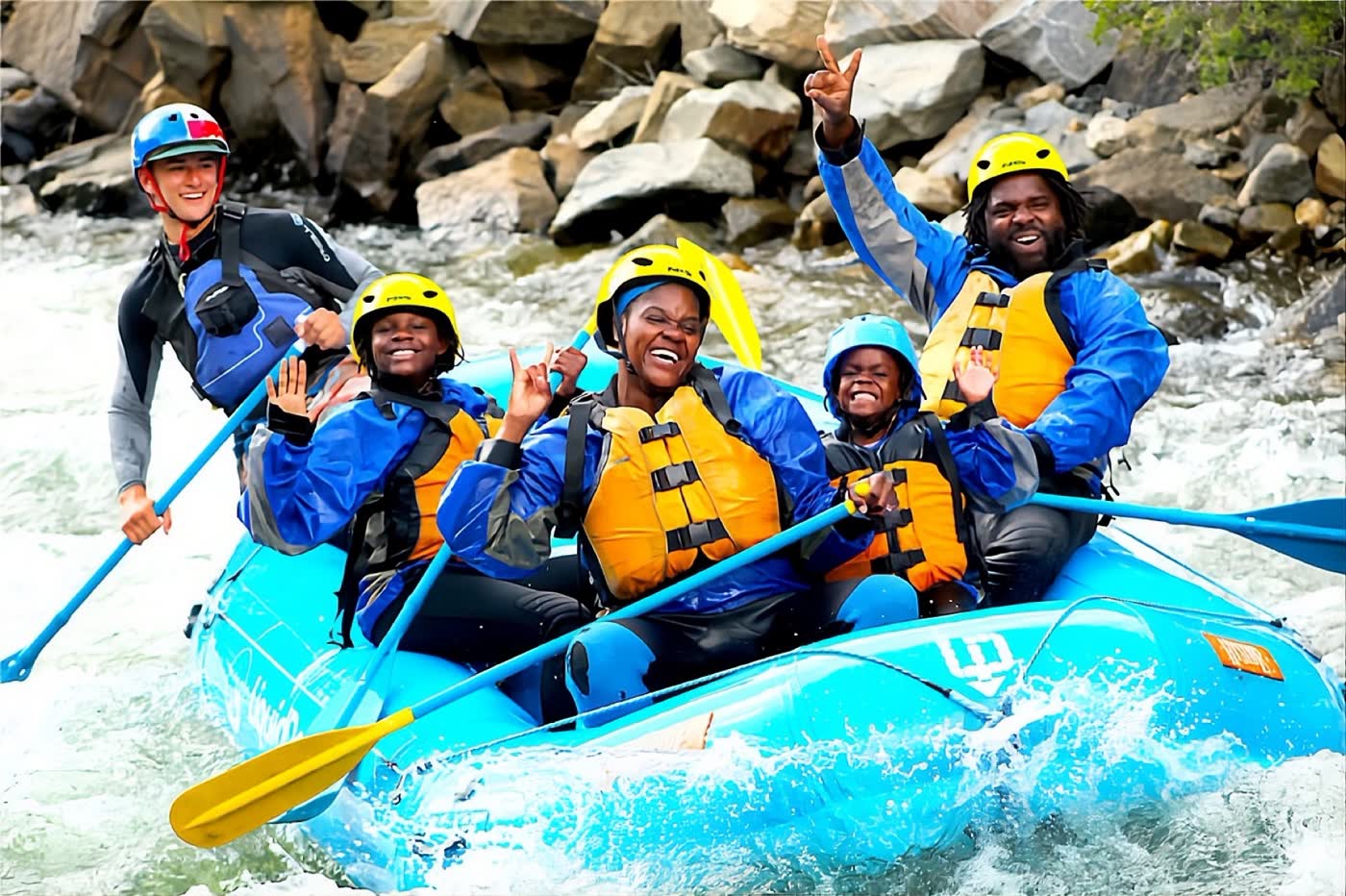
While the exact personal net worth of Alan Blando is not publicly disclosed, his financial standing is rooted in the high valuation of Liquid Descent Rafting, a premier Colorado outfitter. Based on industry standards for mid-to-large-scale rafting operations in the Rocky Mountains, his enterprise value and associated assets likely place him among the successful elite of the outdoor recreation industry.
To understand the net worth of a private business owner like Alan Blando, one must look beyond a single number. In the world of commercial whitewater rafting, "wealth" is often measured in liquid assets, high-value federal and state permits, specialized equipment fleets, and the brand equity built over decades of operation. As of 2026, Alan Blando remains a central figure in the Colorado rafting community, having steered Liquid Descent into a position of market leadership across three major river systems.
Who is Alan Blando?
Alan Blando is the founder and owner of Liquid Descent Rafting. Before becoming a business owner, Blando was a veteran guide with a reputation for technical proficiency on some of the most challenging commercial water in the United States. His transition from guide to owner is a classic story of American entrepreneurship within the "experience economy."
Blando’s philosophy has always centered on a "guide-owned and operated" model. This distinction is significant in the rafting industry. Many large outfitters are owned by investment groups or conglomerate resort corporations where the focus is on high-volume throughput. By contrast, Blando’s approach emphasized a premium, safety-first culture that attracted both high-end clientele and top-tier guiding talent. This strategic positioning has been a primary driver of the company’s financial growth and, by extension, Blando’s personal net worth.
The Business of Liquid Descent Rafting
Liquid Descent operates in three primary locations in Colorado, each serving a different market segment. This geographic diversity is a hedge against environmental risks—such as low water levels in one basin—ensuring a steady revenue stream throughout the summer season.
Clear Creek (Idaho Springs)
The Idaho Springs location is the "bread and butter" of the operation. Located just 30 miles from Denver, Clear Creek offers high-volume accessibility. The proximity to a major metropolitan area allows for a high turnover of trips, ranging from beginner Class III to advanced Class V sections like the Lower Canyon. The revenue generated here is driven by volume and the ability to run multiple "laps" per day.
The Upper Colorado River (Kremmling)
The Kremmling operations focus on the family and "float trip" demographic. While the technical difficulty is lower (Class II-III), the volume of guests is often higher during the mid-summer months. This location provides a stable income base that is less dependent on the high-adrenaline seekers and more focused on the broad tourism market visiting Rocky Mountain National Park and Grand County.
The Eagle River (Vail/Minturn)
The Eagle River is a seasonal gem. It is primarily a snowmelt-driven river, meaning it has a shorter season but offers some of the best whitewater in the state during the May-June runoff. By operating here, Liquid Descent captures the high-net-worth market of the Vail Valley and Beaver Creek resorts.
Analyzing Net Worth in the Rafting Industry
When calculating the net worth of a figure like Alan Blando, we must categorize his assets into three main buckets: Physical Assets, Intangible Assets (Permits), and Enterprise Value.
Physical Assets: The Fleet and Infrastructure
Liquid Descent maintains a massive inventory of specialized equipment. As of 2026, a single high-quality commercial raft (such as those from SOTAR or AIRE) can cost between $5,000 and $8,000. When you multiply this by a fleet of 50+ boats, plus the cost of life jackets (PFDs), helmets, paddles, and wetsuits, the equipment value alone reaches the high six figures.
Furthermore, the transportation infrastructure is a significant capital expenditure. Commercial rafting requires a fleet of buses and vans to transport guests from the boathouse to the put-in and back from the take-out. Maintaining and fueling these vehicles represents a major part of the business's overhead and asset base.
The Value of Federal and State Permits
In the Western United States, you cannot simply start a rafting company on a whim. Commercial access to rivers is strictly controlled by the U.S. Forest Service (USFS) and the Bureau of Land Management (BLM). These agencies issue Special Use Permits that dictate how many "user days" a company is allowed.
These permits are the most valuable part of a rafting company's "net worth." Because the agencies rarely issue new permits, the only way for a competitor to enter the market or for an existing company to grow is to acquire another company’s permits. This scarcity creates a high "blue sky" value for Liquid Descent. In the Colorado market, a permit for a high-traffic river like Clear Creek can be worth millions in a business sale.
Enterprise Value and EBITDA
For a private owner like Blando, net worth is often tied to the Enterprise Value (EV) of the company. Standard valuations for outdoor recreation companies often use a multiple of EBITDA (Earnings Before Interest, Taxes, Depreciation, and Amortization).
| Revenue Stream | Typical Margin | Value Driver |
|---|---|---|
| High-Volume Rafting (Clear Creek) | 25% - 35% | Proximity to Denver / High guest turnover |
| Premium Small-Group Trips | 40% - 50% | High price point / Low overhead per guest |
| Retail & Gear Sales | 15% - 20% | Brand loyalty / Impulse purchases |
| Permit Value (Intangible) | N/A | Market scarcity / Barrier to entry |
The Economics of Colorado Whitewater in 2026
The outdoor recreation industry has seen a massive surge in the mid-2020s. Following the shifts in travel preferences toward domestic, outdoor-focused experiences, companies like Liquid Descent have seen record-breaking numbers.
For an owner like Alan Blando, this has meant significant "wealth on paper." However, the rafting business is notoriously seasonal. Most revenue is earned in a 100-day window between May and August. A successful owner must manage cash flow to sustain the business through the winter months. Blando’s ability to maintain Liquid Descent’s top-tier status for nearly two decades suggests a high level of financial acumen, contributing to a stable and growing net worth.
Risk Factors Impacting Valuation
Any analysis of net worth in this niche must account for the specific risks Blando faces:
- Climate and Snowpack: The business is entirely dependent on winter snowfall. A "dry" year can reduce the season length, directly impacting annual revenue.
- Liability and Insurance: Insurance premiums for Class V rafting outfitters are among the highest in the recreation industry. This "cost of doing business" eats into margins but is a necessary shield for the owner’s personal wealth.
- Regulatory Changes: Changes in how the BLM or USFS manage river corridors can increase fees or decrease allowable guest numbers.
Brand Equity and Professional Standing
Alan Blando's personal net worth is also bolstered by his reputation. In the rafting world, "Social Capital" often translates to financial opportunities. Blando is frequently cited in industry publications and has a strong relationship with the Colorado River Outfitters Association (CROA). This professional standing makes Liquid Descent a "legacy" brand, which commands a higher valuation than a newer, unproven outfit.
The company's marketing presence—a combination of high-quality digital content, social media engagement, and strategic partnerships with Colorado tourism boards—ensures that Liquid Descent remains a first-page result for any traveler looking for Colorado whitewater. In 2026, a strong digital footprint is as much an asset as a fleet of rafts.
Frequently Asked Questions
How much does a rafting company owner make?
While salaries vary, a successful owner of a mid-to-large outfitter in Colorado can expect a personal income in the mid-six-figure range. However, a large portion of the business's profits is typically reinvested into equipment and permit acquisitions to increase the overall enterprise value.
What is the estimated value of Liquid Descent?
While a private entity, Liquid Descent’s value is estimated in the multi-million dollar range. This is based on its multiple river permits, its physical facilities in Idaho Springs and Kremmling, and its high-volume guest capacity on Clear Creek.
Does Alan Blando own the land where Liquid Descent operates?
Most commercial rafting put-ins and take-outs are on public land (USFS or BLM). However, outfitters often own "boathouses" or private land for parking and check-in. Blando’s real estate holdings associated with the business contribute significantly to his total assets.
How do river permits affect an owner's net worth?
Permits are essentially a "license to print money" in a restricted market. Since no new permits are being issued for most Colorado rivers, the possession of these permits represents a massive barrier to entry for competitors and a high-value asset that can be sold or leveraged.
What is the primary source of Alan Blando's wealth?
The primary source is the equity in Liquid Descent Rafting. As the founder and majority owner, the appreciation of the business over the last 15-20 years constitutes the bulk of his professional wealth.
Final Perspective for 2026
Alan Blando’s journey with Liquid Descent Rafting exemplifies the intersection of passion and profit. By focusing on the technical side of rafting and maintaining a "guide-first" culture, he has built a company that is not only profitable but also highly resilient. While the public may never see a line-item breakdown of his bank accounts, the scale of Liquid Descent’s operations, its prime permit holdings, and its dominant position in the Colorado tourism market all point to an individual with a very high net worth within the outdoor industry.
For those looking to follow in his footsteps, the lesson is clear: in the outfitter business, your net worth is built through safety, reputation, and the strategic acquisition of limited resources—namely, the permits that allow you to share the river with the world.