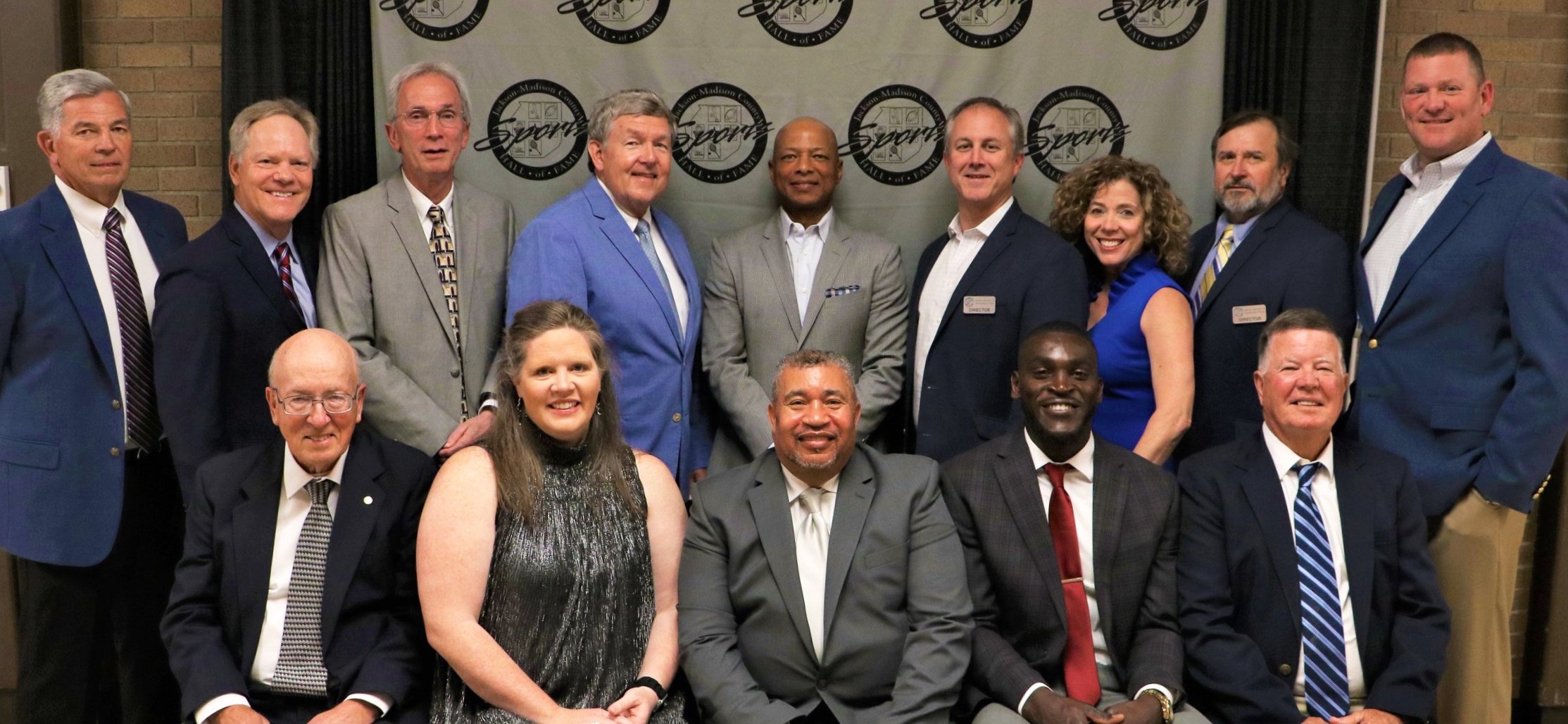
Al Allen earned induction into the Michigan Journalism Hall of Fame in 2015, recognizing nearly three decades of distinguished broadcast journalism at WJBK-TV (Fox 2 Detroit). Known affectionately across Metro Detroit as the early-morning "eyes and ears of the city," Allen redefined live morning field reporting with composure, integrity, and deep community trust.
The Path to the Michigan Journalism Hall of Fame
The Michigan Journalism Hall of Fame, established in 1985 through a cooperative effort of press organizations and university journalism programs across Michigan, honors reporters, editors, photojournalists, and broadcasters who demonstrate extraordinary professional achievement, public service, and sustained contributions to the craft.
When the Hall of Fame committee selected Al Allen for its 2015 class, it was not merely an acknowledgment of longevity; it was a formal celebration of a pioneering career in localized, high-pressure television news. Induction requires an extensive nomination dossier, letters of support from colleagues and community leaders, and peer review by a panel of veteran journalists.
Allen’s induction recognized a career spanning more than four decades in Detroit broadcasting, including 28 consecutive years as a roving field reporter for Fox 2 News. Allen was celebrated alongside peers who had documented Michigan's modern industrial, political, and cultural shifts. For the Detroit audience, however, Allen represented something singularly personal: the dependable voice who greeted early risers from pre-dawn snowstorms, active crime scenes, factory shift changes, and neighborhood recovery efforts.
Early Life, Education, and Radio Roots
Albert Allen was born in Little Rock, Arkansas, but his family moved north to Detroit during his youth, joining the historic migration of families seeking automotive industry opportunities and broader civil rights. Growing up in the vibrant neighborhoods of Detroit, Allen developed an ear for local culture, community dynamics, and city politics.
He attended Highland Park Community College and Wayne State University, where he studied speech communication and media production. Allen’s path into broadcasting did not begin in front of a television camera; it was forged in the disciplined, voice-driven world of Detroit urban radio.
During the late 1960s and through the 1970s, Detroit was a national epicenter of groundbreaking Black radio. Allen secured roles at stations including WCHB and WJLB, serving as a news anchor, reporter, and talk show contributor. In radio, reporters operate without teleprompters, visual graphics, or video tape to cover gaps. Allen learned to paint vivid pictures using only words, sharpen his ear for fast facts, and build direct, conversational intimacy with his listeners. Those radio instincts would later make him one of the most natural, unscripted live television reporters in the Midwest.
Joining WJBK-TV: The Dawn of Morning Television
In 1984, Allen transitioned to television by joining WJBK-TV, which was then a CBS affiliate operating as "TV-2" before transitioning to the Fox network affiliation in late 1994.
During the mid-1980s, local morning television was undergoing a fundamental operational shift. Stations had historically relied on studio desk anchors reading rip-and-read wire copy, local weather cut-ins, and morning talk shows. But technological developments—primarily the deployment of smaller, mobile electronic news gathering (ENG) microwave trucks—made live remotes feasible and cost-effective before dawn.
WJBK launched a dedicated, fast-moving morning broadcast, which eventually evolved into the powerhouse format known as Fox 2 News Morning. The station needed a reporter who could work overnight, deploy across Wayne, Oakland, and Macomb counties, and deliver unscripted, coherent live reports at the top and bottom of every hour between 5:00 a.m. and 9:00 a.m.
Al Allen stepped into that role in 1988 and remained there until his retirement in December 2012. For 24 consecutive years, Allen maintained a demanding schedule: waking up around 2:30 a.m., arriving at the Southfield studios or meeting his crew in the field by 3:45 a.m., monitoring police scanners, and orchestrating multiple live segments across Metro Detroit every weekday morning.
The Anatomy of an Al Allen Live Shot
Field reporting in a top-ten television market is fraught with unpredictability, and morning live reporting carries the added hazard of tight deadlines, freezing winter temperatures, spotty cell and microwave transmission signals, and rapidly evolving breaking stories. Allen distinguished himself through a reporting methodology characterized by four core elements:
1. Unflappable Composure Under Pressure
Morning breaking news frequently deals with fires, vehicle pileups, structural collapses, and industrial accidents. While live television can tempt reporters toward sensationalism, Allen maintained an even, steady tone. He prioritized verified facts over speculation, consistently advising viewers about road closures, utility dangers, or public safety instructions without inciting unnecessary panic.
2. Conversational Accessibility
Allen did not speak to viewers like an academic lecturer or a staged performer. He delivered the news as if leaning across a kitchen table. His signature winter attire—including his famous heavy coats, wool hats, and sturdy gloves—became iconic across the region. When temperatures plunged below zero along the Detroit River, Allen was on the sidewalk, enduring the same elements as the commuters watching from home.
3. Deep Neighborhood Connections
Many local television reporters rotate between markets every three to four years, using smaller cities as stepping stones. Allen remained in Detroit for his entire career. Because of this, generations of Detroiters recognized and trusted him. When tragic events occurred in neighborhoods, residents who were routinely hesitant to speak with outside media outlets would open their doors to Allen because they knew his history and trusted his fairness.
4. Generational Mentorship
Behind the lens, Allen served as a mentor to dozens of young photojournalists, truck operators, associate producers, and desk editors who rotated through the WJBK newsroom. Working the morning live truck required technical agility—aligning microwave dishes, setting up lights in dark parking lots, managing battery power in sub-zero frost, and handling live audio cables. Allen’s collaborative relationship with his photographers was legendary in the newsroom; he treated field crews as equal partners in storytelling.
Career Milestones and Historical Coverage
During his 28 years at WJBK, Allen reported on historic regional and national events. He documented major transformations in the Detroit automotive industry, historic municipal elections, high-profile civil trials, economic crises, and natural disasters.
| Period / Year | Milestone / Major Coverage Event | Impact on Career & Broadcast Recognition |
|---|---|---|
| Late 1960s–1970s | Detroit Radio (WCHB, WJLB) | Developed voice, pacing, and news gathering fundamentals across Detroit's urban core. |
| 1984 | Joins WJBK-TV (TV-2 Detroit) | Transitioned from radio to visual broadcast journalism as a general assignment reporter. |
| 1988 | Assigned to Morning Live Remote Desk | Pioneered pre-dawn live field reporting in the Detroit market, establishing a format standard. |
| 1994 | WJBK Affiliation Switch (CBS to Fox) | Maintained audience continuity and credibility during a massive network transition. |
| 1999 | Detroit Blizzard of 1999 Coverage | Provided critical early-morning transportation updates during one of the city's worst snowstorms. |
| 2008–2009 | Automotive Bankruptcy & Financial Crisis | Reported directly on plant floor workers, supplier layoffs, and economic consequences across the region. |
| December 2012 | Official Retirement from Fox 2 | Concluded 28 years at WJBK with a station-wide live celebration and civic tributes. |
| 2014–2015 | Publication of Memoir (We're Live in 5, 4, 3...) | Authored firsthand accounts of local television history, offering insights into broadcast journalism. |
| 2015 | Induction into the Michigan Journalism Hall of Fame | Received peer-voted recognition for lifetime achievement and community public service. |
Writing His Own History: We're Live in 5, 4, 3...
Following his 2012 retirement, Allen documented his professional journey in a 2014 autobiography titled We're Live in 5, 4, 3...: The Al Allen Story. The book provided a behind-the-scenes look at the technical, emotional, and physical realities of working the overnight shift in broadcast television.
In the memoir, Allen chronicled the adrenaline of live remotes, the mechanics of microwave news trucks before satellite and cellular bonded transmission packs (such as LiveU or Dejero) existed, and the emotional toll of reporting on violent crime, urban fires, and industrial job losses. He also addressed the civil rights struggles of his era, tracing the path Black journalists navigated to secure prominent, authoritative, on-air roles in major television markets.
The publication served an important archival purpose. Broadcast television is an ephemeral medium; decades of daily morning reports are rarely preserved in public archives, existing mainly in station tape vaults or fading memory. Allen’s memoir solidified his reporting methodologies and institutional knowledge for future journalism students at Wayne State, Michigan State University, and other regional communication schools.
Professional Honors and Civic Accolades
Allen's 2015 induction into the Michigan Journalism Hall of Fame was the pinnacle of his formal professional honors, but it stood atop a deep foundation of industry and civic awards accumulated throughout his working life:
- National Academy of Television Arts and Sciences (NATAS) Silver Circle: Recognition by the Michigan chapter of the Emmys for broadcast professionals who have contributed at least 25 years of service to television, demonstrating profound personal dedication and professional mentorship.
- Michigan Association of Broadcasters (MAB) Honors: Repeated recognition for spot news coverage, breaking field reports, and morning show segments.
- Detroit City Council and Wayne County Resolutions: Civic testimonials recognizing Allen’s public service during severe winter storms, municipal emergencies, and community uplift projects.
- Civic and Non-Profit Recognitions: Decades of volunteer participation, emceeing charity events, speaking at Detroit public schools, and participating in youth literacy and career guidance programs throughout Wayne County.
The Technical Evolution of Local Field Reporting
Understanding Al Allen's achievement requires an appreciation for the technological evolution that took place across his career. Today, a solo reporter can deploy a cellular transmission backpack, set up a smartphone or mirrorless digital camera, and broadcast high-definition video instantly to an online platform or news desk.
For the vast majority of Allen’s career at WJBK, morning live reporting was an intensive team effort that required mechanical resilience:
Microwave Point-to-Point Transmission
To transmit a signal from a remote location back to WJBK’s transmitter tower in Southfield, the live truck had to raise a pneumatic mast—often 50 feet into the air—and manually aim a directional microwave dish toward a receiver tower. If tall trees, skyscrapers, or severe atmospheric conditions blocked the line of sight, the crew spent precious minutes hunting for a bounced signal off a nearby building. Allen worked through these technical constraints live on air, adjusting smoothly whenever a transmission failed or a mast could not be raised safely due to overhead power lines.
Cable Runs and Audio Monitoring
Before wireless handheld microphones and reliable in-ear monitors (IFB) were ubiquitous, reporters were physically connected to the truck via heavy coaxial and XLR cables. Allen had to maneuver through icy sidewalks, muddy ditches, and crowded crime scenes while minding cord lengths and avoiding tripping hazards, all while processing studio directions through an earphone attached to an off-frequency radio receiver.
Pre-Digital Fact-Checking
In the 1980s and 1990s, field reporters did not have smartphones, search engines, or digital databases in their pockets. Information arrived via crackling two-way radios, calls to station assignment desks from payphones or bulky mobile units, and direct face-to-face interviews with on-scene police commanders, fire chiefs, and eyewitnesses. Allen’s reputation for accuracy was earned in this environment; if an official statement was incomplete, he had to cross-examine sources on the scene without relying on online research.
Lessons for Contemporary Broadcast Journalists
The reporting standards that earned Allen entry into the Hall of Fame remain a textbook case study for modern multimedia journalists. In a digital news landscape often driven by rapid clicks and hot takes, Allen’s career illustrates principles that build lasting credibility:
- Be Present, Not Just Connected: Remote interviews and social media monitoring cannot substitute for physical presence on the scene. Allen believed in seeing the damage, feeling the weather, and looking sources in the eye.
- Prioritize Community Respect Over sensationalism: A news camera represents an intrusion into a person’s worst day. Allen approached crime victims and displaced families with empathy, never turning personal tragedy into cheap drama.
- Master the Art of the Ad-Lib: A live reporter must be capable of speaking informatively for two minutes without a script when technical difficulties interrupt tape playback. Allen’s radio background gave him fluency and precision under unpredictable conditions.
- Reliability Builds Institutional Value: Showing up every morning on time, in every season, across three decades, creates a rare bond with viewers. Audiences welcomed Allen into their homes because he was a consistent, reassuring constant in their daily routines.
Frequently Asked Questions (FAQ)
When was Al Allen inducted into the Michigan Journalism Hall of Fame?
Al Allen was officially inducted into the Michigan Journalism Hall of Fame in 2015. The honor recognized his more than four decades of excellence in Detroit broadcasting, highlighted by his 28-year career as a live morning field reporter for WJBK-TV (Fox 2 News).
How long did Al Allen work for Fox 2 Detroit?
Al Allen worked at WJBK-TV (Fox 2) for 28 years, joining the station in 1984 and retiring in December 2012. For 24 of those years, he was the primary morning live field reporter, starting his live shifts before 5:00 a.m. every weekday.
Did Al Allen work in radio before television?
Yes. Before moving to television in 1984, Allen spent more than a decade in Detroit radio, working at prominent stations including WCHB and WJLB. His time as an urban radio news anchor and talk show contributor developed his unscripted live delivery, clear diction, and interviewing instincts.
What is the title of Al Allen’s autobiography?
Al Allen published his autobiography, titled We're Live in 5, 4, 3...: The Al Allen Story, in 2014. The book covers his upbringing, his early days in radio, the challenges facing African American journalists of his era, and the inside story of working the overnight morning beat at Fox 2 Detroit.
What other major broadcast honors has Al Allen received?
In addition to the Michigan Journalism Hall of Fame, Allen has received the NATAS Silver Circle award from the Michigan chapter of the National Academy of Television Arts and Sciences, multiple broadcast reporting awards from the Michigan Association of Broadcasters, and civic resolutions from the Detroit City Council and Wayne County Commission.
Practical Action: Researching Detroit Broadcasting History
For journalism educators, students, and media researchers interested in studying Al Allen’s work and the history of Detroit television journalism, consider the following research avenues:
- Visit the Michigan Journalism Hall of Fame Archives: Review the official citation, induction biography, and historical inductee lists maintained through Michigan State University’s School of Journalism.
- Consult Regional University Media Collections: The Walter P. Reuther Library at Wayne State University preserves historical records, photographs, and oral histories documenting Detroit media workers, labor reporting, and the civic impact of urban television.
- Read Allen’s Memoir for Methodological Insight: Acquire We're Live in 5, 4, 3... to examine primary-source accounts of live television production, electronic news gathering logistics, and local media ethics during Detroit's late-20th-century transformations.