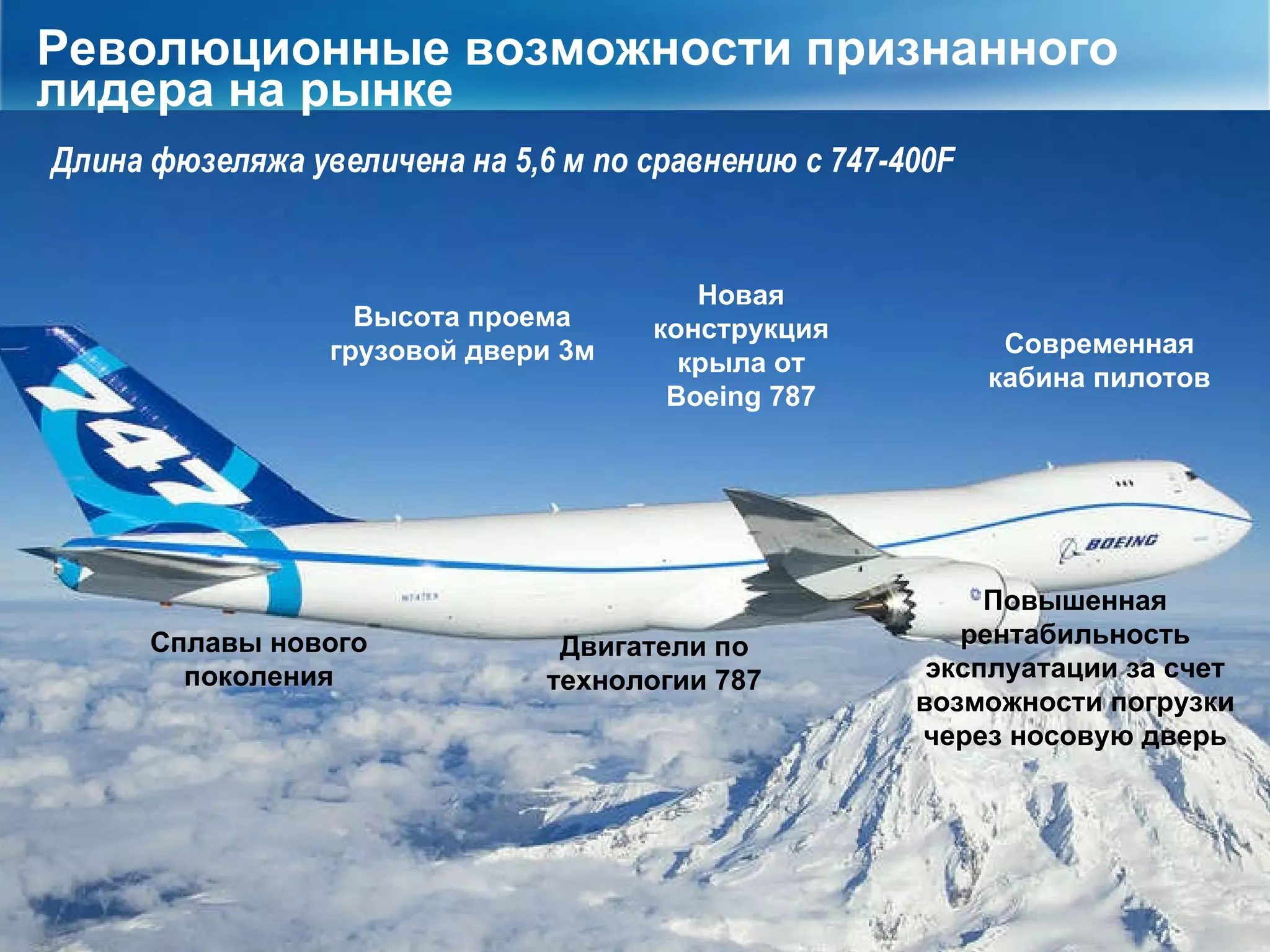
As of 2026, the estimated net worth of AirBridgeCargo Airlines (ABC) remains a complex figure due to its status as a private subsidiary of the Volga-Dnepr Group and the ongoing impact of international sanctions. Current analytical assessments place the company’s valuation between $450 million and $650 million, a significant decline from its pre-2022 peak of over $2.5 billion, primarily driven by fleet repossessions, restricted international airspace, and the transition to Russian-made aircraft.
Understanding the Financial Structure of AirBridgeCargo
AirBridgeCargo Airlines was once Russia’s largest international cargo carrier and a dominant player in the global logistics market. To understand its net worth in 2026, one must first look at its corporate structure. ABC is the scheduled-cargo arm of the Volga-Dnepr Group, a conglomerate that specializes in heavy and outsized air cargo. Unlike publicly traded companies like FedEx or UPS, AirBridgeCargo does not publish quarterly earnings reports for public shareholders, making its net worth an "estimated enterprise value" based on its assets, liabilities, and revenue-generating potential.
Historically, the company's value was tied to its massive fleet of Boeing 747 freighters and its strategic "bridge" between Asia, Europe, and North America. However, the geopolitical shifts starting in 2022 forced a radical restructuring. By 2026, the net worth reflects a company that has had to pivot from a global leader to a regional specialist, relying heavily on trade corridors between Russia, China, India, and the Middle East.
Asset Valuation: The Transition from Boeing to Ilyushin
The single largest component of an airline's net worth is its fleet. Prior to 2022, AirBridgeCargo operated approximately 17 to 18 Boeing 747 freighters (including the advanced 747-8F). These aircraft are high-value assets, often worth upwards of $150 million each depending on age and maintenance status.
The Loss of Western Assets
The imposition of sanctions and the subsequent legal battles over leased aircraft led to a massive write-down of ABC’s asset value. Many of their Boeing aircraft were grounded or technically "stranded" because they could not receive certified parts, insurance, or software updates from Boeing. In the 2026 financial landscape:
- Seized/Repossessed Units: A portion of the original fleet remains in legal limbo or has been reclaimed by Western lessors, removing them from ABC’s balance sheet.
- Maintenance Depreciation: The Boeing aircraft remaining in Russia have seen their market value plummet due to non-standard maintenance practices and lack of OEM (Original Equipment Manufacturer) certification, rendering them "unmarketable" outside of specific jurisdictions.
The Shift to Domestic Manufacturing
To sustain operations and rebuild its asset base, AirBridgeCargo has integrated Russian-made aircraft such as the Ilyushin Il-96-400T and the Tupolev Tu-214. While these aircraft allow the airline to continue operating, they carry lower market valuations and higher operational costs (fuel consumption and crew requirements) compared to the 747-8F. This shift has fundamentally lowered the company's total asset valuation compared to its 2021 levels.
Revenue Streams and Operational Capacity in 2026
Net worth is not just about physical assets; it is also about the ability to generate cash flow. In 2026, AirBridgeCargo’s revenue model has undergone a total transformation.
- The China-Russia Corridor: This remains the company’s primary lifeline. ABC facilitates the transport of high-tech goods, automotive parts, and consumer electronics from Chinese hubs like Shenzhen and Shanghai to Moscow and St. Petersburg.
- Specialized Cargo Services: Leveraging the expertise of the Volga-Dnepr Group, ABC still captures high-margin revenue from transporting oversized machinery and sensitive equipment that standard belly-cargo on passenger planes cannot accommodate.
- Government Contracts: A significant portion of the airline's valuation is now buoyed by state-aligned logistics contracts, ensuring a steady, albeit regulated, flow of capital that prevents insolvency.
The loss of the "trans-polar" routes—the highly efficient paths over the Arctic that connected North America to Asia via Russian refueling stops—has permanently capped ABC’s revenue potential. The increased flight times required to bypass restricted airspaces have increased fuel costs, squeezing profit margins and, by extension, the company's overall valuation.
Comparative Financial Analysis: 2021 vs. 2026
The following table illustrates the dramatic shift in AirBridgeCargo’s financial pillars over the last five years.
| Metric | 2021 (Peak Estimates) | 2026 (Current Status) | Impact Analysis |
|---|---|---|---|
| Estimated Net Worth | $2.5 Billion - $3.0 Billion | $450 Million - $650 Million | -78% Valuation Change |
| Primary Fleet Type | Boeing 747-8F / 747-400F | Ilyushin Il-96 / Tupolev Tu-214 | Lower asset liquidity |
| Core Markets | Global (EU, US, Asia) | Regional (CIS, China, ME) | Reduced market share |
| Operational Fleet Size | 18 Aircraft | 4-6 Active Aircraft | Scale reduction |
| Debt-to-Asset Ratio | Moderate (Lease heavy) | High (Maintenance/Legal) | Increased financial risk |
The Role of the Volga-Dnepr Group
AirBridgeCargo’s net worth cannot be fully decoupled from its parent, the Volga-Dnepr Group. Historically owned by Alexey Isaikin, the group faced significant pressure as Isaikin was placed on various international sanctions lists. In an effort to preserve the company’s value, there were reports of ownership transfers to management or local entities.
The "net worth" in 2026 is often viewed by analysts as "distressed value." If the company were to be sold on the open global market today, it would likely struggle to find a buyer outside of Russia or China due to the complex web of liens, sanctions, and maintenance irregularities. Therefore, much of its current valuation is "internalized"—it is worth more to the Russian economy as a functioning logistics tool than it is as a liquid financial asset.
Challenges in Accurately Valuing Private Russian Entities
Valuing a company like AirBridgeCargo in 2026 involves navigating several "dark" financial areas:
- Currency Volatility: The value of the Russian Ruble fluctuates significantly. Since much of the aviation industry trades in USD or EUR, ABC’s domestic earnings lose value when converted for international net worth comparisons.
- Lack of Transparency: Financial audits by "Big Four" accounting firms (Deloitte, PwC, etc.) ceased for many Russian firms after 2022. Current valuations rely on secondary data, flight tracking analytics, and reported government subsidies.
- Insurance Liabilities: The airline faces billions in potential claims from Western lessors for aircraft that were not returned. These off-balance-sheet liabilities represent a massive "negative" weight on the company’s true net worth.
Future Outlook: Can the Valuation Recover?
For AirBridgeCargo to see a recovery in its net worth, several things would need to occur:
- Legal Resolutions: A settlement regarding the "stranded" Boeing fleet would clear a massive liability from the books.
- Fleet Modernization: Successful mass production of the Il-96-400T could provide ABC with a more reliable, modern asset base that is immune to Western sanctions.
- Market Expansion: If diplomatic relations shift and airspace opens, ABC’s geographic advantage as a bridge between East and West would immediately restore a significant portion of its enterprise value.
As of 2026, the company is in a "survival and stabilization" phase. Its net worth reflects a lean, localized operation rather than the global titan it once was.
FAQs
Who currently owns AirBridgeCargo? As of 2026, the ownership remains under the umbrella of the Volga-Dnepr Group. While Alexey Isaikin was the long-term figurehead and owner, he reportedly stepped down from the board and reduced his visible stake to mitigate the impact of personal sanctions. The current structure involves a mix of management-led ownership and parent-group oversight.
How many planes does AirBridgeCargo have in 2026? The operational fleet is significantly smaller than in previous years. ABC currently operates between 4 and 6 active freighters, primarily focusing on Russian-made aircraft like the Ilyushin Il-96-400T. Many of their former Boeing 747s remain in storage or are involved in protracted legal disputes and are not considered part of the active operational fleet.
Is AirBridgeCargo still flying to Europe or the USA? No. Due to reciprocal airspace bans and sanctions that have been in place and maintained through 2026, AirBridgeCargo does not operate flights to European Union countries, the United Kingdom, or North America. Their operations are strictly focused on domestic Russian routes and international corridors to "friendly" nations, including China, India, Iran, and parts of the Middle East and Southeast Asia.
How did sanctions specifically affect ABC’s net worth? Sanctions impacted net worth in three ways: first, by cutting off access to the global financial system (SWIFT), making international transactions difficult; second, by halting the supply of parts and services for Boeing aircraft, causing those assets to depreciate rapidly; and third, by closing off the most profitable flight routes, which drastically reduced the company’s annual revenue and cash reserves.
Does AirBridgeCargo have any involvement in passenger travel? No, AirBridgeCargo is and has always been a dedicated cargo airline. Its entire business model, infrastructure, and fleet are designed for the transport of palletized goods, heavy machinery, and specialized freight. Passenger travel is handled by other domestic Russian carriers, though ABC's parent group has historically focused almost exclusively on the logistics and cargo sector.
Practical Recommendation for Industry Analysts
When evaluating the financial health or net worth of AirBridgeCargo in 2026, it is vital to discount the book value of Western-made assets. Many analysts still list the Boeing 747-8Fs as primary assets, but without OEM support, these aircraft are effectively "frozen capital." Instead, focus on the airline's utilization rates of domestic aircraft and its market share in the Russia-China trade lane. This "operational reality" provides a much more accurate picture of the company's true value than historical fleet lists. Stakeholders should also monitor any "re-registration" movements in neutral jurisdictions, as this could signal an attempt to re-enter the international leasing market and potentially boost the company's valuation.