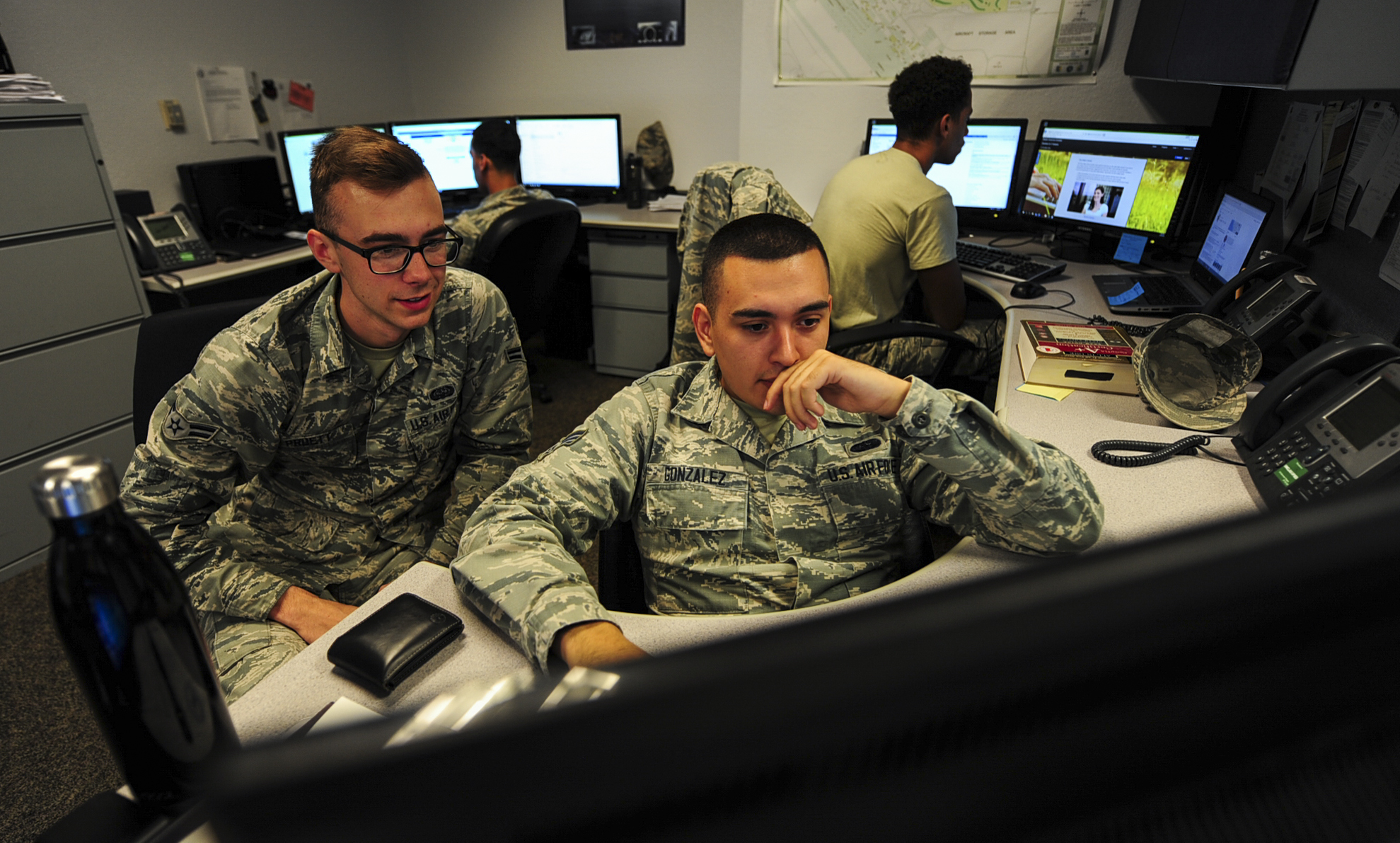
An Air Force Cyber Security Officer, primarily classified under the 17X Air Force Specialty Code (AFSC), is a commissioned leader responsible for directing cyberspace operations, defending national networks, and executing offensive maneuvers. These officers lead teams of cyber operators to ensure the integrity, availability, and confidentiality of the Air Force's global communications infrastructure and weapon systems.
The Evolving Mission of Air Force Cyberspace Operations
As of 2026, the role of an Air Force Cyber Security Officer has transitioned from traditional information technology management to a core warfighting function. The United States Air Force (USAF) views cyberspace not merely as a support utility, but as a contested domain equal to air and space. Officers in this field are the architects and defenders of the digital terrain that enables every other military operation, from satellite communications to the deployment of fifth-generation aircraft like the F-35.
The primary objective of these officers is to secure the Air Force's portion of the Global Information Grid (GIG). This involves more than just installing firewalls; it requires a deep understanding of the electromagnetic spectrum, satellite links, and the complex software environments that govern modern warfare. They are tasked with staying ahead of sophisticated adversaries, including state-sponsored hacking groups and non-state actors who utilize Advanced Persistent Threats (APTs) to disrupt military readiness.
Defining the Two Primary Career Paths (17D and 17S)
The Air Force distinguishes its cyber officers into two primary categories, though they often overlap in their foundational training.
- Cyberspace Operations Officer (17D): These officers focus on the "operate and maintain" aspect of the mission. They ensure that the network infrastructure is resilient and secure. Their work involves overseeing the installation of secure communication systems, managing large-scale enterprise networks, and ensuring that defensive protocols are integrated into the "backbone" of military communications.
- Cyber Warfare Operations Officer (17S): These officers are focused on active defense and offensive operations. They lead Cyber Protection Teams (CPTs) that hunt for intruders within friendly networks and conduct Offensive Cyber Operations (OCO) when authorized. Their role is highly technical and often involves high-stakes decision-making regarding the neutralization of digital threats.
Eligibility and Educational Requirements
Becoming an officer in the Air Force is a selective process that demands high academic achievement, physical fitness, and moral character. Because the cyber domain is technically demanding, the Air Force prioritizes candidates with specific educational backgrounds.
Academic Prerequisites
As of 2026, the Air Force highly prefers candidates with a Bachelor of Science or higher in a STEM field. While it is possible to become a cyber officer with a non-technical degree, the technical nature of the training pipeline makes a STEM foundation significantly advantageous. Preferred degrees include:
- Computer Science or Computer Engineering
- Cybersecurity or Information Assurance
- Electrical Engineering
- Mathematics or Physics
- Data Science and Artificial Intelligence
Candidates must maintain a competitive Grade Point Average (GPA), typically a 3.0 or higher, to be considered for a commission through most programs. The Air Force looks for individuals who can not only understand code and network topology but who can also apply logical rigor to complex tactical problems.
Basic Qualifications
In addition to education, all candidates must meet the following standard requirements for commissioning:
- Citizenship: Must be a U.S. citizen.
- Age: Must be at least 18 and commissioned before the age of 42 (though younger age limits may apply for specific training pipelines).
- Medical: Must pass a Commissioning Physical, which includes vision, hearing, and general health screenings.
- Security Clearance: Candidates must be eligible for a Top Secret / Sensitive Compartmented Information (TS/SCI) clearance. This involves a rigorous background investigation covering finances, foreign travel, and personal conduct.
The Three Paths to a Commission
There are three primary ways to become an Air Force Cyber Security Officer. Each has a different timeline and target demographic.
1. The United States Air Force Academy (USAFA)
Located in Colorado Springs, the Academy is a four-year program where students (cadets) receive a high-level education while undergoing military training. Those interested in cyber security often major in Computer Science or Cyber Science. Upon graduation, they are commissioned as Second Lieutenants and enter their technical training.
2. Air Force Reserve Officer Training Corps (AFROTC)
This is the most common path. AFROTC is offered at hundreds of colleges and universities across the United States. Students take military science classes alongside their regular degree program. Scholarships are frequently available for cyber-related majors. Upon completing their degree and the ROTC program, they commission directly into the Air Force.
3. Officer Training School (OTS)
OTS is designed for individuals who already hold a college degree. This is a 9.5-week intensive leadership program at Maxwell Air Force Base in Alabama. This path is highly competitive and is often used to bring in "lateral entries" or individuals with significant civilian industry experience in cybersecurity.
Technical Training Pipeline: Keesler Air Force Base
Once commissioned, every new cyber officer must complete Undergraduate Cyber Training (UCT). This school is located at Keesler Air Force Base in Biloxi, Mississippi. The training is approximately six months long and is designed to take a college graduate and turn them into a mission-ready cyber leader.
Curriculum Overview
The UCT curriculum is rigorous and covers several critical domains:
- Networking Fundamentals: Mastery of the OSI model, TCP/IP protocols, and routing/switching.
- Defensive Cyberspace Operations (DCO): Learning how to identify vulnerabilities, deploy intrusion detection systems (IDS), and conduct forensic analysis after a breach.
- Offensive Cyberspace Operations (OCO): Understanding the methodologies used by adversaries to gain access to systems, which is essential for building better defenses.
- Leadership and Ethics: Officers are trained to manage enlisted Airmen (AFSC 1D7) who perform much of the hands-on technical work. This includes understanding the legal frameworks (Title 10 and Title 50 of the U.S. Code) that govern military cyber actions.
| Feature | 17D: Cyberspace Operations | 17S: Cyber Warfare Operations |
|---|---|---|
| Primary Focus | Network Infrastructure & Resilience | Active Combat & Defense Maneuvers |
| Common Unit | Communications Squadrons | Cyber Protection Teams (CPTs) |
| Technical Depth | High (Architecture/Systems) | Extremely High (Tactical Operations) |
| Leadership Scope | Managing large technical teams | Leading small, specialized strike teams |
| Typical Mission | Deploying secure comms in field | Hunting APTs inside friendly networks |
| Training Path | UCT followed by unit-level OJT | UCT followed by CWO Training |
Core Duties and Daily Responsibilities
The daily life of a Cyber Security Officer varies significantly based on their rank and assignment. However, several core responsibilities remain consistent throughout the career field.
Strategic Planning and Leadership
Unlike enlisted personnel who may focus on specific hardware or software tasks, officers are responsible for the "big picture." They translate mission requirements from high-level commanders into technical execution. This involves resource management, risk assessment, and ensuring that their unit is properly trained and equipped to face emerging threats.
Defensive Cyberspace Operations (DCO)
In 2026, the Air Force relies heavily on Zero Trust Architecture. Cyber officers oversee the implementation of these protocols, ensuring that no user or device is trusted by default. They lead teams that monitor network traffic for anomalies, respond to security incidents, and conduct "Red Team" exercises to find gaps in their own defenses before an enemy does.
Mission Defense Teams (MDTs)
A unique aspect of Air Force cyber security is the MDT. These teams are specialized units that protect specific "mission sets," such as an airfield's navigation systems or a drone's data link. An officer leading an MDT must understand not only cyber security but also the mechanical and electronic nuances of the weapon system they are protecting.
Policy and Compliance
Cyber officers ensure that all operations comply with Department of Defense (DoD) directives and federal laws. They manage the Risk Management Framework (RMF) process, which is a structured approach to identifying, atoning for, and mitigating risks associated with information systems.
Career Progression and Professional Development
The Air Force views its cyber officers as long-term investments. As such, there is a continuous focus on professional military education (PME) and technical certifications.
Ranks and Roles
- Second Lieutenant (O-1) to First Lieutenant (O-2): These years are focused on learning the technical environment and leading small flights of 20-40 Airmen.
- Captain (O-3): This is where officers often become "Flight Commanders" or specialized team leads. They are expected to have a deep mastery of cyber tactics.
- Major (O-4) to Lieutenant Colonel (O-5): These officers move into middle management, often serving as Squadron Commanders or staff officers at Major Commands (MAJCOMs).
- Colonel (O-6): These individuals lead entire Groups or Wings, overseeing thousands of personnel and multi-million dollar cyber programs.
Advanced Certifications
The Air Force often pays for its cyber officers to obtain industry-standard certifications. These are vital for maintaining technical proficiency and are highly valuable in the civilian world. Common certifications include:
- Certified Information Systems Security Professional (CISSP)
- Certified Ethical Hacker (CEH)
- CompTIA Security+ (usually the baseline requirement)
- SANS/GIAC Certifications (GCIH, GCFA)
Compensation and Benefits in 2026
The Air Force offers a competitive compensation package that includes more than just a base salary. For cyber officers, this often includes specialized incentives.
- Base Pay: Determined by rank and years of service.
- Basic Allowance for Housing (BAH): A tax-free stipend to cover the cost of living in various geographic areas.
- Basic Allowance for Subsistence (BAS): A monthly stipend for food.
- Cyber Incentive Pay: As of 2026, the Air Force continues to utilize special pay incentives to retain high-demand cyber talent. This "Cyber Pay" is designed to narrow the gap between military and private-sector salaries.
- Healthcare: Comprehensive medical and dental coverage (TRICARE) for the officer and their dependents.
- Retirement: Access to the Blended Retirement System (BRS), which includes a pension after 20 years of service and a 401(k)-style Thrift Savings Plan (TSP) with government matching.
Transitioning to the Civilian Sector
One of the most significant advantages of serving as an Air Force Cyber Security Officer is the marketability of the experience. The combination of leadership, high-level technical training, and a Top Secret clearance makes these individuals some of the most sought-after professionals in the private sector.
Many former officers transition into roles such as:
- Chief Information Security Officer (CISO)
- Cybersecurity Architect
- Security Operations Center (SOC) Manager
- Government Consultant for firms like Booz Allen Hamilton or Lockheed Martin
Programs like the DoD SkillBridge allow officers to intern with civilian companies during their last six months of service, facilitating a smooth transition into high-paying civilian roles.
Frequently Asked Questions
Do I need to know how to code before joining?
While you do not need to be an expert programmer, having a foundational understanding of languages like Python, C++, or PowerShell is highly beneficial. Undergraduate Cyber Training will teach you the specific technical skills required for the job, but prior knowledge will help you navigate the steep learning curve of the 17S warfare track.
Can I choose whether I do offensive or defensive cyber?
The Air Force assigns roles based on the "Needs of the Air Force" and your performance during training. While you can express a preference during UCT, your AFSC (17D or 17S) will be determined by your aptitude, your background, and the current vacancies in the operational units.
How often do Air Force Cyber Officers deploy?
Cyber officers do deploy, but their deployments often look different from traditional combat roles. While some may deploy to forward operating bases to set up secure communications, many "deploy in place." This means they are performing real-world combat operations against adversaries from their home station in the United States.
Is the training as hard as people say?
Yes, Undergraduate Cyber Training (UCT) is academically rigorous. It is often compared to a Master’s degree program condensed into six months. You will be expected to pass multiple technical exams and demonstrate proficiency in hands-on labs. However, the Air Force provides significant resources and mentorship to ensure that those with the right aptitude succeed.
What is the service commitment for a cyber officer?
Generally, the commitment is four years of active duty following the completion of your commissioning program. However, specific training tracks or bonus structures may require a longer commitment, often up to six years, depending on the incentives accepted.
Next Steps for Aspiring Officers
If you are interested in becoming an Air Force Cyber Security Officer, your first action should be to determine your commissioning path. If you are currently in high school, look into the Air Force Academy or AFROTC scholarships. If you are a college student or graduate, contact a Line Officer Recruiter to discuss your eligibility for Officer Training School.
Prepare by focusing on your technical education and maintaining a high level of physical fitness. Engaging with cybersecurity communities (like TryHackMe or CTF competitions) will provide a head start on the skills you will eventually master at Keesler Air Force Base.