When your cooling system breaks down in the middle of a humid East Tennessee summer, finding reliable air conditioner repair in Knoxville becomes an urgent priority. Quick troubleshooting, understanding common mechanical failures, and knowing when to call a licensed HVAC technician can prevent a minor glitch from turning into a costly total system replacement.
Understanding Knoxville’s Climate and Your Air Conditioner
Knoxville features a humid subtropical climate characterized by intensely hot, humid summers and mild to cool winters. High ambient temperatures combined with heavy moisture levels force air conditioning systems to run long, arduous cycles for months at a time. This relentless demand accelerates wear and tear on critical components like compressors, fan motors, capacitors, and evaporator coils.
Homeowners in Knox County and surrounding areas often notice their cooling systems struggling when humidity spikes. Because an air conditioner removes moisture from the air while cooling it, a malfunctioning unit fails to control indoor humidity, leading to sticky, uncomfortable living spaces and potential indoor mold growth. Recognizing how local environmental stress impacts mechanical hardware helps property owners schedule preventative maintenance before peak cooling season arrives.
Common Air Conditioner Problems in Knoxville Homes
Air conditioning units are complex electromechanical assemblies. When they fail, the root cause usually traces back to a few frequent malfunctions. Identifying these issues early can reduce diagnostic time and repair costs.
Refrigerant Leaks and Low Charge
Refrigerant is the chemical compound your air conditioner uses to absorb heat from inside your home and release it outdoors. Systems do not consume refrigerant; if levels are low, you have a leak.
- Symptoms: Ice forming on the copper refrigerant lines or indoor evaporator coil, blowing lukewarm air, and significantly higher electric bills due to extended run times.
- Resolution: A licensed technician must locate the leak using electronic detectors or ultraviolet dye, repair the breach, and recharge the system to manufacturer-specified weight standards.
Electrical Component Failures (Capacitors and Contactors)
Knoxville’s summer electrical grid experiences stress from high demand, and residential AC units suffer the consequences. Start and run capacitors provide the electrical jolt needed to spin the compressor and fan motors, while contactors act as heavy-duty switches controlled by the thermostat.
- Symptoms: Clicking sounds from the outdoor condensing unit, a humming noise with no fan rotation, or the system failing to turn on entirely.
- Resolution: Technicians test microfarad ratings on capacitors and inspect contactor points for pitting or welding. Swapping these parts restores power transmission safely.
Clogged Condensate Drain Lines
As your air conditioner removes humidity from the air, water condenses on the indoor evaporator coil and drips into a drain pan. This water flows through a PVC pipe out of your home. In humid environments, algae, mold, and dust can clog this line.
- Symptoms: Water pooling around the indoor air handler, musty odors, or the system shutting down automatically if equipped with a float safety switch.
- Resolution: Clearing the line with compressed air, specialized flush chemicals, or physical snakes, followed by preventative biocide tablet placement.
Troubleshooting Checklist Before Calling a Technician
Before scheduling a service call for air conditioner repair in Knoxville, homeowners can perform several safe, preliminary diagnostic steps. These checks can save you the cost of a service fee for a simple user-adjustable fix.
- Check the Thermostat Settings: Ensure the thermostat is set to "Cool," the temperature is set lower than the current room temperature, and the fan is set to "Auto" or "On." Check and replace dead batteries in digital thermostats.
- Inspect the Breaker Panel: Locate your home's main electrical panel and check for tripped circuit breakers dedicated to the HVAC system (typically a double-pole 240-volt breaker for the outdoor unit and a single-pole breaker for the indoor air handler).
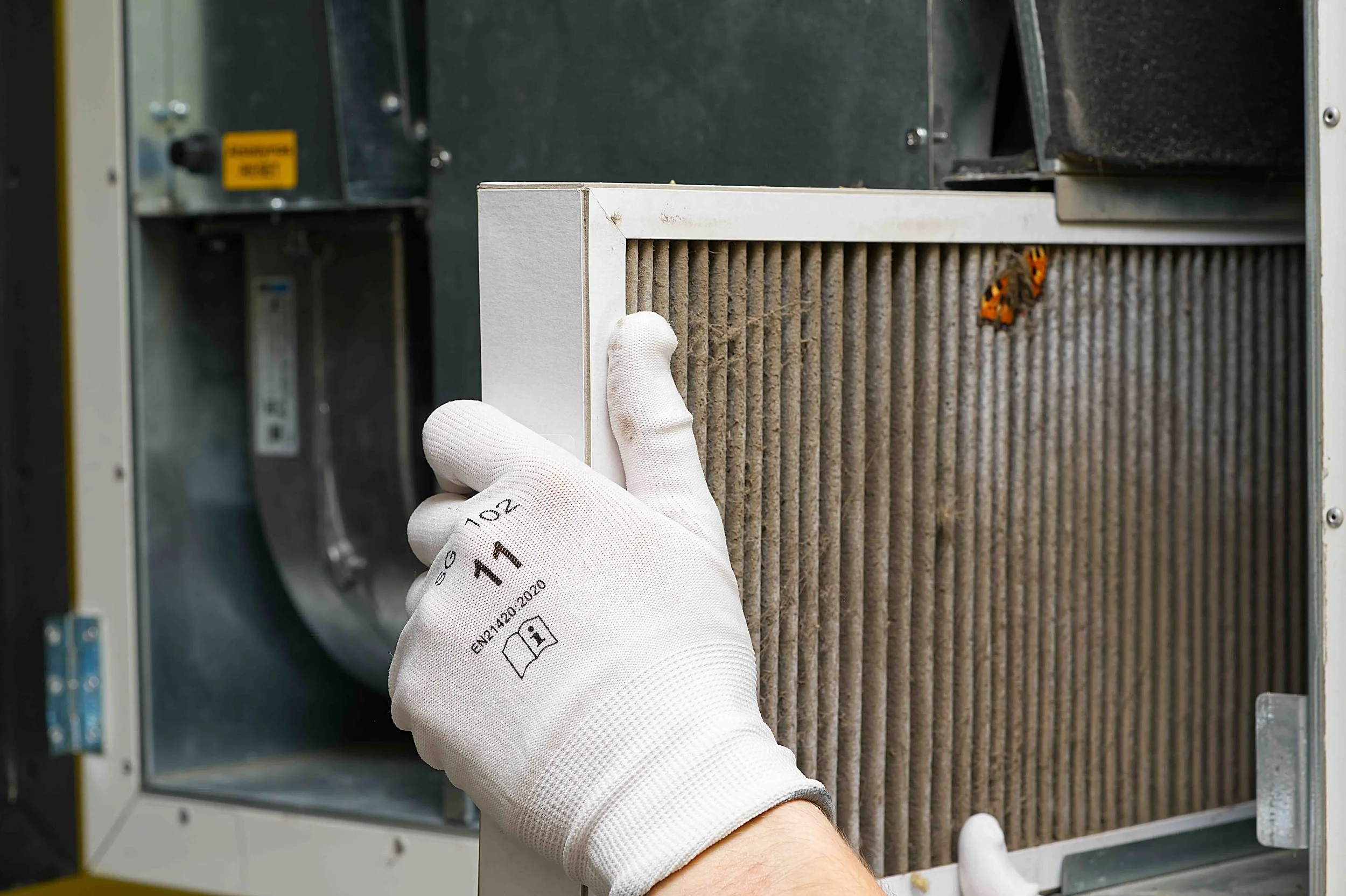
- Examine the Air Filter: A heavily clogged, dirty air filter restricts airflow across the evaporator coil. This restriction causes the coil to freeze over, shutting down cooling capacity. Replace disposable filters every 30 to 90 days.
- Clear Outdoor Debris: Ensure the outdoor condensing unit is free from overgrown shrubs, fallen leaves, mulch, and cottonwood fluff. Maintain a minimum clearance of two feet around all sides of the unit for proper airflow.
- Verify the Emergency Switch: Many indoor air handlers feature a dedicated wall switch (often resembling a standard light switch with a red plate) near the unit. Ensure this switch has not been accidentally flipped off.
Choosing a Qualified HVAC Contractor in Knoxville
Selecting the right professional ensures safety, regulatory compliance, and long-term system reliability. The HVAC industry in Tennessee is strictly regulated to protect consumers from substandard workmanship.
Licensing, Insurance, and Certifications
In Tennessee, contractors performing heating, ventilation, and air conditioning work must hold a valid contractor's license issued by the Tennessee Board for Licensing Contractors.
- General Liability and Workers' Compensation: Always verify that the company carries active liability insurance and workers' compensation coverage to protect your property and shield yourself from liability during on-site injuries.
- EPA Section 608 Certification: Under federal law enforced by the U.S. Environmental Protection Agency, any technician handling regulated refrigerants must possess a valid EPA Universal certification.
- NATE Certification: Look for technicians certified by North American Technician Excellence (NATE), which signifies rigorous testing and proven industry knowledge.
Questions to Ask Potential Repair Services
- Do you charge a flat diagnostic fee or an hourly rate?
- Do you provide written, upfront estimates before beginning any physical repairs?
- Are your replacement parts covered by a warranty, and what is your labor guarantee?
- Do you offer 24/7 emergency repair services for extreme weather events?
Comparing Repair Costs vs. System Replacement
When an air conditioner suffers a catastrophic failure—such as a burned-out compressor or a leaking evaporator coil in an aging unit—homeowners face a difficult financial decision. Evaluating repair costs against replacement value requires analyzing several core factors.
| Factor | Repair Scenario | Replacement Scenario |
|---|---|---|
| Upfront Cost | Moderate ($150 – $1,200 depending on part) | High ($5,000 – $12,000+ installed) |
| Energy Efficiency | Maintains existing SEER rating | Substantial upgrade (often 15–20+ SEER2) |
| Warranty Protection | Typically 30-day to 1-year parts/labor | 10-year manufacturer parts warranty on new units |
| System Age | Ideal for units under 8–10 years old | Recommended for units over 10–12 years old |
| Refrigerant Type | May use phased-out R-22 (expensive to refill) | Uses modern, environmentally compliant R-410A or R-32 |
The "Rule of 5,000"
A widely accepted industry guideline for evaluating repair versus replacement is the Rule of 5,000. Multiply the estimated cost of the repair by the age of the air conditioner in years. If the resulting figure exceeds $5,000, investing in a brand-new system is usually the more cost-effective long-term choice.
Preventative Maintenance to Avoid Future Breakdowns
Routine maintenance is the single most effective way to extend the lifespan of your cooling equipment and maintain peak operating efficiency. Knoxville homeowners should schedule bi-annual HVAC tune-ups—cooling maintenance in the spring and heating maintenance in the fall.
Professional Maintenance Checklist
- Coil Cleaning: Washing away accumulated outdoor dirt and indoor dust from condenser and evaporator coils to ensure optimal heat transfer.
- Electrical Inspection: Tightening electrical connections, measuring voltage drops, and testing amperage draw on motors.
- Refrigerant Gauge Checks: Monitoring operating pressures to verify that the system is neither undercharged nor overcharged.
- Drain Flushing: Clearing condensate lines and inspecting safety float switches to prevent water damage.
- Lubrication: Applying non-gumming oil to moving mechanical parts like motor bearings to reduce friction and wear.
Homeowner Maintenance Responsibilities
Homeowners can significantly reduce emergency service calls by adhering to a simple upkeep schedule. Replace or wash air filters monthly during peak summer and winter months. Keep the area around the indoor air handler free of stored items to maintain proper airflow and accessibility. Consider installing a smart thermostat that alerts you to unusual temperature spikes or sudden efficiency drops before total system failure occurs.
Frequently Asked Questions
What should I do if my air conditioner stops cooling on a hot Knoxville afternoon?
First, check your thermostat settings and circuit breaker panel to rule out simple power interruptions or incorrect configurations. Next, inspect the outdoor unit to ensure it is receiving power and that the airflow is not blocked by debris. If breakers immediately trip again upon reset or the system blows warm air despite correct settings, turn the system off at the thermostat and call a licensed local HVAC technician for professional diagnosis.
How often should I change my HVAC air filter in Tennessee?
You should inspect your air filter every 30 days. In standard suburban environments, replacing pleated media filters every 60 to 90 days is sufficient. However, if you live in a wooded area with heavy pollen, own multiple pets, or have family members with severe allergies, you may need to replace your filter every 30 days during peak summer and autumn seasons to maintain proper airflow and indoor air quality.
Is it worth repairing an air conditioner that is over 10 years old?
Generally, if a repair exceeds 50% of the cost of a new system, or if the unit uses older R-22 refrigerant (which is expensive due to phase-out regulations), replacement is the wiser investment. Older units also operate at lower SEER (Seasonal Energy Efficiency Ratio) ratings, meaning a new high-efficiency system can significantly lower monthly utility bills, offsetting the initial replacement cost over time.
Why is water leaking from my indoor air conditioning unit?
Water leaks are usually caused by a clogged condensate drain line resulting from algae, mold, or slime accumulation inside the PVC piping. When the drain clogs, water backs up into the secondary drain pan and may overflow onto floors, ceilings, or walls. Pouring a cup of white vinegar or specialized algaecide down the condensate cleanout tee every few months helps prevent these blockages.
What is SEER2, and why does it matter for Knoxville replacements?
SEER2 (Seasonal Energy Efficiency Ratio 2) is the updated federal testing standard implemented by the Department of Energy to measure air conditioning efficiency more accurately under realistic field conditions. Higher SEER2 ratings indicate greater energy efficiency. When replacing an older system in Knoxville, choosing a unit that meets or exceeds current regional efficiency standards ensures lower energy consumption during long summer cooling cycles.
Next Actions for Knoxville Homeowners
If your air conditioner is exhibiting signs of failure, start by performing the basic troubleshooting steps outlined above, including checking your circuit breakers and replacing dirty filters. If the problem persists, do not attempt to service electrical wiring or open sealed refrigerant circuits yourself, as this can lead to severe injury, equipment damage, or environmental violations. Contact a licensed, insured Knoxville HVAC contractor to schedule a professional diagnostic inspection and restore comfortable indoor temperatures to your home.