Accessing the cash value of a whole life insurance policy through Aflac involves navigating specific contractual provisions that allow policyholders to leverage the savings component of their permanent life insurance. When you hold a whole life insurance policy, a portion of your premium payments is directed toward a cash value account, which grows over time on a tax-deferred basis, providing you with a financial asset that can be utilized during your lifetime through policy loans or a full surrender of the contract.
The Nature of Cash Value in Aflac Whole Life Insurance
To understand how to "cash out" your policy, it is essential to recognize that whole life insurance is fundamentally different from term life insurance. Term insurance provides death benefit protection for a specific period without an investment component. In contrast, whole life insurance is a permanent product designed to remain in force for the duration of the insured’s life, provided that premiums are paid as agreed.
The cash value is the accumulated savings portion of the policy. As you pay your premiums, the insurance carrier allocates a portion of those funds into a reserve. This reserve earns interest, which accumulates over the years. This buildup is what creates the "cash out" potential. It is important to distinguish between the face amount (the death benefit paid to beneficiaries) and the cash value (the equity available to the policyholder).
How Cash Value Accumulates
The accumulation of cash value is not instantaneous. In the early years of a policy, a significant portion of your premium is consumed by administrative fees, agent commissions, and the cost of insurance (the actual price of underwriting the risk of your death). As the policy ages, these initial expenses are amortized, and a larger percentage of your premium is directed toward the cash value account. By 2026, most standard Aflac whole life products follow a predictable schedule where the cash value grows steadily after the first few policy years.
Methods for Accessing Your Cash Value
There are generally three ways to access the equity built within your Aflac whole life insurance policy. Each method carries different tax implications and long-term consequences for your coverage.
1. Policy Loans
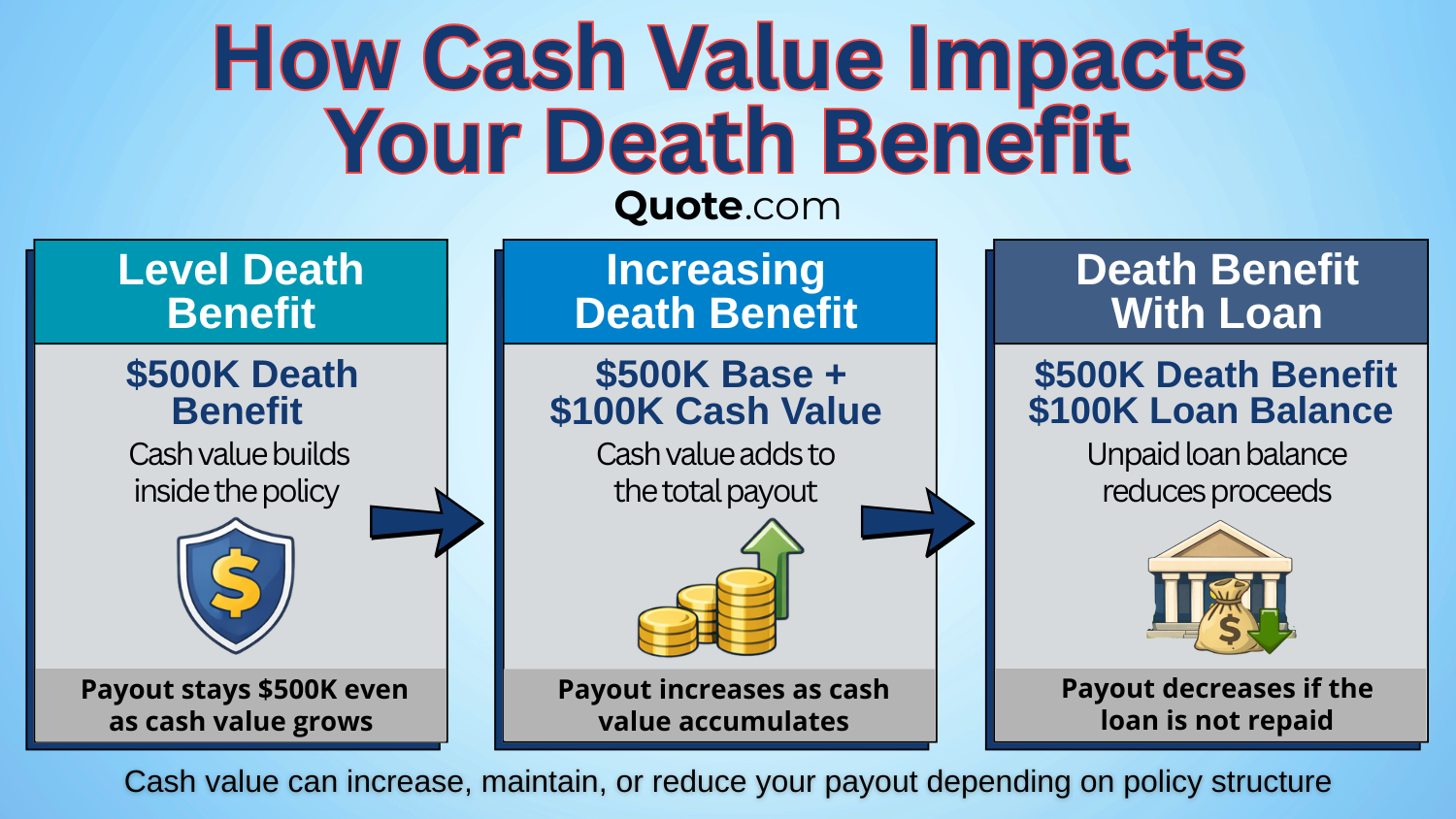
A policy loan is the most common way to access cash without terminating your insurance coverage. You are essentially borrowing against the cash value that has accumulated in your account.
- The Process: You submit a request to Aflac for a loan against your policy’s current cash value.
- Interest: Unlike a bank loan, you are borrowing your own money, but the company typically charges interest on the outstanding loan balance.
- Impact on Death Benefit: If you do not repay the loan before the death of the insured, the remaining death benefit is reduced by the amount of the outstanding loan plus any accrued interest.
2. Partial Surrender
Depending on the specific language of your contract, you may have the option to perform a partial surrender. This involves withdrawing a portion of the cash value permanently. Unlike a loan, this money does not need to be repaid. However, this action will permanently reduce the death benefit of your policy and may decrease the future growth potential of the remaining cash value.
3. Full Policy Surrender
A full surrender means you are terminating the entire insurance contract. In this scenario, you receive the total accumulated cash value minus any surrender charges that may apply.
- Irreversibility: Once you surrender a policy, the coverage ends permanently. You lose the death benefit protection for your beneficiaries, and you cannot "buy back" the policy under the same terms or premium rates you originally secured.
- Surrender Charges: Many policies include a surrender charge schedule that diminishes over time. If you surrender the policy in the early years, the fee may significantly reduce the amount of cash you receive.
Evaluating the Financial Implications
Before deciding to cash out your policy, you must account for the tax and financial consequences. Insurance companies are required to report certain distributions to the IRS, and the tax treatment depends on how much you have paid into the policy versus how much you are withdrawing.
Tax Considerations
Generally, you can withdraw your "basis" (the total premiums you have paid into the policy) tax-free. Any amount you receive in excess of your basis—often referred to as the gain—is typically taxable as ordinary income. If you take out a loan, it is generally not considered taxable income, provided the policy remains in force. However, if the policy lapses or is surrendered while a loan is outstanding, the IRS may treat the outstanding loan balance as taxable income in the year the policy terminates.
Impact on Coverage
The most significant risk in "cashing out" is the loss or reduction of the death benefit. Whole life insurance is often purchased for long-term protection, such as providing liquidity for estate taxes, funeral expenses, or income replacement for dependents. When you reduce the cash value through loans or withdrawals, you jeopardize the policy's ability to remain in force. If a policy loan balance grows too large, it can trigger a policy lapse, resulting in unexpected tax bills and the loss of coverage when it may be needed most.
Comparison of Access Options
| Method | Repayment Required? | Death Benefit Impact | Tax Potential |
|---|---|---|---|
| Policy Loan | Optional (but recommended) | Reduced by outstanding balance | Generally tax-free if policy stays active |
| Partial Surrender | No | Permanently reduced | Taxable on gains exceeding basis |
| Full Surrender | N/A | Policy terminated | Taxable on gains exceeding basis |
Steps to Verify Your Cash Value and Eligibility
If you are considering accessing your cash value, you must obtain accurate, up-to-date information from Aflac regarding your specific policy.
- Locate Your Policy Documents: Review your policy schedule page to confirm the type of insurance you hold. Ensure it is indeed a "whole life" product, as term policies do not possess cash value.
- Request an In-Force Illustration: Contact Aflac’s policyholder services. Ask for an "in-force illustration." This document provides a detailed breakdown of your current cash value, the available loan amount, and the surrender charges that would apply if you canceled the policy today.
- Review the Surrender Schedule: Examine your policy’s table of guaranteed cash values. This will show you how the cash value is projected to grow in future years and when surrender charges disappear.
- Consult a Financial Professional: Before making a permanent change to your insurance coverage, discuss the move with a financial advisor or tax professional. They can help you calculate the impact on your overall financial plan, particularly regarding potential tax liabilities.
Frequently Asked Questions
Can I cash out my Aflac policy immediately after buying it?
No. Most whole life insurance policies require several years of premium payments before the cash value exceeds the administrative costs. In the first few years, the cash surrender value is often zero. You must check your specific policy schedule to see when the cash value begins to accumulate.
Will I get all the money I paid in premiums back if I cash out?
Typically, no. The premiums you pay cover the cost of insurance (the risk that the company takes in insuring your life) and administrative expenses. Only the "savings" portion of the premium contributes to the cash value. Therefore, the cash value is rarely equal to the total premiums paid.
What happens if I stop paying premiums while I have a loan?
If you stop paying premiums, the policy may lapse. If you have an outstanding loan, the insurance company will use a portion of the remaining cash value to pay the premiums (if the policy allows for an "automatic premium loan" provision). Once the cash value is exhausted, the policy will terminate, and any remaining loan balance may be treated as a taxable distribution by the IRS.
Is it better to take a loan or a surrender?
A loan is generally preferable if you intend to keep the policy in force and only need temporary liquidity. A surrender is a final decision that ends your coverage. Most experts suggest exhausting other sources of emergency funds before tapping into permanent life insurance, due to the high cost of replacing the death benefit later in life.
How do I initiate a request to access my cash value?
You must contact Aflac directly through their official policyholder portal or by calling their customer service department. They will provide the necessary forms to request a loan or a surrender. Do not rely on third-party websites or unofficial forms to request access to your funds.
Next Actions and Considerations
Before taking action, perform a "needs analysis." Ask yourself if the original purpose of the insurance policy—protecting your family or estate—still exists. If your financial situation has changed, or if you no longer require the death benefit, a surrender might be a valid way to recover capital. However, if you still need the coverage, consider a policy loan as a bridge during a short-term financial challenge rather than a permanent termination.
Ensure that you have your policy number and identification ready when speaking with Aflac representatives. Be wary of any individual or organization that promises to "cash out" your policy for a fee, as these services are often unnecessary and can lead to financial loss. Always deal directly with the insurance carrier to ensure your request is handled according to the terms of your contract.