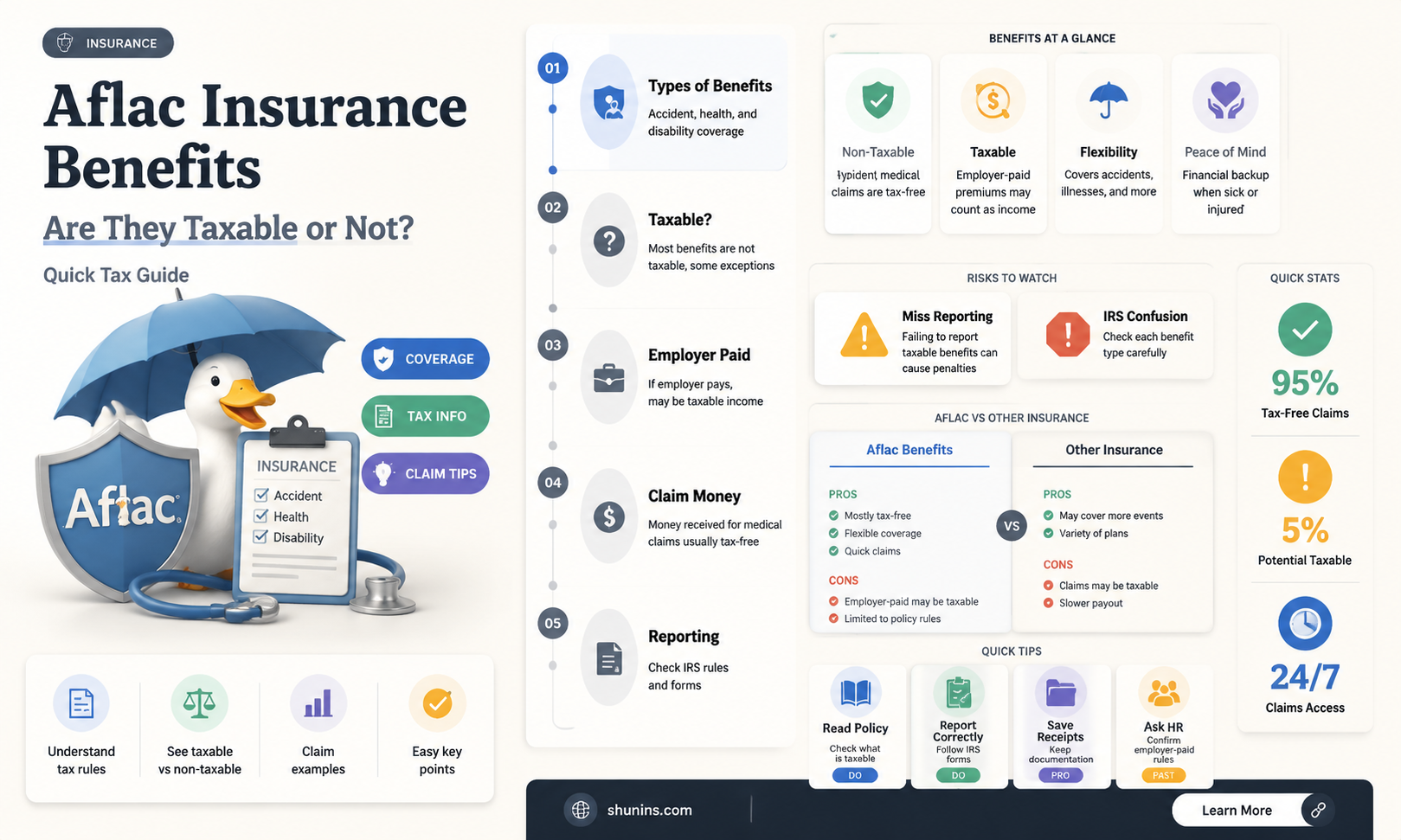
Aflac, known primarily as the American Family Life Assurance Company, does not provide auto insurance policies to consumers. While the company maintains a significant presence in the supplemental insurance market, its business model is strictly focused on voluntary, supplemental products rather than property and casualty insurance, such as coverage for automobiles.
The Business Model of Aflac
To understand why Aflac does not offer auto insurance, it is essential to first understand what the company actually provides. Aflac is a specialized insurance carrier that focuses on supplemental insurance policies. Unlike major property and casualty (P&C) carriers that offer a "bundle" of home and auto insurance, Aflac’s primary goal is to help policyholders cover out-of-pocket expenses that major medical plans may not fully address.
The company is famous for its "cash in hand" approach. When a policyholder experiences a covered medical event—such as a hospital stay, a cancer diagnosis, or an accidental injury—Aflac pays a predetermined cash benefit directly to the individual. This benefit is intended to help with non-medical costs, such as rent, mortgage payments, groceries, or utilities, which can accumulate when a person is unable to work or faces mounting medical bills. Because this business model is designed specifically to fill gaps in health insurance, expanding into the high-risk, high-liability world of auto insurance would fundamentally change the company's operational infrastructure, underwriting requirements, and regulatory compliance obligations.
Why Auto Insurance Differs from Supplemental Coverage
Auto insurance is categorized as a "property and casualty" (P&C) line of business. This is a drastically different domain than the "accident and health" segment where Aflac operates. Insurance companies generally specialize in one or the other because the risk assessment and legal requirements differ significantly.
- Risk Assessment: Auto insurance requires underwriters to calculate the likelihood of traffic accidents, theft, vandalism, and environmental damage to a vehicle. This involves analyzing geographic data, driving records, vehicle safety features, and traffic density.
- Liability Exposure: P&C insurance carries massive liability exposure. If a driver causes a multi-car collision, the insurance company may be responsible for legal fees, medical costs for multiple injured parties, and property damage claims that reach into the millions of dollars.
- Regulatory Compliance: P&C insurance is heavily regulated at the state level with specific requirements for minimum liability coverage, uninsured motorist protections, and complex claims adjustment processes. Aflac’s current framework is built around static, predictable payouts based on specific medical conditions, which is vastly simpler to manage than the variable, litigation-prone environment of auto insurance.
Comparing Insurance Product Segments
The following table illustrates the functional differences between the products Aflac offers and the auto insurance products they do not provide.
| Feature | Aflac Supplemental Coverage | Auto Insurance (P&C) |
|---|---|---|
| Primary Goal | Offset income loss & copays | Cover vehicle damage & liability |
| Payout Structure | Fixed cash benefit | Reimbursement based on repair costs |
| Risk Factors | Personal health history | Driving history & vehicle risk |
| Underwriting | Based on medical eligibility | Based on actuarial risk of loss |
| Regulatory Category | Accident & Health | Property & Casualty |
How Aflac Complements Other Insurance
It is a common misconception that Aflac is meant to be a primary insurance provider. In reality, Aflac is designed to be a secondary layer of protection. When a consumer buys auto insurance from a major national carrier, that policy provides the essential legal and financial protection required to operate a vehicle. If the driver is involved in an accident and sustains a serious injury, their auto insurance will generally cover their medical bills up to their policy limit (or via personal injury protection, depending on the state).
However, auto insurance does not cover the loss of income if that person is out of work for two months, nor does it pay for the mortgage payments that still need to be made during recovery. This is where Aflac fits into a consumer’s financial plan. It works in the background to provide a cash safety net, but it does not replace the need for traditional, primary insurance carriers for vehicles, homes, or general health.
Common Misconceptions Regarding Aflac's Scope
The confusion often stems from the fact that Aflac is a large, well-known, and highly respected brand. Consumers who have had positive experiences with Aflac through their employer often ask if they can "add" auto insurance to their existing Aflac account, similar to how they might bundle services with a standard insurance carrier.
Because Aflac’s products are almost exclusively sold through worksite payroll deductions, employees may be accustomed to seeing a list of options that includes accident, cancer, dental, and vision insurance. When they see a wide array of options, they assume the company is a "one-stop-shop" for all insurance needs. When they find that auto insurance is missing, they may assume it is simply unavailable at their specific employer, rather than realizing it is not a product line that Aflac manufactures at all.
What Should You Look for Instead?
If you are looking for auto insurance, you must turn to companies that specialize in Property and Casualty insurance. These companies are specifically licensed and equipped to handle the legal and financial requirements of vehicle ownership.
- Direct Carriers: These companies sell insurance directly to consumers online or over the phone.
- Captive Agents: Agents who work for one specific insurance brand and can only offer that company’s policies.
- Independent Agents: Professionals who work with multiple insurance carriers to compare quotes and find the best coverage for your specific budget and driving record.
When choosing an auto insurer, consider factors such as their "financial strength rating" (often provided by agencies like A.M. Best), the ease of their mobile app for filing claims, and their reputation for customer service during the claims process.
Strategic Financial Planning: Integrating Supplemental Coverage
While you cannot get auto insurance from Aflac, you can certainly integrate their products into a broader financial strategy that includes auto protection. A holistic approach to personal risk management looks like this:
- Foundation (Primary Coverage): Carry robust auto insurance with sufficient liability limits to protect your assets. Ensure you have high-quality health insurance to cover major medical procedures.
- Gap Protection (Supplemental Coverage): Use Aflac to fill the "hidden" gaps. If an auto accident prevents you from working, your health insurance covers the hospital, your auto insurance covers the car, and your Aflac policy provides the cash to keep your household afloat while you recover.
By maintaining these distinct categories of coverage, you create a comprehensive financial shield that protects you from both the tangible loss of property and the intangible loss of income.
Frequently Asked Questions
Does Aflac have any partnership with auto insurance companies? No. Aflac does not officially partner with auto insurance companies to provide bundled discounts or cross-product services. Its products are distinct from the property and casualty market.
Can I use my Aflac benefits to pay for auto insurance premiums? While you can use the cash benefits you receive from an Aflac claim for any purpose you choose—including paying your auto insurance premiums—Aflac does not directly bill or apply your benefits toward your car insurance costs.
Why does Aflac offer "Accident" insurance if it's not for cars? Aflac’s "Accident" insurance is designed to pay for injuries sustained in a wide range of scenarios, such as falling down stairs, sports injuries, or accidents at home. While this could include a car accident, the policy pays for the bodily injury and treatment, not the damage to the vehicle or legal liability associated with driving.
Will Aflac ever start selling auto insurance? As of 2026, there have been no public announcements or strategic shifts suggesting that Aflac intends to enter the property and casualty market. Their business growth remains focused on their core supplemental health and life insurance offerings.
Who should I contact if I want to bundle auto insurance with my other policies? If you desire a "bundle" discount, you should contact a multi-line insurance provider or an independent broker who can package your auto, home, and umbrella policies under a single carrier.
Practical Next Steps
If you are currently evaluating your insurance coverage, start by auditing your existing policies. Determine if you have adequate liability protection for your vehicle through a licensed P&C carrier. Once your primary assets are protected, reach out to an insurance broker to review your medical and income-protection needs. If you are employed, check with your human resources department to see if they offer Aflac supplemental plans, which can act as a financial bridge during unexpected medical events. Always verify the licensing of any insurance company in your state via your state’s Department of Insurance website to ensure they are authorized to sell the specific type of coverage you require.