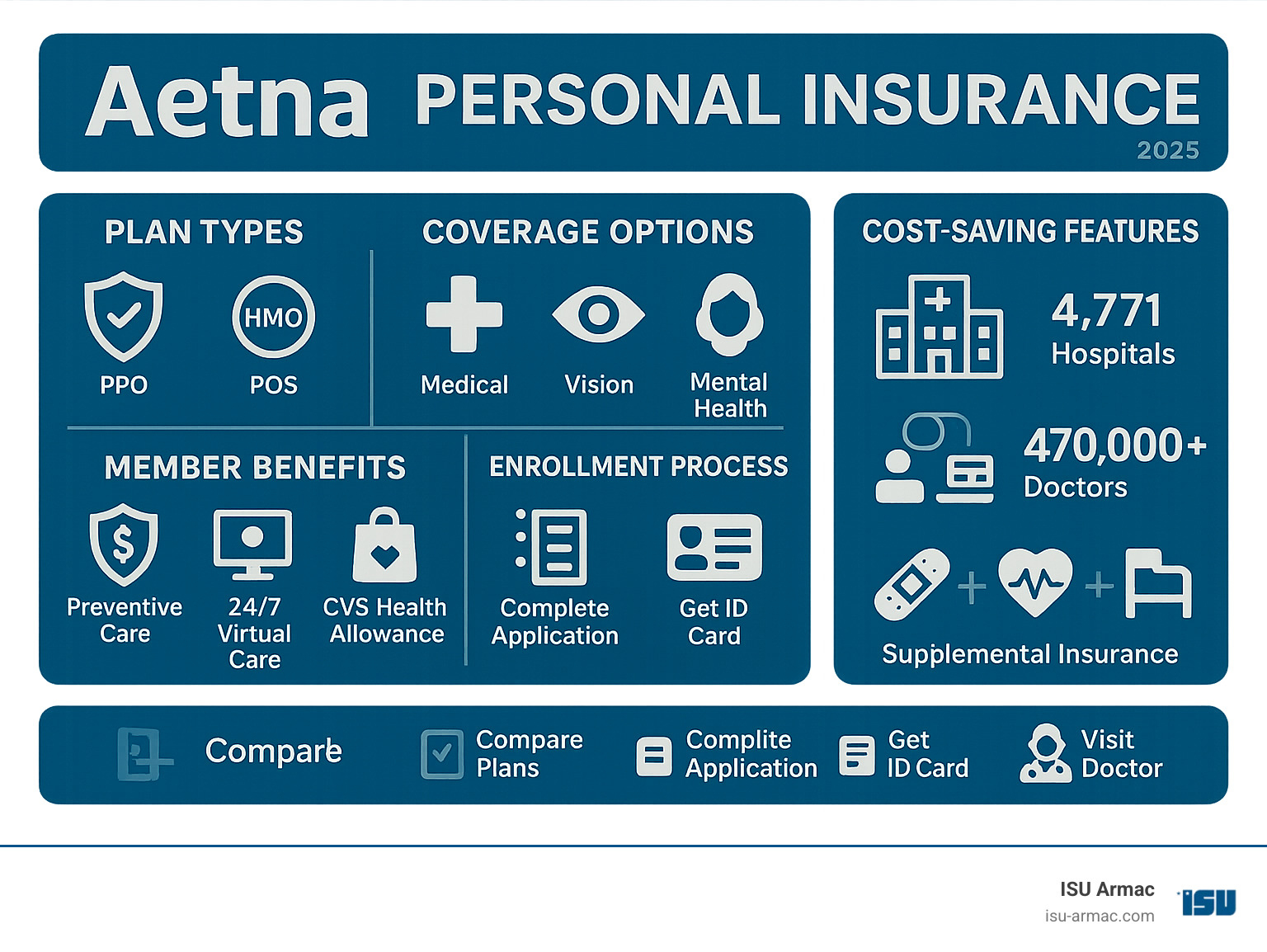
Navigating the complexities of health insurance requires a clear understanding of your coverage options, and working with an Aetna health insurance broker can simplify this process. These licensed professionals act as intermediaries between you or your business and Aetna, providing expert guidance on plan selection, enrollment, and long-term administrative support at no additional cost to your monthly premiums.
Understanding the Role of an Aetna Health Insurance Broker
An Aetna health insurance broker is a licensed professional authorized to sell, manage, and consult on health insurance plans offered by Aetna, a CVS Health company. While the insurance marketplace is often saturated with digital self-service tools, a broker provides a human-centric approach. They are not insurance carriers themselves; rather, they are independent agents or agency representatives who have been vetted and appointed by Aetna to represent their suite of products.
Their core value proposition lies in objective analysis. Whether you are a small business owner looking to provide group benefits or an individual navigating the nuances of the Affordable Care Act (ACA) or Medicare Advantage plans, a broker serves as a translator for complex policy language. They analyze your specific financial situation, healthcare utilization patterns, and preferred provider networks to identify plans that align with your requirements.
Importantly, brokers are compensated through commissions paid directly by the insurance carrier. In the United States, regulations ensure that the premiums you pay for a plan are identical regardless of whether you sign up through an agent or directly through the carrier’s website. This means you gain the expertise of a professional guide without incurring an additional service fee.
Why Choose a Broker Over Direct Enrollment
Many consumers assume that cutting out the middleman saves money or increases efficiency. However, in the health insurance industry, this is rarely the case. When you work with a broker, you are effectively outsourcing the administrative burden of healthcare management.
1. Strategic Comparison Brokers have access to proprietary software that allows them to compare Aetna’s offerings against competitor plans side-by-side. If your specific healthcare needs—such as prescription drug coverage or access to a particular hospital network—are not perfectly met by an Aetna plan, a reputable broker will be able to demonstrate why a different plan might be superior or how to bridge those gaps.
2. Claims Advocacy and Troubleshooting The most critical time to have a broker is after a coverage dispute. If you receive a surprise medical bill or if a claim is improperly denied, a broker can act as an advocate. They understand the appeals process, the terminology used in Explanation of Benefits (EOB) documents, and how to escalate issues within Aetna’s administrative hierarchy.
3. Group Benefit Management For employers, an Aetna broker is essential for compliance. They assist in determining the employer contribution strategy, explain plan options to employees during open enrollment meetings, and handle the integration of payroll with premium deductions. Staying compliant with the Employee Retirement Income Security Act (ERISA) and ACA requirements is a heavy lift that a broker can significantly streamline.
Identifying the Right Broker for Your Needs
Not all brokers are created equal. Some specialize in Medicare, while others focus exclusively on large-group corporate health plans. To ensure you are working with a qualified professional, consider these three criteria:
- Licensing and Appointment: Confirm that the broker is currently licensed in your state of residence. Furthermore, they must have a valid "appointment" with Aetna. Being licensed only allows them to sell insurance generally; being appointed allows them to represent Aetna specifically.
- Specialization Alignment: If you are a senior citizen, you should seek a broker who holds specific certifications for Medicare Advantage and Part D plans. If you are a business owner, look for a broker with experience in "Group Health" and "Self-Funded" plan architectures.
- Communication Style: Insurance is a long-term relationship. Your broker should be responsive during the initial sales cycle and remain accessible during subsequent renewal periods. Ask how they communicate changes to laws or plan benefits—will they proactively email you, or are you responsible for initiating contact?
Comparing Direct vs. Broker-Assisted Enrollment
The following table outlines the operational differences between managing your own insurance and utilizing a professional broker.
| Feature | Direct Enrollment (Carrier Website) | Broker-Assisted Enrollment |
|---|---|---|
| Cost to Consumer | Standard Premium | Standard Premium |
| Plan Selection | Self-Service | Curated Recommendations |
| Network Verification | Manual Search | Professional Verification |
| Renewal Assistance | User Managed | Proactive Review |
| Claims Advocacy | Self-Advocacy | Professional Intercession |
| Market Knowledge | Limited to Single Carrier | Comprehensive Market View |
Navigating the Enrollment Process
When you decide to move forward, the process typically follows a structured sequence. Regardless of whether you are buying individual coverage or setting up a group policy, the broker will require specific documentation.
1. Data Collection and Needs Assessment
Your broker will ask for a census. For individuals, this includes names, dates of birth, and primary healthcare priorities (e.g., managing a chronic condition, seeking low-cost primary care, or needing broad provider access). For businesses, this includes employee headcount, salary structures, and current premium contribution percentages.
2. Network and Formulary Analysis
Aetna has various "networks" (HMO, PPO, EPO). A common mistake is selecting a plan based on the monthly premium only to find that your preferred doctor is "out of network." A skilled broker will cross-reference your list of essential providers against the Aetna provider directories for the upcoming 2026 plan year. They will also verify if your specific medications are covered in the Aetna formulary.
3. Execution and Enrollment
Once a plan is selected, the broker will guide you through the application. In 2026, this is almost exclusively done through secure digital portals. The broker ensures that all fields—such as Social Security numbers, addresses, and qualifying life events—are accurately submitted to prevent coverage delays.
Troubleshooting Common Issues
Even with professional assistance, health insurance is a complex system. Here is how to handle common roadblocks:
- Network Mismatch: If you discover a doctor is out-of-network after enrollment, contact your broker immediately. They can check if the doctor is transitioning into the network or if there is a way to request a "network adequacy" exception from Aetna.
- Premium Discrepancies: If your bill does not match the quoted premium, your broker can contact the Aetna enrollment department to identify if there was a subsidy miscalculation or an administrative error in the application process.
- Mid-Year Changes: Life events like marriage, birth, or moving can trigger a "Special Enrollment Period" (SEP). Your broker is responsible for knowing the documentation required to prove these events so you do not lose your window of eligibility.
Important Considerations for 2026
In 2026, insurance markets continue to be affected by shifting regulatory landscapes and updated healthcare pricing. Whether you are renewing an existing policy or searching for new coverage, ensure your broker provides you with the "Summary of Benefits and Coverage" (SBC) for every plan being considered. This is a legally required document that standardizes the presentation of costs, such as deductibles, copays, and out-of-pocket maximums.
Frequently Asked Questions
Are brokers paid by the insurance company or do I pay them? Brokers receive commissions from Aetna and other insurance carriers. You do not pay the broker for their services, and your premiums are not increased by using a broker.
Can a broker help me if I have a pre-existing condition? Yes. Under current federal law, insurance carriers cannot deny coverage or charge higher premiums based on pre-existing conditions. A broker can help you find plans that specifically offer the best coverage for your existing medical needs, such as specialized care networks or lower specialist copays.
What if my broker leaves the industry? If your broker retires or stops representing Aetna, you have the right to appoint a new broker or contact Aetna directly to have your account transitioned to a new servicing agent. You are never "locked in" to an unproductive brokerage relationship.
Do brokers have access to cheaper plans than what I see online? Generally, no. Prices are regulated and standardized. However, brokers have access to "off-exchange" plans or specialized group packages that might not be prominently displayed on the public-facing Aetna website, which could provide better value for your specific situation.
How do I verify if someone is an authorized Aetna broker? You can contact Aetna’s member services department directly or use their official website’s "Find a Broker" tool. Alternatively, you can check your state’s Department of Insurance website, which maintains a public database of all licensed insurance producers.
Recommendation for Next Steps
If you are seeking to evaluate your Aetna health insurance options, your first step should be to compile a list of your "must-have" providers and a list of current prescriptions. Use these to interview potential brokers. Ask them specifically how they handle claims advocacy and if they have experience with the specific tier of coverage you are seeking. By selecting a broker who aligns with your communication preferences and professional needs, you can offload the complexities of health insurance management and focus on your actual healthcare.