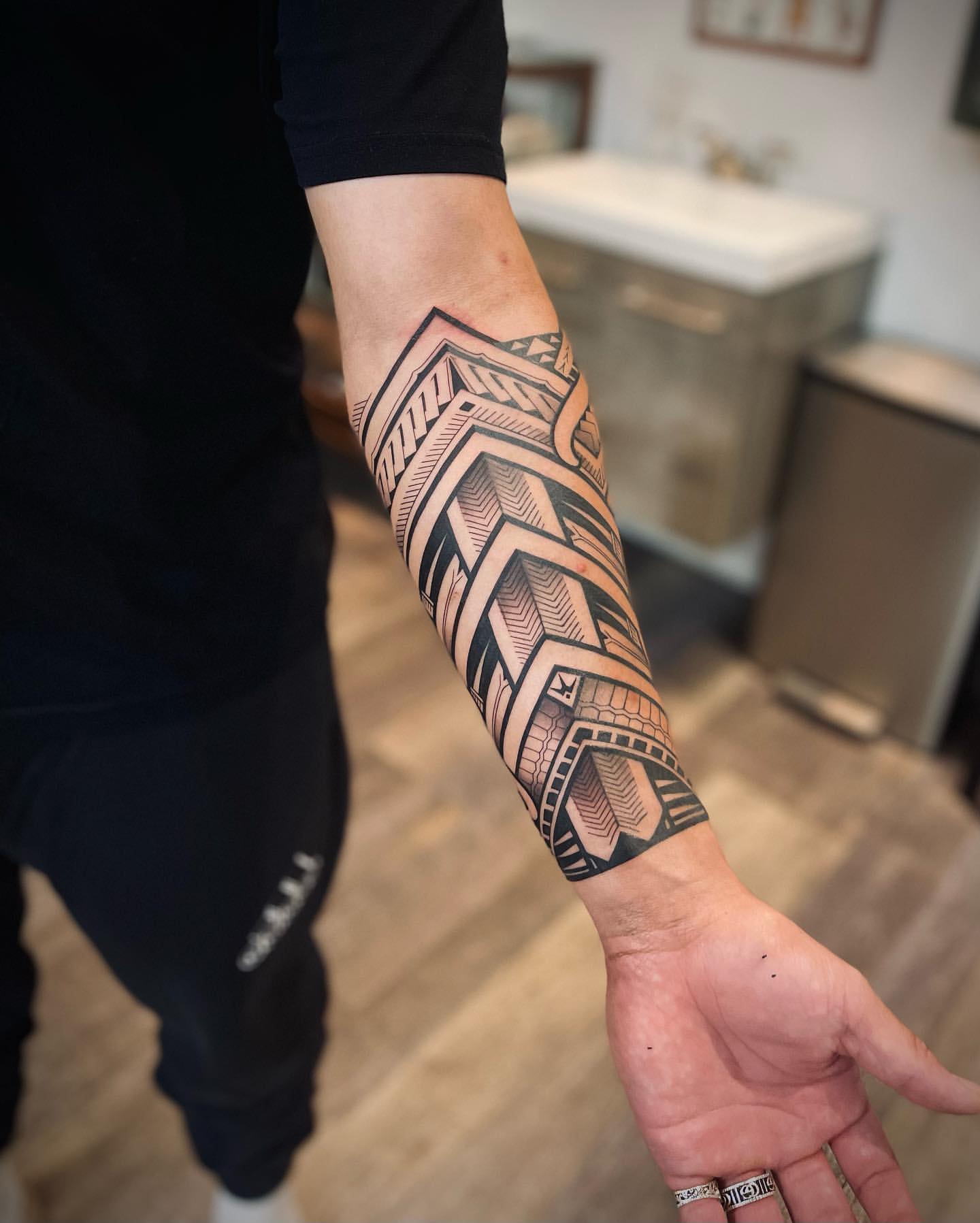
Aesthetic tattoos for men focus on visual harmony, artistic expression, and minimalist or intricate composition rather than traditional heavy symbolism. These designs emphasize balance, clean linework, and careful placement on the body to complement human anatomy, offering a modern alternative to conventional heavy-ink body art.
The world of body modification has shifted dramatically over the past decade. Where tattoos were once heavily associated with strict subcultures, traditional tribal motifs, or old-school Americana flash sheets, contemporary body art embraces a refined, gallery-inspired sensibility. Aesthetic tattoos for men bridge the gap between fine art and personal expression. They prioritize clean visual rhythm, intentional negative space, and a cohesive flow that works in harmony with the natural musculature and bone structure of the human body. Understanding this design philosophy requires exploring popular styles, anatomical placement strategies, technical considerations, and long-term maintenance.
Defining the Aesthetic Tattoo Movement for Men
The term "aesthetic" in the context of tattooing does not refer to a single visual style. Instead, it describes an overarching design philosophy centered on visual appeal, balance, and intentionality. Rather than collecting random, disconnected flash pieces, men opting for an aesthetic approach typically curate their ink. Every piece is chosen for how it interacts with neighboring tattoos, existing muscle groups, and overall bodily symmetry.
This movement rejects the notion that male tattoos must inherently look aggressive, overly dark, or excessively large to be impactful. Instead, modern aesthetic ink often incorporates fine lines, geometric precision, surrealism, micro-realism, and abstract interpretations of natural phenomena. The goal is to create a wearable piece of art that looks like it belongs on the body naturally, enhancing the wearer's physical presentation rather than overwhelming it.
Core Principles of Aesthetic Design
- Anatomical Flow: Designs are warped, stretched, or curved to follow muscle fibers, wrapping around the forearm, tracing the collarbone, or accentuating the latissimus dorsi.
- Negative Space: Leaving untouched skin around a tattoo is just as important as the ink itself. Negative space prevents visual clutter and makes individual elements pop.
- Contrast and Line Weight: Combining ultra-fine micro-lines with bold structural borders creates depth without requiring heavy shading or solid black packing.
- Cohesiveness: A curated aesthetic considers future tattoos, ensuring that disparate styles (such as botanical elements and geometric shapes) share a common thematic or technical thread.
Popular Styles in Modern Men's Aesthetic Tattoos
Choosing the right style is the foundation of any successful tattoo project. Modern aesthetic tattooing spans several distinct technical disciplines, each requiring a specialized artist.
Fine Line and Micro-Realism
Fine line tattooing utilizes single-needle configurations or tight round liners to create delicate, highly detailed imagery. When applied to men, fine-line work moves away from dainty floral patterns and instead focuses on architectural structures, classical sculpture fragments, astronomical charts, and detailed animal portraits. Micro-realism takes this a step further, packing microscopic amounts of detail into a compact space, creating portraits or scenes that mimic high-definition photography.
Neo-Geometric and Sacred Geometry
Geometric tattoos rely on mathematical precision, symmetry, and repeating patterns. In an aesthetic context, geometry is rarely applied as a stiff, flat stencil. Instead, artists use dotwork (stippling) and gradient shading to give flat geometric shapes a three-dimensional, floating quality. Sacred geometry often incorporates ancient symbols, mandalas, and cosmological alignments, creating a hypnotic visual effect when placed on broad areas like the chest or back.
Abstract and Trash Polka Fusion
Abstract tattooing breaks free from representational imagery, using fluid brushstrokes, ink splatters, and chaotic linework to evoke emotion rather than depict a specific object. Trash Polka, originating in Germany, combines realistic imagery with aggressive red-and-black abstract elements, geometric shapes, and typography. While traditional Trash Polka is heavy and chaotic, modern adaptations lean into a more refined, aesthetic minimalism.
Neo-Traditional and Illustrative Blackwork
Illustrative blackwork uses heavy black ink, hatching, and stippling to mimic woodcut prints, etchings, or dark fantasy illustrations. This style works exceptionally well for men seeking a bold, high-contrast aesthetic that holds up exceptionally well over time as the ink ages in the skin.
| Tattoo Style | Primary Visual Characteristics | Best Body Placements | Aging & Maintenance Profile |
|---|---|---|---|
| Fine Line / Micro-Realism | Single needles, high detail, delicate shading, photographic accuracy. | Forearm, inner bicep, ribs, upper back. | Requires strict sun protection; lines can blur slightly over decades. |
| Sacred Geometry | Mathematical precision, dotwork, symmetry, three-dimensional illusions. | Chest, back, full sleeve, calves. | Ages well if lines are spaced properly; prone to blurring if packed too tightly. |
| Illustrative Blackwork | Woodcut style, heavy black ink, etching lines, high contrast. | Thigh, outer bicep, back, forearm. | Excellent longevity; high resistance to UV fading due to heavy black saturation. |
| Abstract / Minimalist | Negative space, single strokes, fluid splashes, conceptual shapes. | Wrist, ankle, neck, collarbone, ribs. | Minimalist lines require precise depth; touch-ups may be needed on thinner skin. |
Strategic Body Placement for Aesthetic Impact
An elite tattoo design can look disjointed or awkward if placed poorly. Aesthetic placement treats the human body as a living canvas, where muscle contractions and skeletal landmarks frame the artwork.
Arms and Forearms
The forearm remains the premier canvas for men starting their tattoo journey. It is easily visible, has a relatively flat surface for detailed work, and experiences minimal distortion during movement. A vertical composition, such as a botanical stalk, a dagger, or a structural column, elongates the arm. The bicep and tricep areas allow for circular or wrap-around designs that flex and shift as the muscle moves.
Chest and Torso
The chest is ideal for large-scale symmetrical pieces, sternum tattoos, or sprawling horizontal compositions that anchor the shoulders. Because the chest has large plates of muscle and bone, geometric and illustrative blackwork pieces look particularly striking here. Ribcage tattoos, while notoriously painful, offer an intimate, high-impact aesthetic that hugs the torso's natural contours.
Back and Spine
The back provides the largest uninterrupted canvas on the human body. A full-back piece or a precise spine-following vertical design commands attention. Spine tattoos require an artist who understands how the vertebrae move; linear designs must be mapped out carefully so they do not warp when the wearer bends forward.
Technical Considerations: Longevity, Pain, and Skin Types
Aesthetic tattoos often rely on delicate techniques, which introduces specific technical challenges that every client should understand before booking a session.
The Aging of Fine Lines
A common misconception in modern tattooing is that fine-line tattoos last forever without changing. Ink naturally spreads slightly beneath the dermis over time—a process known as ink migration. While bold traditional tattoos absorb this migration without losing clarity, ultra-fine lines can soften and blur after ten or fifteen years. To mitigate this, reputable fine-line artists leave microscopic spaces between lines and avoid overcrowding tiny details.
Skin Tone and Pigment Visibility
An artist's choice of ink and shading style must adapt to the client's natural skin tone. While heavy blackwork and high-contrast illustrations translate across a wide spectrum of skin tones, delicate grey shading and white ink highlights require specific consideration. Melanin levels affect how lighter pigments and subtle grey washes heal, making consultations crucial for tailoring the aesthetic approach to individual skin physiology.
Pain Management and Session Length
Aesthetic tattoos that feature heavy dotwork or intricate micro-realism often require long, uninterrupted hours in the chair. Dotwork, in particular, requires the artist to puncture the skin repeatedly in the exact same spot to build density, which can cause significant skin irritation. Preparing for a session involves proper hydration, a high-protein meal beforehand, and avoiding blood thinners like alcohol or excessive caffeine.
Frequently Asked Questions
What makes a tattoo look "aesthetic" rather than traditional?
Aesthetic tattoos prioritize balance, composition, negative space, and modern artistic movements like fine-line work or geometry over the heavy outlines and bold color palettes characteristic of traditional American or Japanese styles.
Do fine line aesthetic tattoos fade faster than other styles?
Fine line tattoos can soften over time due to natural ink migration in the skin. However, with proper aftercare and diligent daily application of high-SPF sunscreen, they can maintain their clarity and precision for decades.
How do I choose a tattoo artist who specializes in aesthetic designs?
Look for portfolios that demonstrate consistent linework, healed photo examples (not just fresh ink), and a distinct artistic voice. Reviewers should look for clean circles, straight parallel lines, and smooth dotwork gradients.
Are aesthetic tattoos more painful than traditional tattoos?
Pain levels depend primarily on placement rather than style. However, styles that rely on heavy stippling or prolonged single-needle work over sensitive areas like ribs or inner arms can feel more intense due to repeated passes on the same patch of skin.
Can I mix different aesthetic styles on the same arm?
Yes, many men build "patchwork" sleeves using diverse aesthetic styles. The key to making mismatched styles look intentional is maintaining a consistent color palette (such as strictly black and grey) and unifying the pieces with background filler elements like dotwork or negative space.
Conclusion and Next Action
Curating aesthetic tattoos for men requires a deliberate balance between personal narrative, anatomical placement, and technical mastery. Start by collecting visual references that share a common artistic thread, schedule consultations with specialized fine-line or blackwork artists, and prioritize long-term placement over impulsive flash selection. Your next action should be to consult a local, portfolio-verified artist to map out how your chosen design will interact with your body's natural structure.