Ads in video games encompass various formats, including rewarded video placements, native intrinsic 3D ads, interstitial screens, and branded crossover events across mobile, PC, and console platforms. Game developers integrate these advertising models to monetize free-to-play titles and generate supplemental revenue, carefully balancing ad frequency against player retention, game performance, and overall user experience.
The Evolution of Advertising in Digital Games
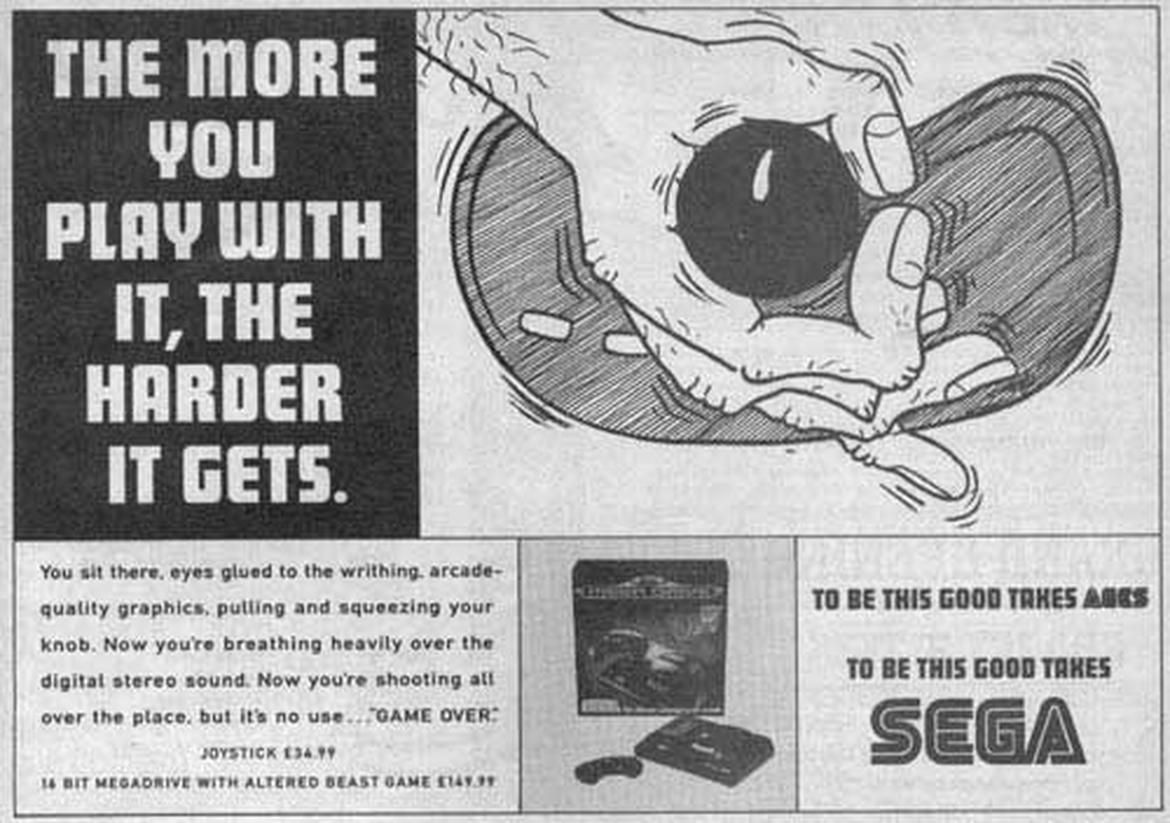
Advertising in video games has evolved from static, hard-coded image placements into a dynamic, data-driven ecosystem. Early implementations in the late twentieth century relied on static corporate logos embedded directly into arcade and console games—such as brand logos on virtual racetrack barriers or pinball machines. Because these graphics were hard-coded into the game’s local assets, updating campaigns required issuing entirely new game cartridges or discs.
The widespread adoption of persistent internet connectivity transformed how ads in video games operate. Modern game engines communicate with ad servers in real time, allowing developers to dynamically serve targeted, context-aware advertisements based on player demographics, geographic location, and gameplay behavior. Today, in-game advertising represents a major revenue stream for game studios, enabling the expansion of the free-to-play (F2P) business model while extending brand reach to millions of active gamers across mobile, PC, and console platforms.
Key In-Game Advertising Formats
Game developers select ad formats based on game genre, device constraints, and player tolerance. Integrating the wrong format can disrupt gameplay flow and trigger negative reviews, whereas well-designed placements can feel natural or even add value to the player's session.
1. Intrinsic (Native 3D) Advertising
Intrinsic advertising—often referred to as native in-game advertising—embeds ads directly into the virtual environment without interrupting gameplay. Examples include digital billboards in open-world cities, perimeter banners around virtual sports stadiums, or branded posters inside simulated store fronts.
- Technical Execution: Intrinsic ads are rendered onto 3D surfaces as dynamic textures. Ad networks supply SDKs (Software Development Kits) that evaluate whether an ad banner or 3D object is visible on the player's screen, calculating parameters such as viewing angle, screen duration, and obstruction to verify impressions.
- Player Experience: Because these ads mirror real-world outdoor media, they maintain game immersion and rarely cause player frustration.
2. Rewarded Video Ads
Popularized in mobile titles, rewarded video ads offer players an opt-in exchange: watch a 15-to-30-second commercial in return for virtual currency, extra lives, cosmetic items, or temporary gameplay boosts.
- Technical Execution: Rewarded placements rely on server-side or client-side verification hooks to ensure the video played to completion before granting the reward.
- Player Experience: Rewarded ads achieve high engagement and positive player sentiment because participation is entirely voluntary and yields immediate, concrete value within the game loop.
3. Interstitial and Banner Ads
Interstitial ads occupy the full screen during natural gameplay transitions, such as completing a level, failing a mission, or navigating menus. Banners, by contrast, occupy a fixed segment of the screen (top or bottom) during active play.
- Technical Execution: Interstitials freeze active rendering while loading static images or video streams from an ad network. Banners require persistent layout allocation, reducing usable screen real estate.
- Player Experience: Interstitials disrupt game flow, and persistent banners risk screen clutter. If overused, these formats lead to high churn rates and lower session lengths, making them less common in premium or complex game titles.
4. Branded In-Game Crossovers and Custom Assets
Rather than deploying standard display banners, major publishers often collaborate directly with commercial brands to create custom in-game events, character skins, virtual apparel, or themed vehicles.
- Technical Execution: Brands license intellectual property (IP) to developers, who build custom 3D models and event mechanics integrated directly into main game patches.
- Player Experience: When executed thoughtfully, brand crossovers create excitement and limited-time engagement, though aggressive commercialization can draw criticism from core gaming communities.
Comparing In-Game Advertising Formats
The table below compares the primary ad formats utilized in modern video games across technical integration demands, user impact, and common deployment platforms.
| Ad Format | Primary Integration Method | Player Interruptiveness | Typical Platform | Dominant Monetization Metric |
|---|---|---|---|---|
| Intrinsic (Native 3D) | Dynamic SDK texture replacement on 3D geometry | Very Low (Non-intrusive) | Console, PC, Mobile | vCPM (Viewable Cost Per Mille) |
| Rewarded Video | Opt-in video modal triggered by user action | Low (User-initiated) | Mobile, Web, Free-to-Play PC | eCPM / Completion Rate |
| Interstitial Video/Static | Full-screen modal at level transitions | High (Forced interruption) | Mobile (Casual / Hyper-casual) | eCPM / Click-Through Rate (CTR) |
| Banner Display | Overlay UI container anchored to screen edge | Medium (Persistent visual clutter) | Mobile, Web | CPM / CTR |
| Branded Crossovers / Skins | Custom client update and asset deployment | Very Low (Integrated as content) | Console, PC, Mobile | Direct IP Licensing / IAP Revenue Share |
Technical Infrastructure and Ad Delivery Networks
Delivering programmatic ads within dynamic, high-performance game engines introduces unique engineering challenges. Traditional web advertising relies on DOM elements and web page reloads, whereas game ads must render seamlessly within complex 3D environments without causing frame-rate drops, network latency, or visual stuttering.
- 1. Request Ad Space: Game Client (Unity / Unreal) to Ad Network / Supply-Side Platform (SSP).
- 2. Measure Viewability (Angle, Occlusion, Distance): Game Client (Unity / Unreal) to Ad Measurement Engine.
- 3. Programmatic Real-Time Auction: Ad Measurement Engine to Ad Network / Supply-Side Platform (SSP).
- 4. Stream Asset/Texture: Ad Network / Supply-Side Platform (SSP) to Game Client (Unity / Unreal).
SDK Integration and Real-Time Bidding
Developers integrate Specialized Ad SDKs—such as those provided by Unity Ads, Google AdMob, Anzu, Frameplay, or Bidstack—into game engines like Unity or Unreal Engine. When a player approaches an ad unit (e.g., a virtual billboard), the SDK executes an automated Real-Time Bidding (RTB) auction.
- Ad Request: The SDK sends telemetry data (player country, device capabilities, context) to the Supply-Side Platform (SSP).
- Auction: Demand-Side Platforms (DSPs) bid on the impression within milliseconds.
- Asset Delivery: The winning creative is cached in memory and dynamically projected onto the designated surface texture without interrupting active rendering loops.
Performance Optimization and Frame-Rate Preservation
To avoid destabilizing the game’s frame rate (FPS), ad engine SDKs utilize asynchronous asset loading and memory budgeting:
- Mipmapping and Texture Streaming: Higher-resolution ad images are loaded only when the player moves close to the surface, conserving GPU VRAM.
- Occlusion Culling Checks: If an in-game building blocks the player's view of an ad billboard, the SDK skips the viewability trigger, ensuring ad metrics accurately reflect genuine impressions without wasting computing overhead.
- Pre-Caching: Video ads for rewarded or interstitial placements are downloaded in the background during loading screens to prevent mid-game streaming buffer delays.
Economic Drivers and Developer Monetization Strategies
In-game advertising serves distinct roles depending on the commercial structure of the title. Monetization strategies typically balance ad revenues against In-App Purchases (IAP) and upfront game sales.
Hybrid Monetization Models
In many mobile and free-to-play titles, developers combine ads with in-app purchases. High-value players ("whales") may generate direct revenue by purchasing virtual goods, while non-paying players generate recurring value through rewarded ad views. Developers often tweak ad exposure dynamically: non-paying users see ad opportunities more frequently, whereas active paying users might receive an ad-free experience as an unstated perk of their purchases.
Effective Cost Per Mille (eCPM) Optimization
Developers monitor eCPM—the revenue earned per 1,000 ad impressions—to evaluate network performance. eCPM values vary significantly by ad format, target geography, and user demographic:
- Rewarded Video Ads: Frequently yield higher eCPMs (often ranging from $10 to $40+ in tier-1 markets) due to high video completion rates and clear player intent.
- Interstitial Ads: Typically generate moderate eCPMs, varying widely based on click-through rates and game placement quality.
- Intrinsic 3D Ads: Sold primarily on a viewable CPM (vCPM) basis, targeting brand awareness rather than immediate clicks.
Regulatory Frameworks, Data Privacy, and Compliance
Collecting data to deliver targeted ads in video games exposes developers and ad networks to global privacy regulations. Because games appeal to diverse demographics, compliance frameworks are strictly enforced.
1. Children’s Online Privacy Protection Act (COPPA)
In the United States, COPPA restricts the collection of personal information from children under 13. Game developers offering titles directed at younger audiences cannot utilize behavioral tracking or deliver targeted ads without verifiable parental consent. As a result, ad networks serving children's games must default to contextual advertising, where ads are selected based solely on game content rather than user profiles.
2. GDPR and CCPA Compliance
The European Union’s General Data Protection Regulation (GDPR) and the California Consumer Privacy Act (CCPA) require explicit consent before tracking personal identifiers or device IDs (such as IDFA on iOS or GAID on Android).
Game developers must implement Consent Management Platforms (CMPs) within their user interface, allowing players to accept or reject data tracking. If a player opts out, ad networks serve non-targeted contextual ads, which generally command lower eCPMs.
3. Apple's App Tracking Transparency (ATT)
Apple's ATT framework requires iOS apps to prompt users for permission to track them across apps owned by other companies. Low opt-in rates globally led ad platforms to rely heavily on privacy-centric attribution frameworks like Apple's SKAdNetwork, shifting ad optimization strategies toward contextual signal processing.
Common Implementation Mistakes and Solutions
Integrating ads without considering gameplay dynamics can degrade player satisfaction and reduce total monetization efficiency.
Mistake 1: Interrupting Core Gameplay Loops
- The Problem: Triggering forced interstitial ads in the middle of active gameplay or intense combat frustrates players, causing immediate app abandonment.
- The Solution: Restrict forced ads strictly to natural pause points, such as level selection menus, game-over screens, or post-match summaries. Alternatively, transition away from interstitials toward rewarded or intrinsic formats.
Mistake 2: Poor Texture Scaling and Immersion Breaks
- The Problem: Displaying low-resolution display ads on large 3D surfaces in PC or console games creates visual clutter and disrupts the game’s aesthetic.
- The Solution: Utilize modern intrinsic ad SDKs that support dynamic high-resolution texture streaming and lighting matching, ensuring ads react correctly to in-game shadows, weather effects, and time of day.
Mistake 3: Over-Saturating Rewarded Economies
- The Problem: Offering excessive virtual rewards for watching ads can inflate the in-game economy, trivializing achievement and reducing player incentive to spend real money via in-app purchases.
- The Solution: Establish daily ad-view caps and diminish marginal reward yields per session to preserve economic balance.
Frequently Asked Questions
What is the difference between intrinsic and interstitial in-game ads?
Intrinsic in-game ads are seamlessly integrated directly into the game environment—such as dynamic billboards or banners on stadium walls—allowing gameplay to continue uninterrupted. Interstitial ads, by contrast, are full-screen overlays that temporarily pause gameplay during transitions like menu shifts or level completions.
Do ads in video games cause frame-rate drops or latency?
When implemented correctly using modern ad network SDKs, in-game ads have a minimal impact on performance. Developers use asynchronous asset loading, pre-caching, and texture streaming to ensure ad assets load into memory without interrupting the main game loop or causing network latency.
How do developers monetize players who decline tracking?
When players opt out of data tracking under frameworks like GDPR or Apple's ATT, ad networks switch to contextual advertising. Ads are selected based on the game's category, genre, or current level context rather than individual user profiles, generating revenue at slightly lower average eCPMs.
Can premium (buy-to-play) games contain advertisements?
Yes, premium games sometimes incorporate intrinsic 3D advertisements, such as real-world sports brands on virtual pitch boards or licensed music on in-game radio stations. However, developers must balance these placements carefully, as forced or intrusive ads in full-price titles often trigger significant backlash from players.
What is the standard measurement metric for intrinsic 3D in-game ads?
Intrinsic ads are evaluated primarily using Viewable Cost Per Mille (vCPM). Measurement standards, established by industry bodies like the Interactive Advertising Bureau (IAB), verify impressions based on how much of the ad surface area is visible on screen, the angle of view, and the minimum consecutive seconds rendered.
Best Practices for Game Developers and Marketers
To build a sustainable in-game advertising strategy, developers and advertisers should follow these foundational principles:
- Prioritize Player Context: Align ad formats with the title’s core mechanics. Use native intrinsic placements for simulation, sports, and open-world games; deploy rewarded video units for puzzle, strategy, and casual mobile titles.
- Implement Strict Frequency Caps: Limit forced ad impressions per session to avoid player fatigue, negative app store reviews, and rapid user churn.
- Respect Local Data Regulations: Integrate certified Consent Management Platforms (CMPs) to handle COPPA, GDPR, and CCPA requirements dynamically based on local regulations.
- Test and Monitor eCPM Metrics: Continually evaluate performance across multiple ad networks using ad mediation platforms, adjusting placements based on verified analytics rather than assumptions.