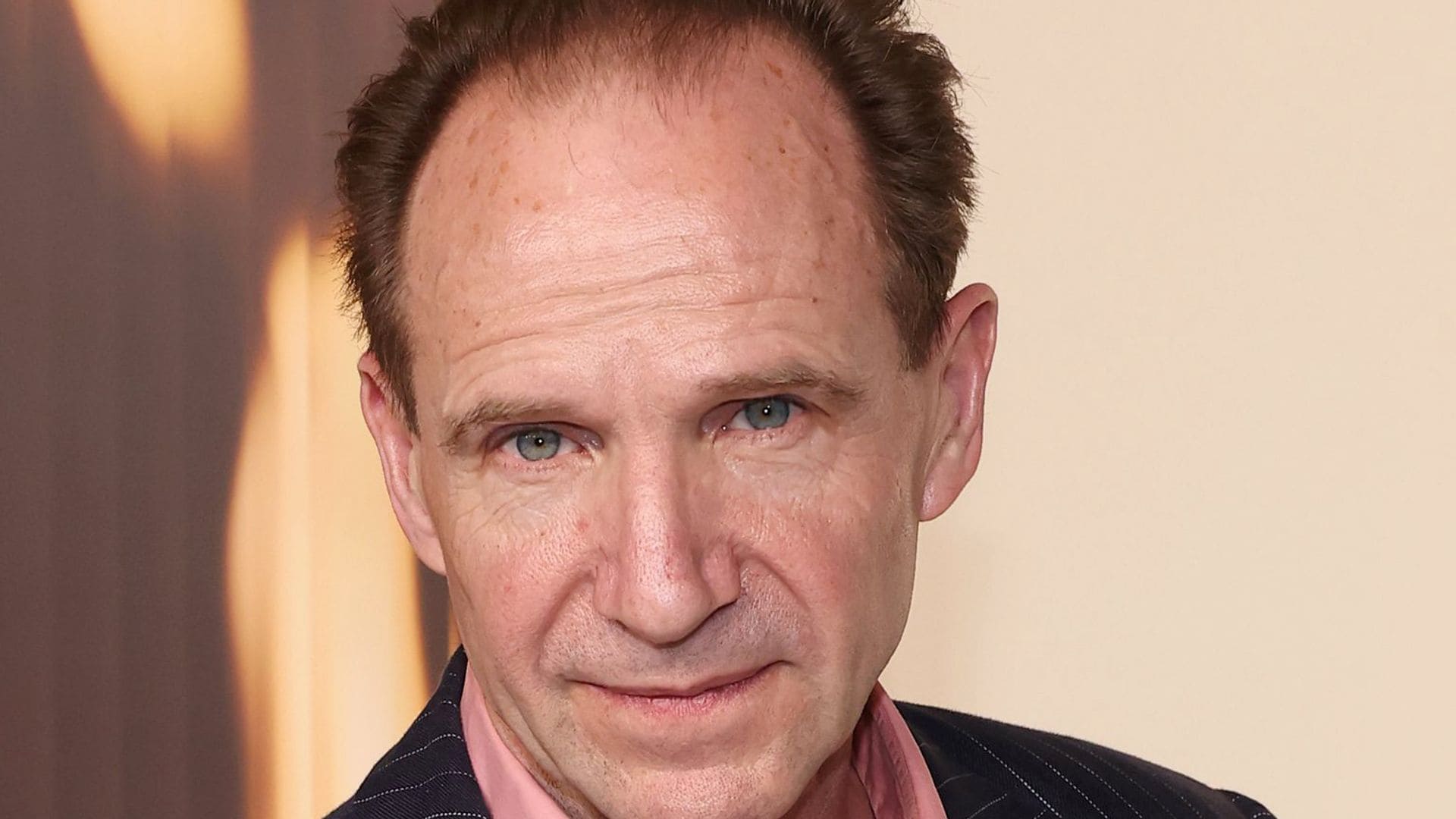
While several actors contributed to the role, Ralph Fiennes is the primary actor of Voldemort, portraying the Dark Lord in his resurrected form from Harry Potter and the Goblet of Fire (2005) through The Deathly Hallows – Part 2 (2011). Other notable portrayals include Richard Bremmer, Christian Coulson, Frank Dillane, and Hero Fiennes Tiffin.
The Evolution of a Villain: Why Multiple Actors Portrayed Voldemort
The character of Lord Voldemort is unique in cinematic history because he is rarely seen in the same form twice throughout the early stages of the Harry Potter franchise. Because the narrative spans decades of the character’s life—from his childhood as Tom Riddle to his spectral existence and his eventual physical rebirth—the production required a diverse range of actors to capture different developmental milestones.
In the early films, Voldemort is a lingering shadow, a memory, or a parasitic entity. This required "placeholder" actors and child stars. It wasn't until the fourth installment, The Goblet of Fire, that the "definitive" version of the character was established. This necessitated a performer of immense theatrical gravity, leading the production to seek out a high-caliber dramatic actor. The result was a fragmented portrayal that, when viewed as a whole, provides a psychological profile of a wizard’s descent into inhumanity.
Ralph Fiennes: The Definitive Lord Voldemort
Ralph Fiennes remains the most iconic actor associated with the role. An Academy Award-nominated performer known for his work in Schindler’s List and The English Patient, Fiennes brought a chilling, serpentine elegance to the Dark Lord. Interestingly, Fiennes initially hesitated to take the role. He has famously stated in interviews that he was not familiar with the books at the time and did not immediately see himself in a "fantasy" villain role. It was reportedly his sister, Martha Fiennes—whose children were fans of the series—who convinced him of the character's significance.
Fiennes’ portrayal is characterized by his soft, high-pitched voice and fluid, almost dance-like movements. Unlike many villains who rely on shouting, Fiennes’ Voldemort is most terrifying when he is quiet. His performance choices were designed to emphasize that Voldemort had moved beyond human emotion, replacing it with a cold, detached sense of superiority. By the time the series concluded in 2011, Fiennes had appeared in four of the eight films, cementing his version as the face of the franchise’s ultimate evil.
The Early Iterations: Before the Resurrection
Before Ralph Fiennes stepped into the role, the character of Voldemort had to be represented through various magical means. In the first film, Harry Potter and the Sorcerer’s Stone (2001), Voldemort does not have a body of his own.
Richard Bremmer and the Face in the Stone
Richard Bremmer was the first actor to physically portray the "modern" Lord Voldemort. He appeared in the flashback sequence at Godric's Hollow and provided the physical performance for the face on the back of Professor Quirrell’s head. Bremmer’s contribution was largely one of physical presence and prosthetic modeling. While his face was used for the CGI-enhanced reveal at the end of the film, his voice was eventually replaced.
Ian Hart: The Dual Role
Ian Hart, who played Professor Quirrell in the first film, also provided the voice for Voldemort during the climax in the Underground Chambers. This was a creative decision to emphasize the parasitic relationship between the two characters. Because Voldemort was literally sharing Quirrell’s body, having Hart provide the voice added a layer of tonal consistency to their shared scenes.
The Young Tom Riddle: Casting the Past
A significant portion of the Harry Potter lore involves the transformation of the brilliant, handsome Tom Riddle into the monstrous Voldemort. To achieve this, the filmmakers cast several different actors to represent Riddle at various ages.
Christian Coulson: The Charming Sociopath
In Harry Potter and the Chamber of Secrets (2002), 16-year-old Tom Riddle is played by Christian Coulson. Coulson is widely regarded by fans as one of the best iterations of the character. He captured the "magnetic" quality described in the books—the ability to manipulate teachers and students alike with a facade of politeness and intelligence. When The Half-Blood Prince went into production years later, many fans hoped Coulson would return. However, at 29 years old, he was deemed too old to play a teenager, leading to a new search for the role.
Frank Dillane: The Disturbed Adolescent
For the pensieve memories in Harry Potter and the Half-Blood Prince (2009), Frank Dillane took over the role of the teenage Tom Riddle. Dillane’s performance was notably different from Coulson’s. While Coulson was charming, Dillane played Riddle with a palpable sense of "wrongness." His performance emphasized the budding dark wizard's arrogance and his unsettling interest in Horcruxes. Dillane, the son of actor Stephen Dillane, brought a brooding, edgy quality to the role that reflected the character’s further descent into the Dark Arts.
Hero Fiennes Tiffin: The Orphanage Beginnings
The youngest version of Tom Riddle was played by Hero Fiennes Tiffin in The Half-Blood Prince. Hero is the nephew of Ralph Fiennes. While director David Yates admitted that the family connection helped with the physical resemblance, he maintained that Hero won the role because of his ability to portray a "darker spirit" in a young child. His performance as the 11-year-old Riddle at Wool's Orphanage effectively showed the origins of the character’s isolation and his early abuse of his magical powers.
Technical Specifications: Creating the Look of Voldemort
The physical appearance of Voldemort, particularly the Ralph Fiennes version, was a masterpiece of makeup and digital effects. It was not a mask, but a complex series of prosthetic applications combined with post-production editing.
The Makeup Process
The makeup was designed by Nick Dudman, the franchise's legendary makeup effects artist. For Ralph Fiennes, the process took approximately two and a half hours each day.
- Skin Tone: Fiennes was covered in a very pale, almost translucent makeup that allowed his veins to show through, suggesting a lack of blood flow or a non-human biology.
- Prosthetics: Subtle gelatin prosthetics were used to alter the shape of his brow and to smooth out his eyebrows (Fiennes had his own eyebrows covered or shaved).
- The Teeth: A set of slightly rotted, discolored false teeth was used to give him a predatory, neglected look.
- Hand Detail: Voldemort’s fingernails were long and slightly yellowed, and temporary tattoos were used to create a network of dark veins across his hands and arms.
The Digital "Nose Job"
The most striking feature of the "actor of Voldemort" is the absence of a nose. This could not be achieved through makeup alone. During filming, Ralph Fiennes wore small, colored dots on his nose. In post-production, the visual effects team at MPC (Moving Picture Company) digitally removed his nose and replaced it with snake-like slits. This was a painstaking process because the editors had to ensure that the digital "holes" moved naturally with Fiennes’ facial expressions, preserving the nuances of his performance.
Comparison of Voldemort Actors Across the Franchise
The following table summarizes the different actors who portrayed Voldemort or his younger self, Tom Riddle, throughout the film series.
| Actor | Film(s) | Character Version | Key Characteristic |
|---|---|---|---|
| Richard Bremmer | Sorcerer's Stone | Spectral/Parasitic | The first physical model; Godric's Hollow flashback. |
| Ian Hart | Sorcerer's Stone | Voice (Parasitic) | Shared voice with Quirrell; whispered, rasping tone. |
| Christian Coulson | Chamber of Secrets | 16-year-old Riddle | Charming, manipulative, and handsome. |
| Ralph Fiennes | GoF through DH Part 2 | Resurrected Voldemort | Serpentine, cold, elegant, and definitive. |
| Hero Fiennes Tiffin | Half-Blood Prince | 11-year-old Riddle | Intense, brooding, and eerie orphanage child. |
| Frank Dillane | Half-Blood Prince | 16-year-old Riddle | Arrogant, unsettling, and focused on immortality. |
The Legacy of the Portrayal in 2026
As of 2026, the portrayal of Voldemort by Ralph Fiennes remains the gold standard for fantasy villains. His performance influenced how the character is depicted in spin-off media, theme park attractions, and even the "Voldemort" seen in the stage production of Harry Potter and the Cursed Child.
The character's design—the pale skin, the lack of a nose, and the billowing black robes—has become a universal shorthand for evil in pop culture. In the years following the films, many of the younger actors have gone on to significant careers. Hero Fiennes Tiffin became a lead in the After film franchise, while Frank Dillane starred in Fear the Walking Dead. However, for millions of fans, they remain the faces of the different stages of the world's most dangerous dark wizard.
Common Misconceptions About the Casting
A frequent misconception is that Ralph Fiennes played Voldemort from the very first movie. As noted, the role was a composite of Bremmer and Hart in the beginning. Another common myth is that Fiennes wore colored contact lenses. In reality, Fiennes preferred not to wear lenses so that his natural eyes could convey more emotion; his eyes were occasionally enhanced in post-production to appear more sunken or red-rimmed, but the "red eyes" described in the books were largely omitted in favor of Fiennes' natural blue-grey eyes to keep the character's gaze more humanly terrifying.
Frequently Asked Questions
Who is the main actor of Voldemort?
Ralph Fiennes is the main actor, appearing as the physical, resurrected Lord Voldemort in four films: The Goblet of Fire, The Order of the Phoenix, The Deathly Hallows – Part 1, and The Deathly Hallows – Part 2. He is the actor most associated with the character's ultimate defeat at the Battle of Hogwarts.
Why did they change the actor for Tom Riddle in the sixth movie?
While Christian Coulson played the 16-year-old Tom Riddle in The Chamber of Secrets (2002), he was nearly 30 years old when The Half-Blood Prince (2009) began filming. Director David Yates wanted an actor who actually looked like a teenager to maintain the realism of the flashback sequences, leading to the casting of Frank Dillane.
Is the actor who played young Voldemort related to Ralph Fiennes?
Yes, Hero Fiennes Tiffin, who played the 11-year-old Tom Riddle in The Half-Blood Prince, is the nephew of Ralph Fiennes. His mother is Martha Fiennes, Ralph’s sister. This familial connection helped provide a natural physical resemblance between the child version and the adult version of the character.
Did Ralph Fiennes actually shave his head for the role?
Yes, Ralph Fiennes shaved his head to make the application of the bald cap and prosthetics easier and more seamless. He also had to shave his arms and chest for scenes where Voldemort’s skin was exposed, such as the cauldron scene in The Goblet of Fire, to ensure the "inhuman" smoothness of the character's skin.
Who voiced Voldemort in the first movie?
The voice was provided by Ian Hart, the same actor who played Professor Quirrell. This was a deliberate choice to show that Voldemort and Quirrell were essentially two souls sharing one head. While Richard Bremmer provided the face, Hart provided the dialogue.
Recommendation for Fans and Researchers
If you are interested in the technical artistry behind the "actor of Voldemort," it is highly recommended to visit the Warner Bros. Studio Tour London – The Making of Harry Potter. The exhibit features the actual prosthetic pieces used by Ralph Fiennes, the original "Voldemort" robes designed by Jany Temime, and detailed breakdowns of the CGI process used to remove his nose. For those studying acting, comparing the "charming" performance of Christian Coulson with the "serpentine" performance of Ralph Fiennes offers a masterclass in how different actors can interpret the same psychological profile at different stages of life.