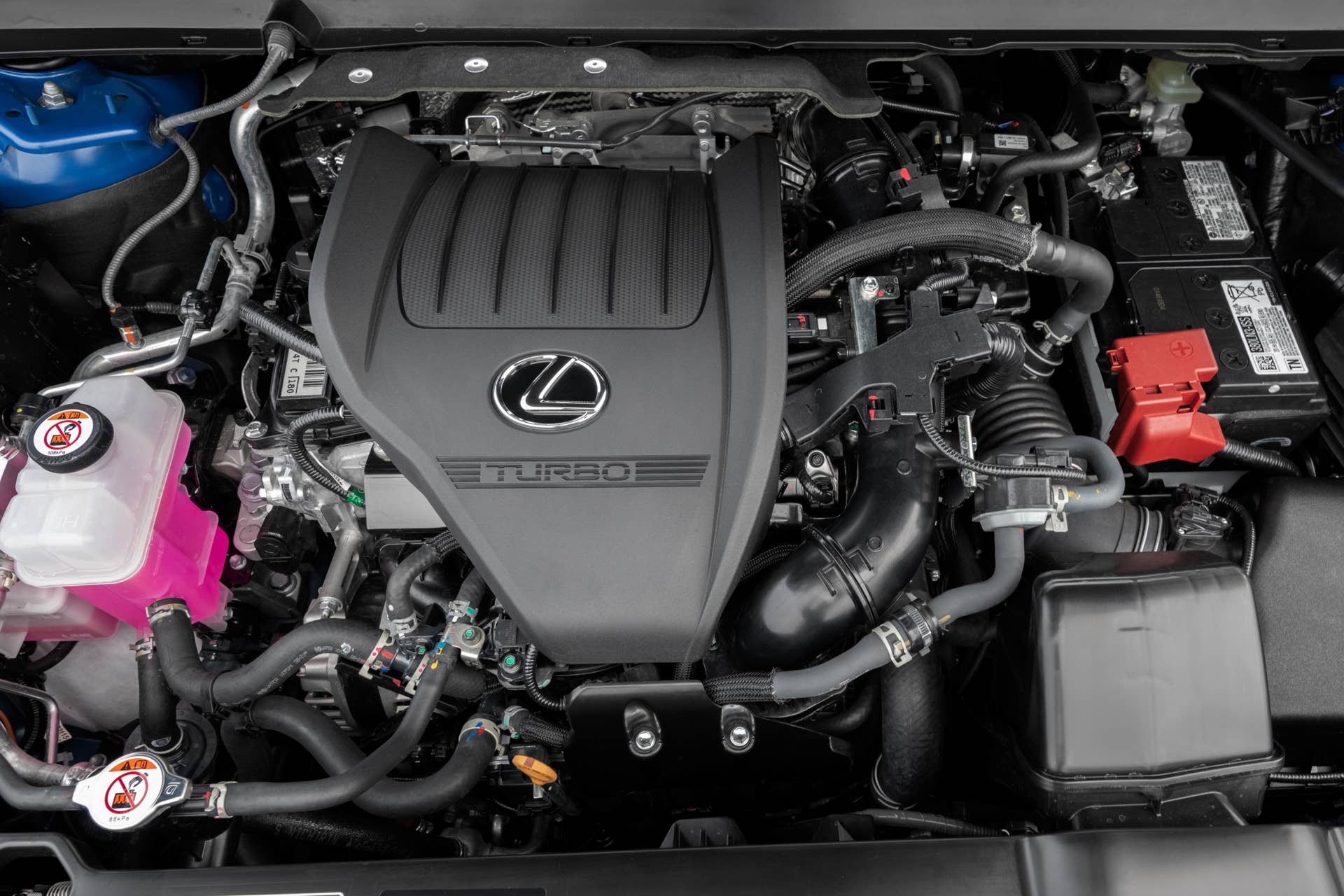
To maintain the performance, reliability, and resale value of your Lexus RX 350, you must adhere to a disciplined maintenance schedule focusing on fluid integrity, filtration efficiency, and component inspection. Prioritizing engine oil changes, transmission fluid health, and braking system checks ensures that your luxury SUV continues to meet Lexus’s rigorous engineering standards throughout its operational lifespan.
The Importance of Preventive Care
The Lexus RX 350 is renowned for its durability, yet this reputation is contingent upon strict adherence to the manufacturer’s recommended service intervals. Ignoring minor maintenance tasks can lead to accelerated wear on the V6 engine, transmission components, and suspension geometry. By focusing on these seven core maintenance areas, you protect your vehicle against premature failure and ensure optimal fuel efficiency and safety.
1. Engine Oil and Filter Replacement
The lifeblood of the Lexus RX 350’s V6 engine is high-quality synthetic oil. Under standard driving conditions, Lexus recommends oil changes every 10,000 miles or 12 months; however, if you frequently drive in stop-and-go traffic, tow loads, or live in extreme climates, a 5,000-mile interval is advisable.
When choosing oil, always ensure it meets the specific viscosity grade specified in your owner’s manual, typically 0W-20 for most recent models. Using the correct OEM-grade filter is equally critical, as low-quality aftermarket filters may lack the bypass valve pressure ratings or filtration media density required to protect the engine’s internal bearings during cold starts.
2. Transmission Fluid Inspection and Service
Many modern vehicles claim "lifetime" transmission fluid, but professional technicians often recommend a drain-and-fill service every 60,000 to 90,000 miles, especially for vehicles subjected to hilly terrain or heavy passenger loads. Over time, heat cycles break down the fluid’s viscosity and friction modifiers, which can lead to delayed shifting or internal slippage. Because the RX 350 utilizes a sophisticated automatic transmission, using the exact Toyota/Lexus World Standard (WS) fluid is non-negotiable. Never use a "universal" transmission fluid, as it can cause seal degradation and irreparable damage to the torque converter.
3. Brake System Maintenance
The RX 350 is a heavy vehicle, placing significant thermal demand on the braking system. Maintenance extends beyond simply replacing brake pads. Every 15,000 to 20,000 miles, ensure the brake pad thickness is measured and the sliding pins in the calipers are lubricated.
Furthermore, brake fluid is hygroscopic, meaning it absorbs moisture from the atmosphere. Moisture in the lines leads to corrosion of the ABS module and a "spongy" brake pedal feel. A full brake fluid flush every two to three years—or 30,000 miles—is an essential, often overlooked, safety requirement that maintains firm pedal response and protects the master cylinder and wheel cylinders.
4. Engine and Cabin Air Filtration
Air filtration is a dual-component requirement. The engine air filter protects the intake manifold and throttle body from dust and debris; a clogged filter restricts airflow, forcing the engine to work harder and reducing fuel economy. Replace this every 30,000 miles, or more frequently if you reside in dusty environments.
The cabin air filter, typically located behind the glove box, prevents allergens and road debris from entering the climate control system. Replacing this annually ensures that your HVAC system remains efficient, preventing foul odors and ensuring the blower motor does not overwork due to restricted air intake.
5. Cooling System Integrity
The engine cooling system is responsible for regulating the temperature of the V6 engine. Over time, the chemical inhibitors in the coolant (specifically Toyota Long Life or Super Long Life coolant) deplete, leading to internal radiator corrosion and potential water pump failure. Inspect the coolant reservoir levels during every oil change and check the hoses for signs of bulging or cracking. A full cooling system flush is recommended at the 100,000-mile mark, though inspections for leaks should occur during every major service interval.
6. Suspension and Tire Care
The Lexus RX 350 is engineered for a smooth, quiet ride. This comfort relies heavily on the health of the suspension bushings, struts, and shocks. During tire rotations—recommended every 5,000 to 7,500 miles—have a technician perform a visual inspection of the suspension components. Look for signs of "wet" shocks, which indicate a seal leak, or torn rubber bushings, which can lead to clunking noises and uneven tire wear. Proper tire pressure monitoring and alignment checks are essential to preserving the handling characteristics Lexus owners expect.
7. Battery and Electrical System Health
With the increasing integration of complex electronics in the RX 350, a stable electrical system is vital. A weak battery can cause intermittent "ghost" electrical faults and may struggle to turn over the engine in cold weather. Use a multimeter to check the battery’s health annually, particularly after the battery reaches its three-year mark. If the terminals show signs of white or blue corrosion, clean them with a terminal brush and a solution of baking soda and water to ensure a strong connection.
Maintenance Comparison Summary
| Task | Recommended Interval | Key Benefit |
|---|---|---|
| Engine Oil & Filter | 5k - 10k Miles | Engine longevity and efficiency |
| Transmission Fluid | 60k - 90k Miles | Smooth shifting and gear protection |
| Brake Fluid Flush | 30k Miles | Safety and ABS module longevity |
| Cabin Air Filter | Every 12 Months | Air quality and HVAC performance |
| Engine Air Filter | 30k Miles | Optimal combustion and fuel economy |
| Tire Rotation | 5k - 7.5k Miles | Even tread wear and handling |
| Battery Inspection | Every 12 Months | Reliable starting and system stability |
Frequently Asked Questions
Does the Lexus RX 350 require premium fuel? Most Lexus RX 350 models are designed to run on regular unleaded gasoline (87 octane). However, check your specific model year’s owner’s manual, as some high-performance variants or specific regional tunings may suggest or require higher octane to prevent engine knocking and ensure rated horsepower.
When should I replace the timing belt? Most modern Lexus RX 350 models utilize a timing chain, which is designed to last the life of the engine. Unlike older vehicles with rubber timing belts that require replacement every 90,000 miles, the chain generally does not require service unless you hear persistent rattling or metallic tapping from the timing cover area.
Can I perform these maintenance tasks myself? If you have basic mechanical knowledge and the appropriate tools, tasks like oil changes and air filter replacements are DIY-friendly. However, tasks involving brake fluid or cooling system flushes require specialized equipment and careful disposal of hazardous materials. When in doubt, consult a professional technician.
How do I know if my RX 350 needs an alignment? If the vehicle pulls to one side on a flat road, or if you notice "feathering" wear on the edges of your tires, your alignment is likely out of specification. Have it checked immediately to avoid premature tire replacement.
Where can I find the official maintenance schedule for my specific year? The most reliable source for your specific vehicle’s requirements is the "Lexus Scheduled Maintenance" log provided in your owner’s manual packet. You can also input your VIN into the official Lexus Drivers portal to access digital service records and factory-recommended intervals specific to your VIN.
Professional Guidance
Regular maintenance is an investment in the longevity of your vehicle. While it may be tempting to defer service, the cost of repairing components damaged by neglect—such as a seized brake caliper or a fouled engine—is significantly higher than the cost of routine, proactive maintenance. Always keep receipts and records of all work performed; this documentation is essential for warranty claims and future resale value. If you notice any unusual noises, vibrations, or warning lights on your dashboard, address them immediately rather than waiting for the next scheduled interval.