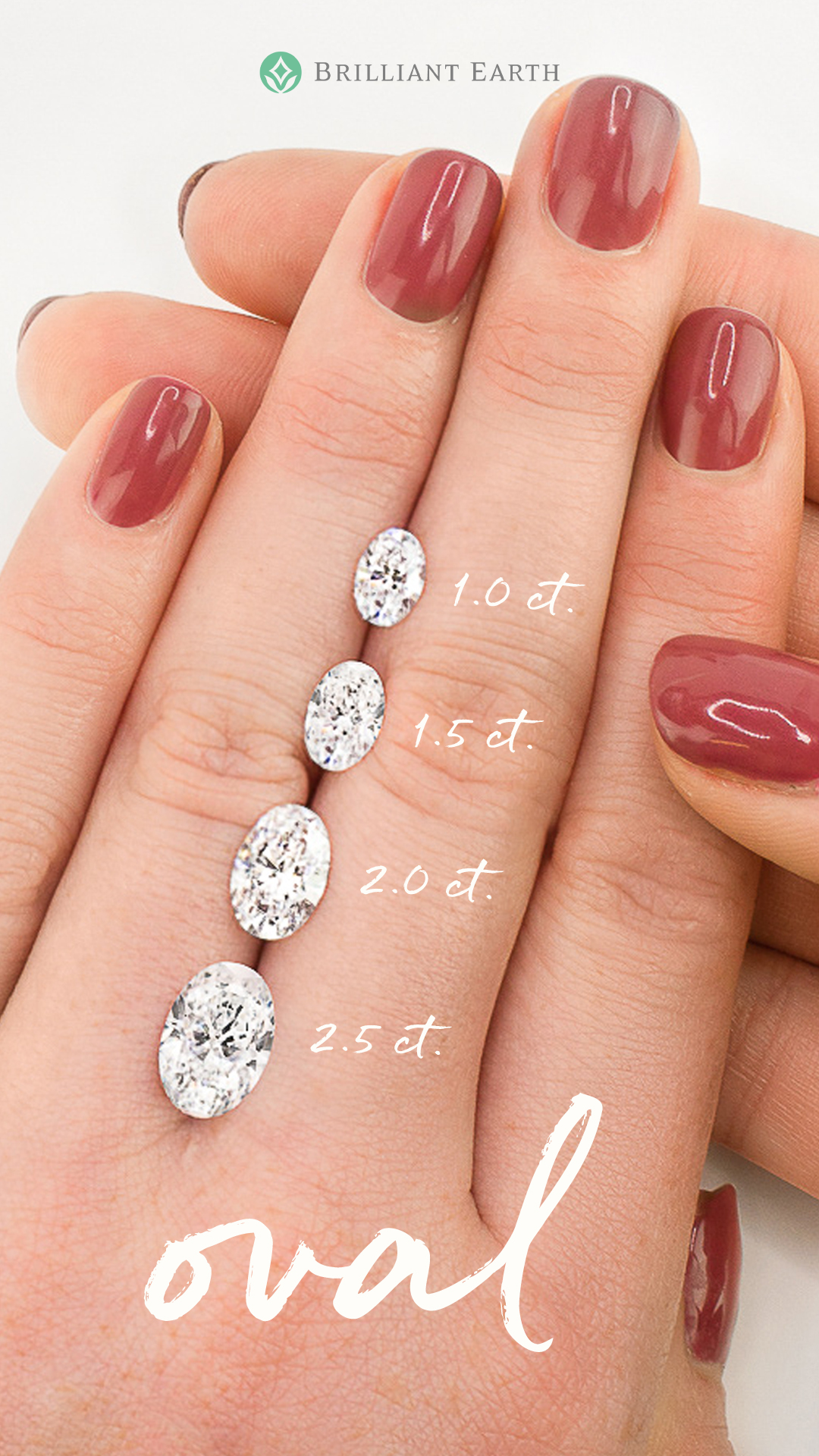
A 7-carat diamond or gemstone ring on a finger creates a dramatic, high-impact visual presence that heavily dominates standard finger proportions. Because a 7-carat stone weighs 1.4 grams and features a significantly expanded surface area depending on its cut, it completely changes hand ergonomics, requires a secure mounting, and demands careful consideration of finger size, shape, and daily lifestyle practicality.
Introduction to the 7-Carat Diamond Scale
Evaluating a 7-carat ring on a finger moves a buyer into the upper tier of fine jewelry. While a standard engagement ring often sits comfortably in the 1-to-2-carat range, a 7-carat center stone belongs to the category of statement pieces, celebrity-style jewelry, and high-end investment assets. To understand what a 7-carat ring actually looks like when worn, one must look beyond carat weight—which measures mass rather than physical dimensions—and evaluate millimeters, face-up surface area, hand proportions, and structural engineering.
Carat weight does not scale linearly with visual size. A diamond's millimeter spread depends heavily on its cut grade, depth percentage, and geometric shape. For example, an elongated cut like a marquise or oval will span a much greater distance along the finger than a deep, traditional round brilliant cut of the exact same weight.
Furthermore, wearing a stone of this magnitude introduces practical considerations that do not apply to smaller rings. Issues such as stone spinning, prong security, clothing snagging, and physical comfort during manual tasks become immediate priorities. This guide explores the visual impact of a 7-carat ring on various hand types, the physical and mechanical requirements of setting such a large stone, cost variables, and everyday wearability factors.
Physical Dimensions and Visual Impact
When a 7-carat stone rests on a finger, its physical footprint is substantial. To understand this scale, it is helpful to review the average millimeter dimensions of popular diamond shapes at the 7-carat threshold.
Millimeter Spread Across Popular Cuts
The face-up appearance of a diamond dictates its visual dominance on the hand. A round brilliant cut diamond at 7 carats typically measures approximately 12 millimeters in diameter. To put this into perspective, 12 millimeters is nearly half an inch of pure sparkling surface sitting directly on top of the finger.
Elongated shapes offer an even greater illusion of size. An oval or pear-shaped 7-carat diamond often measures roughly 14 by 9.5 millimeters or larger, stretching elegantly along the length of the finger. Emerald cuts, with their large, open table facets, provide a hall-of-mirrors effect that showcases exceptional clarity while spanning roughly 13 by 9 millimeters.
Finger Coverage and Proportions
Finger size plays a critical role in how a 7-carat ring looks. On a slender finger (size 3 to 5), a 12-to-14-millimeter stone will cover a vast majority of the finger's width, often extending past the edges of the band and hiding the knuckle or adjacent skin. On average to larger fingers (size 7 to 9), the stone still commands absolute attention, but the surrounding metal band has more room to breathe, balancing the overall aesthetic.
| Diamond Shape | Approx. Dimensions (mm) | Visual Effect on Finger |
|---|---|---|
| Round Brilliant | ~12.0 x 12.0 | Maximal center focus, classic |
| Oval | ~14.0 x 9.5 | Elongating, highly dramatic |
| Emerald Cut | ~13.0 x 9.0 | Architectural, expansive table |
| Cushion Cut | ~11.5 x 11.5 | Soft-edged, chunky brilliance |
| Marquise | ~16.0 x 8.0 | Maximum finger-length coverage |
Structural Engineering and Setting Requirements
A 7-carat diamond or gemstone carries significant physical weight. Putting this much mass onto a delicate wire band is an engineering failure waiting to happen. Proper setting design and metal selection are mandatory for structural integrity.
Choosing the Right Metal
For a 7-carat ring, platinum or 18k white, yellow, or rose gold are the standard choices. Platinum is exceptionally dense and durable, making it the premier choice for securing high-carat stones because it holds prongs firmly in place over decades without wearing down as quickly as gold. However, some wearers prefer 18k gold for its warmer tones or slightly lighter feel, though it requires more frequent inspection of the prongs by a professional jeweler.
Prong Count and Security
A standard 4-prong setting, while popular for smaller stones, is generally insufficient for a 7-carat center stone. Most high-end jewelers recommend at least 6 prongs for round or cushion cuts, or specialized double-prongs (v-prongs or split prongs) for fancy shapes like pears, radiants, and hearts. These additional points of contact distribute the pressure across the girdle of the diamond, ensuring that accidental impacts do not dislodge the stone.
Additionally, incorporating a hidden halo, gallery reinforcement, or a robust basket setting helps support the high center of gravity. Without proper structural support, a top-heavy 7-carat ring will constantly lean to one side on the finger.
Daily Wearability and Practical Challenges
Wearing a 7-carat ring on a finger every day requires lifestyle adjustments. The sheer physical profile introduces several challenges that owners must navigate.
The Spinning Problem
Because a 7-carat stone is heavy, gravity naturally pulls the ring toward the palm side of the hand, causing it to spin constantly. To combat this, jewelers often recommend specific structural modifications:
- Euro Shanks: A slightly square-shaped band that naturally rests flat against the base of the finger.
- Sizing Beads: Small metal spheres soldered inside the bottom of the band to grip the finger gently.
- Hinged Shanks: Specialized expanding shanks designed for knuckles that are significantly larger than the base of the finger.
Snagging and Activity Restrictions
A stone of this size sits high off the finger to allow light to enter the pavilion and maximize brilliance. This elevated profile makes the ring prone to catching on sweaters, delicate fabrics, pocket linings, and bedsheets. Most individuals with 7-carat rings adopt a lifestyle habit of removing the ring during rigorous physical activity, heavy cleaning, gym workouts, and sleeping to prevent structural damage, claw loosening, or stone scratching.
Financial Considerations and Valuation
Acquiring a 7-carat ring involves substantial financial investment. Unlike smaller stones, which are mined in high volumes, gem-quality diamonds in the 7-carat bracket are exceptionally rare.
Price is dictated heavily by the 4Cs (Cut, Color, Clarity, and Carat weight), but pricing at this scale does not increase linearly; it scales exponentially. A diamond with high color (D-F) and high clarity (VVS-IF) in a 7-carat size commands a geometric price premium due to its extreme scarcity in nature. Buyers frequently explore lab-grown alternatives or high-quality colored gemstones (such as sapphires, emeralds, or moissanite) to achieve the same dramatic 7-carat finger presence at a fraction of the cost of a mined diamond.
Insuring a 7-carat ring is a mandatory step. Standard homeowners insurance policies rarely cover high-value jewelry adequately. Owners must secure a dedicated jewelry insurance policy through specialized providers (such as Jewelers Mutual) based on a certified appraisal.
Frequently Asked Questions
How much does a 7-carat diamond ring weigh in grams?
A 7-carat diamond weighs exactly 1.4 grams, as one carat is defined as 200 milligrams. However, the total weight of the ring will be higher once you factor in the precious metal of the band and any accent stones, such as side diamonds or a pave halo.
Does a 7-carat ring look too big for everyday wear?
Visual perception is subjective. While some individuals wear a 7-carat ring daily as a signature piece, others find the size too cumbersome for routine office work, commuting, or casual errands. Many people reserve 7-carat rings for special occasions or travel with a smaller replica ring.
What is the best finger shape for a 7-carat ring?
Longer fingers naturally balance the massive face-up spread of a 7-carat stone. However, shorter or smaller fingers can still wear a 7-carat ring successfully by choosing elongated cuts like ovals, radiants, or marquise shapes, which create a flattering visual illusion of length.
Can you set a 7-carat diamond on a thin pave band?
While thin bands are currently fashionable, pairing a delicate 1.5mm pave band with a 7-carat center stone is structurally hazardous. The weight of the stone will easily warp a thin band, risking stone loss. Jewelers recommend a minimum band thickness and width of 2.5mm to 3mm for adequate structural support.
Conclusion and Next Actions
A 7-carat ring on a finger is an extraordinary statement of personal style, engineering mastery, and significant financial investment. Before committing to a purchase, visit a reputable jeweler to try on dummy stones or comparable carat sizes to evaluate how the physical weight and visual footprint feel on your hand. Prioritize a robust 6-prong or custom basket setting, select a durable metal like platinum, and ensure you obtain a certified appraisal immediately for comprehensive insurance coverage.