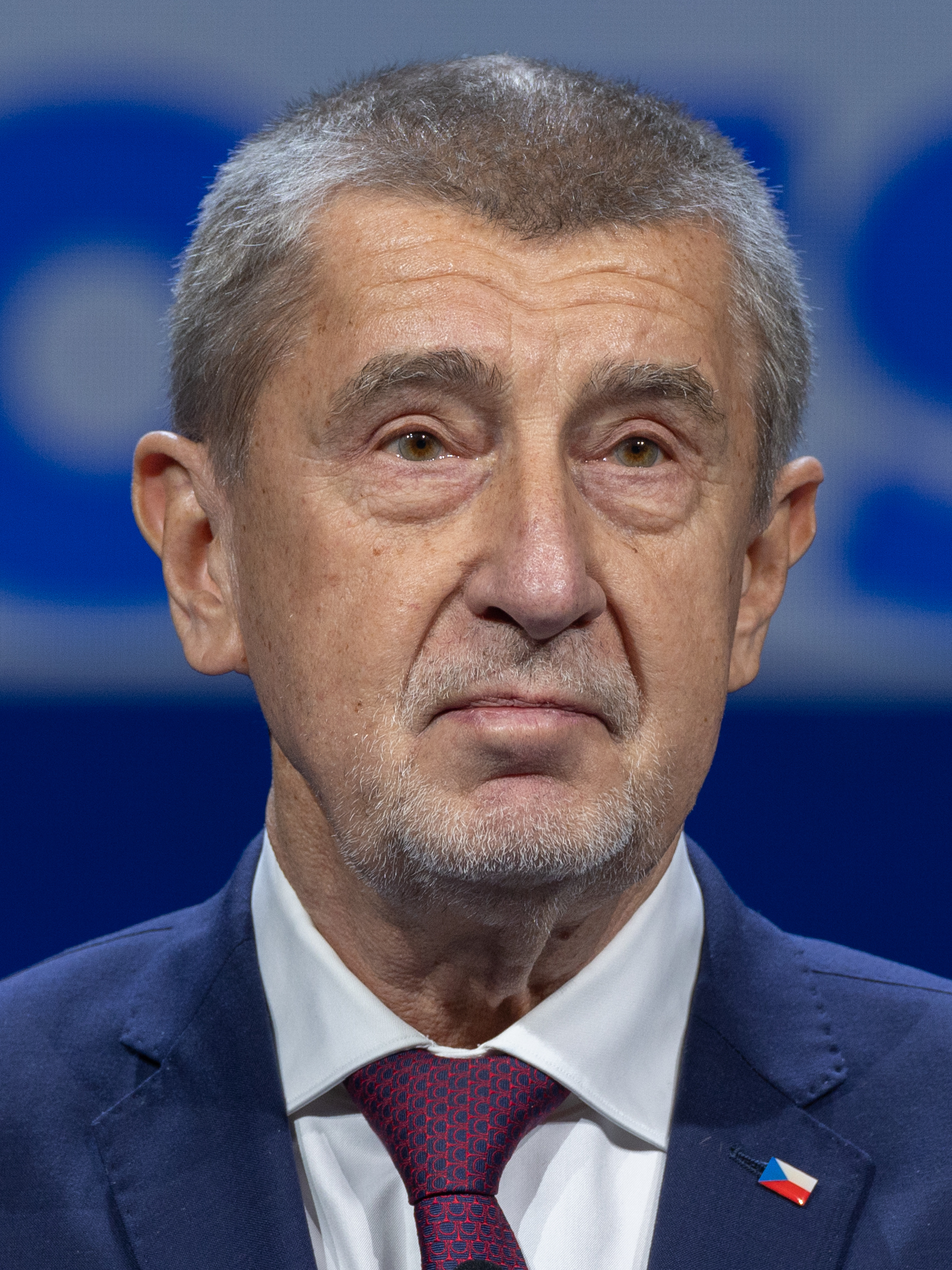
As of 2026, Andrej Babiš remains one of the most prominent and wealthiest figures in Central Europe, with an estimated net worth fluctuating between $4.4 billion and $4.9 billion. His fortune is primarily tied to the Agrofert conglomerate, which he transferred into two discretionary trust funds—AB Private Trust I and AB Private Trust II—to comply with Czech conflict-of-interest legislation. While his liquid assets increased following the strategic sale of his media holdings and specific chemical plants in previous years, the core of his wealth continues to be driven by the agricultural, food processing, and chemical industries.
The Foundation of Wealth: The Agrofert Conglomerate in 2026
To understand Andrej Babiš's net worth in 2026, one must first analyze the current state of Agrofert. Since its founding in 1993, the company has grown from a small fertilizer trading firm into a massive holding company comprising over 250 subsidiaries. In 2026, Agrofert remains a dominant force in the European market, particularly in the Czech Republic, Slovakia, Germany, and Hungary.
The Chemical Sector: The Profit Engine
The chemical division of Agrofert historically provides the largest share of the group's EBITDA (Earnings Before Interest, Taxes, Depreciation, and Amortization). In 2026, despite the volatile energy markets of the mid-2020s, key companies like SKW Piesteritz in Germany and Duslo in Slovakia continue to be pivotal. These entities are major producers of nitrogen fertilizers and AdBlue, a critical component for modern diesel engines.
The valuation of these assets in 2026 is heavily influenced by natural gas prices. Because natural gas is a primary feedstock for nitrogen-based fertilizers, any stabilization in European energy costs directly bolsters Babiš's paper wealth. Furthermore, Deza, a chemical plant specializing in the processing of crude coal tar and crude benzole, remains a high-value asset due to its specialized niche in the European industrial supply chain.
Agriculture and Food Processing: Vertical Integration
Agrofert’s "from field to fork" strategy provides a level of economic resilience that few other billionaires in the region possess. In 2026, Babiš’s interests span hundreds of thousands of hectares of managed land, seed production, and massive food processing entities such as Penam (bakery products) and Kostelecké uzeniny (meat processing).
The valuation of the food sector has seen a steady rise through 2025 and 2026 due to increased food security concerns within the European Union. As a major recipient of both national and EU agricultural subsidies, the agricultural arm of the trust provides a consistent cash flow that supports the broader conglomerate's valuation.
Strategic Divestments and Liquidity: The Post-2024 Shift
A significant turning point for Babiš’s financial portfolio occurred in late 2023 and early 2024, following the tightening of the "Lex Babiš" conflict-of-interest laws. To remain active in politics while protecting the business, the trusts divested major assets.
The Sale of MAFRA and Synthesia
The sale of the media group MAFRA (which included major newspapers like Mladá fronta DNES and Lidové noviny) and the chemical producer Synthesia to the KAPRAIN group, owned by billionaire Karel Pražák, significantly altered the composition of Babiš's wealth.
In 2026, the proceeds from this multi-billion CZK transaction have been largely reinvested into the core industrial sectors or held as liquid reserves. This move reduced the political risk associated with his portfolio, as owning influential media outlets while serving in high public office had become a legal and public relations liability. The valuation of Babiš’s wealth in 2026 reflects this transition from media influence to industrial and liquid capital.
| Asset Category | Primary Entities | Estimated Value Contribution (2026) |
|---|---|---|
| Chemicals | SKW Piesteritz, Duslo, Deza, Precheza | 45% - 50% |
| Agriculture | Agropodnik, Primagra, various farm holdings | 20% - 25% |
| Food Processing | Penam, Kostelecké uzeniny, Olma | 15% - 20% |
| Liquid Assets/Investments | Proceeds from MAFRA/Synthesia sale, Real Estate | 10% - 15% |
Legal and Political Impact on Valuation
As a former Prime Minister and a central figure in the ANO 2011 party, Babiš’s wealth is inextricably linked to the political and legal environment. In 2026, several factors influence his financial standing:
- Conflict of Interest Compliance: The use of trust funds (AB Private Trust I and II) is the primary mechanism through which Babiš maintains beneficial ownership without violating the letter of the law regarding executive power and business ownership. The 2026 valuation accounts for the "political discount" often applied to assets held by politically exposed persons (PEPs).
- EU Subsidy Eligibility: A significant portion of Agrofert's profitability relies on EU subsidies. In 2026, the resolution of long-standing audits regarding potential conflicts of interest has stabilized the flow of these funds, providing a more predictable forecast for the conglomerate's earnings.
- Judicial Proceedings: Historically, Babiš faced numerous legal challenges, most notably the "Stork's Nest" (Čapí hnízdo) case. By 2026, the legal outcomes of these cases—regardless of the verdict—have provided the market with much-needed certainty, allowing for a more accurate valuation of his brand and business interests.
The Role of Hartenberg Holding
While Agrofert is the primary vehicle for Babiš’s wealth, Hartenberg Holding represents his foray into private equity and venture capital. In 2026, Hartenberg’s investments in healthcare, particularly in assisted reproduction clinics (FutureLife), and the e-commerce and retail sectors have matured significantly.
These investments are managed separately from the core Agrofert industrial assets and focus on high-growth sectors. The expansion of FutureLife into a leading European provider of fertility services has added a high-margin, service-oriented dimension to Babiš’s net worth, diversifying him away from the capital-intensive and energy-dependent chemical sector.
Comparative Context: Babiš vs. Regional Peers
In the landscape of 2026, Andrej Babiš remains among the top five wealthiest Czechs, often competing for the top spots with figures like Renáta Kellnerová (PPF Group) and Daniel Křetínský (EPH).
Unlike Křetínský, whose wealth has surged through massive investments in European energy infrastructure and retail (e.g., Metro AG, Casino), Babiš’s wealth is more traditional and tied to physical production and land. This makes his net worth less susceptible to stock market volatility but more sensitive to regulatory changes in the EU Green Deal and agricultural policy.
Impact of the Green Deal
In 2026, the "Green Deal for Europe" presents both a risk and an opportunity for Babiš. His chemical plants have had to invest heavily in decarbonization and carbon capture technologies. Companies like Precheza, a major producer of titanium dioxide, have adapted their processes to meet stricter environmental standards. These capital expenditures (CAPEX) initially weighed on valuation but have positioned the group as a survivor in a consolidating European industrial market.
Financial Transparency and Verification
The transparency of Andrej Babiš's wealth is moderated by the private nature of the Agrofert holding and the trust structures. However, Agrofert’s annual reports and disclosures required by the Czech Ministry of Justice provide the basis for these 2026 estimates. Financial analysts look at the debt-to-equity ratios within the trusts, which have historically remained healthy due to the conglomerate’s strong asset base.
The 2026 valuation also considers the performance of the Czech Koruna (CZK) against the Euro (EUR) and US Dollar (USD). As a significant exporter, Agrofert benefits from a balanced currency position, though domestic inflation in the Czech Republic remains a factor in operational costs.
Frequently Asked Questions
Does Andrej Babiš still own Agrofert in 2026?
Technically, no. In 2026, Agrofert is owned by two trust funds, AB Private Trust I and AB Private Trust II. Andrej Babiš is the founder and the sole beneficiary of these trusts, meaning he is the ultimate owner of the economic benefits, although he does not exercise day-to-day management of the companies to comply with Czech law.
How much of his wealth is in cash?
While the majority of Babiš's wealth is tied up in industrial assets and land, his liquidity significantly increased after the sale of MAFRA and Synthesia in 2023/2024. Estimates suggest he holds between $400 million and $600 million in highly liquid assets or cash equivalents as of 2026, which provides a buffer for further private investments or political campaigning.
How did the 2025 elections affect his net worth?
The 2025 legislative elections in the Czech Republic had a stabilizing effect on his net worth. Regardless of whether his party, ANO, is in government or opposition, the clarity of the political landscape in 2026 has reduced the "uncertainty premium" that previously affected his business valuations.
What is his most valuable single asset?
The most valuable component of his portfolio remains SKW Piesteritz, the German chemical giant. As one of Europe's largest producers of urea and ammonia, its market position is vital for European agriculture, making it a "crown jewel" that accounts for a substantial portion of the trust's total valuation.
Is Andrej Babiš the richest person in the Czech Republic?
In 2026, he consistently ranks in the top three. While he often trails Renáta Kellnerová, who inherited the PPF empire, he remains the wealthiest individual in the country who is also a high-profile active political leader.
Next Actions for Interested Observers
For those tracking the financial influence of Andrej Babiš, the next logical step is to monitor the Agrofert Consolidated Annual Report for the previous fiscal year, typically released in the second quarter. Furthermore, tracking the "Beneficial Owner" registries in the Czech Republic and the EU will provide updated insights into any changes in the trust structures. Investors and analysts should also keep a close eye on natural gas futures on the Dutch TTF hub, as this remains the single largest external variable affecting the profitability of Babiš’s chemical holdings.