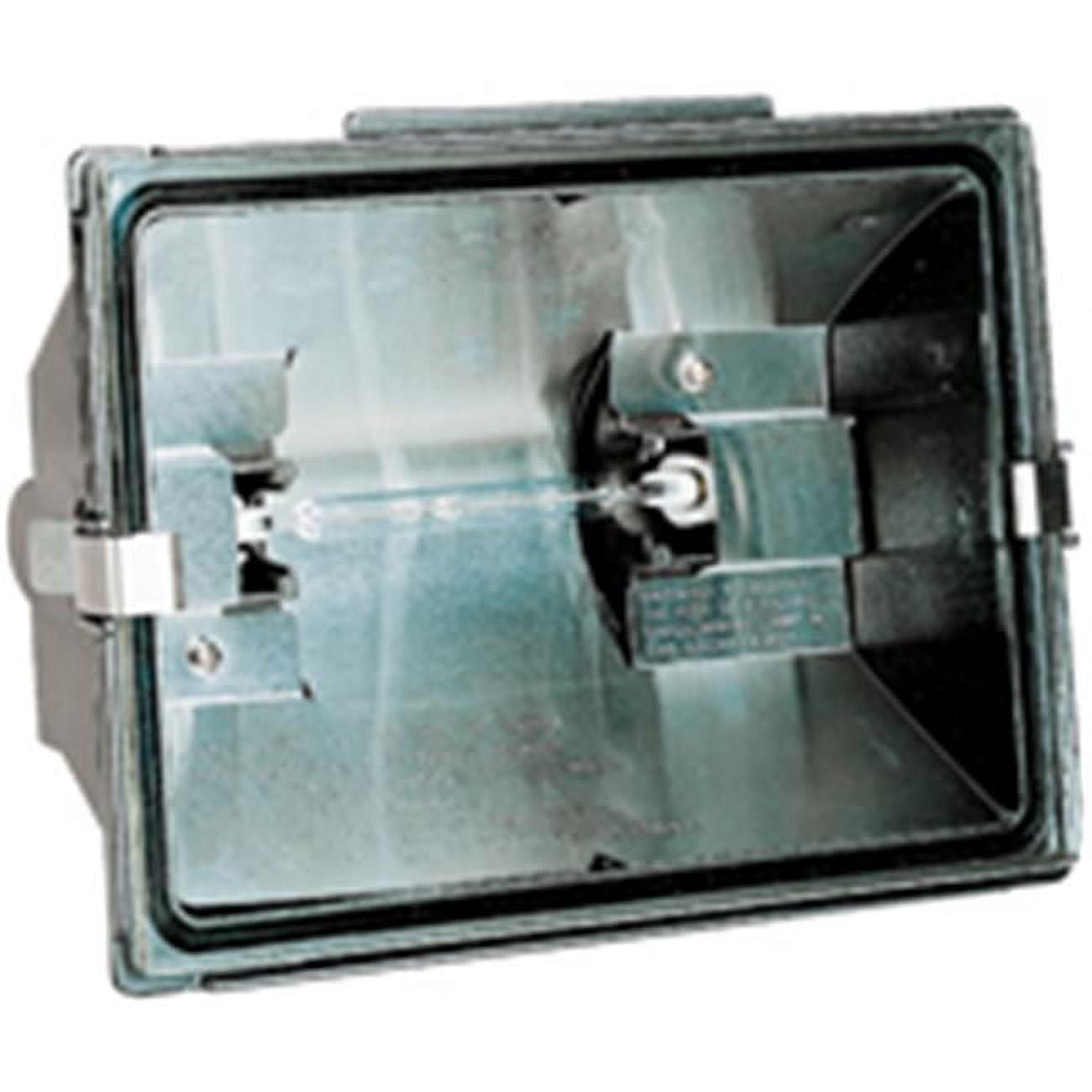
A 500 watt halogen flood light is a high-intensity lighting fixture that uses a halogen incandescent bulb to project a wide, bright beam over large outdoor spaces, job sites, and commercial perimeters, though it generates substantial heat and consumes significant energy compared to modern LED alternatives.
Introduction to the 500 Watt Halogen Flood Light
For decades, the 500 watt halogen flood light has served as a workhorse for outdoor illumination, security lighting, and temporary construction work. Known for its brilliant, warm-toned white light and instant-on capabilities, this fixture type remains a familiar sight in hardware stores, utility sheds, and architectural installations. However, navigating the world of high-output halogen lighting requires understanding its electrical demands, strict thermal management rules, and the shifting landscape of energy regulations.
While light-emitting diode (LED) technology has captured a substantial share of the lighting market, traditional halogen flood lights still hold specific utility for users needing high color rendering, immediate full brightness in sub-zero temperatures, and budget-upfront accessibility. This guide explores the mechanical structure, electrical requirements, safety protocols, operational costs, and maintenance procedures associated with the 500 watt halogen flood light. Whether you are troubleshooting an existing fixture or deciding between replacing a burnt bulb and upgrading your entire lighting system, examining the performance metrics of these classic units provides crucial clarity.
Understanding Halogen Technology and Output Characteristics
To appreciate why a 500 watt halogen flood light performs the way it does, it helps to examine the underlying physics of the halogen incandescent lamp. Unlike standard incandescent bulbs that lose tungsten through evaporation—darkening the glass wall over time—halogen lamps use a regenerative chemical cycle. Halogen gas (typically iodine or bromine) is sealed inside a quartz capsule alongside the tungsten filament. When the tungsten atoms evaporate, they combine with the halogen gas atoms, forming a compound that circulates back to the hot filament, where it dissociates, returning the tungsten to the filament and extending bulb life relative to standard incandescents.
Luminous Efficacy and Light Quality
A typical 500 watt linear halogen double-ended bulb (such as the standard R7s base T3 bulb) produces approximately 8,000 to 9,500 lumens. This translates to an efficacy of roughly 16 to 19 lumens per watt, which is modest compared to modern LEDs that often exceed 100 lumens per watt.
Despite the lower efficiency, halogen lighting offers a color rendering index (CRI) of nearly 100. This means the light emitted provides an exceptionally natural and accurate representation of colors, making these fixtures popular for photography, detailed nighttime construction work, and security applications where color identification of objects or intruders matters.
Color Temperature
Halogen flood lights typically operate at a color temperature of around 2,900K to 3,000K. This produces a warm, yellowish-white light that contrasts sharply with the cooler, bluish-white light (5,000K to 6,500K) common in many commercial LED flood lights. For residential backyards or architectural accent lighting, this warm spectrum is often preferred for its aesthetic appeal, though it lacks the stark daylight simulation of higher Kelvin ratings.
Technical Specifications and Electrical Requirements
Operating a 500 watt halogen flood light safely requires close attention to electrical loads and wiring infrastructure. Because the fixture draws significant current, improper installation or overloading can lead to tripped breakers, damaged wiring, or fire hazards.
| Specification Parameter | Typical Value / Requirement |
|---|---|
| Power Consumption | 500 Watts |
| Voltage | 120V AC (Standard US Residential) / 230V-240V AC (International) |
| Current Draw (at 120V) | ~4.17 Amps |
| Luminous Flux | 8,000 – 9,500 Lumens |
| Bulb Base Type | R7s (Double-Ended Linear T3) |
| Operating Temperature | Up to 500°C (932°F) on quartz capsule surface |
| Average Rated Lifespan | 1,500 – 2,000 Hours |
Circuit Load Considerations
At a standard household voltage of 120 volts, a single 500 watt fixture draws roughly 4.17 amperes of current ($I = P / V$). While a standard 15-ampere branch circuit can technically support up to 1,800 watts (or 1,440 watts under continuous load rules limiting circuits to 80% capacity), running multiple 500 watt fixtures on the same circuit will quickly trigger a circuit breaker. If you are setting up portable dual-head work lights totaling 1,000 watts (8.34 amps), you must ensure the outlet and extension cords are rated to handle the load without overheating.
Extension Cord Safety
Using light-duty extension cords with high-wattage halogen fixtures is a frequent cause of electrical fires. A 500 watt load demands a heavy-gauge cord. For runs under 50 feet, a 14-gauge (14 AWG) cord is typically acceptable, but a 12-gauge (12 AWG) or heavier cord is recommended to minimize voltage drop and prevent the cord insulation from melting under sustained current flow. Never coil extension cords while in use under load, as coiling creates an inductive heating loop.
Thermal Dynamics and Safety Management
The defining characteristic—and primary hazard—of a 500 watt halogen flood light is extreme heat. While standard incandescent bulbs convert about 10% of their energy into visible light, the rest becomes heat. Halogen bulbs operate at significantly higher internal pressures and temperatures than standard bulbs to sustain the halogen cycle, resulting in quartz glass envelope temperatures that frequently exceed 500°C (932°F).
The Danger of Skin Oils
The quartz glass capsule of a halogen bulb must never be touched with bare fingers. The microscopic residue of human skin oils (primarily sodium and other salts) deposits on the quartz surface. When the lamp heats up, these oils create a localized hot spot on the quartz envelope. This intense thermal stress causes the quartz to crystallize and weaken, frequently resulting in premature bulb rupture or explosion. If you accidentally touch a bulb, clean it thoroughly with isopropyl alcohol and a lint-free cloth before turning the fixture on.
Enclosures and Protective Shields
Outdoor halogen flood lights must always be operated with their protective tempered glass lens cover securely in place. This lens serves multiple purposes:
- It shields the quartz capsule from direct contact with rain, sprinklers, or wind-blown debris, which can cause thermal shock and shatter the hot glass.
- It blocks a significant portion of ultraviolet (UV-C and UV-B) radiation emitted by the high-temperature quartz filament.
- It acts as a physical containment barrier should the bulb shatter at the end of its lifespan.
Placement and Clearance Guidelines
Because of radiant heat emission, positioning a 500 watt halogen flood light requires strict adherence to spatial clearances.
- Keep fixtures at least 3 to 6 feet away from combustible materials such as dry leaves, wooden fences, canvas awnings, or paper products.
- Ensure adequate ventilation around the housing unit. Recessed or tightly enclosed mounting locations without airflow can trap heat, causing premature ballast or wiring insulation failure.
- Mount fixtures out of reach of children and pets to prevent accidental contact with the scorching metal housing.
Practical Applications and Use Cases
Despite the market dominance of energy-efficient lighting, 500 watt halogen flood lights continue to serve specific niches where their unique operational profile provides distinct advantages.
Temporary Construction and Job Site Lighting
Contractors and DIY renovators frequently rely on portable 500 watt dual-head halogen work lights. In unheated, unpowered, or newly framed buildings during winter months, these fixtures provide two crucial outputs simultaneously: bright working illumination and ambient heat. Their rugged metal stands, adjustable tilting heads, and ability to function instantly in freezing temperatures make them durable assets for rough job-site environments where delicate electronic LEDs might suffer from driver failures or thermal management issues in enclosed spaces.
Perimeter and Security Lighting
For large rural properties, agricultural yards, or commercial perimeters, wall-mounted 500 watt halogen flood lights paired with motion sensors provide blindingly bright coverage. The sudden burst of intense light acts as an effective deterrent against wildlife and trespassers. Furthermore, the warm color spectrum renders natural tones accurately, allowing property owners to easily distinguish details on security camera footage compared to the monochromatic or unnatural green/blue tint of older low-pressure sodium or cheap LED alternatives.
Event and Specialty Photography
In budget-conscious photography and videography, older halogen work lights are sometimes repurposed as continuous scene illumination. The high CRI ensures realistic skin tones and color accuracy without the flickering issues associated with inexpensive fluorescent tubes or early-generation pulse-width modulation (PWM) dimming LEDs.
Comparative Analysis: Halogen vs. LED Flood Lights
Evaluating whether to purchase, repair, or replace a 500 watt halogen flood light requires a direct comparison against modern LED flood lights of equivalent brightness.
| Comparison Metric | 500 Watt Halogen Flood Light | Equivalent LED Flood Light (50W - 80W) |
|---|---|---|
| Power Consumption | 500 Watts | 50 – 80 Watts |
| Average Bulb/Fixture Lifespan | 1,500 to 2,000 Hours | 25,000 to 50,000 Hours |
| Heat Emission | Extremely High (Surface up to 932°F) | Low to Moderate (Heat sink managed) |
| Initial Purchase Cost | Very Low ($15 – $30) | Moderate ($30 – $80) |
| Color Rendering (CRI) | Excellent (~99 CRI) | Variable (Typically 70 – 85 CRI, premium options higher) |
| Cold Weather Performance | Instant full brightness in any cold | May experience driver startup lag in extreme sub-zero |
| Energy Operating Cost (at $0.15/kWh) | ~$75.00 per 1,000 hours | ~$7.50 to $12.00 per 1,000 hours |
Economic and Environmental Considerations
The primary drawback of the 500 watt halogen flood light is its operational cost. Running a 500-watt fixture for just four hours a night consumes 2 kilowatt-hours (kWh) daily, totaling roughly 60 kWh per month. At an average electricity rate of $0.15 per kWh, a single fixture costs about $9.00 monthly to operate. By contrast, an equivalent LED flood light consuming 60 watts costs roughly $1.08 monthly under the same usage pattern. Over the 25,000-hour lifespan of an LED, the energy savings alone typically offset the initial fixture upgrade cost many times over.
Maintenance, Troubleshooting, and Bulb Replacement
Proper maintenance ensures safe operation and maximizes the lifespan of your halogen lighting hardware. Because these fixtures operate under harsh thermal and electrical conditions, routine checks are essential.
Replacing a Burnt-Out Halogen Bulb
When a 500 watt halogen bulb fails, replacing it requires strict adherence to safety steps:
- Disconnect Power: Unplug the fixture or turn off the dedicated circuit breaker. Never attempt bulb replacement while the circuit is live.
- Allow Complete Cooling: Wait at least 30 to 45 minutes after turning off the light. Attempting to touch a hot halogen bulb will cause severe burns.
- Open the Housing: Release the spring clips or unscrew the frame holding the tempered glass safety lens.
- Remove the Old Bulb: Gently unseat the double-ended R7s bulb by pushing it slightly toward one spring-loaded ceramic end socket and lifting it free.
- Install the New Bulb: Using a clean tissue, cloth, or gloves, insert the new 500W T3 halogen bulb into the ceramic receptacles without touching the quartz glass with bare skin.
- Secure the Lens: Reattach the protective glass cover securely before restoring power.
Troubleshooting Common Issues
- Frequent Bulb Burnouts: If your halogen bulbs are burning out prematurely, check for excessive vibration near the mounting location (such as high-traffic gates or vibrating machinery), ensure the fixture is mounted at the correct angle specified by the manufacturer, and verify that line voltage is not fluctuating above the bulb's rated voltage.
- Fixture Flickering: Inspect the ceramic sockets for carbon buildup, corrosion, or loose spring tension. Over time, the intense heat cycles cause the spring contacts in R7s sockets to lose elasticity, leading to poor electrical contact and arcing. Replace degraded sockets immediately.
Frequently Asked Questions
Can I replace a 500 watt halogen bulb with an LED bulb in the same fixture?
Generally, no. Traditional 500 watt halogen fixtures use linear R7s double-ended bulbs designed to fit specific reflector housings and run directly on line voltage without internal drivers. While LED retrofit bulbs exist for some linear fixtures, most halogen flood housings lack the necessary space for the massive heat sinks required by high-output LED equivalents, leading to rapid overheating and premature LED driver failure. Replacing the entire fixture with an integrated LED flood light is the safest and most reliable approach.
Why do halogen bulbs pop or shatter when they burn out?
As a halogen bulb ages, the tungsten filament thins out unevenly. When the filament finally snaps, it can create a localized electric arc inside the quartz capsule. This sudden surge in temperature and pressure creates a shockwave that can fracture the quartz glass, especially if the outer protective lens is missing or if minor surface contamination has weakened the quartz envelope.
Are 500 watt halogen flood lights banned or restricted?
Regulatory bodies in various jurisdictions—including the United States Department of Energy and the European Union—have progressively phased out the manufacture and importation of inefficient general-service incandescent and standard halogen lamps in favor of high-efficiency lighting standards. However, specific exemptions often apply to certain specialty, portable work, and industrial lighting categories. Check local regulations for up-to-date compliance requirements in your area.
How do I clean a halogen bulb if I accidentally touch it?
If you touch the quartz glass of a halogen bulb with bare fingers, immediately wipe the surface using a clean, lint-free cloth or cotton swab dampened with high-purity isopropyl alcohol (rubbing alcohol). Allow the alcohol to evaporate completely and dry for several minutes before handling the bulb with clean gloves or paper to install it in the fixture.
Conclusion and Next Actions
The 500 watt halogen flood light remains a powerful lighting tool defined by high lumen output, exceptional color rendering, and intense thermal output. While rising energy costs and the efficiency of LED alternatives have reduced its prevalence in permanent outdoor installations, it continues to serve effectively in portable work lights and specialized high-heat applications.
To ensure safe and cost-effective operation, always maintain proper spatial clearances from combustibles, never touch quartz bulbs with bare skin, and use heavy-gauge extension cords. If you find yourself frequently replacing bulbs or facing high energy bills, evaluate your lighting needs against modern LED flood light fixtures to determine if an upgrade aligns better with your long-term energy and maintenance goals.