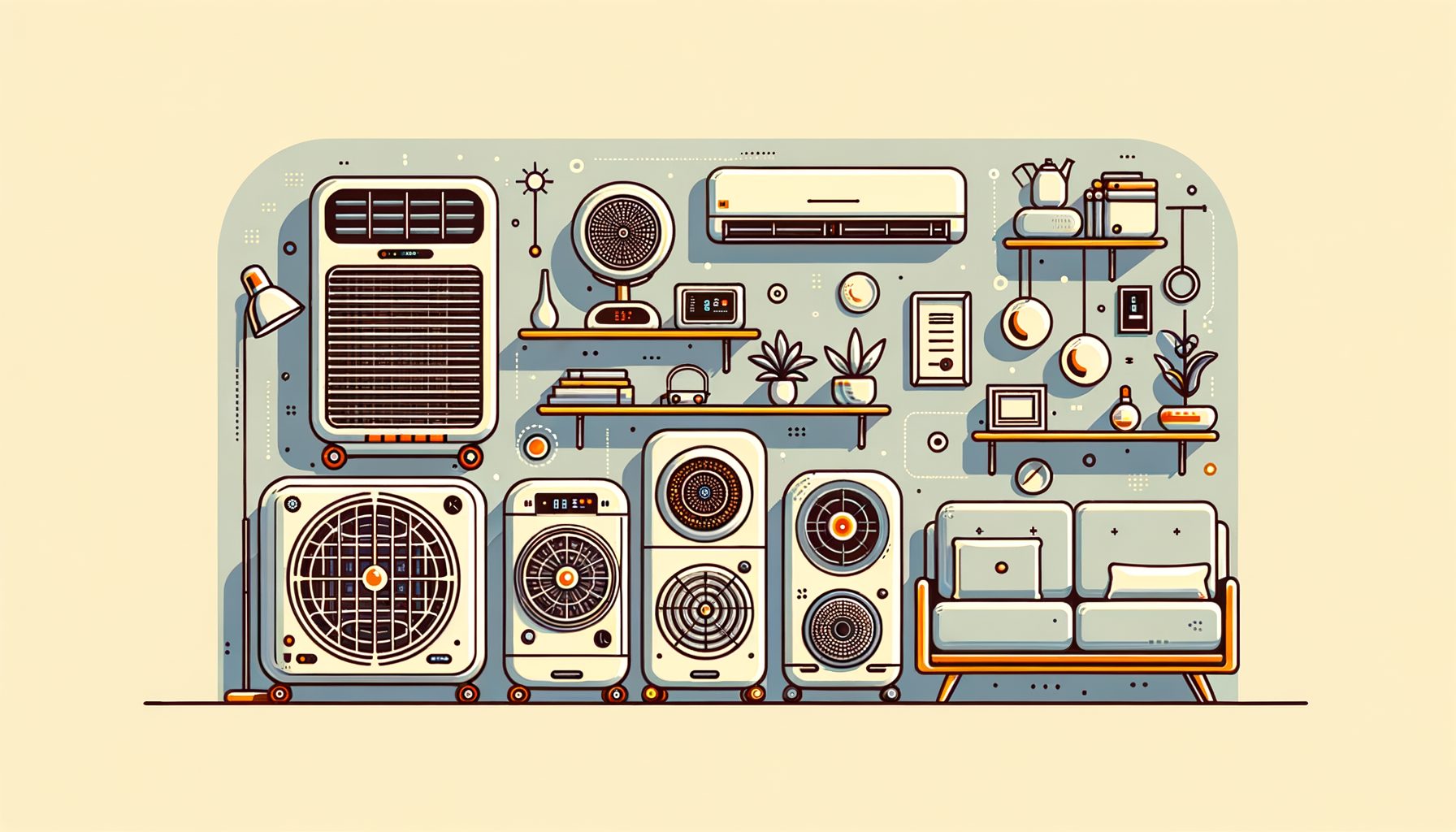
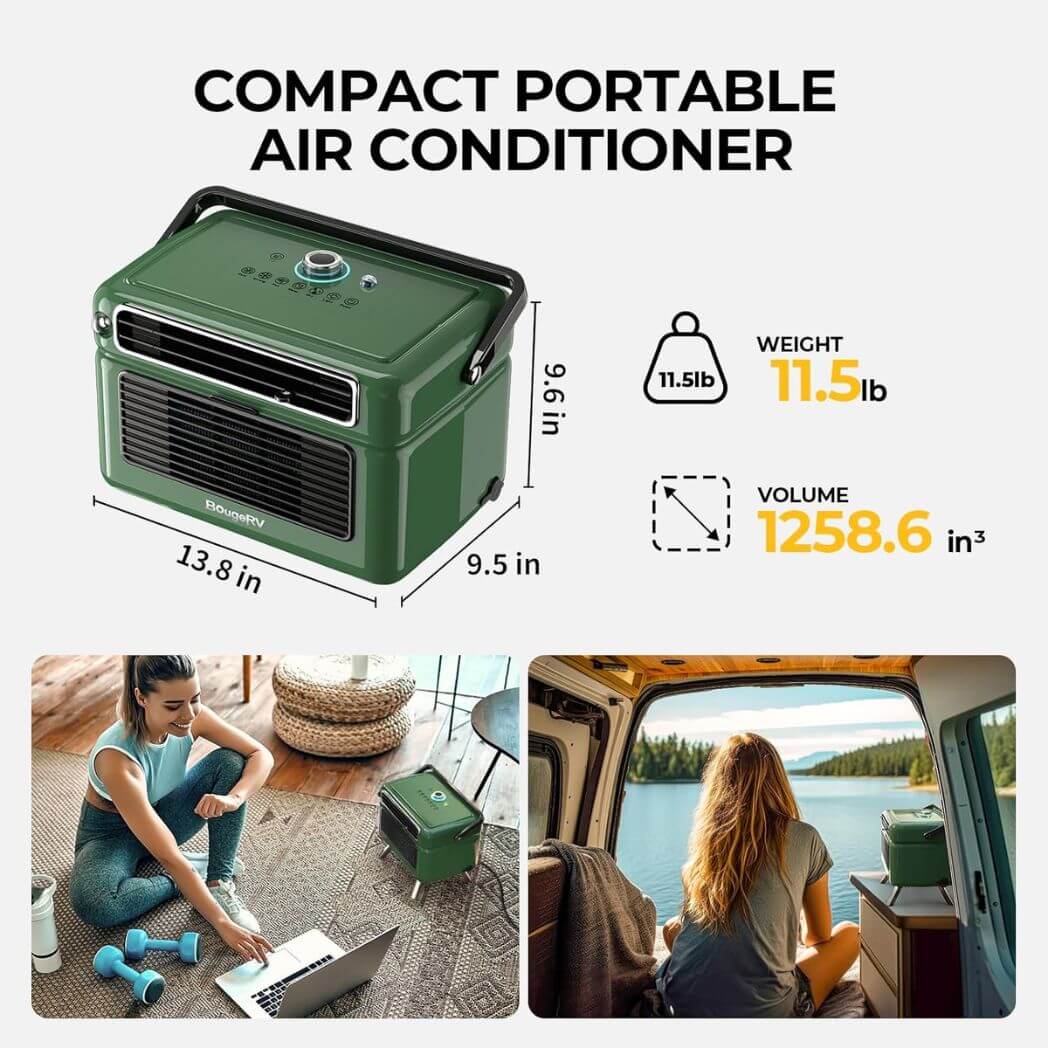
Choosing the best portable air conditioner for a small room involves evaluating cooling capacity in BTUs, physical dimensions, energy efficiency, noise output levels, and proper ventilation requirements to ensure effective and comfortable climate control without overwhelming a compact space.
Selecting the right cooling appliance for a compact bedroom, home office, or studio apartment requires careful consideration. When square footage is limited, installing a traditional window unit or investing in a central HVAC upgrade is often impractical, structurally impossible, or financially prohibitive. Portable air conditioners offer a flexible, self-contained alternative that can be rolled into position, vented through a standard window, and plugged into a normal electrical outlet. However, buying a portable cooling unit is not a one-size-fits-all purchasing decision. Purchasing an improperly sized device can lead to inefficient cooling, excessive electricity consumption, and premature equipment failure. Understanding the core mechanisms that separate an average appliance from a well-suited model helps homeowners and renters make an informed, long-lasting investment.
1. Calculate the Correct Cooling Capacity (BTUs) for Your Square Footage
The single most critical factor when selecting a portable air conditioner is matching the unit's cooling capacity—measured in British Thermal Units (BTUs)—to the exact dimensions of the room. A common misconception among consumers is that a higher BTU rating is always better. In reality, purchasing a portable AC that is too powerful for a small room results in short-cycling. The compressor turns on, cools the air too rapidly, and shuts off before the system has sufficient time to dehumidify the space. This leaves the room feeling cold, clammy, and humid. Conversely, a unit with an insufficient BTU rating runs continuously without ever reaching the desired thermostat setting, driving up energy bills and wearing down internal mechanical components.
When evaluating units for small rooms, look at the American Society of Heating, Refrigerating and Air-Conditioning Engineers (ASHRAE) standards versus the newer Department of Energy (DOE) standards. Modern portable air conditioners manufactured after 2017 are rated using DOE guidelines, which factor in internal heat generation from the hose and casing. For a small room measuring up to 150 square feet, a DOE rating of approximately 5,000 to 6,000 BTUs (roughly 8,000 to 10,000 older ASHRAE BTUs) is generally sufficient. If the room receives direct, unshaded sunlight throughout the afternoon, or if it houses multiple heat-generating electronics, stepping up slightly within that range or considering alternative cooling strategies may be necessary. Always measure the room's square footage by multiplying length by width before browsing specifications.
2. Evaluate Physical Footprint and Window Kit Compatibility
Unlike window units that hang outside the building envelope, portable air conditioners sit entirely inside the room, consuming precious floor space. For small bedrooms or narrow offices, the physical footprint of the chassis matters immensely. Manufacturers design these appliances with vertical or horizontal orientations; taller, narrower towers often fit better into tight corners or beside furniture than wide, bulky cabinets. Beyond floor space, buyers must carefully examine the included window venting kit. Most portable air conditioners require an exhaust hose—typically 5 to 6 inches in diameter—to push hot air and moisture outside through a sliding window or a vertical hung window.
Before finalizing a purchase, measure the exact height or width of your window opening. Standard window kits generally accommodate double-hung or sliding windows ranging from 20 to 40 inches, but specialty extension panels may be required for extra-tall or casement windows. Furthermore, consider the rigidity and insulation quality of the window panel. Flimsy plastic inserts can allow outdoor heat to seep back inside, counteracting the cooling power of the appliance. Selecting a model with a secure, well-sealed window installation kit ensures maximum thermal efficiency and prevents outdoor air leaks.
3. Prioritize Energy Efficiency and Dual-Hose vs. Single-Hose Systems
Energy consumption is a primary concern for everyday household budgeting. Portable air conditioners are inherently less efficient than window-mounted units because the appliance itself sits inside the air-conditioned space, generating internal heat that must be continuously exhausted. To understand energy usage, check the Energy Efficiency Ratio (EER) or Combined Energy Efficiency Ratio (CEER) listed on the EnergyGuide label. A higher EER rating signifies a more cost-effective appliance that converts electrical input into cooling output with minimal waste.
The internal design of the portable AC plays a massive role in this efficiency. Most affordable models feature a single-hose system. A single hose draws indoor air, passes it over the condenser coils to cool it, and exhausts the resulting hot air outdoors. This creates a slight negative pressure inside the room, drawing warm air inward through door cracks and gaps from the rest of the house. Dual-hose systems, while less common and often more expensive, use one hose to draw outdoor air for cooling the compressor and a second hose to exhaust hot air outside. Dual-hose models cool small rooms significantly faster and operate with superior energy efficiency because they do not draw unconditioned indoor air out of the space.
| Feature / Specification | Single-Hose Portable AC | Dual-Hose Portable AC |
|---|---|---|
| Air Exchange Method | Uses indoor air for exhaust, creating negative pressure. | Uses outdoor air for intake and exhaust, maintaining balance. |
| Cooling Efficiency | Moderate; can draw warm air back into the room through gaps. | High; cools spaces faster and maintains balanced pressure. |
| Energy Consumption | Generally higher relative to cooling output due to pressure loss. | Generally lower; operates more efficiently over long cycles. |
| Installation Complexity | Simpler; requires managing only one flexible hose. | Slightly more complex; requires routing two hoses through the window kit. |
| Upfront Cost | Usually more affordable and widely available. | Typically commands a higher price point. |
4. Assess Noise Output Levels for Sleeping and Working Spaces
Because the compressor, fan, and motor of a portable air conditioner reside entirely inside the room rather than outside the building facade, these appliances generate noticeable operating noise. For small rooms such as bedrooms, nurseries, or home offices where concentration and rest are paramount, noise levels can make or break the user experience. Manufacturers typically express noise output in decibels (dB), measured across different fan speeds. A quiet library sits around 40 dB, while normal conversation hovers near 60 dB.
When reviewing product specifications, look for units that operate between 48 dB and 52 dB on their lowest setting. Avoid relying solely on marketing terms like "ultra-quiet" without checking the verified decibel rating. Additionally, evaluate the quality of the sound, not just the volume. A smooth, low-frequency hum from an insulated compressor is far easier to tune out during sleep than a rattling plastic chassis or a high-pitched fan whine. Selecting a model with a dedicated "Sleep Mode"—which gradually dims display lights and lowers fan speeds—ensures nighttime comfort without disruptive acoustic surges.
5. Review Moisture Removal and Condensation Management Features
Cooling air naturally extracts humidity. As warm air passes over the cold evaporator coils of a portable air conditioner, moisture condenses out of the air, mimicking the function of a standalone dehumidifier. Managing this accumulated water is a vital operational consideration for small rooms, where spills or neglected reservoirs can cause water damage or mold growth. Portable air conditioners handle condensation using three primary methods: auto-evaporation, partial auto-evaporation, and manual drainage buckets.
Modern, high-quality portable air conditioners feature auto-evaporation technology, which atomizes most of the condensed moisture and exhausts it automatically out the window vent hose alongside the hot air. These units require very little maintenance under normal humidity conditions. However, in exceptionally humid coastal climates or during extended heatwaves, the unit may capture excess water faster than it can evaporate. Look for models equipped with a continuous drain port and a gravity-fed hose option, allowing you to route runoff directly into a floor drain or low-profile basin if manual emptying becomes overly frequent.
Comprehensive Comparison of Portable AC Types
| Cooling Capacity (BTU) | Ideal Room Size | Typical Noise Level | Best Suited For |
|---|---|---|---|
| 5,000 – 6,000 (DOE) | Up to 150 sq. ft. | 48 – 52 dB | Small bedrooms, home offices, walk-in closets. |
| 7,000 – 8,000 (DOE) | 150 – 250 sq. ft. | 50 – 55 dB | Standard bedrooms, small studio apartments. |
| 10,000+ (DOE) | 250 – 350 sq. ft. | 53 – 58 dB | Larger master bedrooms, open-concept living spaces. |
Frequently Asked Questions
Do portable air conditioners use a lot of electricity?
Yes, portable air conditioners consume a notable amount of electricity compared to standard ceiling fans or smaller desk fans, though they use less energy than whole-house central systems. Power consumption typically ranges from 900 to 1,500 watts depending on the compressor size. To minimize utility costs, look for units with high energy efficiency ratios, utilize programmable timers, and keep doors and windows tightly sealed.
Can a portable air conditioner run continuously without draining?
Most modern portable air conditioners feature auto-evaporative systems that vent moisture through the exhaust hose, allowing them to run continuously without manual intervention. However, in regions with high relative humidity, internal reservoirs can fill up, triggering an automatic shutoff safety switch until the tray is drained manually via a plug valve or continuous drain hose.
Do portable AC units require a special electrical outlet?
No, standard residential portable air conditioners designed for small rooms plug into a regular 115V/120V three-prong grounded wall outlet. They do not require specialized heavy-duty wiring or 240V circuits. However, manufacturers strongly advise plugging the unit directly into the wall rather than using extension cords or power strips, which can overheat due to high electrical current draw.
How often do portable AC air filters need to be cleaned?
Air filters should be inspected and cleaned at least once every two weeks during periods of heavy seasonal use. Dust, pet dander, and particulate matter quickly accumulate on the mesh filter, restricting airflow, reducing cooling efficiency, and straining the motor. Simply slide the filter out, wash it gently with warm water and mild soap, let it dry completely, and slide it back into place.
Is it necessary to vent a portable air conditioner out of a window?
Yes, venting a portable air conditioner to the outdoors is mandatory for proper operation. The refrigeration cycle extracts heat from inside the room and expels it; if that hot air is not exhausted outside through a window or sliding door kit, it remains trapped in the space, causing the room temperature to rise rather than fall.
Final Recommendation
When choosing a portable air conditioner for a small room, prioritize an accurate BTU calculation to prevent short-cycling, and lean toward dual-hose configurations or units with high auto-evaporative efficiency if you live in a humid climate. Measure your window opening before purchasing to guarantee a secure fit with the included installation kit, and verify decibel ratings if the appliance will reside in a bedroom or home office. Selecting a balanced, appropriately sized unit ensures reliable, comfortable cooling throughout the warmest months of the year.