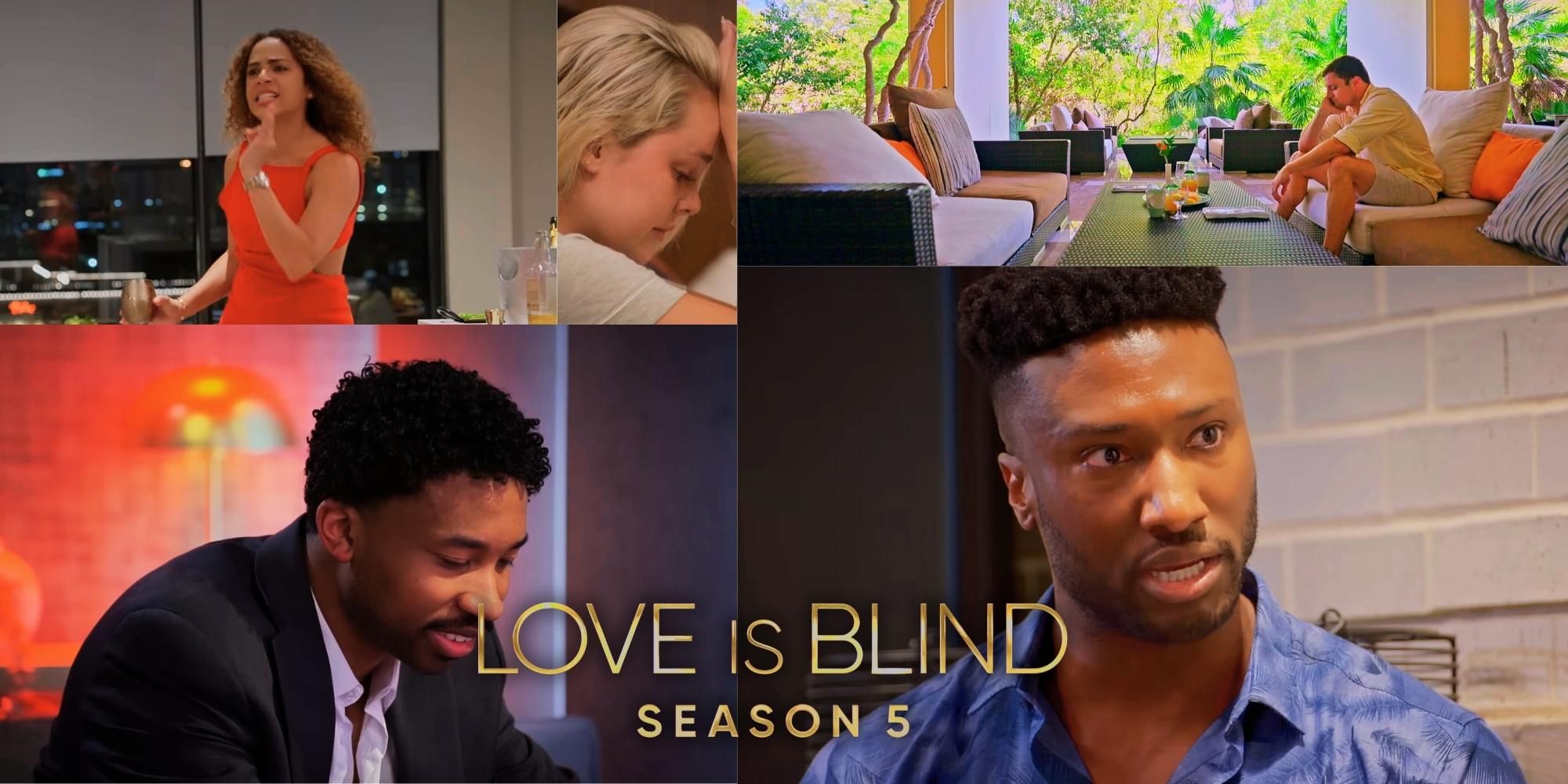
Chris Fox was one of the standout participants in Netflix’s reality dating phenomenon Love Is Blind Season 5, capturing viewer attention through his unique journey, emotional vulnerability, and eventual departure from the pods without finding a lifelong match. As audiences revisit the dramatic twists of Houston's pod-dating experiment, understanding Chris's specific arc, his connection with fellow cast members, and the behind-the-scenes reality of his time on screen provides a clearer picture of how modern unscripted television shapes romance under pressure.
This examination explores five defining details about Chris Fox from Love Is Blind Season 5, ranging from his professional background and pod connections to his post-show reflections. By looking past the surface edits and examining the structural constraints of the social experiment, viewers can gain a comprehensive understanding of what went on behind the scenes for one of the season's most talked-about singles.
1. Professional Background and Life Outside the Pods
Before stepping into the pods to find a partner sight unseen, Chris Fox established himself as a project manager based in Houston, Texas. Living and working in the bustling metropolitan area influenced his readiness for a structured, intentional approach to dating. Project management requires meticulous planning, clear communication, and risk assessment—skills that often contrast sharply with the emotional volatility of reality television.
During his introduction to viewers, Chris emphasized his desire to find a genuine, long-lasting partnership built on shared values rather than superficial attraction. His professional background became a quiet touchstone during early pod conversations, where participants frequently discussed career ambitions, financial literacy, and lifestyle alignment. While the edit focused heavily on the romantic triangles unfolding around him, his career stability provided a grounded foundation that made him a seemingly reliable candidate for marriage.
However, the transition from a structured corporate environment to the high-pressure, sleep-deprived ecosystem of the Love Is Blind pods is notoriously difficult. Project managers rely on data, predictability, and timelines. The pod experience, by design, strips away predictable variables and forces individuals to process intense emotional data within a matter of days. This juxtaposition between his analytical career and the chaotic nature of expedited romance set the stage for his unique journey on the show.
2. The Pod Connections and Primary Romantic Arc
The core premise of Love Is Blind hinges on forming emotional bonds through physical separation. For Chris, this meant engaging in deep, rapid-fire conversations with multiple female cast members simultaneously. While the final edit of Season 5 compressed hours of footage into a handful of episodes, Chris formed notable bonds with women who were navigating the same accelerated emotional environment.
In the pods, communication operates on an intensive schedule where participants speak through opaque walls for hours on end, gradually narrowing down their options through mutual elimination. Chris approached these conversations with earnestness, seeking intellectual and emotional compatibility. Yet, navigating multiple relationships concurrently created friction, a common occurrence in the pods as contestants struggle to balance authenticity with self-preservation.
The emotional intensity of the pod environment often accelerates intimacy, leading participants to make life-altering decisions in record time. While some cast members successfully secured engagement rings, Chris's journey took a different trajectory. The specific dynamics of his pod interactions ultimately prevented him from forging the singular, undeniable bond required to propose or accept a proposal before exiting the primary experiment phase.
3. Exit from the Pods and Absence from the Altar
One of the most defining aspects of Chris’s time on Love Is Blind Season 5 is that he did not make it past the pod phase of the experiment. Unlike couples such as Milton Johnson and Lydia Velez Gonzalez or Taylor Rue and JP Pierce—who advanced to the honeymoon phase in Mexico and subsequently planned their weddings—Chris exited the show before the pods closed.
In the structure of the series, participants who fail to secure an engagement are generally phased out of the primary narrative arc. Consequently, Chris’s departure happened quietly compared to the explosive drama that characterized other relationships in Season 5. This abrupt exit left many viewers wondering about the un-aired conversations and mutual decisions that led to his departure from the facility.
Reality television editing often leaves gaps in continuity, particularly for contestants who do not advance to the couples' retreat. For Chris, his narrative arc concluded in the pods, meaning he missed out on the tropical vacation, the meeting of the families, and the ultimate test of the wedding altar. This premature exit highlights the high attrition rate inherent to the social experiment, where many participants invest significant emotional energy without reaching the final destination.
4. Season 5 Context and Cultural Reception
Love Is Blind Season 5, filmed in Houston, faced unique scrutiny from fans and critics alike. The season had a notably lower number of successful engagements that made it to the altar compared to previous seasons, and several cast dynamics faced intense public dissection on social media. Within this broader context of heightened drama and edited controversies, Chris’s relatively low-key presence offered a different vantage point.
While some cast members became central figures in post-release controversies and social media debates, Chris maintained a more measured profile. Season 5 was widely discussed for its untraditional editing choices, including the omission of engaged couples whose stories were filmed but never aired in full. This production reality meant that many participants' journeys were heavily abridged, altering how viewers perceived their motivations and romantic sincerity.
For audiences trying to piece together the full narrative of Season 5, understanding Chris’s role requires looking at the macro-level production environment. Reality television casts are curated for maximum narrative contrast, balancing high-conflict personalities with more grounded individuals. Chris’s experience underscored the reality that not every participant’s story follows a neat Hollywood arc, and many leave the experiment simply because the chemistry did not materialize under artificial constraints.
5. Post-Show Reflections and Life After Reality TV
Transitioning away from a global streaming phenomenon brings its own set of psychological and social adjustments. After the episodes aired, former cast members frequently utilize social media platforms to share behind-the-scenes insights, address fan questions, and clarify storylines that were altered by dramatic editing. Chris returned to his life in Houston, maintaining a relatively private profile compared to cast mates who leaned heavily into influencer culture.
Participating in a show like Love Is Blind often serves as a catalyst for personal self-reflection. Former contestants frequently discuss how the pod experience forced them to confront their personal dating habits, communication barriers, and relationship expectations. For Chris, the experience provided a unique crucible to evaluate what he truly sought in a long-term partner.
Below is a summary table comparing Chris’s participation details with the general trajectory of successful Season 5 participants:
| Experiment Phase | Chris Fox's Journey | Successful Season 5 Couples |
|---|---|---|
| Pod Dating | Formed multiple deep emotional connections through intensive conversations. | Engaged in rapid-fire speed dates, ultimately selecting one primary partner. |
| Engagement | Exited the pods without securing an engagement. | Proposed or accepted a marriage proposal sight unseen. |
| Honeymoon Trip | Did not participate in the post-pod resort phase in Mexico. | Traveled to a luxury resort to test physical and emotional compatibility. |
| The Altar | Did not reach the wedding ceremony phase. | Faced final decision points at the wedding altar, with mixed outcomes. |
Frequently Asked Questions
Did Chris Fox get engaged on Love Is Blind Season 5?
No, Chris Fox did not get engaged during his time on the show. He formed connections in the pods, but ultimately exited the experiment before proposing or accepting a marriage proposal, meaning his journey ended prior to the couples' retreat phase.
Where was Love Is Blind Season 5 filmed?
Season 5 of Love Is Blind was filmed primarily in Houston, Texas, featuring a cast of local singles living and working in the metropolitan area before traveling to a resort for the honeymoon phase.
Why do some Love Is Blind participants get cut from the final edit?
Production constraints and narrative focus mean that not every pod relationship receives equal screen time. Couples or individuals who do not secure engagements or become involved in major seasonal conflicts are often edited out to maintain a streamlined viewing experience.
What is Chris Fox's profession?
Outside of his appearance on reality television, Chris Fox worked as a project manager based in Houston, applying analytical and organizational skills to his career before entering the social experiment.
How many couples successfully married in Season 5?
Season 5 featured a notably lower success rate than other seasons, with only one couple—Milton Johnson and Lydia Velez Gonzalez—making it past the altar and remaining married after the cameras stopped rolling.
Practical Recommendations for Reality TV Viewers
When consuming unscripted dating shows like Love Is Blind, viewers should maintain a balanced perspective regarding how storytelling shapes perception. Editors condense weeks of genuine emotional processing into brief, highly dramatic episodes, often highlighting conflict while omitting quiet, uneventful moments. Remembering that participants are real people navigating artificial constraints helps foster media literacy and a healthier appreciation for the complexities of modern dating.