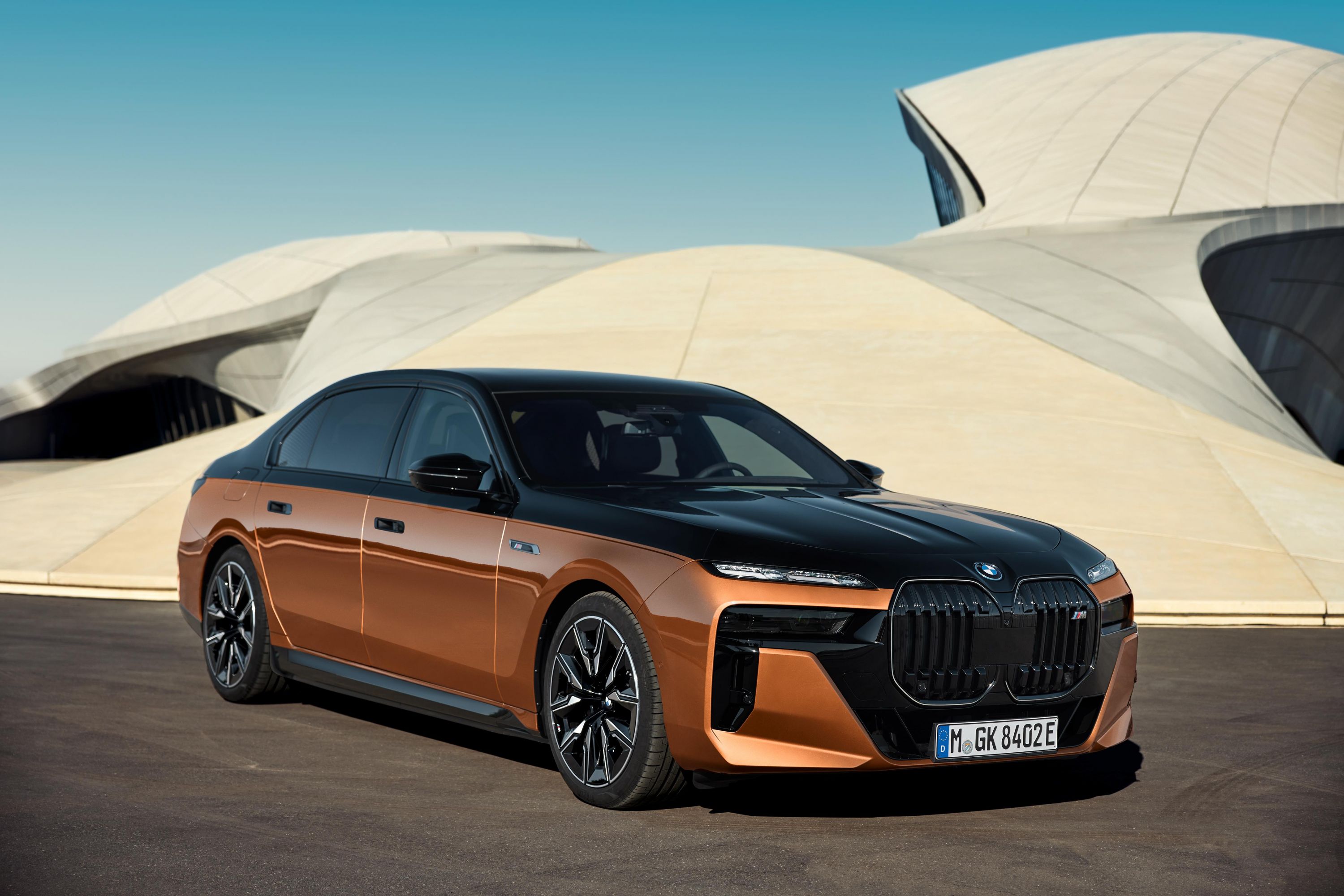
Owning a BMW 7 Series in 2026 remains a definitive statement of luxury and technical achievement, but it requires a sophisticated financial approach to upkeep. The primary maintenance cost factors include specialized labor rates, proprietary high-tech components, the Condition Based Service (CBS) system, advanced suspension and braking requirements, and the long-term aging of cooling and gasket systems.
The BMW 7 Series has long served as the "innovation lab" for the Munich-based automaker. Technologies that appear in the 7 Series today often do not trickle down to the 3 Series or 5 Series for several years. While this provides an unparalleled driving experience, it creates a unique maintenance profile. By 2026, with the G70 generation firmly established and earlier G11/G12 models entering the secondary market, understanding these cost drivers is essential for both original owners and those considering a pre-owned flagship.
1. Specialized Labor and Diagnostic Expertise
The foremost factor in 7 Series maintenance costs is the caliber of labor required. Unlike a standard economy vehicle, the 7 Series utilizes a complex array of interconnected Electronic Control Units (ECUs) and a high-speed fiber-optic data backbone.
The Premium for Certification
Technicians working on a 7 Series must undergo specialized BMW training that is frequently updated. As of 2026, a standard oil change or brake job on a 7 Series is rarely "standard." It involves resetting software parameters and checking for shadow codes that only proprietary BMW diagnostic tools (like ISTA/D) can read. Dealership labor rates for flagship models often range from $200 to $300 per hour, depending on the metropolitan area.
Independent vs. Dealership Service
While independent European car specialists offer a lower hourly rate, the 7 Series often requires "special tools" that the manufacturer does not license to all shops. If an independent mechanic lacks the specific alignment rack for Integral Active Steering or the calibration equipment for the latest Driving Assistant Professional sensors, the owner is forced back to the dealership. This "monopoly on complexity" keeps labor costs significantly higher than those of mainstream luxury vehicles.
2. Proprietary Components and High-Tech Parts
The second factor is the sheer cost of the parts themselves. BMW utilizes a "Carbon Core" construction and a variety of lightweight alloys in the 7 Series to offset the weight of its luxury features. When these components fail or require replacement, the aftermarket support is often non-existent or limited to high-end OE (Original Equipment) suppliers.
Advanced Lighting Systems
For models equipped with BMW Laserlight or the newer Adaptive LED arrays seen in 2024–2026 models, a single headlight assembly can cost upwards of $3,500 to $5,000. These are not items you can simply "fix"; they are sealed units that require complete replacement if a single internal actuator or laser diode fails.
The 48-Volt Mild Hybrid Complexity
Most 7 Series engines produced in the early 2020s and moving into 2026 utilize a 48V mild-hybrid system. This includes an integrated starter-generator and a dedicated lithium-ion battery. Replacing these components involves high-voltage safety protocols and significantly more expensive parts than the traditional 12V lead-acid systems found in older cars.
3. The Condition Based Service (CBS) System
BMW does not follow a "one-size-fits-all" maintenance schedule. Instead, the 7 Series uses the Condition Based Service (CBS) system. This system uses a network of sensors to monitor the actual wear and tear on the engine oil, brake pads, spark plugs, and cabin filters based on driving style, idling time, and environmental conditions.
Variability in Budgeting
While CBS is designed to optimize maintenance intervals—sometimes allowing for 10,000 to 12,000 miles between oil changes—it makes budgeting unpredictable. The car might notify you that it needs a $1,200 "Scope" service (comprehensive inspection and fluid refresh) three months earlier than you expected because of a particularly harsh winter or frequent short-trip driving.
Integration with Vehicle Telematics
In 2026, the 7 Series is deeply integrated with the My BMW App. The vehicle automatically transmits its service needs to your preferred dealer. While convenient, this "proactive" maintenance ensures that the vehicle is serviced strictly according to BMW’s high-cost standards, leaving little room for the "wait and see" approach that owners of older, simpler cars might employ.
4. Heavy-Duty Suspension and Braking Systems
The 7 Series is a heavy vehicle, especially the i7 electric variants and the long-wheelbase gasoline models. This mass places immense strain on the suspension and braking components, leading to faster wear cycles and higher replacement costs.
Air Suspension Maintenance
Almost every 7 Series comes standard with two-axle self-leveling air suspension. While this provides a "magic carpet" ride, air bellows and compressors are wear items. In a vehicle that is 5 to 7 years old, leaks in the air bags are common. Replacing a single air strut on a 7 Series can cost between $1,500 and $2,500 including labor. If the compressor burns out due to a leak in the lines, the bill can easily exceed $4,000.
High-Performance Braking
To stop a 5,000-pound luxury sedan effectively, BMW uses oversized rotors and multi-piston calipers. These rotors are often "two-piece" designs (aluminum hats with steel friction rings) to reduce unsprung weight. They cannot be "turned" or resurfaced like traditional rotors; they must be replaced. A full brake job (pads and rotors) on a 7 Series frequently surpasses $2,000 for the front axle alone.
5. Thermal Management and Gasket Longevity
Historically, the Achilles' heel of the BMW 7 Series—particularly those with V8 engines (the N63 and S68 architectures)—has been heat management. The "Hot V" design, where turbochargers are placed inside the cylinder banks, creates extreme under-hood temperatures.
Cooling System Vulnerability
The 7 Series utilizes an intricate cooling system with multiple radiators, electric water pumps, and plastic coolant hoses. Over time, the constant heat cycles cause the plastic connectors to become brittle. By 2026, owners of 2019–2022 models are finding that preventative replacement of the cooling system is a necessary, albeit expensive, $2,500+ task to prevent catastrophic engine overheating.
Oil Leaks and Gasket Seals
The high operating temperatures also degrade rubber gaskets (valve cover gaskets, oil pan gaskets, and upper timing cover seals). Because the 7 Series engine bay is tightly packed with technology, the labor required to reach a $30 gasket often involves 8 to 12 hours of work, leading to massive invoices for relatively minor parts.
Estimated Maintenance Cost Comparison (Annual Average)
The following table provides a breakdown of estimated annual maintenance and repair costs for various 7 Series generations as of 2026. Note that these are averages; a single major component failure (like a transmission or infotainment head unit) can significantly increase these figures.
| Model Generation | Age Range (Years) | Estimated Annual Maintenance (USD) | Primary Cost Drivers |
|---|---|---|---|
| G70 (Current) | 0 - 4 | $400 - $900 | Routine oil/filters; mostly covered by BMW Ultimate Care. |
| G11/G12 (LCI) | 4 - 7 | $1,800 - $3,500 | Brakes, tires, air suspension leaks, spark plug cycles. |
| G11/G12 (Pre-LCI) | 7 - 11 | $3,000 - $5,500 | Cooling system refresh, gaskets, control arm bushings. |
| F01/F02 (Classic) | 11+ | $5,000+ | Turbocharger replacement, valve stem seals, electronics. |
Strategies to Mitigate Maintenance Expenses
While the costs are high, they can be managed with a strategic approach.
- BMW Ultimate Care+ Extensions: For those buying new or nearly new, extending the factory maintenance plan can lock in 2026 prices for wear items like brakes and wiper blades.
- Pre-Purchase Inspections (PPI): If buying a used 7 Series, a PPI by a BMW specialist is mandatory. This can identify a failing air suspension or a weeping oil gasket before it becomes your financial burden.
- Preventative Cooling Service: Replacing plastic coolant vent lines every 5 years or 60,000 miles is significantly cheaper than replacing a warped cylinder head or a seized engine.
- Specialist Independent Shops: Finding a shop that specializes exclusively in BMWs can save 30% on labor compared to the dealership while maintaining the necessary level of technical expertise.
Frequently Asked Questions
How much does a basic oil change cost for a 2026 BMW 7 Series?
A basic oil change for a 7 Series typically costs between $180 and $350. The price variation depends on the engine size (the 740i Inline-6 vs. the 760i V8) and whether the service is performed at a dealership or an independent shop. This cost includes 7 to 9.5 quarts of high-quality synthetic oil (BMW Longlife-01 FE or similar), an OEM filter, and the required electronic reset of the CBS system.
Why are the tires on the 7 Series so expensive to replace?
The 7 Series often uses Run-Flat Tires (RFT) and staggered fitments (wider tires in the rear). Because the vehicle is heavy and tuned for a specific ride quality, BMW recommends "Star-Marked" tires developed specifically for their chassis. A full set of 20 or 21-inch performance run-flats in 2026 can cost between $1,600 and $2,400, and they typically last only 20,000 to 30,000 miles due to the vehicle's weight and suspension geometry.
Is the electric BMW i7 cheaper to maintain than the gasoline 7 Series?
Yes, in the long term, the i7 has lower routine maintenance costs. It lacks engine oil, spark plugs, oxygen sensors, and a traditional multi-speed transmission. However, it is significantly heavier, meaning it may go through tires and suspension bushings faster than the gasoline models. Additionally, when out of warranty, repairs to the high-voltage battery or drive units could be more expensive than internal combustion engine (ICE) repairs.
Does the 7 Series require special brake fluid?
Yes, BMW 7 Series models generally require low-viscosity DOT 4 brake fluid. The CBS system typically mandates a brake fluid flush every two years, regardless of mileage. This is crucial because the moisture-absorbing nature of brake fluid can lead to internal corrosion of the ABS/DSC (Dynamic Stability Control) pump, which is an extremely expensive component to replace.
Can I perform my own maintenance on a 7 Series?
While simple tasks like cabin filter replacement or battery swaps are possible for a skilled DIYer, the 7 Series requires coding for almost every new part. For example, a new battery must be "registered" to the car's computer to adjust the charging profile. Without the proper software (like BimmerLink or ISTA), many DIY repairs will result in error codes or suboptimal performance.
Practical Recommendation
If you are considering a BMW 7 Series in 2026, the most cost-effective path is to own the vehicle during its first four years while covered by BMW Ultimate Care, or to purchase a Certified Pre-Owned (CPO) model with an extended warranty. For those looking at models older than seven years, it is vital to set aside a dedicated "maintenance fund" of at least $4,000 per year. The 7 Series offers one of the finest driving experiences in the world, but its complexity ensures that "budget" maintenance is rarely an option. Always prioritize cooling system integrity and electronic health, as these are the areas where costs can spiral most rapidly.