The best video game duos are defined by a synergistic blend of narrative depth, gameplay mechanics, and emotional resonance that transcends individual character design. Iconic pairings like Joel and Ellie, Kratos and Atreus, and Master Chief and Cortana represent the pinnacle of digital storytelling, where the relationship between two entities drives the player’s engagement and defines the game’s core identity.
Defining the Excellence of a Video Game Duo
In the landscape of 2026 gaming, the concept of a "duo" has evolved beyond simple co-operative play or a protagonist with a sidekick. A truly great duo functions as a single narrative and mechanical unit. This synergy is often achieved through "complementary design," where one character’s strengths cover the other’s weaknesses, or where their shared journey forces a mutual evolution.
Technical execution also plays a vital role. In modern gaming, this involves sophisticated AI pathfinding for companions, contextual dialogue systems that react to the player’s environment, and synchronized combat animations. These elements ensure that the bond feels "lived-in" rather than scripted.
1. Joel and Ellie (The Last of Us Series)
The relationship between Joel Miller and Ellie Williams remains the gold standard for character-driven narratives in gaming. Debuting in 2013 and expanded through the 2020 sequel and subsequent remasters, their bond is built on the "found family" trope, set against a backdrop of societal collapse.
Narrative Impact and Evolution Joel and Ellie’s dynamic is unique because it is rooted in trauma and survival. Initially, Joel views Ellie as "merchandise" to be delivered across a post-pandemic United States. However, the technical implementation of their journey—through quiet "optional" conversations and environmental storytelling—allows the player to witness their walls breaking down. By the time players reached the conclusion of the first game, the duo had become inseparable in the eyes of the audience, leading to one of the most debated moral climaxes in media history.
Gameplay Synergy Mechanically, Ellie was one of the first high-profile companions to utilize "proactive AI." She doesn’t just follow Joel; she scavenges for ammo, points out enemies, and assists in combat without the player needing to micromanage her actions. This autonomy makes her feel like a partner rather than a liability, a crucial factor in the duo’s success.
2. Kratos and Atreus (God of War Norse Saga)
The 2018 reimagining of God of War and its 2022 follow-up, God of War Ragnarök, shifted the focus from Kratos’s solitary rage to the complexities of fatherhood. The duo of Kratos and Atreus (frequently referred to as "Boy" in the early stages) redefined the action-adventure genre by making a child companion essential to high-level combat.
The "Son as a Tool" Mechanic From a technical standpoint, Atreus functions as a ranged extension of Kratos’s melee prowess. Players control Atreus’s bow via a dedicated button, allowing for strategic interruptions of enemy attacks and status-effect build-ups. This "dual-character control" ensures that the player is constantly aware of Atreus’s position and utility, mirroring Kratos’s own protective instincts.
Character Growth As the series progresses into the later stages of the Norse saga, the power dynamic shifts. Atreus grows into a capable warrior with his own agency, leading to moments where the duo must operate independently. This narrative maturation is reflected in the gameplay, as Atreus gains his own skill trees and customizable equipment, signifying his transition from a ward to an equal.
3. Master Chief and Cortana (Halo Series)
The pairing of a stoic, genetically enhanced super-soldier (Master Chief/John-117) and a highly advanced artificial intelligence (Cortana) is the cornerstone of the Halo franchise. Their relationship is fundamentally unique because it is mostly internal; Cortana resides within the Chief’s MJOLNIR armor, acting as his eyes, ears, and conscious mind.
The Man and the Machine This duo explores the blurred lines between humanity and technology. While Master Chief is often criticized for being a "blank slate" for the player, Cortana provides the emotional levity and tactical exposition that humanizes him. The technical delivery of this duo through "HUD-based storytelling"—where Cortana speaks directly to the player through the user interface—creates an unparalleled sense of intimacy.
Historical Significance Throughout the original trilogy and into the "Reclaimer Saga," the duo faced themes of mortality and obsolescence. Cortana’s struggle with "rampancy" (a terminal state for AIs) transformed the relationship from a tactical partnership into a desperate race against time. In 2026, their legacy persists as the blueprint for "embedded" narrative companions in first-person shooters.
4. Mario and Luigi (Super Mario Series)
While often viewed through the lens of simple platforming, Mario and Luigi are the most foundational duo in the history of the medium. Since the 1983 arcade original, the "Mario Bros." have represented the cooperative spirit of gaming.
The "Player 2" Archetype Luigi began as a palette swap of Mario, but over decades, Nintendo developed him into a distinct character—taller, more cautious, and possessing a higher jump but lower traction. This differentiation was essential for the growth of local multiplayer gaming. The Mario & Luigi RPG series further deepened their bond, introducing "Bros. Moves" that required synchronized button presses to execute powerful team attacks.
Individual Identity within a Duo The duo is most effective when their personalities clash. Mario is the brave, straightforward hero, while Luigi is the reluctant, fearful underdog. This contrast was mastered in the Luigi’s Mansion series, where Mario’s absence forces Luigi to step out of his brother’s shadow, paradoxically strengthening the duo's brand by proving Luigi’s worth as an individual.
5. Ratchet and Clank (Ratchet & Clank Series)
Ratchet (a Lombax mechanic) and Clank (a small, sophisticated robot) represent the "buddy-cop" genre within a sci-fi setting. Their partnership is built on technical integration; Clank literally attaches to Ratchet’s back, serving as a jetpack, scuba gear, and tactical analyzer.
Platforming Synergy In the Ratchet & Clank series, the duo’s abilities are perfectly interwoven. Ratchet provides the firepower and agility, while Clank provides the utility and brainpower. This is best exemplified in Ratchet & Clank: Rift Apart (2021), where the duo’s synergy was used to showcase the high-speed data loading of the era, allowing them to jump between dimensions seamlessly.
Longevity and Charm Unlike the grit of The Last of Us, Ratchet and Clank’s bond is defined by humor and mutual respect. They are one of the few duos to maintain a consistent presence across five generations of consoles, proving that a well-defined mechanical relationship can sustain a franchise for decades.
Technical and Narrative Comparison of Top Duos
The following table compares the structural elements that make these duos successful.
| Duo | Franchise | Primary Dynamic | Gameplay Integration | Key Narrative Theme |
|---|---|---|---|---|
| Joel & Ellie | The Last of Us | Parental/Protective | Autonomous Support AI | Found Family & Survival |
| Kratos & Atreus | God of War | Mentor/Student | Direct Command Combat | Breaking Cycles of Violence |
| Chief & Cortana | Halo | Soldier/Intel | HUD & Narrative Guidance | Humanity vs. AI Logic |
| Mario & Luigi | Super Mario | Brotherhood | Co-op & Symmetry | Relatable Heroism |
| Ratchet & Clank | Ratchet & Clank | Buddy/Gadget | Equipment-based Utility | Intergalactic Friendship |
The Mechanics of a Successful Duo
What separates these five duos from the hundreds of others in gaming history? The answer lies in the intersection of ludonarrative consistency and player agency.
Ludonarrative Consistency
This term refers to the alignment between a game's story and its gameplay. In a successful duo, the story tells us they are close, and the gameplay proves it. For example, in The Last of Us, if Ellie were constantly getting stuck on geometry or failing to assist in a fight, the "strong bond" Joel feels toward her would feel unearned to the player. The technical refinement of their AI is what makes the narrative believable.
Balancing Agency and Assistance
A common mistake in duo design is making the companion too powerful or too weak.
- Too Powerful: If the AI companion kills every enemy, the player feels redundant.
- Too Weak: If the player constantly has to revive the companion (the "Escort Mission" problem), the duo becomes a source of frustration.
The best duos, like Kratos and Atreus, solve this by giving the player control over the companion’s most important actions. By pressing a button to make Atreus fire an arrow, the player remains the architect of the victory, even though the companion did the work.
Evolution of Duos Toward 2026
As we move through 2026, the technology behind video game duos has reached a plateau of near-photorealistic immersion. We are seeing a shift toward "dynamic relationship systems." In contemporary titles, the way you treat a companion through dialogue or combat choices can fundamentally alter their effectiveness or their willingness to assist you.
This evolution ensures that duos are no longer static figures. They are reactive entities that reflect the player's own style. The duos listed above laid the groundwork for this by moving away from "sidekick" tropes and moving toward genuine "partnerships."
Common Pitfalls in Designing Game Duos
When analyzing why some duos fail to reach iconic status, several recurring issues emerge:
- Lack of Unique Utility: If a companion character provides a service that could just as easily be a menu option (e.g., a "walking backpack"), the duo feels artificial.
- Repetitive Dialogue: "Bark" systems—the small lines of dialogue companions say during gameplay—can break immersion if they repeat too often. The best duos have thousands of lines of contextual dialogue to prevent this.
- Inconsistent Power Scaling: A character who is a god in cutscenes but dies in one hit during gameplay creates a "disconnect" that prevents the player from respecting the duo.
Frequently Asked Questions
What is the difference between a "co-op duo" and a "narrative duo"?
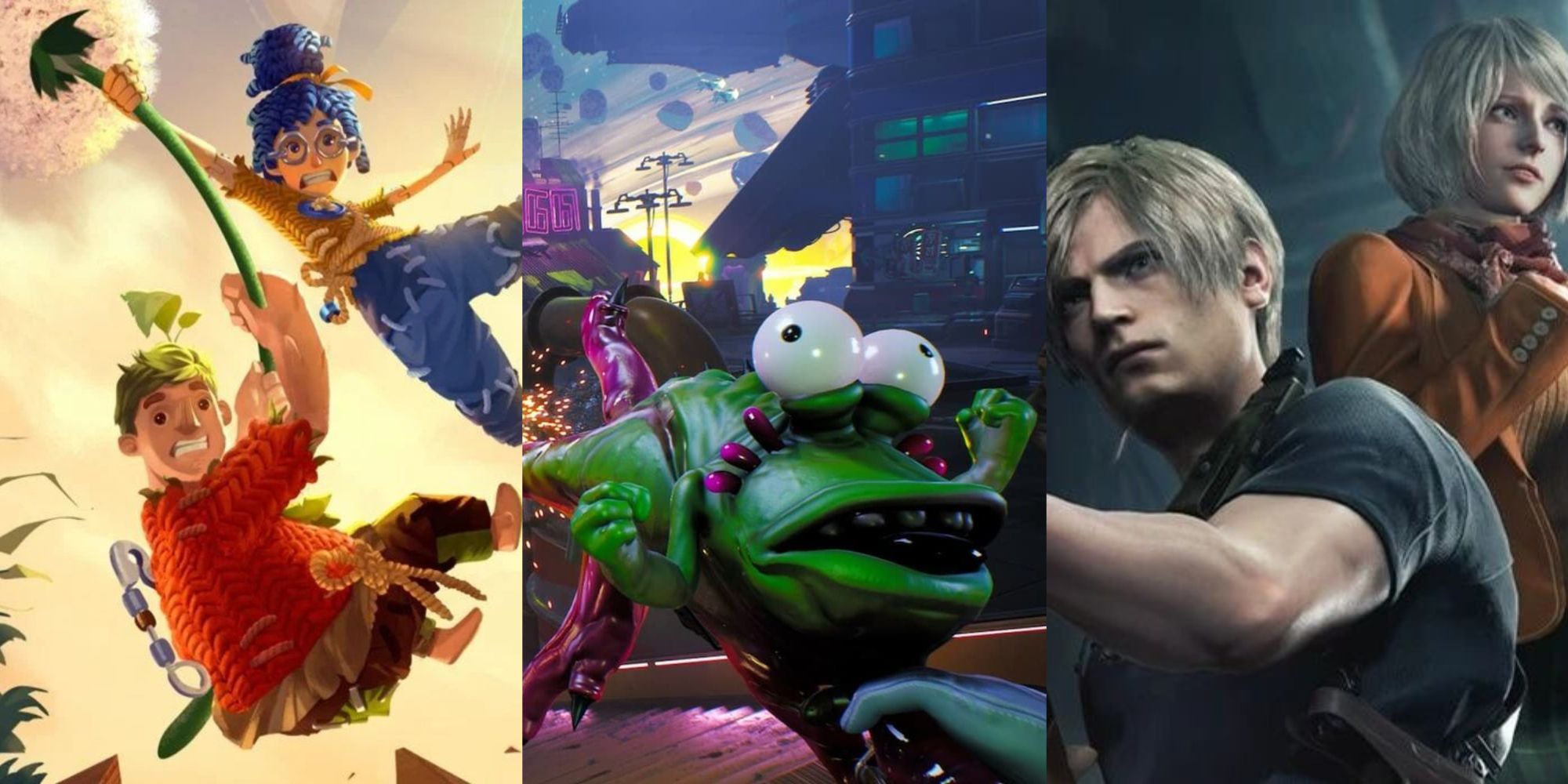
A co-op duo consists of two characters controlled by two different human players (e.g., the protagonists in It Takes Two). Their bond is forged through the real-life communication of the players. A narrative duo consists of a protagonist and an AI companion (e.g., Joel and Ellie). Their bond is scripted and programmed by the developers to evoke specific emotions in a solo player.
Why is Mario and Luigi considered a duo if they often have solo games?
While both characters have solo titles (Luigi's Mansion, Super Mario Odyssey), their "Bros." branding is the most recognizable aspect of their identity. Their specific power set—working together to overcome obstacles—is a fundamental pillar of Nintendo's design philosophy.
Can a video game duo be romantic?
Yes. Many RPGs, such as the Mass Effect or Dragon Age series, allow players to form duos with romantic interests (e.g., Commander Shepard and Garrus Vakarian). However, these are often categorized as "player-choice duos" rather than "fixed duos," as the partner can vary based on player preference.
Who is the most powerful duo in gaming?
In terms of raw combat capability, Kratos and Atreus are generally considered the most powerful, given their status as deities. However, in terms of cultural impact and influence on the industry, Mario and Luigi remain the most powerful duo.
Is an "Escort Mission" the same as a duo?
Technically, no. An escort mission usually involves protecting a defenseless NPC for a short duration. A true duo involves a persistent, mutually beneficial relationship where both characters contribute to the gameplay and story throughout the entire experience.
Recommendation for Players
If you are looking for the most emotionally impactful experience, The Last of Us Part I (and its subsequent versions available in 2026) is the essential starting point. For those who prefer mechanical depth and high-octane combat where the duo feels like a tactical unit, God of War Ragnarök offers the most refined "command-based" companion system.
Regardless of your preference, these five duos represent the heart of what makes gaming unique: the ability to not just watch a relationship unfold, but to participate in it.