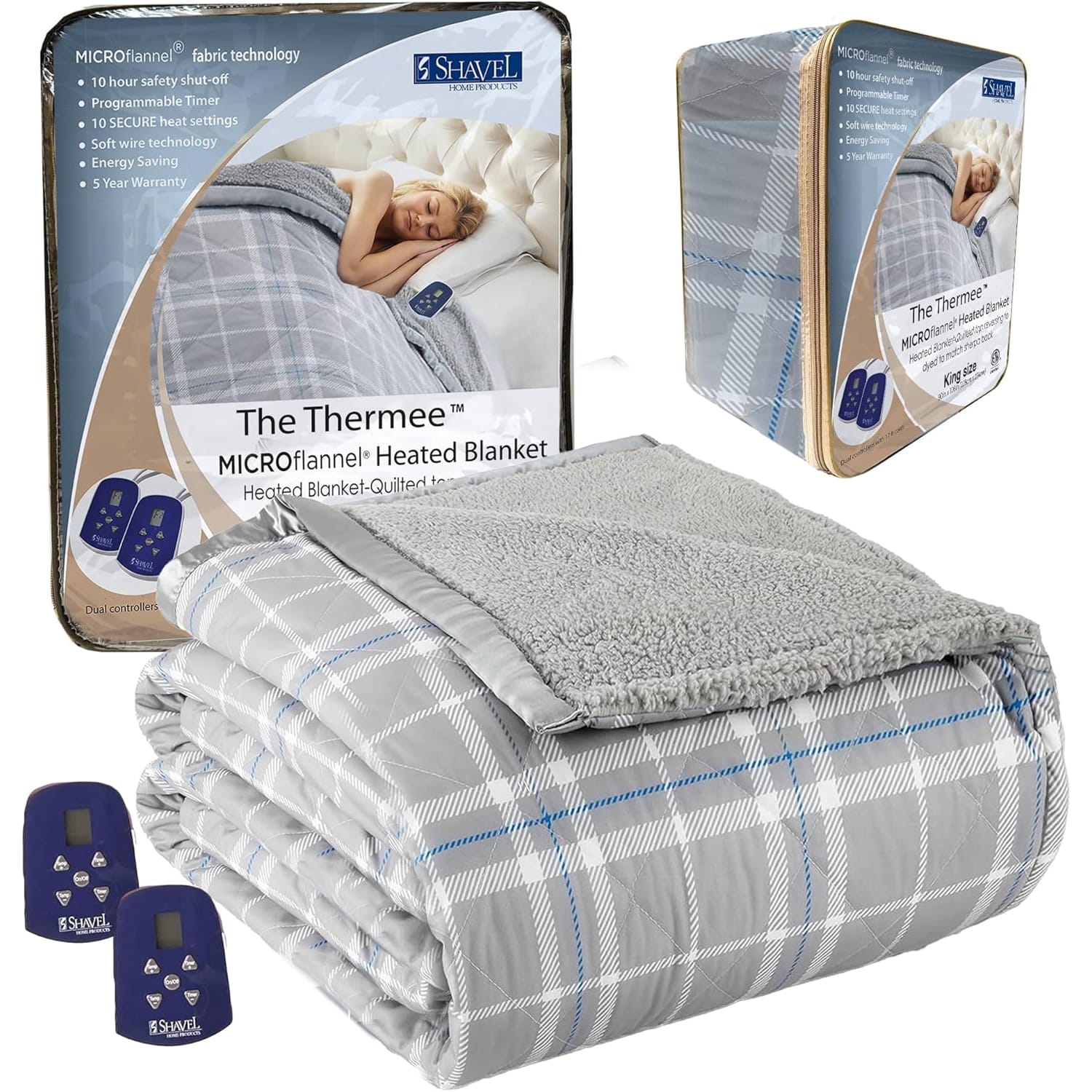
The best heated stadium blankets for 2026 combine high-capacity portable power banks, durable weather-resistant outer shells, and rapid-heating carbon fiber elements to keep outdoor sports fans warm during freezing autumn and winter games. Selecting the right model requires balancing battery life, physical dimensions, material waterproofing, and heat distribution across the heating zones.
Outdoor sports culture has evolved significantly over the past decade, and enduring freezing weather no longer requires piling on heavy, ineffective layers of standard wool blankets. Whether you are enduring a late-season NFL game in sub-zero wind chills, supporting your alma mater at a college football rivalry, or watching an open-air soccer match, modern thermal technology has transformed how fans stay warm. Powered by compact lithium-ion battery packs, contemporary heated stadium blankets provide active, adjustable warmth that puts traditional stadium gear to shame.
Navigating the market for these specialized outdoor accessories involves understanding technical specifications that go well beyond basic comfort. Buyers must evaluate battery voltage outputs, fabric denier ratings, weatherproofing metrics, and machine-washability options. This guide examines the top-performing heated stadium blankets available for the 2026 season, breaking down their engineering features, thermal performance, and practical limitations to help you make an informed purchase.
Understanding Heated Stadium Blankets
Before diving into specific product evaluations, it helps to understand the underlying technology and structural design elements that differentiate a high-performance heated stadium blanket from a standard indoor electric throw. Outdoor sports environments present unique challenges, including wind, moisture, abrasive concrete seating, and limited access to electrical outlets.
Core Heating Technology
Almost all reputable heated stadium blankets utilize carbon fiber or metal-alloy heating elements woven into a soft internal matrix. Unlike old-fashioned copper wire heating blankets, carbon fiber filaments are flexible, durable, and resistant to snapping when the blanket is folded, rolled, or compressed inside a backpack. These elements are strategically mapped across targeted zones—usually focusing on the core torso area and foot pocket—to maximize thermal efficiency without draining the battery prematurely.
Power Sources and Battery Compatibility
The heating performance and operational runtime of these blankets rely entirely on external power sources, typically standard 5V USB power banks or specialized 12V/7.4V rechargeable lithium-ion battery packs.
- 5V USB Models: These blankets can run off standard smartphone power banks. While convenient because you likely already own compatible batteries, they generally offer lower maximum heat output.
- 12V/7.4V Proprietary Models: These blankets require dedicated, high-capacity battery packs included by the manufacturer. They deliver significantly higher temperatures and faster heat-up times, making them ideal for extreme cold environments.
Weather Resistance and Durability
A stadium blanket must withstand more than just cold air. Rain, sleet, wet snow, and spilled beverages are common hazards in outdoor arenas. High-end models feature a durable water-repellent (DWR) treated outer shell—often constructed from ripstop nylon or polyester—that blocks wind and moisture. The underside is typically lined with microfleece, sherpa fleece, or synthetic down to trap heat and provide a comfortable tactile experience against jeans or stadium seats.
Comparative Overview of the Top 5 Heated Stadium Blankets
To help you compare the leading contenders for the 2026 season, the following table outlines key performance metrics, power delivery systems, and primary use cases for each selected model.
| Product Name | Primary Power Source | Outer Shell Material | Heating Zones | Best Suited For |
|---|---|---|---|---|
| Gobi Heat Stadium Wrap | 12V Lithium-Ion Battery | Weather-Resistant Polyester | 3 Zones (Core & Lap) | Sub-zero weather and maximum heat output |
| Volt Resistance Titan Blanket | 5V/7.4V Dual-Compatible | DWR Ripstop Nylon | 4 Zones (Full Body Coverage) | All-weather durability and wind protection |
| SunWill Heated Throw | 5V USB Power Bank | Fleece & Polyester Blend | 3 Zones (Back & Feet) | Portability and budget-conscious buyers |
| Worx Heated Gear Wrap | 20V Power Share Battery | Heavy-Duty Cordura Nylon | 2 Zones (Upper & Lower) | Fans who already own power tool batteries |
| CozyTek Outdoor Thermal Blanket | 12V Rechargeable Pack | Waterproof Oxford Fabric | 3 Zones (Wrapped Design) | Tailgating and damp stadium seating |
In-Depth Reviews of the 5 Best Heated Stadium Blankets
1. Gobi Heat Stadium Wrap
The Gobi Heat Stadium Wrap stands out as a heavy-duty powerhouse designed specifically for fans who refuse to let extreme weather cut their game day short. Built with industrial-grade materials, this wrap balances robust wind-blocking capabilities with advanced thermal regulation.
- Engineering & Build: The exterior utilizes a rugged, weather-resistant polyester shell that effectively cuts through biting stadium wind, while the interior features a plush, heat-trapping fleece lining.
- Thermal Performance: Powered by a proprietary 12V lithium-ion battery, it features three distinct heating zones mapped across the lap and lower back. Users can cycle through three temperature settings (Low, Medium, High), with the high setting capable of producing comforting warmth even when ambient temperatures drop below freezing.
- Runtime: On the lowest setting, the battery delivers up to 10 hours of continuous heat, while high-intensity use reduces runtime to roughly 3 to 4 hours—enough to comfortably cover a standard football game or multi-event weekend.
- Pros: Exceptionally high maximum temperature; rugged outer shell resists moisture; intuitive single-button controller.
- Cons: Proprietary battery pack is bulky; higher price point compared to standard USB-powered blankets.
2. Volt Resistance Titan Blanket
Volt Resistance has earned a strong reputation in the heated apparel market, and the Titan Blanket brings that expertise directly to outdoor sports enthusiasts. It is engineered with generous dimensions to ensure complete coverage, whether used flat or snapped around the shoulders like a cape.
- Engineering & Build: The blanket incorporates a durable DWR-treated ripstop nylon exterior that sheds light rain, stadium spills, and melting snow with ease. Integrated grommets allow the blanket to be staked down during tailgates or secured against strong gusts of wind.
- Thermal Performance: Equipped with Zero-Layer heat technology, the heating elements are placed directly against the insulating layers to eliminate dead air space, resulting in rapid heat transfer. Four distinct heating zones target the shoulders, back, and lap areas.
- Runtime: Powered by a robust 7.4V rechargeable battery pack, the Titan offers variable temperature control ranging from 110°F to 150°F, lasting between 2.5 and 8 hours depending on the selected heat setting.
- Pros: Large surface area for full-body coverage; wind-blocking ripstop fabric; integrated tie-down grommets.
- Cons: Requires careful handling when packing down to avoid stressing internal wiring connections.
3. SunWill Heated Throw
For buyers looking for an accessible, highly portable option that does not require proprietary charging bricks, the SunWill Heated Throw offers a practical balance of performance and everyday convenience.
- Engineering & Build: Constructed with a soft fleece exterior and a supportive inner padding layer, this blanket feels more like a traditional indoor throw but is reinforced for outdoor use. Its lightweight profile makes it easy to roll up and stow in a standard tote bag or backpack.
- Thermal Performance: Unlike models that rely on proprietary batteries, the SunWill operates via standard 5V USB power banks (a high-capacity 10,000mAh or 20,000mAh battery is recommended). Three carbon fiber heating pads target the core back and feet areas.
- Runtime: Because runtime is dictated by your own external power bank, you can easily swap out depleted batteries for fresh ones during halftime, eliminating the fear of running out of warmth.
- Pros: Highly versatile and lightweight; compatible with standard universal USB power banks; machine washable.
- Cons: Lower maximum heat output compared to 12V systems; does not include an integrated windproof outer shell.
4. Worx Heated Gear Wrap
The Worx Heated Gear Wrap is an innovative entry that leverages heavy-duty construction standards, making it particularly popular among DIYers and sports fans who already utilize modular power tool batteries.
- Engineering & Build: This blanket features a tough Cordura nylon exterior designed to withstand abrasive concrete stadium steps, dirt parking lots, and rugged tailgating environments. It includes adjustable snap closures that allow it to be worn hands-free around the waist or shoulders.
- Thermal Performance: Powered by high-capacity 20V Max Lithium power tool batteries (via a specialized USB power adapter dock), this wrap generates intense, fast-acting heat across its primary thermal zones.
- Runtime: Depending on the amp-hour (Ah) rating of the attached power tool battery, users can achieve exceptional runtimes exceeding 6 to 10 hours on moderate settings.
- Pros: Utilizes heavy-duty, job-site-grade materials; compatible with existing power tool battery ecosystems; secure snap-around design.
- Cons: Heavier than standard consumer blankets; requires owning compatible battery platforms or purchasing them separately.
5. CozyTek Outdoor Thermal Blanket
The CozyTek Outdoor Thermal Blanket focuses on ergonomic wrap-around comfort, featuring a dedicated foot pocket and snap buttons that prevent the blanket from slipping off your lap during tense moments in the game.
- Engineering & Build: The top side features weather-resistant Oxford fabric that effectively blocks moisture and wind, while the underside is lined with thick sherpa fleece. The integrated foot pouch ensures your toes stay warm—a common trouble spot during cold stadium events.
- Thermal Performance: Powered by a specialized 12V rechargeable power pack, the blanket utilizes wide-surface carbon nanotube heating elements that distribute warmth evenly across the entire lower body rather than concentrating it in narrow lines.
- Runtime: Delivers reliable heating across three adjustable temperature levels, averaging between 3 and 7 hours of continuous operation per charge.
- Pros: Built-in foot pocket prevents cold feet; waterproof Oxford exterior; even heat distribution.
- Cons: Bulky when packed into its included carrying bag; limited to seated or stationary use.
Key Factors to Consider Before Buying
Choosing the right heated stadium blanket for your specific needs requires evaluating several practical criteria. Evaluating these factors ensures you avoid common buyer's remorse pitfalls.
Battery Ecosystem and Charging Times
Examine how the blanket powers its heating elements. Proprietary batteries often provide superior heat output and longer runtimes, but replacing a lost or degraded battery can be expensive. Conversely, USB-compatible blankets offer flexibility because you can use any standard power bank, but they may struggle to maintain high heat in sub-zero wind chills. Additionally, check how long the battery takes to recharge fully via a standard wall outlet or USB-C fast charger.
Dimensions and Portability
Stadium seating is notoriously cramped. A blanket that is too large will drag on sticky concrete floors, while one that is too small leaves your shoulders or feet exposed. Look for dimensions around 50x60 inches or larger if you plan to wrap it entirely around your body. Furthermore, evaluate how compactly the blanket compresses and whether it includes a dedicated carrying strap or storage sack for easy transport through stadium security checkpoints.
Maintenance and Cleaning
Spilled beverages, mustard, mud, and sweat are inevitable casualties of game day. Always verify whether the blanket is machine washable. Most modern heated blankets allow you to completely detach the battery controller and place the blanket into a washing machine on a gentle cycle, provided you air-dry it thoroughly before your next use. Never submerge a battery pack or plug in a damp blanket.
Frequently Asked Questions
Can I take a heated stadium blanket through stadium security?
Yes, in most cases, heated stadium blankets are permitted through security checkpoints. However, because they contain a lithium-ion battery pack and electronic wiring, security personnel may ask you to remove the battery from its pocket and place it in a bin for X-ray screening, similar to how you would treat a laptop or portable phone charger. Always check your specific venue's bag and prohibited items policy before attending.
Are heated stadium blankets safe to use in the rain?
Most premium heated stadium blankets feature weather-resistant or waterproof outer shells designed to shed light rain, sleet, and snow. However, they are not designed to be submerged in water or used safely in torrential downpours with exposed open battery ports. Always keep the battery compartment securely zipped inside its designated weather-sealed pocket during inclement weather.
Can I wash a heated stadium blanket in a washing machine?
Yes, almost all modern heated blankets feature detachable controllers and waterproof internal wiring harnesses that allow for safe machine washing. You must always remove the battery pack prior to washing. Use a gentle, cold-water cycle with mild detergent, and never dry the blanket in a mechanical tumble dryer or use an iron, as high heat can melt the internal insulation and damage the heating filaments.
How long do the batteries last on a single charge?
Battery runtime varies significantly based on the capacity of the power pack (measured in milliamp-hours or watt-hours) and the temperature setting in use. On the lowest heat setting, most quality blankets run for 6 to 10 hours. On the highest heat setting, expect a runtime between 2 to 4 hours. Packing a spare USB power bank or secondary battery pack is recommended for all-day outdoor events.
Do heated stadium blankets turn off automatically?
Most reputable brands incorporate an auto-shutoff safety feature—typically triggering after 2 to 4 hours of continuous operation. This prevents the battery from draining completely if you fall asleep or forget to turn the blanket off when leaving the stadium, while also protecting against potential overheating.
Final Recommendation for 2026
When gearing up for cold-weather sports events in 2026, selecting the right heated stadium blanket depends heavily on your budget, venue conditions, and power preferences. For fans facing brutal sub-zero wind chills who demand maximum heat output and weather protection, the Gobi Heat Stadium Wrap remains the premier choice. If you prefer a versatile, lightweight option that lets you utilize standard universal power banks you already own, the SunWill Heated Throw offers exceptional value and portability. Prioritize a model that balances durable weather-resistant materials with reliable battery performance, and you will stay warm through every quarter of the game.