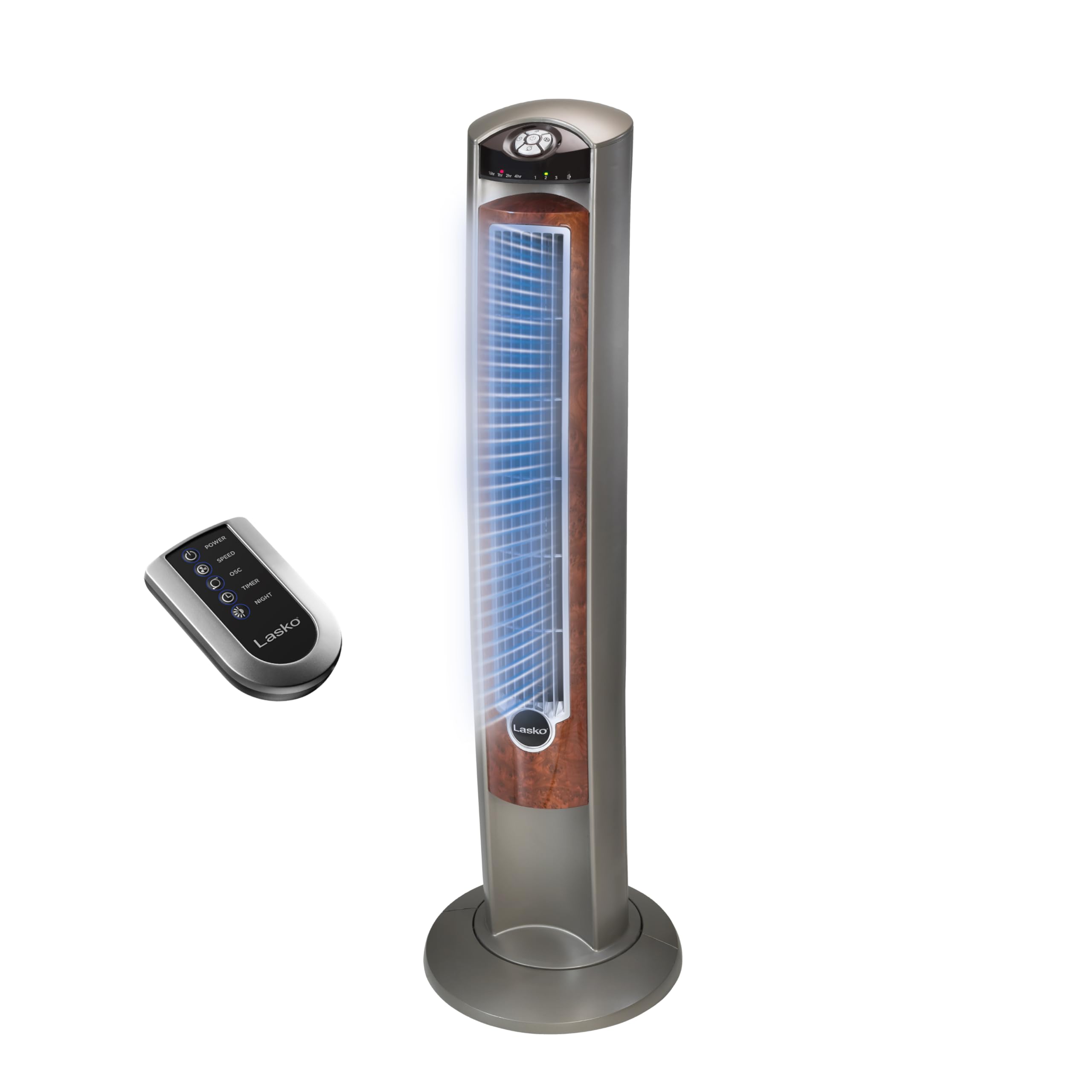
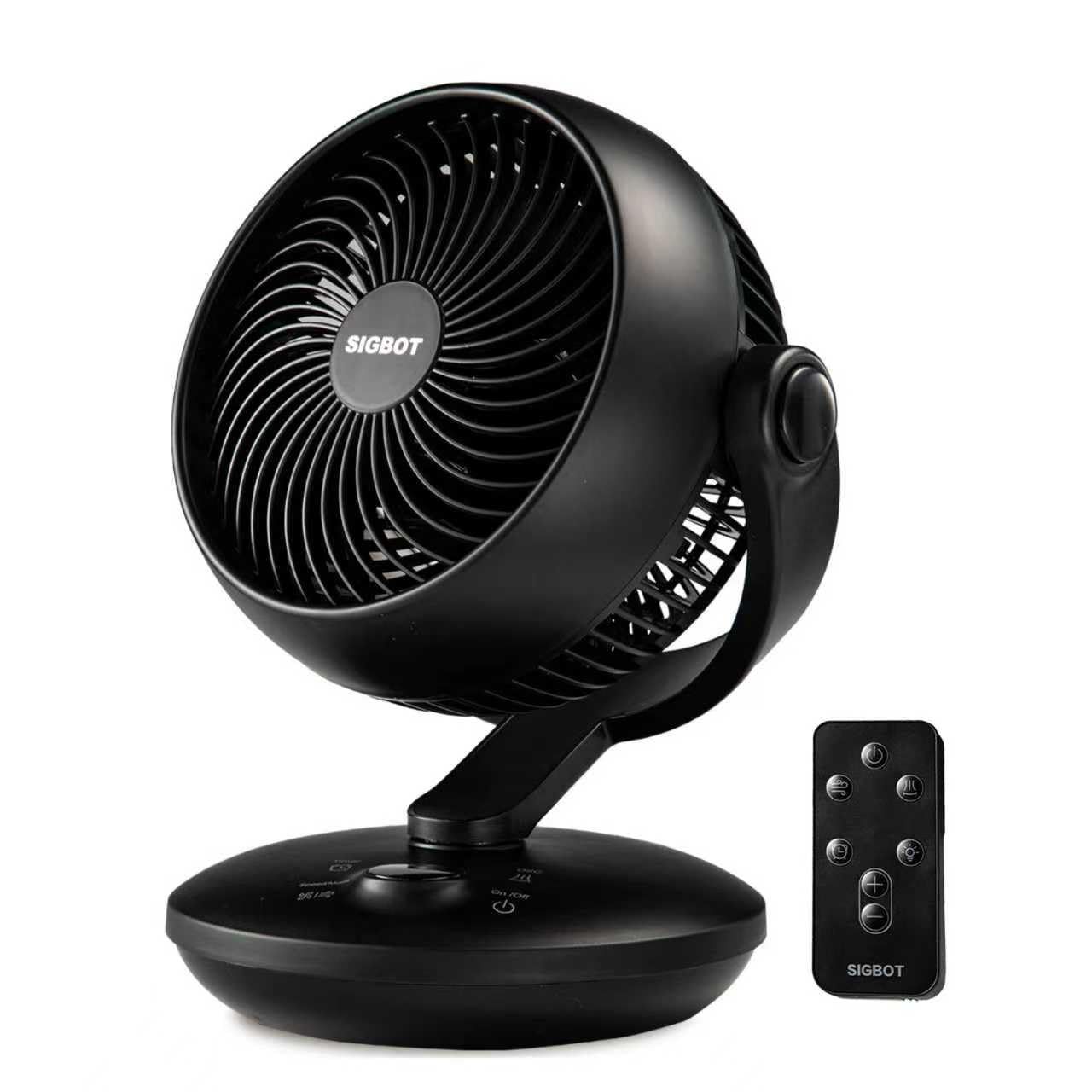
Finding the right fan for sleep depends on a delicate balance of acoustic profile, airflow adjustment, and space constraints, as a model that cools a living room effectively can easily disrupt rest with high-frequency motor whines or erratic wind gusts. The market features specialized sleep-optimized products—ranging from ultra-quiet tower units and targeted desk circulators to gentle pedestal models and compact personal fans—each engineered to address specific thermal comfort needs, noise sensitivities, and bedroom layouts.
Understanding the Anatomy of a Sleep-Friendly Fan
Selecting a fan specifically for nighttime use requires a different evaluation framework than choosing one for general daytime cooling. While daytime cooling often prioritizes raw CFM (cubic feet per minute) output and maximum velocity, nighttime performance hinges on a completely different set of physiological and acoustic parameters.
Acoustics and the Human Ear During Sleep
Human sleep architecture is divided into distinct stages, transitioning from light sleep to deep sleep and rapid eye movement (REM) cycles. During light sleep, the brain remains highly sensitive to auditory stimuli. Sudden decibel shifts, mechanical rattling, clicking relays, or high-pitched motor whines can trigger micro-awakenings that disrupt the sleep cycle without fully waking the sleeper.
A quality sleep fan produces a consistent, low-frequency "pink noise" or smooth broadband white noise. Pink noise features equal energy per octave, which mimics natural sounds like rustling leaves or steady rainfall and has been shown in acoustic studies to mask disruptive environmental sounds (such as traffic or snoring) while promoting slow-wave sleep.
Airflow Dynamics: Circulation Versus Direct Blast
Directly blowing high-velocity air onto the skin for hours can lead to localized muscle stiffness, dry nasal passages, and irritated eyes due to excessive evaporation of moisture.
Instead of a direct blast, the most effective sleep fans rely on whole-room air circulation or wide-angle oscillation. By moving the air in the bedroom continuously, these fans prevent thermal stratification—a phenomenon where warm air rises and traps stagnant, humid air around the bed—without creating an uncomfortable, localized draft.
1. The Vornado VFAN Jr. / Vintage Series: Best for Retro Styling and Directed Airflow
For sleepers who prioritize focused air movement with a heavy-duty, mechanical build, the Vornado vintage-style metal circulators offer a distinct combination of industrial performance and classic aesthetics.
| Feature | Vornado Vintage Series | Standard Plastic Box Fan |
|---|---|---|
| Primary Material | Cast Aluminum / Steel | Injection-Molded Plastic |
| Airflow Technology | Deep-Pitch Blade Action | Basic Propeller Action |
| Noise Profile | Low-frequency hum | High-frequency rattle |
| Ideal User | Hot sleepers needing durable, direct breeze | Budget-conscious room-wide airflow |
Performance and Build Quality
Unlike lightweight plastic competitors, the Vornado vintage line utilizes heavy-gauge metal construction that virtually eliminates the plastic creaking and resonant vibrations common in cheaper units. Its aerodynamic pitch design pulls air inward and forces it outward in a tight, twisting vortex capable of traversing an entire bedroom.
Who It Is Right For
- Durable goods enthusiasts: Individuals tired of flimsy plastic fans breaking after a single season.
- Hot sleepers who like a strong breeze: Those who prefer a robust, cooling current rather than passive room circulation.
- Aesthetic-driven buyers: People seeking mid-century or industrial room styling.
Limitations to Consider
On its highest setting, the Vornado produces a noticeable mechanical hum that may disturb light sleepers. It is best utilized on medium or low settings when placed on a nightstand close to the bed.
2. The Levoit Classic True Tower Fan: Best for Ultra-Quiet Room Circulation
Tower fans have become bedroom staples due to their vertical profile, which occupies minimal floor space while distributing air across a broad horizontal plane.
Acoustic Engineering and Air Delivery
The Levoit Classic True Tower Fan addresses the traditional weakness of tower models—motor strain and air-shredding noise—by incorporating a balanced aerodynamic impeller wheel and a brushless DC or optimized AC motor. At its lowest speeds, it generates a hushed whisper of air that registers well below standard ambient indoor noise floors.
Who It Is Right For
- Light sleepers and noise-sensitive individuals: Anyone who wakes up easily to mechanical whirs or clicks.
- Small bedroom residents: Those dealing with cramped quarters where a traditional pedestal fan's wide base would pose a tripping hazard.
- Allergy sufferers: Many tower units feature removable rear grilles that simplify dust maintenance, preventing allergen recirculation.
Limitations to Consider
Tower fans generally cannot match the raw air volume of a large-bladed pedestal fan, making them less ideal for unconditioned rooms during severe summer heatwaves.
3. Dyson Purifier Cool (TP07 / TP10): Best for Multi-Functional Air Purification and Cooling
For households managing both thermal comfort and indoor air quality, blade-less purifying fans represent a premium technological solution.
Dual-Purpose Engineering
These units combine a HEPA filtration system capable of capturing particulate matter (PM2.5, dust, pollen) with bladeless air multiplication technology. The absence of spinning blades eliminates the traditional chopped-air sound profile, resulting in a smooth, continuous laminar airflow.
Who It Is Right For
- Allergy and asthma sufferers: Individuals who need simultaneous air cleaning and cooling during high pollen seasons.
- Parents with young children: The bladeless design removes any risk of curious fingers contacting fast-moving parts.
- Smart home integrators: Users who want remote app control, automated night-mode scheduling, and real-time air quality reporting.
Limitations to Consider
The primary barrier is cost; purifying fans represent a significant financial investment compared to standard cooling fans. Additionally, replacement filters must be purchased periodically to maintain performance.
4. Honeywell QuietSet Whole Room Pedestal Fan: Best for Customizable Sound and Speed Profiles
Pedestal fans offer adjustable height and wide-radius oscillation, making them versatile choices for primary bedrooms with tall ceilings or elevated bed frames.
The QuietSet Technology Advantage
The Honeywell QuietSet platform features a digital control panel with multiple distinct speed settings explicitly labeled by noise level—ranging from whisper-quiet "Sleep" and "White Noise" modes up to high-output "Power" settings. This transparency allows users to select an exact acoustic profile before turning off the lights.
Who Is It Right For
- White noise dependent sleepers: People who rely on a steady sound mask to fall asleep and block out external noises.
- Variable climate regions: Users who experience mild spring nights one week and intense summer heatwaves the next, requiring a wide spectrum of fan speeds.
- Budget-conscious buyers seeking versatility: Those who want adjustable height without paying premium tower or bladeless prices.
Limitations to Consider
Pedestal fans possess a wider footprint due to their weighted round or cross-leg bases, which can consume valuable floor space in smaller bedrooms.
5. Honeywell TurboOn Personal Desk Fan: Best for Targeted Bedside Cooling
Sometimes, cooling an entire room is unnecessary or inefficient, particularly in shared bedrooms where one partner sleeps hot and the other prefers warmth.
Compact Power and Directional Tilt
The Honeywell TurboOn is a compact desk circulator designed to sit securely on a nightstand. Despite its small stature, its aerodynamic shroud pulls air through deep blades to project a concentrated stream of air up to several feet away, with a pivoting head that tilts up to 90 degrees.
Who It Is Right For
- Dorm room residents and apartment dwellers: Individuals with limited space and restricted budgets.
- Couples with mismatched thermal preferences: Hot sleepers who need targeted cooling directed solely at their side of the bed without freezing their partner.
- Frequent travelers: Those who require a familiar sleep climate and white noise machine when staying in hotels.
Limitations to Consider
Due to its small size and focused design, it will not cool a whole room or provide general air exchange for stagnant spaces.
Comparative Matrix: Evaluating Your Bedroom Cooling Options
To quickly determine which fan aligns with your specific sleeping environment, budget, and acoustic requirements, review the comparison below:
| Fan Model | Primary Form Factor | Noise Profile (Low Setting) | Standout Feature | Best Suited For |
|---|---|---|---|---|
| Vornado Vintage Series | Desktop / Floor | Moderate mechanical hum | Heavy-duty metal build, vortex action | Durability and direct air enthusiasts |
| Levoit Classic Tower | Tower | Extremely quiet whisper | Space-saving vertical profile | Light sleepers and tight spaces |
| Dyson Purifier Cool | Bladeless Tower | Very smooth, laminar | Integrated HEPA air purification | Allergy sufferers and tech integration |
| Honeywell QuietSet Pedestal | Pedestal | Adjustable digital levels | Explicit noise-level speed tiers | White noise seekers and variable weather |
| Honeywell TurboOn | Personal / Nightstand | Low to moderate | Compact footprint, deep tilt | Bedside targeting and dual sleepers |
Common Mistakes to Avoid When Choosing a Sleep Fan
Selecting the right hardware is only half the equation; how the fan is deployed within the bedroom environment dictates long-term sleep quality.
- Placing the fan too close to the body: Positioning a high-velocity fan inches from the face dries out mucous membranes, leading to morning congestion, sore throats, and dry eyes. Keep fans at least four to six feet away from the bed.
- Neglecting regular maintenance: Dust accumulation on fan blades creates aerodynamic drag, causes motor strain, unbalances the rotation axis, and triggers irritating rattling noises. Furthermore, neglected fans recirculate accumulated dust mites and allergens throughout the night. Clean blades and grilles monthly.
- Ignoring ambient room temperature thresholds: Fans do not lower ambient room temperature; they cool the human body via wind chill and convective evaporation. If room temperatures exceed safe thresholds during extreme heatwaves, relying solely on a fan can be insufficient to prevent heat-related sleep disruption.
Frequently Asked Questions
Can running a fan all night cause health problems?
Running a fan all night is generally safe for healthy adults, provided it is not positioned to blow directly onto the face or bare skin for extended periods, which can dry out nasal passages and skin. However, if the room accumulates excessive dust, an uncleaned fan can stir up allergens and trigger asthma or rhinitis symptoms.
How do I stop my bedroom fan from rattling over time?
Rattling is usually caused by loose front grilles, unseated blades, or vibrations against a nightstand or floor. Unplug the fan, tighten all visible screws, ensure the blade spinner cap is securely threaded, and place a thin anti-vibration silicone mat or rubber furniture pad beneath the fan base.
Is white noise from a fan better than a digital sound machine?
A physical fan provides dual benefits: it creates a natural acoustic white/pink noise profile while actively circulating air to prevent thermal buildup around the bed. Digital sound machines mask noise effectively but provide zero thermal comfort.
What is the ideal distance to place a fan from the bed?
The ideal distance is typically four to eight feet away. This distance allows the air stream to diffuse into a gentle, room-wide breeze rather than a harsh, drying draft, while still delivering consistent cooling performance.
How many CFM do I need for a standard bedroom?
For an average bedroom measuring roughly 150 to 200 square feet, look for a fan capable of delivering at least 300 to 500 CFM of airflow, or opt for a whole-room circulator designed to turn over the room's total air volume multiple times per hour.
Final Recommendation and Next Action
If you struggle with frequent night wakings caused by ambient noise or stuffy air, your best next step is to evaluate your bedroom layout and primary comfort obstacle. If noise sensitivity is your main hurdle, prioritize a high-end tower fan like the Levoit Classic or a multi-speed pedestal unit with explicit acoustic tiers. If you sleep hot and want robust, enduring performance, invest in a metal circulator or a purifying model. Measure your available bedside or floor space, check the manufacturer's decibel ratings if available, and select the unit that matches your environmental requirements for uninterrupted rest.