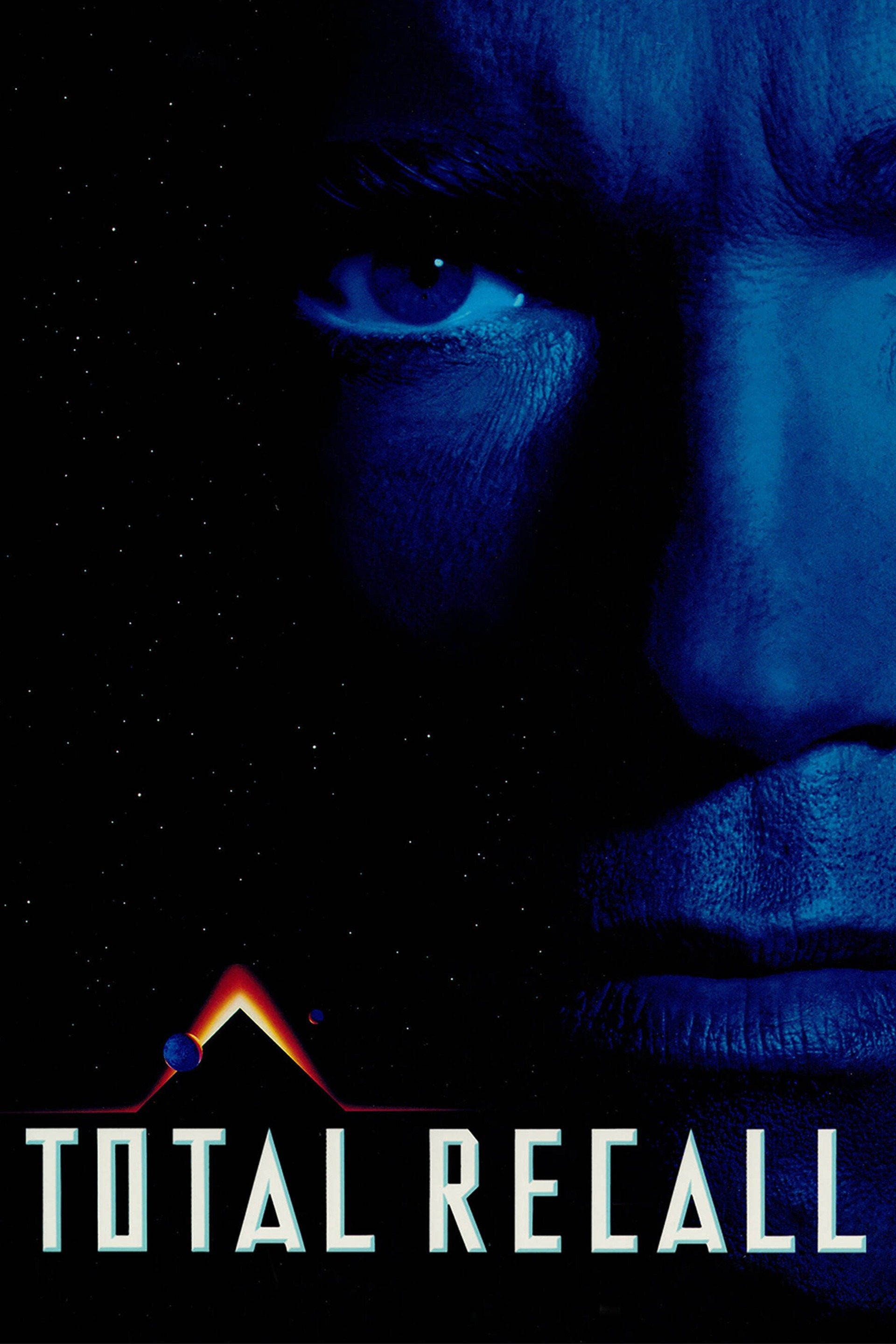
The Rotten Tomatoes score for the 2012 remake of Total Recall settled at a 31% approval rating based on over 200 critical reviews. This low aggregate percentage positioned the Len Wiseman-directed sci-fi action film as a commercial disappointment and a critical misfire, struggling to escape the shadow of Paul Verhoeven's 1990 original classic.
The Genesis of the 2012 Total Recall Remake
The decision to adapt Philip K. Dick’s 1966 short story "We Can Remember It for You Wholesale" a second time stemmed from Hollywood's ongoing pursuit of established intellectual properties with built-in global recognition. Columbia Pictures, along with co-producers Original Film, greenlit the project with a substantial reported production budget exceeding $125 million. Len Wiseman, known for directing the first two Underworld films and Live Free or Die Hard, stepped into the director's chair. Colin Farrell took on the central role of Douglas Quaid/Hauser, stepping into shoes previously worn by Arnold Schwarzenegger.
From its inception, the project faced considerable skepticism from film critics and science fiction purists. The 1990 adaptation directed by Paul Verhoeven enjoyed enduring cult status, celebrated for its unique blend of practical special effects, biting social satire, R-rated ultra-violence, and a distinct tone of gritty cyberpunk realism. In contrast, the 2012 iteration targeted a mainstream PG-13 rating, emphasizing sleek, sterile CGI vistas, slick hand-to-hand choreography, and futuristic urban transit systems reminiscent of Minority Report and Blade Runner. This stylistic pivot fundamentally altered the viewing experience, replacing Verhoeven's subversive camp with modern blockbuster aesthetics.
Dissecting the 31% Rotten Tomatoes Score
When Total Recall opened in theaters in August 2012, professional film critics quickly voiced their displeasure across major print and digital outlets. On Rotten Tomatoes, the aggregate score stabilized at 31%, meaning less than a third of the registered critics gave the film a positive review. The critical consensus on the platform highlighted that while the film featured slick visual effects and energetic action sequences, it lacked the humor, wit, depth, and memorable personality of its 1990 predecessor.
Reviewers frequently pointed out structural flaws in the script penned by Kurt Wimmer and Mark Bomback. While the 1990 original kept audiences guessing about whether Quaid's experiences were real or an implanted memory trip from Rekall, the 2012 version leaned heavily into a straightforward, predictable action-thriller narrative. The psychological ambiguity that defined Dick's original short story and Verhoeven's film was largely flattened out in favor of dizzying chase sequences through the fictional colony of "The Colony" and the capital city of "UFB" (United Federation of Britain).
Key Criticisms Highlighted by Reviewers
- Lack of Originality: Critics noted that the film borrowed heavily from other dystopian sci-fi properties without adding anything novel to the genre conversation.
- Tone and Rating Restrictions: The shift to a PG-13 rating sanitized the narrative, removing the visceral punch and dark irony that made the R-rated 1990 film stand out.
- Underdeveloped Characters: Performances by Colin Farrell, Kate Beckinsale, and Jessica Biel were often described as serviceable, but trapped within rigid, uninspired character arcs.
- Visual Exhaustion: Reviewers criticized the heavy reliance on CGI backdrops, neon lighting, and shaky-cam action direction, which obscured spatial awareness during fight scenes.
Box Office Performance and Commercial Reception
A weak Rotten Tomatoes score often impacts box office legs, and the 2012 Total Recall proved no exception. Despite opening during a competitive late-summer window, the film grossed approximately $58.8 million domestically and roughly $139.6 million internationally, totaling a worldwide gross of around $198.4 million against its hefty $125 million production budget (not accounting for tens of millions spent on global marketing and distribution).
Industry analysts classified the film as a box office disappointment. It failed to launch the planned franchise or generate the long-term merchandising interest that studios typically require from mega-budget science fiction blockbusters. The failure demonstrated that mere brand recognition and modern visual effects were insufficient to guarantee audience loyalty when word-of-mouth and critical reception aligned negatively.
Comparing the 1990 Original and the 2012 Remake
To understand why the 2012 film received such a starkly different critical reaction, comparing key production and narrative elements between the two adaptations provides essential context.
| Feature / Element | 1990 Original (Dir. Paul Verhoeven) | 2012 Remake (Dir. Len Wiseman) |
|---|---|---|
| Rotten Tomatoes Score | ~82% Positive | ~31% Positive |
| MPAA Rating | Rated R (Extreme violence, gore, language) | Rated PG-13 (Sci-fi action violence, brief language) |
| Primary Setting | Earth and terraformed Mars | Earth (The Colony and United Federation of Britain) |
| Central Protagonist | Douglas Quaid / Arnold Schwarzenegger | Douglas Quaid / Colin Farrell |
| Antagonist | Vilos Cohaagen (Ronny Cox) | Chancellor Cohaagen (Bryan Cranston) |
| Special Effects Focus | Practical makeup, miniature models, animatronics | CGI landscapes, digital set extensions, wire-fu |
Audience Reception Versus Critical Consensus
While professional critics on Rotten Tomatoes gave the film a failing grade with its 31% score, the audience meter (often referred to as the Popcornmeter) painted a slightly more forgiving, though still lukewarm, picture. General moviegoers awarded the film an audience approval score hovering around 48% to 50%.
This discrepancy highlights a common phenomenon in modern cinema where mainstream audiences evaluate blockbusters through a different lens than professional reviewers. Viewers seeking a straightforward, visually dynamic action movie for a weekend evening found some entertainment value in the set pieces, particularly the gravity-defying elevator transit system known as "The Fall" that drills through the center of the Earth. However, even among casual viewers, the film rarely achieved true cult classic status, fading from mainstream cultural memory quickly after its home video release.
Frequently Asked Questions
What was the exact Rotten Tomatoes score for Total Recall in 2012?
The 2012 remake of Total Recall holds a 31% approval rating on Rotten Tomatoes, derived from over 200 individual critic reviews. This places it firmly in the "rotten" category on the platform's rating scale.
Why did critics prefer the 1990 version over the 2012 remake?
Critics favored the 1990 original because of its distinctive directoral voice under Paul Verhoeven, effective blend of practical special effects, dark satire, R-rated edge, and clever psychological ambiguity regarding the main character's reality.
Did the 2012 Total Recall make a profit at the box office?
The film grossed roughly $198.4 million worldwide against a production budget of $125 million. Taking marketing costs and theater revenue splits into account, studio accountants generally consider the film a financial underperformer that failed to turn a significant profit.
Is the 2012 Total Recall connected to the 1990 movie?
No, the 2012 film is a separate cinematic adaptation of Philip K. Dick's 1966 short story "We Can Remember It for You Wholesale." It shares no direct continuity, casting, or storyline links with the Arnold Schwarzenegger vehicle.
Where can I watch the 2012 Total Recall in 2026?
Streaming availability for the 2012 Total Recall varies by region and platform rotation. Viewers can check major digital storefronts such as Apple TV, Amazon Prime Video, Vudu, or subscription streaming services to verify current licensing availability in their local market.
Conclusion and Final Recommendation
The 31% Rotten Tomatoes score earned by the 2012 Total Recall serves as a textbook example of how slick modern production values cannot salvage a derivative script and a sanitized tone. For viewers deciding whether to watch the film, approach it as a standard, brain-off action flick rather than a deep, thought-provoking science fiction masterwork. Those seeking genuine thematic depth and memorable genre filmmaking are better served revisiting the 1990 original.