A successful 30-second commercial packs a complete narrative arc, a compelling value proposition, and a clear call to action into a tightly managed timeframe. By studying established examples across retail, technology, and service sectors, marketers can learn how to balance pacing, visual storytelling, and concise copywriting to drive maximum consumer engagement.
The 30-second commercial remains a staple of both traditional broadcast television and digital video platforms like YouTube, Hulu, and connected TV (CTV) networks. In an era defined by fleeting consumer attention spans, this timeframe forces creators to eliminate superfluous elements and focus entirely on core messaging. Understanding how major brands utilize these thirty seconds provides a practical blueprint for developing your own video campaigns, whether you are working with a lean independent budget or executing a multi-channel enterprise strategy.
Anatomy of a 30-Second Commercial
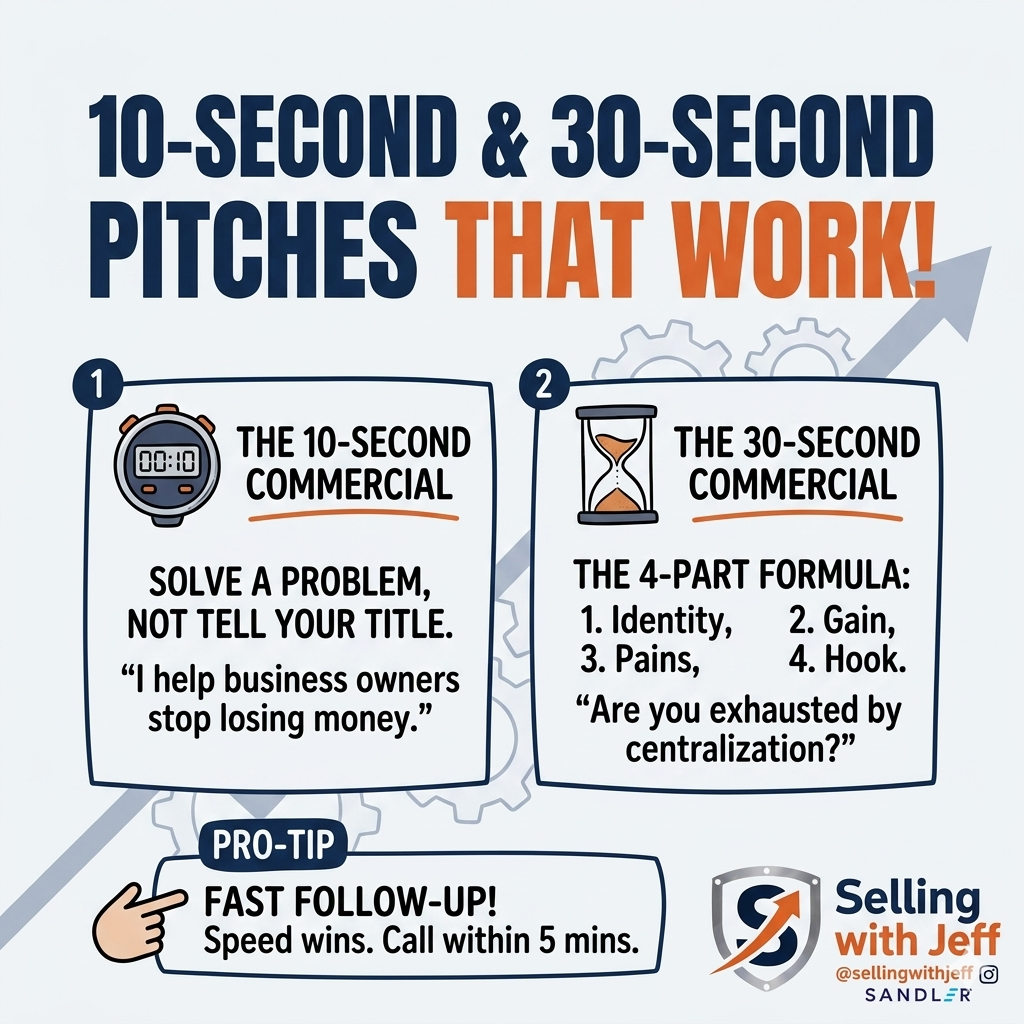
To understand how effective short-form advertisements work, it is necessary to examine their structural components. Thirty seconds is a remarkably short window—roughly 65 to 75 spoken words at a normal conversational pace. Every frame, sound effect, and line of dialogue must earn its place.
The standard structural model divides the 30-second spot into three distinct chronological phases:
- The Hook (0–5 Seconds): Captures immediate attention, introduces the core problem or visual curiosity, and prevents viewers from clicking away or changing the channel.
- The Body/Value Proposition (5–20 Seconds): Delivers the core message, demonstrates the product or service in action, and highlights unique benefits or emotional resonance.
- The Call to Action and Resolution (20–30 Seconds): Resolves the narrative tension, displays brand logos or taglines, and tells the viewer precisely what step to take next.
Mastering this pacing prevents the commercial from feeling rushed while ensuring that the brand identity is not lost in the narrative. If the hook is too abstract, viewers drop off before understanding the product. If the call to action is too brief, conversion rates suffer.
Classic Categories of 30-Second Commercials
Different marketing goals require different creative approaches. Analyzing examples by category reveals how diverse formats achieve distinct strategic objectives.
The Problem-Solution Spot
This traditional format identifies a common consumer pain point in the first few seconds, introduces the advertised product as the definitive remedy, and demonstrates the positive outcome. It is particularly effective for household goods, software-as-a-service (SaaS) platforms, and personal care items.
- Structure: 5 seconds establishing frustration; 10 seconds demonstrating the product; 10 seconds showing user satisfaction and ease of use; 5 seconds for branding and pricing.
- Why it works: It relies on immediate cognitive recognition. When viewers see a problem they experience daily, they invest mental energy in the solution.
The Emotional Narrative Spot
Instead of focusing heavily on technical features, emotional spots build a narrative arc centered on human connection, nostalgia, aspiration, or humor. Insurance companies, automotive brands, and non-profit organizations frequently employ this style.
- Structure: 8 seconds setting an emotional or humorous scene; 12 seconds developing the character or story arc; 5 seconds introducing the brand as an enabler of the positive outcome; 5 seconds for logo and tagline.
- Why it works: Human memory is heavily tied to emotional arousal. Viewers may forget specific feature lists, but they rarely forget how a commercial made them feel.
The Product Showcase (High-Impact Visuals)
Commonly used in consumer electronics, fashion, and beverage marketing, these spots rely on striking cinematography, fast cuts, rhythm, and product close-ups rather than dialogue.
- Structure: Continuous rhythmic pacing, often synchronized with an upbeat soundtrack or distinctive sound design, highlighting sleek design elements, colors, and textures before concluding with a stark, memorable brand mark.
- Why it works: It treats the product as art, creating a sense of luxury, innovation, or desirability without bogging down the viewer in technical specifications.
| Commercial Category | Primary Strategic Goal | Ideal Target Audience | Typical Pacing Style |
|---|---|---|---|
| Problem-Solution | Demonstrate utility and drive immediate trial | Mass-market consumers seeking efficiency | Direct, logical, fast transitions |
| Emotional Narrative | Build long-term brand affinity and loyalty | Broad demographics responsive to storytelling | Gradual build, character-driven, resonant |
| Product Showcase | Highlight aesthetic appeal and innovation | Niche or aspirational buyers, tech enthusiasts | Rhythmic, visual-heavy, sleek editing |
Production Logistics and Budget Considerations
Producing a professional 30-second commercial involves balancing creative ambition with practical constraints. While major national brands routinely invest hundreds of thousands—or millions—of dollars into single broadcast spots, modern production techniques allow smaller businesses to achieve high production values on modest budgets.
Scriptwriting and Storyboarding
Writing for a 30-second spot requires ruthless editing. Every sentence in the script should be timed aloud. As a general rule of thumb, one spoken page of script equals roughly two minutes of screen time, meaning a 30-second spot requires a script of approximately one-quarter page.
- Storyboards translate written concepts into visual panels.
- Animatic versions (rough video drafts synced with voiceover and scratch music) help producers identify pacing issues before booking cameras or actors.
Talent and Crew Requirements
Depending on the creative direction, a production crew may include a director, director of photography (DP), sound recordist, gaffer, and production designer. For minimalist or user-generated content (UGC) style ads, teams can be streamlined significantly. Securing reliable talent—whether professional actors or authentic everyday presenters—is critical, as unconvincing performances undermine viewer trust instantly.
Licensing, Rights, and Distribution Costs
Creating the commercial is only part of the financial equation. Marketers must account for:
- Music Licensing: Using popular commercial tracks requires expensive synchronization and master use licenses. Many brands opt for custom composition or royalty-free production libraries to control costs.
- Talent Residuals: Broadcast television commercials often require union (SAG-AFTRA) or non-union talent buyouts based on where and how long the spot airs.
- Media Buys: Airtime costs vary wildly between local cable slots, national broadcast primetime events, and targeted digital programmatic placements on platforms like YouTube or Meta.
Common Pitfalls in Short-Form Commercials
Even experienced marketing teams can miscalculate when working within a tight 30-second window. Avoiding common strategic missteps ensures your investment yields measurable results.
- Overcrowding the Narrative: Attempting to explain three distinct product features, share a company founding story, and list three different promotional offers within thirty seconds leads to cognitive overload. Stick to one central message per spot.
- Delayed Branding: Waiting until the final second to introduce your brand name often backfires. If viewers skip the ad or look away at second 28, they will never register who made the video. Integrate subtle brand cues (product packaging, brand colors, watermarks) throughout the runtime.
- Neglecting Sound-Off Viewing: A significant percentage of digital and social media viewers watch video content with the audio muted by default. Relying solely on voiceover without utilizing captions, on-screen text, or strong visual storytelling alienates muted audiences.
- Vague Calls to Action: Concluding with a generic phrase like "Learn More Today" without specifying where or how creates friction. Direct users explicitly to a memorable landing page, a specialized promo code, or a direct download link.
Step-by-Step Guide to Planning Your Commercial
Executing a successful 30-second commercial requires a methodical workflow from conception to final delivery.
- Define the Core Objective: Determine whether the spot is designed for direct response, brand awareness, or product launches. Your primary goal dictates the script structure.
- Determine the Format and Tone: Decide whether your concept calls for live-action narrative, motion graphics, comedy, or direct-to-camera demonstration based on your brand identity.
- Draft the Script and Time It: Write out the dialogue and visual cues. Read the script aloud using a stopwatch to ensure it comfortably fits within 25 to 28 seconds, leaving a slight cushion for natural pauses.
- Produce Storyboards or Animatic Pre-Visualizations: Map out each camera angle, lighting cue, and transition. Share the storyboard with stakeholders to secure alignment before filming begins.
- Execute Production and Post-Production: Shoot the footage, record clean audio, edit the sequence to match your selected music track, and color grade the final cut. Export deliverables in the specific aspect ratios and codecs required by your target distribution channels.
Frequently Asked Questions
How many words should be in a 30-second commercial script?
A standard 30-second commercial script typically contains between 65 and 75 words. This allows for a natural, conversational speaking pace that does not feel rushed, leaving adequate room for sound effects, dramatic pauses, or musical bridges.
What is the average cost to produce a 30-second commercial?
Production costs vary dramatically based on scope. Simple digital ads utilizing local talent and minimal gear can range from $1,500 to $5,000. Mid-tier commercial productions with professional crews, custom casting, and licensed music often range from $10,000 to $50,000, while national broadcast campaigns frequently exceed six figures.
Can a 30-second commercial work effectively on social media?
Yes, but adaptations are often necessary. Social media platforms like Instagram, TikTok, and YouTube Shorts frequently favor vertical 9:16 aspect ratios, bold on-screen captions for silent viewing, and faster initial hooks within the first three seconds compared to traditional horizontal 16:9 broadcast television spots.
How do I ensure my brand name is remembered in a short spot?
Integrate your brand identity early and often without being obtrusive. Feature product packaging clearly in the mid-section, use brand color palettes consistently throughout the cinematography, and display your logo lockup alongside a clear call to action during the final ten seconds.
Next Actions for Marketers
If you are preparing to produce a 30-second commercial, start by auditing your existing marketing assets. Identify your single most compelling product benefit or customer pain point, and draft three distinct 70-word script concepts around it. Test these concepts internally by reading them aloud with a timer before committing budget to storyboarding and production. By focusing on narrative clarity, tight pacing, and targeted distribution, your short-form commercial will capture attention and drive meaningful engagement.