When evaluating a three-star reviewed sleep product, the primary question is whether an average rating signals deal-breaking design flaws or merely minor compromises that fit a specific budget or sleeper profile. Deciding which gel foam mattress wins for you depends entirely on balancing trade-offs like thermal regulation, edge support, and pressure relief against your sleeping position and weight.
Understanding the Three-Star Mattress Dilemma
In the landscape of mattress reviews, a three-star rating often occupies a frustrating middle ground. Unlike five-star models that universally please or one-star products plagued by structural failures, a three-star verdict typically means a mattress performs well in some areas while falling short in others. For shoppers navigating the saturated bedding market, dissecting these mid-tier evaluations requires looking past aggregate scores to examine individual material properties, construction methods, and user ergonomics.
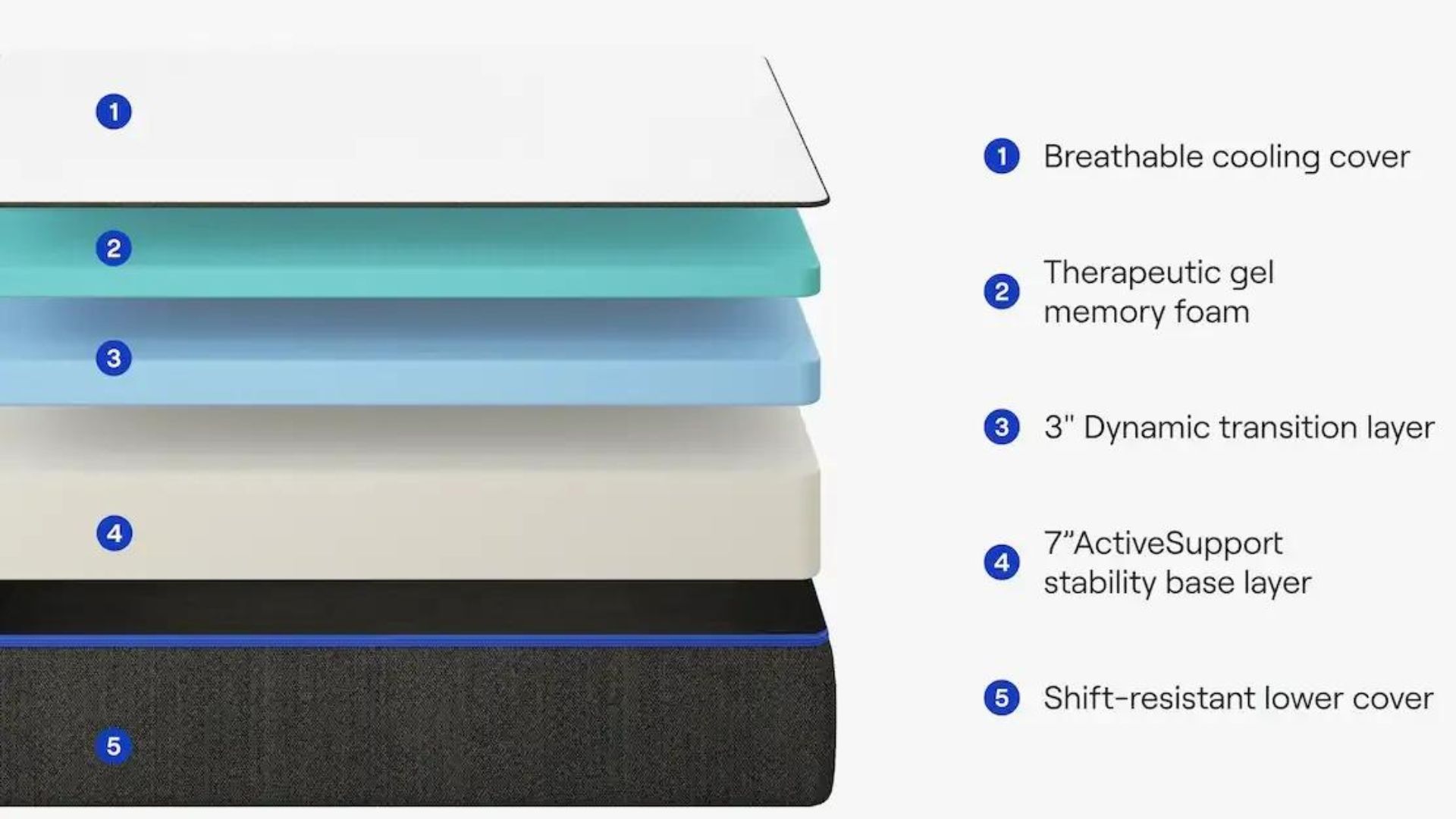
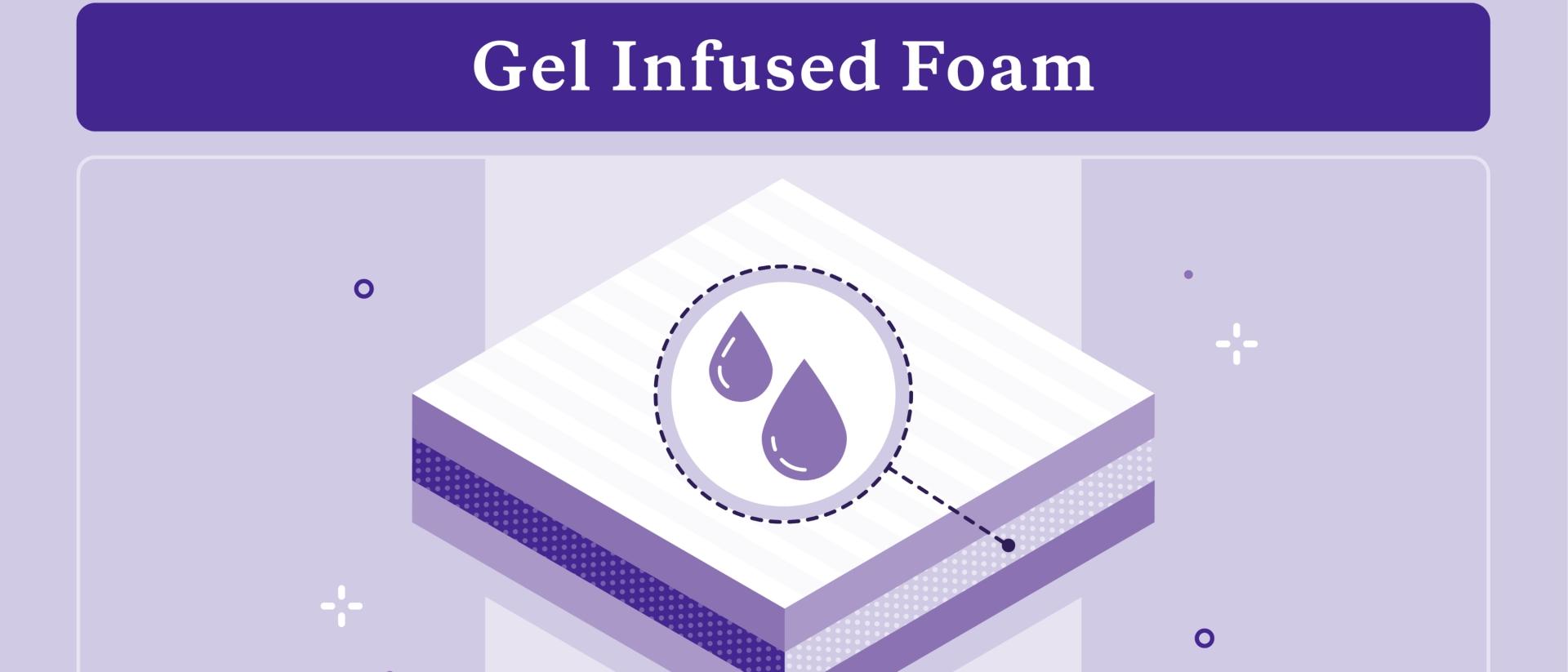
Gel foam mattresses are engineered to solve a classic memory foam drawback: heat retention. By infusing traditional polyurethane or memory foam with gel beads, phase-change materials, or copper infusions, manufacturers aim to dissipate body heat more effectively. However, the addition of gel does not automatically guarantee a cool night’s rest or superior durability. When reviewers award a mattress three out of five stars, it frequently points to average motion isolation, moderate pressure relief, or a cooling effect that diminishes over time.
Choosing the right mattress from this category means identifying which compromises you can comfortably live with. A side sleeper prioritizing deep pressure relief may forgive a three-star mattress for having weak edge support, whereas a combination sleeper who moves frequently might be frustrated by a slow-responding foam that lacks bounce. Understanding your personal sleep hygiene requirements is the first step toward turning a mediocre review score into an informed purchasing decision.
Core Evaluation Metrics for Gel Foam Mattresses
To determine which gel foam mattress aligns with your needs, you must evaluate them across several objective performance metrics. While marketing materials often highlight proprietary foam densities and cooling technologies, standardized testing reveals how these beds handle real-world conditions.
Pressure Relief and Spinal Alignment
Memory and gel foams are prized for their ability to contour to the body's natural curves, distributing weight evenly across the surface. A three-star mattress in this category often provides adequate contouring for lightweight sleepers but may allow heavier individuals to sink too deeply, throwing the spine out of neutral alignment. Look for high-density transition layers beneath the gel-infused comfort layer to ensure proper lumbar support throughout the night.
Temperature Regulation and Breathability
Gel infusions are marketed as cooling solutions, but their effectiveness varies drastically. Open-cell foam structures, gel-swirl layers, and phase-change material (PCM) covers all handle thermal loads differently. A three-star cooling rating usually indicates that the mattress sleeps neutral—neither uncomfortably hot nor refreshingly cool—during standard room temperatures, but may trap heat during warmer summer months or for naturally hot sleepers.
Motion Isolation and Responsiveness
Couples often gravitate toward gel foam because it absorbs kinetic energy, preventing a partner’s movements from waking the other. However, high motion isolation can sometimes create a "quick-sand" effect, making it difficult to change sleeping positions. Mid-tier mattresses often struggle to strike the ideal balance between isolating motion and offering enough bounce for easy repositioning.
Edge Support and Durability
All-foam mattresses notoriously struggle with edge support compared to traditional innerspring or hybrid models. A three-star verdict frequently stems from significant sinkage when sitting on the perimeter of the bed. Furthermore, lower-density comfort foams are prone to developing body impressions over time, shortening the functional lifespan of the mattress.
Comparative Breakdown of Mid-Tier Gel Foam Options
To clarify how different construction styles affect performance, the following table compares common structural configurations found in three-star gel foam and hybrid mattresses.
| Mattress Type | Primary Material Composition | Average Pros | Common Cons (Three-Star Complaints) | Best Suited For |
|---|---|---|---|---|
| All-Foam Gel Mattress | High-density base foam, polyfoam transition layer, gel-infused memory foam top. | Excellent motion isolation, strong pressure relief for lighter frames. | Weak edge support, trapped body heat over long durations, potential sagging. | Strict side sleepers, lightweight individuals, guest bedrooms. |
| Gel Foam Hybrid | Pocketed steel coils topped with gel-infused memory foam and comfort layers. | Superior airflow through coils, responsive bounce, reinforced edge support. | Higher motion transfer than all-foam, potential coil noise over time. | Combination sleepers, heavier individuals, sleepers transitioning from innersprings. |
| Open-Cell Gel Foam | Aerated polyurethane foam infused with cooling gel matrices. | Enhanced breathability, lighter initial feel, good immediate cooling. | Less durable over time, softer overall feel that lacks deep support. | Hot sleepers who prefer a softer surface and do not require heavy lumbar support. |
Matching Your Sleep Profile to the Right Mattress
Your sleeping position and body weight dictate which structural compromises are acceptable and which will disrupt your rest. A mattress that earns a mediocre review from a stomach sleeper might be ideal for a side sleeper.
Side Sleepers
Side sleepers concentrate their body weight onto two primary pressure points: the shoulders and the hips. If a gel foam mattress is too firm, it causes pressure accumulation and numbness. A three-star gel foam mattress with a plush comfort layer can offer the necessary sinkage for side sleepers, provided the underlying support core prevents the hips from dropping out of alignment.
Back and Stomach Sleepers
Back and stomach sleepers require a firmer, more supportive surface to keep the spine flat and prevent the lower back from arching downward. Mid-range gel foam models often receive three stars from heavier back sleepers because the comfort layer compresses completely, forcing the body to rest against the dense, unyielding base foam. If you sleep primarily on your stomach, look for a model with a dense transition layer or a hybrid construction that incorporates pocketed coils.
Combination Sleepers
If you shift positions throughout the night, you need a mattress that responds quickly to movement. Traditional slow-recovery memory foam can make shifting positions feel like physical exertion. Three-star gel foam models that utilize open-cell technology or hybrid coil bases generally offer the responsiveness required for combination sleepers without sacrificing pressure relief.
Common Pitfalls and How to Avoid Them
Navigating mid-tier mattress options involves recognizing common marketing claims and structural limitations. Being aware of these pitfalls ensures you choose a product that meets your expectations.
- Overlooking Density Specifications: Do not rely solely on marketing terms like "cooling gel." Check the foam density specifications; comfort layers below 3.5 pounds per cubic foot are more susceptible to premature sagging.
- Ignoring Foundation Requirements: All-foam and gel mattresses require a sturdy, flat foundation, such as a platform bed or slatted base with gaps no wider than three inches. Placing a foam mattress on an old, sagging box spring will accelerate structural breakdown.
- Misinterpreting Trial Periods: Always verify the return policy and warranty terms. A three-star mattress may feel acceptable during a standard 30-night trial, but material degradation often manifests after several months of continuous use.
- Neglecting Weight Capacities: Standard all-foam mattresses may lack the structural integrity needed for sleepers weighing over 230 pounds, leading to rapid loss of support and lower back discomfort.
Frequently Asked Questions
What does a three-star rating actually mean for a gel foam mattress?
A three-star rating typically indicates an average product that performs adequately in some areas—such as motion isolation or initial comfort—while falling short in others, like edge support, cooling longevity, or durability for heavier sleepers.
Are gel infusions effective at keeping the bed cool all night?
Gel infusions help dissipate heat upon initial contact by conducting thermal energy away from the body. However, unless the mattress features advanced open-cell structures or phase-change material covers, the gel layer can eventually absorb heat and equalize with body temperature over the course of an eight-hour sleep cycle.
Do I need a special frame for a gel foam mattress?
Yes, gel foam and memory foam mattresses require solid, even support. Slatted frames, platform beds, and adjustable bases are ideal. Avoid traditional wire spring box springs, as they can cause the flexible foam layers to sag into the gaps.
How long should a mid-tier gel foam mattress last?
On average, a mid-range gel foam mattress maintains its supportive properties for five to seven years. Higher-density foams and hybrid constructions may last longer, whereas lower-density budget models can show significant body impressions within three to four years.
Can a mattress topper fix a three-star gel foam mattress?
A high-quality latex or memory foam topper can temporarily alter the surface feel, adding pressure relief or plushness. However, a topper cannot fix foundational issues such as weak edge support, insufficient lumbar support, or deep structural sagging in the core layers.
Final Recommendations for Your Purchase
Choosing the right gel foam mattress when evaluating mid-tier options requires a realistic assessment of your personal priorities. If you are a lightweight sleeper or utilize a guest room where usage is infrequent, a three-star gel foam mattress often represents a cost-effective solution that balances comfort and price. Conversely, if you require robust edge support, sleep hot throughout the night, or carry a heavier frame, investing in a hybrid model or a higher-density foam construction will yield better long-term spinal support and sleep quality. Always cross-reference user reviews with verified physical specifications to ensure the mattress matches your ergonomic needs.