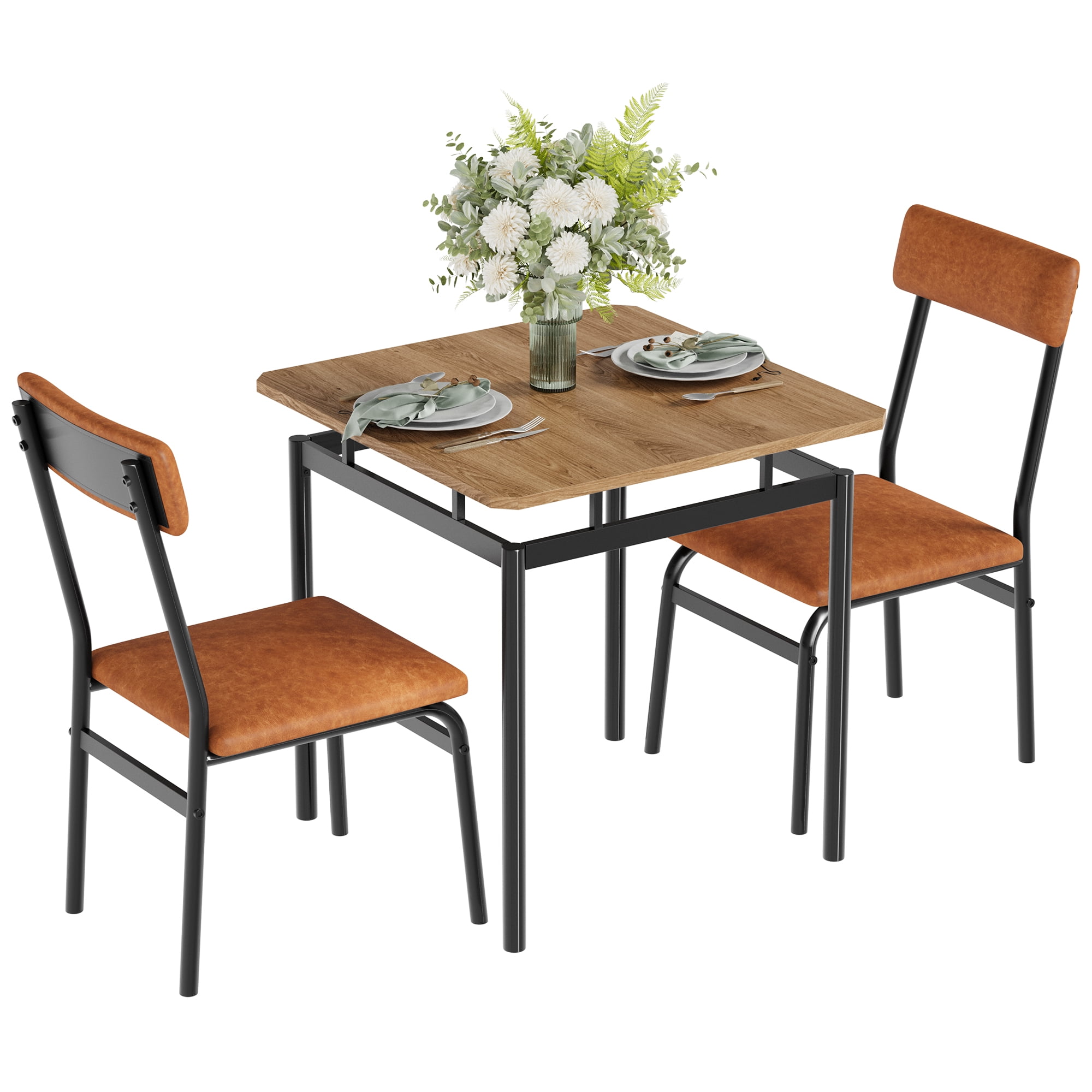
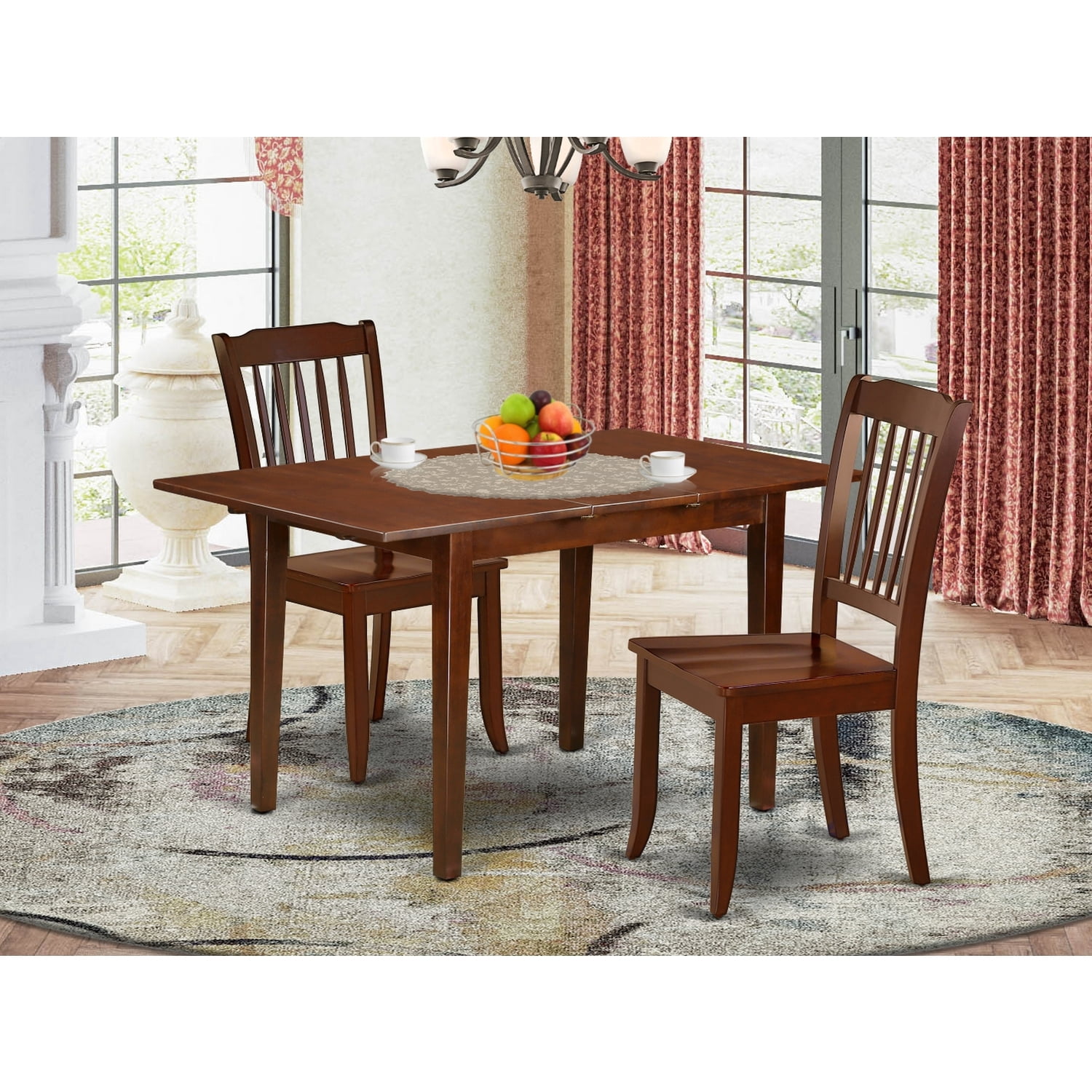
A 3 piece dining set consisting of a compact table and two matching chairs provides an efficient, space-saving layout for small apartments, studio kitchens, and breakfast nooks. These configurations maximize square footage by allowing chairs to tuck completely underneath the tabletop, offering a functional dining and workspace solution without overwhelming narrow rooms.
Selecting furniture for limited square footage requires a careful balance of physical dimensions, material composition, ergonomic comfort, and visual weight. As urban living spaces shrink and open-concept micro-apartments become increasingly common, standard four-chair dining tables often prove too bulky, blocking natural pathways and making rooms feel cramped. A 3 piece dining set for small spaces addresses this challenge directly. By understanding how to measure your room, evaluate structural materials, and select the right shape, you can transform a tight corner or compact kitchen into a welcoming and fully functional dining area.
Understanding the Small Space Dining Challenge
Furnishing a compact room demands meticulous planning. Before browsing catalog options or comparing styles, you must analyze the physical constraints of your space. Small-space living is not merely about finding small furniture; it is about establishing a functional flow where furniture adapts to human movement.
The primary obstacle in compact rooms is traffic flow, often referred to by interior designers as clearance space. Standard architectural guidelines recommend leaving at least 36 inches of clearance around a table so that individuals can pull out chairs and walk past comfortably. In a studio apartment or a narrow kitchen, maintaining a 36-inch clearance on all four sides is rarely practical. Consequently, selecting a 3 piece dining set allows you to push the table directly against a wall or tuck it into a corner, effectively cutting the required clearance zones in half.
Furthermore, visual weight plays a vital psychological role in small spaces. Heavy, dark wood furniture creates a barrier to light and sightlines, making a room feel smaller than its actual dimensions. Conversely, transparent materials, slender metal legs, and light-colored wood finishes maintain visual continuity, allowing light to pass through and preserving an open, airy atmosphere.
Key Configurations and Shapes of 3 Piece Dining Sets
When shopping for a compact dining arrangement, you will encounter several distinct shapes and configurations. Each design serves a unique spatial purpose, and matching the shape to your room layout is critical for maximizing utility.
Round Tables and Pedestal Bases
Round tables are exceptional for small spaces because they eliminate sharp corners, which prevents painful bumps in narrow walkways. A round 3 piece dining set creates a softer visual line in square rooms.
- Pedestal vs. Four-Legged: Pedestal bases—where a single central column supports the tabletop—are vastly superior to four-legged designs in tight spots. They eliminate leg obstructions, allowing diners to cross their legs freely and making it much easier to slide chairs completely out of sight.
- Ideal Placement: Floating slightly off a corner or anchored in a modest breakfast nook.
Square Tables and Drop-Leaf Designs
Square tables fit naturally into corners and against flat walls, making them champions of space efficiency.
- Drop-Leaf Mechanisms: A drop-leaf square table features hinged flaps on one or two sides that can be lowered when not in use. When you need extra surface area for dining or meal prep, you simply lift the leaf and secure its support bracket.
- Ideal Placement: Flush against a kitchen wall, doubling as an impromptu desk during work hours.
Bistro Sets and Counter-Height Options
Bistro sets typically feature a smaller tabletop surface paired with taller chairs or stools.
- Visual Elevation: Counter-height or bar-height sets draw the eye upward, creating an illusion of vertical space. Because the stools are tall and narrow, they take up very little floor footprint.
- Dual Purpose: Counter-height tables double effectively as kitchen islands or prep stations when counter space is limited.
Material Selection for Durability and Aesthetics
The materials used in your 3 piece dining set dictate its longevity, weight, and stylistic impact. In compact environments, structural integrity is just as important as appearance because furniture often serves multiple functions, acting as a dining table, a desk, and a staging area for groceries.
Solid Wood vs. Manufactured Wood
Solid wood offers unmatched durability and natural warmth. Hardwoods like oak, rubberwood, and acacia withstand daily wear and tear exceptionally well. However, solid wood can be heavy and susceptible to moisture damage if not properly sealed.
Manufactured wood, such as medium-density fiberboard (MDF) topped with a wood veneer or laminate, provides a lighter and often more budget-friendly alternative. High-quality laminates resist scratching and staining, making them ideal for households that use their dining table for heavy food preparation or craft projects.
Metal Frames and Glass Tops
For maximum spatial openness, metal frames combined with glass tabletops represent a premier choice.
- Metal Strength: Powder-coated steel or iron frames offer exceptional structural strength with remarkably thin profiles. This thinness reduces the physical footprint of the legs.
- Glass Reflection: A tempered glass tabletop allows light to travel straight through to the floor below. This tricks the eye into perceiving more open space, making even the smallest studio apartment feel larger. The primary drawback is maintenance, as glass surfaces require frequent wiping to remove fingerprints and smudges.
Evaluating Comfort and Ergonomics
A dining set that looks wonderful in a product photograph serves little purpose if sitting at it for twenty minutes causes lower back pain. Space constraints should never completely compromise ergonomic support.
When assessing chairs for a 3 piece set, examine the seat height relative to the table. Standard dining tables sit roughly 28 to 30 inches off the floor, requiring chairs with a seat height of 17 to 19 inches. Counter-height sets feature tables around 36 inches high and stools around 24 inches high.
Look for chairs with subtle contouring in the backrest to support the lumbar region. If the chairs are entirely made of hard wood or metal without padding, consider whether you can add custom-tie seat cushions without making the seating position uncomfortably high relative to the tabletop. Upholstered seats offer immediate comfort, but verify that the fabric is stain-resistant, particularly if the dining set will occupy a combined kitchen-and-living space where spills are likely.
Comparing Small-Space Dining Options
To help visualize how different styles fit specific room constraints, the comparison table below outlines the primary configurations, their best use cases, and notable trade-offs.
| Set Type | Best Spatial Application | Key Advantage | Primary Limitation |
|---|---|---|---|
| Round Pedestal Set | Tight corners and square rooms | No corner bumps; easy chair tucking | Limited surface area compared to rectangular tables |
| Drop-Leaf Square Set | Multipurpose rooms and studio apartments | Expandable surface area on demand | Hinged mechanisms require careful handling over time |
| Counter-Height Bistro Set | Narrow kitchens and open-plan lofts | Doubles as a kitchen prep island | Taller stools can feel unstable for small children or elderly guests |
| Glass-Top Metal Frame Set | Dark or very small rooms | Maximizes light flow and visual openness | Requires frequent cleaning to eliminate fingerprints |
Step-by-Step Guide to Measuring and Buying
Purchasing furniture online or in-store without precise measurements is the single most common reason for returns and buyer's remorse. Follow this structured sequence to guarantee a seamless fit.
- Map the Room Boundary: Use painter's tape on your floor to outline the maximum footprint you wish the dining set to occupy. Leave at least 24 to 30 inches of pull-out space for chairs wherever possible.
- Verify Vertical and Horizontal Clearance: Measure doorways and hallway turns that the delivery boxes must navigate. Inside the room, check if windows open inward where the table might sit, or if baseboard heaters will be obstructed.
- Calculate Seating Stash Space: Confirm that the chairs can slide completely underneath the table apron when not in use. If the chairs stick out even six inches into a narrow walkway, they will disrupt foot traffic.
- Check Weight Capacity: Review manufacturer specifications for weight limits on both the table and chairs, ensuring safety for daily family use.
- Assemble with Care: Follow included instructions precisely, tightening bolts in a star pattern to prevent wobbling on hard flooring surfaces.
Common Mistakes to Avoid
Even seasoned interior decorators occasionally miscalculate the nuances of ultra-compact furniture. Avoiding these frequent missteps will save you time, money, and frustration.
- Ignoring Chair Width: Shoppers often measure the table dimensions meticulously but forget to measure the combined width of the two chairs. If the chairs are wider than the table diameter or width, they cannot tuck away neatly.
- Prioritizing Style Over Function: Buying an ornate, bulky vintage table for a tiny breakfast nook defeats the purpose of downsizing. Keep the silhouette clean and proportional to the surrounding architecture.
- Neglecting Floor Protection: Hardwood and laminate floors scratch easily under heavy chairs that are pulled in and out multiple times a day. Always apply felt pads or protective glides to the bottom of chair and table legs.
- Overlooking Multi-Use Potential: Failing to consider how the table will serve you outside of mealtimes. In small homes, a dining set frequently doubles as a laptop station, bill-paying desk, or baking prep zone.
Frequently Asked Questions
What is the ideal table size for a 2-person dining set?
A round table with a diameter of 30 to 36 inches, or a square table measuring 30x30 inches, provides ample surface area for two people to eat comfortably without consuming excessive floor space.
Can a 3 piece dining set work in an open-concept studio apartment?
Yes. In fact, a compact dining set is ideal for studio apartments because it can serve as a natural room divider, separating the sleeping or living zone from the kitchen area without blocking sightlines.
Are counter-height dining sets safe for children?
Counter-height chairs and stools sit higher off the ground, which can pose a fall hazard for toddlers or young children who cannot easily climb up and down without assistance. Standard-height sets are generally safer for families with small kids.
How do I stabilize a wobbly dining table on uneven flooring?
Most dining tables feature adjustable leveling feet on the bottom of their legs. Twist these feet slightly until the table makes firm contact with the floor. If adjustable feet are absent, use rubber furniture shims to eliminate rocking.
What is the easiest material to clean on a small dining set?
Laminate tabletops and powder-coated metal frames offer the easiest maintenance routine. They resist liquid penetration and can be wiped clean instantly with a damp microfiber cloth and mild soap.
Conclusion and Next Action
Investing in a well-chosen 3 piece dining set transforms a cramped, frustrating layout into an organized, highly functional hub for meals, work, and conversation. By accurately measuring your floor space, prioritizing smart configurations like pedestal bases or drop-leaves, and selecting durable, visually light materials, you can achieve a harmonious balance of style and practicality.
Your immediate next step is to grab a tape measure, outline the proposed dining zone with painter's tape on your floor, and test the clearance paths before placing your order.